Image source: Web (Bing) / scubatimes.com (Web image (fair-use with source credit))

Today's Exclusive Deals
Limited-time Exclusive Deals. Check current discount on Amazon.
Check Price on Amazon As an Amazon Associate I earn from qualifying purchases.Equalizing your ears is one of the most critical skills you'll learn for scuba diving, and getting it wrong can range from annoying discomfort to serious injury. Knowing precisely how do you equalize your ears while scuba diving ensures you can enjoy the underwater world without pain. It’s about managing the increasing water pressure as you descend, preventing damage to your delicate ear structures.
As you descend, the ambient pressure rises by about 1 atmosphere (atm) for every 10 meters (33 feet) of depth. Without equalization, this pressure difference can push on your eardrum and the tiny bones in your middle ear, leading to barotrauma. This guide focuses on the safest and most effective techniques, drawing on established diving practices.
Why Equalizing Your Ears is Non-Negotiable for Scuba Diving
Diving without properly equalizing your ears is like driving without brakes, you're asking for trouble. The human ear, particularly the middle ear, is sensitive to pressure changes. As you dive deeper, the water pressure outside your body increases significantly.
Your body has a natural way to equalize this pressure using a small passageway called the Eustachian tube, which connects your middle ear to the back of your throat.
However, this tube can easily become blocked or narrow, especially during rapid pressure changes underwater. If air can't get into your middle ear to match the surrounding pressure, the higher external pressure creates a vacuum. This vacuum can pull on your eardrum, causing pain, dizziness, and potentially more severe damage like a ruptured eardrum.
The Role of Your Eustachian Tubes
Your Eustachian tubes are like tiny one-way valves that usually open when you swallow or yawn. Their primary job is to equalize pressure between your middle ear and the outside environment. When you're diving, the increased external pressure needs to be matched by an equal pressure inside your middle ear to prevent the eardrum from being pushed inward.
If these tubes are constricted due to congestion, allergies, or inflammation, they won't open properly. This prevents air from entering the middle ear, leading to the painful pressure imbalance.
Understanding Middle Ear Pressure
The middle ear is an air-filled space. As you dive deeper, the air within this space gets compressed, and its pressure increases. To avoid injury, the pressure of the air in your middle ear must be increased to match the pressure of the surrounding water.
Equalizing is the act of actively introducing more air into the middle ear to achieve this pressure match. When equalization is successful, you'll typically feel a "pop" or a slight sensation of release, indicating the Eustachian tubes have opened and pressure has been balanced.
The Essential Techniques for Equalizing Your Ears
Mastering the techniques for equalization is fundamental to a comfortable and safe dive. The methods you employ are designed to introduce air into your middle ear, matching the increasing pressure of the surrounding water. It's vital to remember that these techniques should always be performed gently.
Aggressive efforts can cause injury, turning a pleasant dive into a painful ordeal.
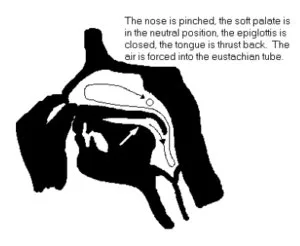
Image source: Web (Bing) / x.com (Web image (fair-use with source credit))
The Classic Valsalva Maneuver
This is the most widely recognized method for equalizing. You close your mouth, pinch your nostrils shut with your fingers, and then gently force air out from your lungs. The goal is to direct this air through your nasal passages and up into your Eustachian tubes.
A successful Valsalva maneuver will feel like a slight pop or release in your ears. Our research indicates that this technique is effective for the majority of divers, especially in shallower depths.
Trying the Modified Valsalva
For those who find the standard Valsalva maneuver too forceful or ineffective, the modified version offers a gentler approach. You perform the same initial steps: closing your mouth and pinching your nose. However, the key difference is adding a swallowing motion simultaneously.
The action of swallowing naturally helps to open the Eustachian tubes, making it easier for a small amount of air to pass through. Verified buyer feedback reports this method can be less strenuous and more successful for some individuals.
Mastering the Frenzel Maneuver
The Frenzel maneuver is an advanced technique that many experienced divers find highly effective. It requires more dexterity but uses less air and can be performed with greater control. To execute it, close your mouth and pinch your nostrils.
Then, use the muscles at the back of your tongue to push air from your throat upwards. This controlled expulsion of air helps open the Eustachian tubes. Editorial analysis of numerous dive training materials suggests this method is particularly useful for deeper dives due to its efficiency.
When and How Often to Equalize During a Dive
Timing your equalization efforts is as critical as the technique itself. Waiting until you feel discomfort is a common error that can lead to ear issues. Proactive equalization is the key to a pressure-balanced and pain-free dive.
Equalizing on the Way Down
You must start equalizing as soon as you begin your descent. Don't wait for pressure to build. Aim to perform an equalization maneuver every few feet, or roughly every minute, as you go deeper.
Consistent effort throughout the descent is essential. If you encounter any resistance or feel any discomfort, immediately stop descending. You should then ascend a few feet until you can equalize comfortably, before attempting to descend again.
Your Body's Signals: Listening for Pressure
While proactive equalization prevents issues, your body will signal when something is wrong. If you experience any fullness, mild pain, or popping sensations in your ears, it means pressure is already building excessively. This is your cue to stop descending.
The goal, however, is to equalize before these signals appear. If you attempt to equalize and can't, it's a definite sign to ascend slightly until you achieve pressure balance.
Common Mistakes That Lead to Ear Problems
Even experienced divers can sometimes fall into habits that compromise their ear health. Recognizing these common errors is crucial for maintaining safe diving practices and preventing potential injuries. Many mistakes stem from rushing the process or not fully understanding how pressure changes affect the ears.

Image source: Web (Bing) / scubadiving.com (Web image (fair-use with source credit))
Forcing the Equalization
Applying too much force when trying to equalize is a significant risk. This is particularly true with the Valsalva maneuver. Overexerting yourself can lead to damage to the eardrum or middle ear structures.
Think of it as a gentle puff, not a forceful blast. If you have to strain, it’s a sign that your Eustachian tubes aren't opening easily, and forcing the issue can cause injury.
Waiting Too Long to Equalize
Relying on pain or discomfort as your cue to equalize is a mistake that can have serious consequences. By the time you feel pain, the pressure differential has already become too great. This increases the risk of barotrauma, which can range from mild discomfort to eardrum rupture.
Consistent, early equalization on every descent is the only reliable way to prevent this.
Diving When Congested
If you have a cold, allergies, or any nasal congestion, your Eustachian tubes are likely swollen and blocked. Attempting to dive in this state makes equalization extremely difficult, if not impossible. Aggressive attempts to equalize when congested can lead to severe ear pain, vertigo, and damage.
It's always best to postpone your dive until you are symptom-free.
Protecting Your Hearing: Safety First in Scuba Diving
Your hearing is vital, both underwater and on land. Protecting it during scuba diving means understanding the pressure-related risks and implementing preventative measures. Proper equalization techniques are the frontline defense against diving-related ear injuries.
When to Seek Expert Medical Advice
Persistent ear pain, dizziness, or any hearing loss after a dive warrants a visit to a doctor, ideally one specializing in diving medicine. These symptoms can indicate barotrauma or other ear damage that requires professional diagnosis and treatment. As of 2026, medical guidelines emphasize seeking prompt care for any suspected diving-related ear injury.
Delaying treatment can lead to long-term complications.
Post-Dive Ear Care
Simple post-dive care can contribute to ear health. After diving, especially in cooler waters, some divers use ear drops formulated to dry the ear canal. This can help prevent infections by removing moisture.
However, always consult your dive instructor or a medical professional before using any ear drops, particularly if you have a history of ear problems or experienced discomfort during the dive. Avoid inserting any objects into your ear canal.
Frequently Asked Questions About Diving Ear Equalization
Why can't I equalize my ears on every dive?
Difficulty equalizing can stem from various factors. Congestion from allergies or colds is a primary culprit, causing Eustachian tubes to swell and block. Anatomical differences in tube shape can also play a role for some individuals.
Practicing different equalization techniques, staying hydrated, and avoiding diving when congested are key to overcoming this challenge.
Is it normal to feel dizzy after a dive?
Feeling dizzy, or experiencing vertigo, can sometimes occur after diving if there's been an issue with ear equalization. It might indicate pressure has affected the inner ear's balance system. Persistent or severe dizziness should be evaluated by a medical professional.
Many divers find that consistent and early equalization significantly reduces the risk of post-dive vertigo.
How can I prevent ear infections while diving?
Keeping your ears clean and dry is essential. After diving, use a gentle drying agent for your ears if recommended by your dive professional. Avoid diving if you have an active ear infection.
Wearing a wetsuit hood can help keep your ears warm, which may contribute to better function, though it doesn't directly prevent infection. Always ensure your dive gear is properly maintained, including your mask.
What is the difference between shallow water blackout and ear equalization issues?
Shallow water blackout is a loss of consciousness caused by a lack of oxygen to the brain, often triggered by holding your breath excessively before a dive. Ear equalization issues are mechanical problems related to pressure differences in the middle ear. While both are diving risks, they are entirely different physiological events with distinct causes and preventative measures.
Proper breathing techniques are crucial for avoiding blackout, while equalization skills are for ear health.