Getting your scuba diving BCD fit right is crucial for both comfort and safety underwater. Your Buoyancy Control Device (BCD) is your primary tool for managing buoyancy, and a proper fit ensures it functions effectively and feels secure. Many divers aren't sure where to draw the line between snug and constricting.
To dive safely and comfortably, your BCD should feel like a well-fitting piece of gear, not something that hinders your movement or breathing. Our research, alongside manufacturer specifications, indicates that a BCD should be snug around your torso without restricting your ability to take a full, comfortable breath. In 2026, this principle remains the gold standard for BCD fit.

Today's Exclusive Deals
Limited-time Exclusive Deals. Check current discount on Amazon.
Check Price on Amazon As an Amazon Associate I earn from qualifying purchases.Understanding Your BCD Fit: The "Snug But Not Constricting" Rule
The core principle of a well-fitting scuba diving BCD is a balance between security and freedom of movement. You want it tight enough so your gear stays put and the BCD itself doesn't shift excessively, but not so tight that it impedes your breathing or circulation. Think of it like a firm handshake, reassuring and secure, but not crushing.
Research from dive safety organizations consistently highlights that proper fit is paramount. When your BCD is too loose, it can shift during ascents and descents, potentially affecting your buoyancy control and even leading to gear entanglement. Conversely, a BCD that's excessively tight can cause discomfort, restrict your breathing capacity, and make it harder to manage your inflation and deflation.
Quick Answer
Your scuba diving BCD should be snug around your torso, allowing a full, comfortable breath. You should be able to comfortably fit one to two fingers between the waist strap and your body. It should not restrict movement or cause pinching.
Checking BCD Fit on Land: Your First Test
Before you ever hit the water, the best place to start assessing your BCD fit is on dry land. This lets you focus on the adjustments without the added considerations of being submerged. You’ll want to put on your BCD with your usual exposure suit, whether that's a wetsuit or a drysuit, and a tank.
This gives you a realistic idea of how the gear will sit on your body.

Image source: Web (Bing) / scubanow.org (Web image (fair-use with source credit))
You’re aiming for a feeling of security. The BCD shouldn't feel like it's going to slide off your shoulders, nor should it feel like it’s squeezing the air out of you. This initial check is your baseline for making further adjustments.
It’s here that you’ll get a feel for the primary adjustment points.
Cummerbund and Shoulder Strap Adjustments
The cummerbund, which is the adjustable waist strap, and the shoulder straps are your main tools for dialing in the fit. The cummerbund’s job is to keep the BCD from riding up towards your head, especially when it's inflated. It should be snug enough to achieve this but should never dig into your waist or abdomen.
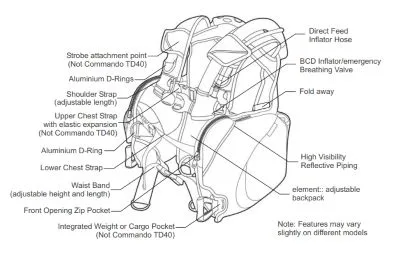
Image source: Web (Bing) / private-scuba.com (Web image (fair-use with source credit))
For the shoulder straps, they should lie flat against your shoulders and chest, holding the BCD securely without any excessive looseness or tightness. They work in conjunction with the cummerbund to distribute the weight of the tank and BCD evenly. If you feel pressure points on your shoulders, they might be too tight, or the BCD might not be sitting correctly on your torso.
Proper adjustment here is key to preventing fatigue.
The Deep Breath Test for Fit
This is arguably the most critical check you can perform. Once you’ve made your initial adjustments to the cummerbund and shoulder straps, take a slow, deep breath. You should be able to inhale fully and comfortably without feeling any significant resistance or pressure from the BCD.
This test directly assesses whether the BCD is too tight around your torso.
If you feel your breathing is restricted even slightly, you need to loosen the cummerbund or shoulder straps. Manufacturer specifications for BCDs often emphasize this aspect, as breathing difficulties underwater can quickly become a serious issue. You want to be able to expand your chest fully as you breathe, and your BCD shouldn't interfere with that natural process.
How Your BCD Should Feel Underwater
While land adjustments are important, the true test of your BCD fit comes when you're in the water. Your exposure suit compresses slightly under pressure, and the BCD's air cells behave differently when they're filled with air. What felt good on land might need fine-tuning once you're submerged.
Your BCD should feel secure and stable. It shouldn't feel like it's shifting around your torso as you move, and it should remain in a relatively consistent position. This stability is crucial for maintaining proper trim and buoyancy control throughout your dive.
BCD Fit with Wetsuits vs. Drysuits
The type of exposure suit you wear significantly impacts how your BCD should fit. A thinner wetsuit offers less bulk and compression compared to a thicker drysuit. With a wetsuit, you might find that your BCD needs to be cinched a bit tighter to achieve that secure, snug feel.
This is because the wetsuit itself provides less of a rigid structure around your torso.
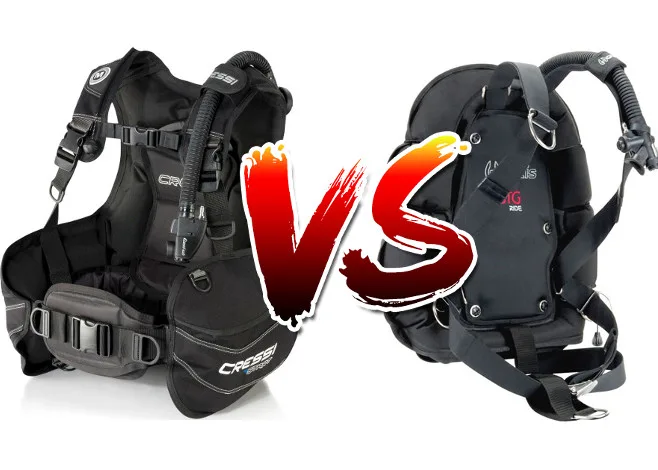
Image source: Web (Bing) / scubadiverlife.com (Web image (fair-use with source credit))
Conversely, drysuits, especially those with undergarments, add significant bulk. Your BCD might feel looser when worn over a bulky drysuit compared to a thin wetsuit. In this case, you'll likely need to tighten the cummerbund and straps more to prevent excessive movement.
It's essential to test your BCD fit with the specific exposure suit you'll be using for your dives, as the required adjustments can differ. A proper fit ensures that the air cells can inflate and deflate effectively regardless of your undergarment. For divers exploring colder waters, investing in a suitable best scuba diving wetsuit for cold water is as important as BCD fit.
Common BCD Fit Mistakes Divers Make
Many divers, especially those new to the sport, make a few common errors when fitting their BCD. One of the most frequent is over-tightening the gear, driven by a mistaken belief that "tighter is always better" for security. This can lead to discomfort and, more critically, breathing restriction.
Another common issue is neglecting to adjust the BCD once the tank is attached and the diver is wearing exposure protection. The fit on land without a tank or suit isn't the final word; dynamic testing in the water is essential. Missing this step means you might not realize your BCD is too loose or too tight until you're already underwater.
Breathing Restriction Red Flags
The absolute most critical indicator of a BCD being too tight is any restriction of your breathing. If you find yourself struggling to inhale fully, or if your chest feels constricted when you try to take a deep breath, your BCD is definitely too tight. This isn't a minor inconvenience; it's a potential safety hazard.
You should be able to take a full, relaxed breath without any sensation of pressure from the BCD around your diaphragm or rib cage. If the cummerbund is digging into your abdomen or the shoulder straps are pressing down too hard, it's time to loosen them. This rule applies universally, whether you're diving in a tropical paradise or colder climes, and it’s a fundamental aspect of ensuring good scuba diving gear for beginners.
When It's Too Loose or Too Tight
Figuring out if your BCD is too loose or too tight comes down to a few key indicators. If your BCD feels like it's sagging or shifting significantly when you move, or if the tank seems to move independently of your body, it's likely too loose. The cummerbund should keep the BCD positioned at your waist, and the shoulder straps should hold the rig securely against your back.
On the other hand, if you experience breathing restriction, feel pinching, or notice significant pressure points on your body, the BCD is too tight. This can also manifest as reduced mobility in your shoulders or torso. Finding that sweet spot where the BCD feels secure but allows for full range of motion and comfortable breathing is the goal.
Expert Tips for Perfecting Your BCD Fit
To truly dial in your BCD fit, start with the basics: ensure all adjustable straps are clean and functioning smoothly. For the cummerbund, aim for a fit where you can comfortably slide one to two fingers between the strap and your waist. This offers a secure hold without being constricting.
When adjusting shoulder straps, make sure they lie flat against your body. Avoid over-tightening them, which can lead to discomfort on your shoulders and can even pull the BCD too high on your chest. In our research, many experienced divers report that taking a few moments to make these fine adjustments before every dive significantly improves their comfort and control underwater.
Don't forget to check your BCD's integrated weight system, as these also play a role in overall balance and fit, much like a best scuba diving weight belt.
Frequently Asked Questions About BCD Fit
How do I know if my BCD is too tight?
If you experience any restriction in breathing, feel pinching or digging pressure points, or notice significant discomfort when taking a deep breath, your BCD is likely too tight.
Should my BCD feel loose when I'm not wearing it?
A BCD will naturally feel somewhat loose when not worn, especially without a tank. The critical fit assessment happens when you're wearing it with your exposure suit and tank, on land and in the water.
How much should I tighten the BCD's waist strap (cummerbund)?
You should be able to comfortably slip one to two fingers between the cummerbund and your waist. It should be snug enough to prevent the BCD from riding up but not so tight that it causes pressure or breathing difficulty.