Getting your scuba certification is a passport to a new world under the sea. You’ll see bright coral, curious fish, and maybe even a turtle or two. But before you can explore the ocean depths, you need to be trained. Many people wonder: *How long does it take to get scuba certified?* The answer isn’t always simple. It depends on the course, your schedule, and even where you choose to learn. This guide will walk you through each part of the process, explain what affects the timing, and help you plan your path to becoming a certified diver.
What Is Scuba Certification?
Scuba certification proves that you have learned the skills and safety rules needed to dive. Most people start with the Open Water Diver course. This is offered by organizations like PADI (Professional Association of Diving Instructors), SSI (Scuba Schools International), and NAUI (National Association of Underwater Instructors). With this certification, you can rent gear, join dive trips, and dive with a buddy down to about 18 meters (60 feet).
Today's Exclusive Deals
Limited-time Exclusive Deals. Check current discount on Amazon.
Check Price on Amazon As an Amazon Associate I earn from qualifying purchases.Certification is not just a simple test. You’ll study theory, practice skills in a pool, and do real dives in open water. This all takes time—but how much? Let’s look at the parts of the course and what can make it faster or slower.
Main Steps In Scuba Certification
1. Knowledge Development (classroom Or Online)
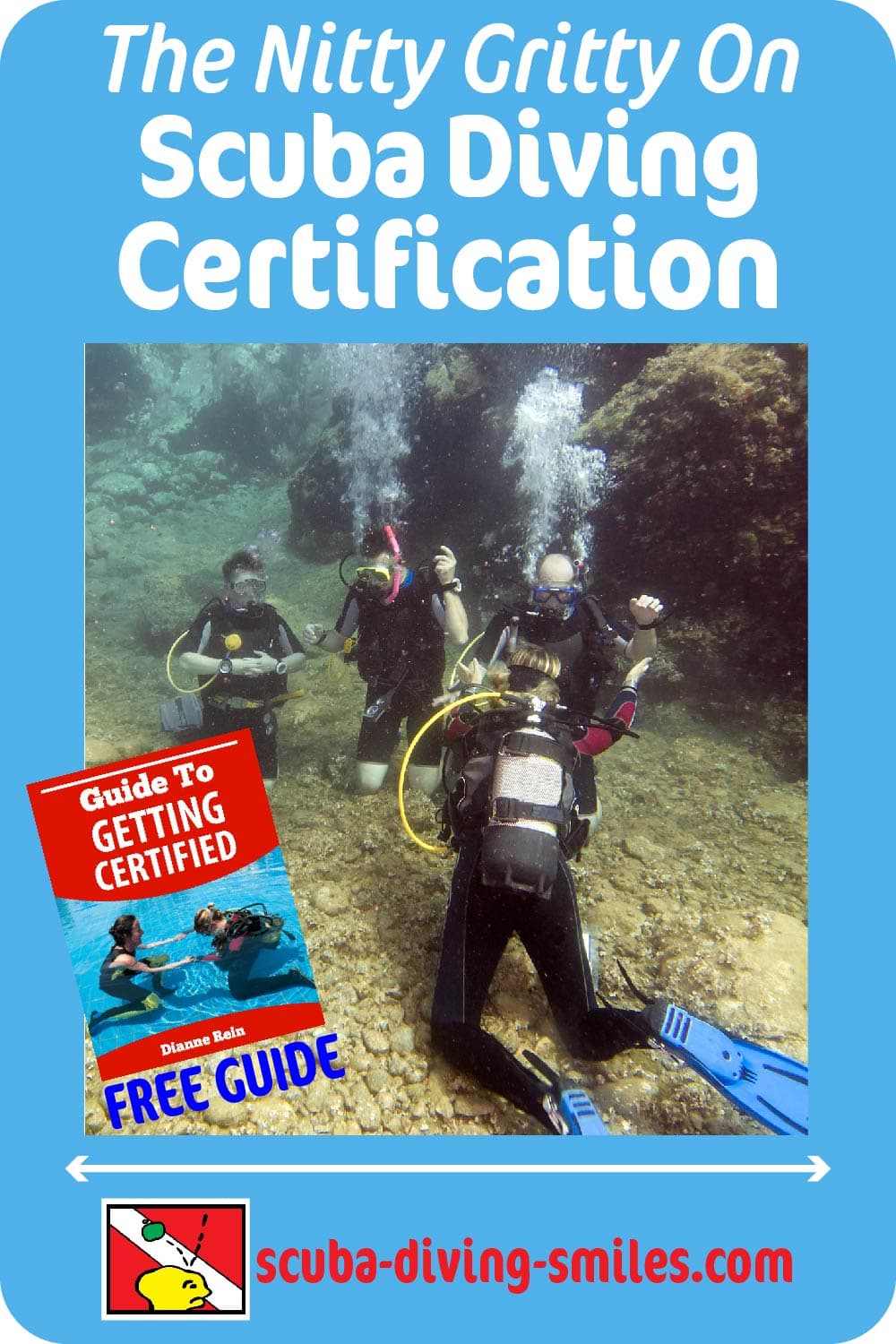
The first part is learning the basics—how pressure affects your body, how to use equipment, and what to do in emergencies. You can do this in a classroom with an instructor or online at your own pace.
- Time required: 8 to 12 hours (can be done in 1–2 days or spread over a week).
- Self-paced online courses allow you to finish faster if you study in your free time.
- In-person classes might meet for several evenings or over a weekend.
2. Confined Water Dives (pool Training)
Next, you’ll practice skills in a pool or shallow water. This includes breathing underwater, clearing your mask, and emergency procedures.
- Time required: 4 to 8 hours (usually split into 2–3 sessions).
- Some dive shops combine this into one long day; others spread it over several days.
3. Open Water Dives
Finally, you do real dives in a lake, ocean, or quarry. You’ll repeat the skills you learned in the pool and prove you can handle yourself underwater.
- Time required: 2 days (usually 4 dives, 2 per day).
- These dives are often scheduled over a weekend.
4. Final Exam And Certification
After all the training, you’ll take a short written test and review your skills with the instructor.
- Time required: 1–2 hours.
Typical Timelines For Scuba Certification
For most people, getting certified as an Open Water Diver takes about 3 to 4 days of focused training. But real life isn’t always so simple. Here’s how different schedules can look:
| Course Format | Time to Complete | Best For |
|---|---|---|
| Intensive (Weekend) | 2–3 days | Travelers, busy people |
| Standard (Weekly) | 4–7 days | Local students, flexible schedules |
| Part-time (Evenings/Weekends) | 2–6 weeks | Working adults, students |
| Online theory + local dives | Flexible, as fast as 2 days for dives | People who want to study at home |
Non-obvious insight: Many people do the theory part online while still at home, then travel to a warm place just to finish the dives. This saves vacation time and lets you dive in clear water.
What Can Affect Your Timeline?
While 3–4 days is typical, the actual time can change based on:
1. Personal Comfort And Learning Speed
Everyone learns at a different speed. If you’re nervous or need more practice with certain skills, your instructor may suggest extra pool time. It’s better to go slow and feel safe, rather than rush.
2. Health And Fitness
You need basic swimming skills and reasonable fitness. If you tire quickly in the water, you might need more practice sessions.
3. Weather And Water Conditions
Bad weather can delay open water dives, especially in the ocean. Some places have strong currents or poor visibility, which can slow down training.
4. Instructor And Class Size
Small classes (2–4 students) move faster. Large groups often take more time as everyone must complete each skill.
5. Course Location
Resort courses are often fast-paced and intensive, while local dive shops may spread classes over several weeks.
6. Course Organization
Some organizations allow you to split the course. For example, with a referral, you can do theory and pool work at home, then finish open water dives on vacation.
Practical tip: If you know you’ll be traveling, ask your instructor about the referral system. It’s common and saves you time.
Comparing Popular Certification Agencies
The main agencies—PADI, SSI, and NAUI—all follow international standards. The process is similar, but there are small differences in how courses are organized.
| Agency | Minimum Age | Depth Limit (Open Water) | Typical Course Duration |
|---|---|---|---|
| PADI | 10 years | 18 meters / 60 feet | 3–4 days |
| SSI | 10 years | 18 meters / 60 feet | 3–4 days |
| NAUI | 10 years | 18 meters / 60 feet | 3–4 days |
Another useful fact: The certification you earn is valid for life and is accepted worldwide.
Intensive Vs. Extended Courses
Some people prefer a quick, immersive course (like over a long weekend). Others choose a slower, spread-out approach. Which is better?
Intensive Courses
- Pros: You finish quickly; good for vacations.
- Cons: Less time to absorb information. Can feel rushed, especially for nervous swimmers.
Extended Courses
- Pros: More time to practice and ask questions. Easier to fit into a busy schedule.
- Cons: Takes more calendar days; you might forget some skills between sessions.
Tip: If you are not comfortable in water, consider an extended course. Confidence is more important than speed.

Special Cases: Junior And Advanced Certifications
Junior Open Water Diver
Kids as young as 10 can get certified, but with limits (must dive with a parent or professional, and not as deep). The process is the same as for adults, but some dive shops add extra supervision.
Advanced Certifications
After your Open Water course, you can take Advanced Open Water Diver. This usually adds 2–3 more days and gives you experience with deeper dives, night dives, or navigation.
What If You Take A Break?
Life happens. Sometimes you start a course but have to stop. Most agencies let you pause and continue later (within a year). You might need to review or repeat some skills if a long time has passed.
Non-obvious insight: If you finish the theory and pool work, ask for a referral form. This makes it easy to complete your open water dives elsewhere, even internationally.
Is It Possible To Get Certified Faster?
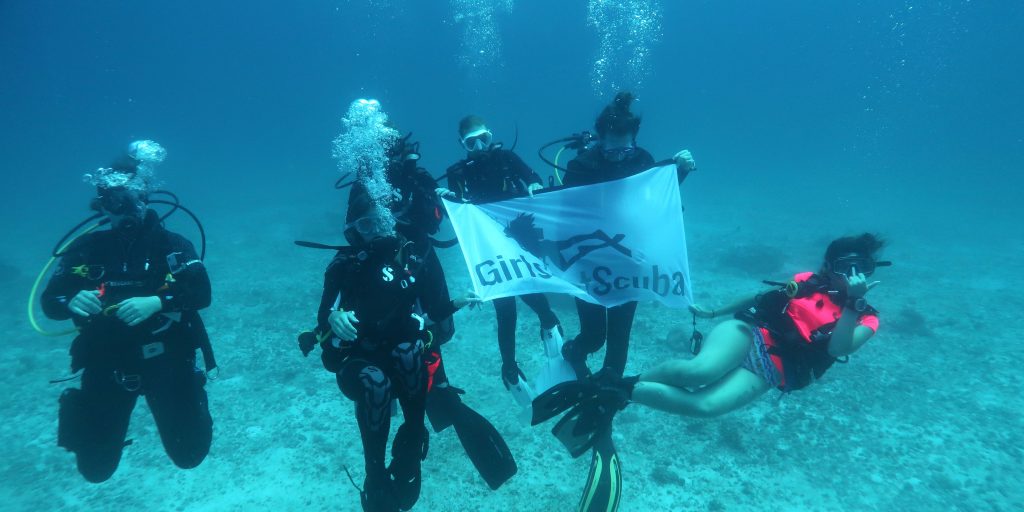
Some resorts advertise “2-day courses. ” This is only possible if you do the online study before you arrive and are comfortable in the water. Trying to rush through every step is not recommended. You need time to practice safety skills.
Common Mistakes When Planning Scuba Certification
- Underestimating the time needed: Don’t assume you can finish in one day. Even the fastest courses need at least two full days in the water.
- Booking flights too soon: You must not fly for 18–24 hours after your last dive to avoid decompression sickness.
- Not checking health requirements: Some medical conditions need a doctor’s note before you can dive.
- Choosing the cheapest option: Good instruction matters more than a low price. Read reviews and ask about class size.
What To Expect During Each Step
Classroom Or Online Study
You’ll watch videos, read manuals, and take quizzes. Topics cover buoyancy, dive tables, safety, and equipment.
Pool Sessions
Expect to practice:
- Breathing with a regulator
- Mask clearing
- Sharing air with a buddy
- Floating and swimming underwater
Open Water Dives
You’ll repeat pool skills in real water. Each dive gets a bit deeper. You’ll also practice navigation and emergency drills.
Example: On your first open water dive, you might swim to 6 meters (20 feet) and show you can clear your mask. By the last dive, you’ll reach 18 meters (60 feet) and practice buddy breathing.
The Importance Of Taking Your Time
Learning to dive is not a race. The goal is to feel safe and confident underwater. If you need extra time, ask for it. Good instructors will support you.
Real-world advice: Many divers wish they had spent more time practicing buoyancy and basic skills before going on deep or advanced dives. A solid foundation makes future diving safer and more fun.
Certification Costs And What’s Included
The price for an Open Water course ranges from $350 to $700 USD, depending on location and what’s included.
Typical costs cover:
- Study materials or online access
- Pool sessions
- Open water dives
- Equipment rental
- Certification card
Some places charge extra for boat dives, park fees, or gear rental. Always ask what’s included before you book.
After Certification: What’s Next?
Once you are certified, you can:
- Dive with a buddy, without an instructor
- Rent tanks and gear
- Join group dive trips
- Start advanced or specialty courses (like night diving or underwater photography)
Your training doesn’t end with certification. Safe divers keep learning and practicing.
For more details on scuba certifications and standards, you can check the Wikipedia page on scuba diving certification agencies.
Frequently Asked Questions
How Long Does It Take To Get Scuba Certified If I’m A Complete Beginner?
Most beginners finish the Open Water Diver course in 3–4 days of focused training. Some need a week or more if they spread sessions out. If you do theory online ahead of time, the in-water part can be as short as two days.
Can I Do Part Of The Course At Home And Finish On Vacation?
Yes. Many agencies offer a referral system. You can complete theory and pool sessions locally, then do your open water dives at a dive shop anywhere in the world.
What Happens If I Fail A Skill Or The Final Test?
If you struggle with a skill or the exam, your instructor will give you extra practice or help. Most people pass after a few tries. You only fail if you cannot show safe diving skills after extra help.
Is Scuba Certification Permanent?
Yes, your certification is valid for life. However, if you haven’t dived in a while (over a year), most dive shops will ask you to take a refresher course before diving again.
How Soon After Finishing The Course Can I Fly?
You must wait at least 18–24 hours after your last dive before flying. This helps prevent decompression sickness and keeps you safe.
Becoming scuba certified is a journey, not a sprint. Take your time, enjoy the process, and soon you’ll be ready for underwater adventures. With the right planning, you’ll get certified at a pace that fits your life—and be well prepared for the amazing world beneath the waves.