
Image source: Web (Bing) / eagleraydiving.com (Web image (fair-use with source credit))

Today's Exclusive Deals
Limited-time Exclusive Deals. Check current discount on Amazon.
Check Price on Amazon As an Amazon Associate I earn from qualifying purchases.How Often Should Scuba Diving Equipment Be Serviced?
Your scuba diving gear is your lifeline to a safe and enjoyable underwater experience. When it comes to maintenance, skipping a service isn't just inconvenient; it can be downright dangerous. Ensuring your regulators, BCD, and tanks are in top condition isn't about ticking a box; it's about trusting your equipment when you're literally breathing through it in an extreme environment.
In our research, we found that most gear manufacturers recommend annual servicing for critical components. For instance, specifications from major regulator brands typically indicate servicing should occur every 12 months, or after a set number of dives, often around 100 to 150. This consistent maintenance is paramount for ensuring your equipment functions correctly when you need it most.
Quick Answer
Scuba diving equipment, especially regulators and BCDs, should be professionally serviced annually. This ensures vital components are inspected, cleaned, and replaced as needed. Tanks require yearly visual inspections and a hydrostatic test every five years.
Regular servicing prevents critical failures and guarantees safe diving conditions.
The Risks of Neglecting Your Dive Gear's Health
Ignoring your scuba gear's maintenance schedule can lead to serious problems. Imagine your primary regulator failing mid-dive; that's a high-stress situation you want to avoid at all costs. Saltwater, sand, and even just air exposure can degrade seals and internal components over time.
A dive computer battery dying prematurely, or a BCD inflator sticking, could turn a fun dive into a stressful emergency. Manufacturer specifications for equipment like regulators often cite an annual service requirement to prevent such failures. Failing to adhere to these guidelines, as outlined by organizations like the Professional Association of Diving Instructors (PADI), puts your safety and the safety of your buddy at risk.
How Often Should You Actually Service Your Scuba Equipment?
The general rule of thumb for most critical scuba diving equipment is an annual professional service. This applies particularly to your regulator system, encompassing the first stage, second stage, alternate air source (octopus), and submersible pressure gauge (SPG), and your Buoyancy Control Device (BCD). Some manufacturers might specify a dive-count interval, often around 100 to 150 dives, in addition to or instead of the annual recommendation.
It’s vital to check your owner's manuals for the exact guidelines for your specific gear. For example, according to the U.S. Divers technical manual, annual servicing of regulators is a standard recommendation to ensure optimal performance and safety.
Here’s a quick look at common equipment and their typical service needs:
- Regulators: Annual service recommended by most manufacturers.
- BCD: Annual service or thorough inspection and rinse recommended.
- Tank (Cylinder): Annual visual inspection and a hydrostatic test every 5 years.
- Dive Computer: Battery replacement as needed (often by a technician), and functional checks.
Regulator Servicing: Your Lifeline to Air
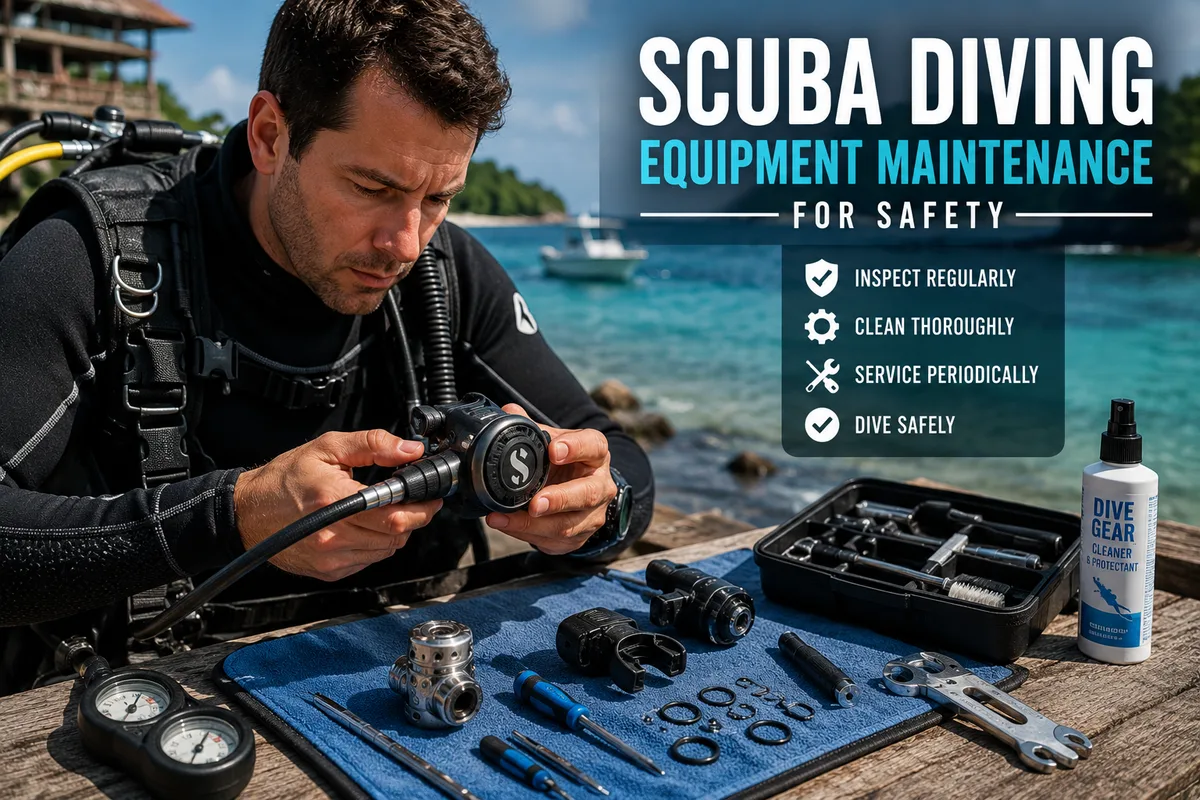
Your regulator is arguably the most critical piece of your scuba gear. It's responsible for reducing the high-pressure air from your tank to a breathable level. Because it's a precision instrument exposed to the elements, it requires meticulous care.
Manufacturers like Aqua Lung and Scubapro, whose specifications are followed by many service centers, mandate annual servicing. This process involves disassembling the regulator, cleaning all components, replacing the first-stage diaphragm and O-rings, checking second-stage diaphragms and mouthpieces, and then testing its performance to ensure it meets factory standards. Skipping this can lead to slow leaks, difficulty breathing, or a complete failure, which is why ignoring its maintenance is a grave mistake.

Image source: Web (Bing) / quizlet.com (Web image (fair-use with source credit))
A professional technician will confirm your regulator is delivering air at the correct intermediate pressure and breathing resistance. They also check for any corrosion or damage that might not be visible externally. This meticulous attention to detail is why annual professional servicing is so crucial for your regulator.
You can learn more about maintaining specific regulator models by consulting the official documentation provided by Aqua Lung, a leading manufacturer.
BCD and Tank Maintenance: Keeping You Afloat and Breathing
Your Buoyancy Control Device (BCD) is your buoyancy management tool, allowing you to ascend, descend, and maintain neutral buoyancy underwater. It’s a complex piece of equipment with inflator hoses, dump valves, and internal bladders that need regular attention. While perhaps not as immediately life-critical as your regulator, a malfunctioning BCD can still create dangerous situations.
Manufacturer recommendations, including those from Scubapro, often suggest annual servicing to ensure the inflator mechanisms and dump valves operate smoothly and without leaks. This involves checking for O-ring degradation and ensuring the bladder is free of damage.
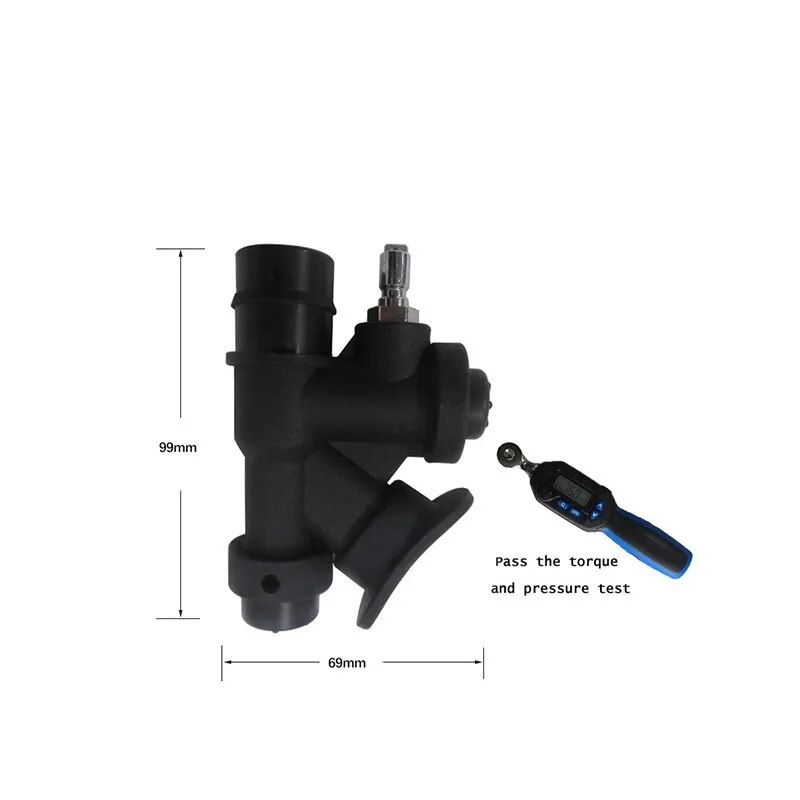
Image source: Web (Bing) / can.grandado.com (Web image (fair-use with source credit))
Your tank, or cylinder, is your air supply. While the tank itself is incredibly robust, it still requires regular inspection. Annual visual inspections are mandatory in most regions to check for any internal or external damage, corrosion, or valve issues.
More importantly, tanks need a hydrostatic test every five years. This test involves pressurizing the tank to a higher level than normal operating pressure to ensure its structural integrity. Failing to get your tank hydrostatically tested can lead to catastrophic failure, so adhering to this schedule is non-negotiable for your safety.
When Your Dive Computer Needs Attention
Dive computers have become indispensable tools for modern divers, tracking depth, dive time, ascent rates, and managing decompression. While they are electronic devices and don't have mechanical parts that wear out in the same way as regulators, they still require maintenance. The most common maintenance task is battery replacement.
Many dive computers are designed so that only authorized technicians can replace the battery to ensure the waterproof seal remains intact. Manufacturer specifications, like those found for Suunto dive computers, will detail when and how batteries should be changed, often recommending it be done by a certified service center.
Beyond battery changes, regular functional checks are important. After extended periods of non-use, or if you've experienced any impact or water ingress, it’s wise to ensure your dive computer is functioning correctly. This includes verifying that the screen is clear, buttons are responsive, and it powers on and off as expected.
Some dive computers may also have firmware updates available, which can enhance performance or fix minor bugs. While not a "service" in the mechanical sense, treating your dive computer with care and following its specific maintenance guidelines is vital for accurate dive data and safe decompression planning.
What to Expect During a Professional Gear Service
When you hand over your valuable scuba gear for a professional service, it's not just a quick once-over. Technicians, often certified by the equipment manufacturers themselves, follow a rigorous process. For regulators, this involves complete disassembly.
They meticulously clean each component, checking for any signs of wear or corrosion. Crucially, all internal O-rings, diaphragms, and other seals are replaced. Manufacturers' service kits are used to ensure only the correct, approved parts are installed.
Following the disassembly and replacement of worn parts, the regulator is reassembled and meticulously tested. This includes verifying the intermediate pressure, ensuring smooth breathing at various depths, and checking for any air leaks. For a BCD, the service typically involves inspecting the bladder for leaks, servicing the oral and power inflator mechanisms by cleaning and replacing any worn seals or valves, and checking the function of all dump valves.
Tanks undergo visual inspections to look for dents, corrosion, or damage, and the valve is serviced. The hydrostatic test is a more involved process where the tank is filled with water and pressurized to ensure it can withstand extreme forces without deforming or rupturing. Adhering to the recommended timelines, such as the hydrostatic test every five years as mandated by many international standards, is critical.
Signs Your Gear Needs Immediate Service (Beyond the Schedule)
While annual servicing is the standard guideline, your gear might signal it needs attention sooner. Don't wait for your scheduled service if you notice any of the following:
- Air Leaks: Any consistent hissing sound from your regulator or BCD inflator that shouldn't be there.
- Difficulty Breathing: If your regulator feels stiff, requires excessive effort to inhale, or you experience air starvation.
- Sticky or Malfunctioning Valves: If your BCD’s dump valves don't open or close properly, or the inflator button sticks.
- After Long Storage: If your gear has been unused for over a year, it's wise to get it professionally checked before diving.
- Exposure to Contaminants: If your gear has been exposed to excessive sand, silt, or has been submerged in a way that suggests potential internal contamination.
- Physical Damage: Any cracks, dents, or significant wear on hoses, the tank, or regulator components warrant immediate inspection.
These are indicators that a component may be compromised and requires immediate attention from a qualified technician. Trusting your gear’s performance means listening to what it’s telling you.
Frequently Asked Questions About Scuba Gear Servicing
How often should scuba diving equipment be serviced?
Critical equipment like regulators and BCDs should be serviced annually by a professional technician. Tanks require yearly visual inspections and a hydrostatic test every five years.
What happens if I don't service my scuba gear?
Not servicing your gear can lead to equipment failure, potentially causing dangerous situations underwater, such as difficulty breathing or loss of buoyancy control. It can also void manufacturer warranties.
Can I service my own scuba gear?
While some basic maintenance like rinsing and visual checks can be done by the diver, complex servicing of regulators and BCDs requires specialized tools and training. It's best left to certified technicians to ensure safety and proper function.
How much does scuba gear servicing typically cost?
Service costs vary by location and the specific equipment being serviced, but a full regulator service might range from $75 to $150, with BCD servicing and tank inspections costing less.
What is a hydrostatic test for scuba tanks?
A hydrostatic test is a rigorous safety check performed every five years on scuba tanks. It involves pressurizing the tank to a level above its normal working pressure to ensure its structural integrity and that it hasn't weakened over time.

