Learning how to perform strength exercises correctly is the foundation for building muscle safely and effectively. Proper mechanics ensure that your joints stay protected while you target the intended muscles. By focusing on alignment and control, you turn every repetition into a productive challenge.
Research from the National Strength and Conditioning Association confirms that consistent, high-quality movement patterns are the primary drivers of long-term progress. If you are starting your journey with quality iron hardware for early-stage progress, you must prioritize your form before adding heavy plates.
Today's Exclusive Deals
Limited-time Exclusive Deals. Check current discount on Amazon.
Check Price on Amazon As an Amazon Associate I earn from qualifying purchases.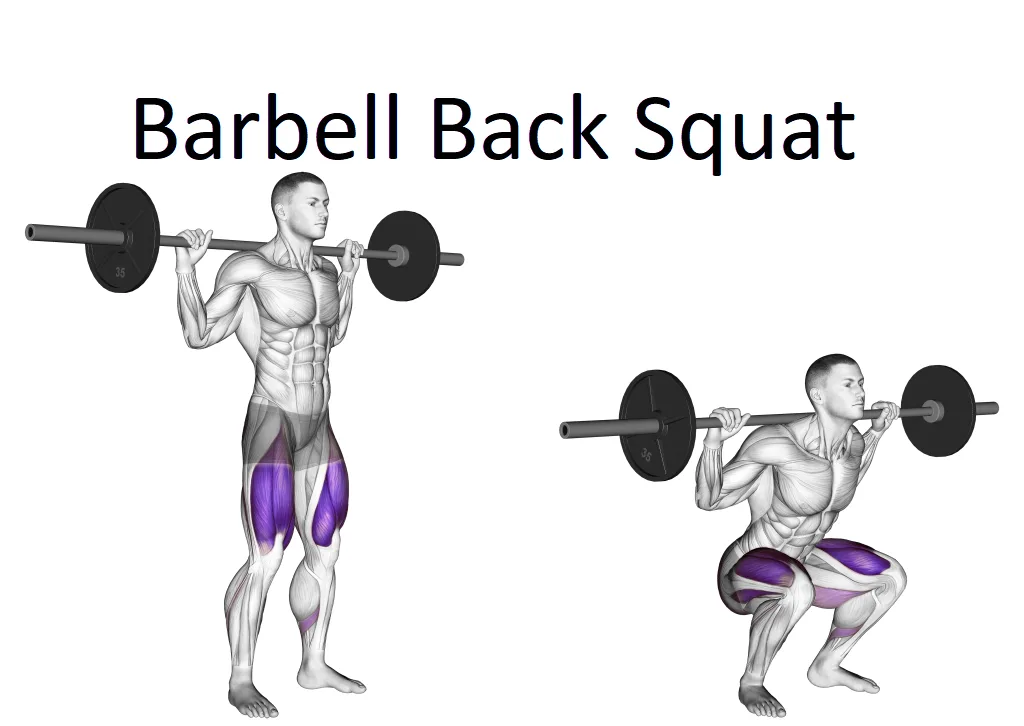
Image source: Web (Bing) / pinterest.com (Web image (fair-use with source credit))
Quick Answer
Proper strength training requires strict spinal alignment and total muscle engagement. Control every phase of the movement to maximize gains and prevent injury. Never use momentum to swing weights during your repetitions.
Always prioritize consistent form over lifting the heaviest weight available.
Why Proper Biomechanics Trump Heavy Weight
Many gym-goers fall into the trap of prioritizing weight over movement quality, which often leads to stalled progress. Biomechanics refers to the way your muscles and joints interact to produce force. When you move well, you place the mechanical load directly on the muscle fibers you intend to work.
If your form breaks down, your joints, ligaments, and tendons take the brunt of the pressure. This redistribution of force is the leading cause of training-related injuries. If you need versatile gear for total body routines, remember that the equipment is only as effective as the person using it.
Consistent form ensures that your body adapts to stress by building muscle and bone density. When you sacrifice form to hit a higher number, you disrupt the stimulus needed for hypertrophy. Focus on feeling the contraction in your target muscle rather than just moving the weight from start to finish.
The Three Pillars of Safe Movement: Stability, Tension, and Control
Strength training is built on three essential pillars: stability, tension, and control. Stability is your ability to maintain a neutral spine and a fixed joint position under load. Without it, your body leaks force, making the lift harder and less effective.
Tension is the act of actively engaging your muscles before the movement begins. You should squeeze your grip, brace your core, and create "torque" at your joints to lock your body into place. This internal pressure creates a rigid structure that supports heavy loads.
Control defines how you handle the weight throughout the entire set. You should never allow gravity to dictate the descent of the bar. By managing the tempo of your reps, you ensure that your muscles remain under tension for the entire duration of the exercise.
Mastering the Kinetic Chain: Setup and Execution Protocols
The kinetic chain is the system of connected body parts that work together to produce a coordinated movement. A strong setup is the prerequisite for a successful rep. You must establish a firm base, often starting with how you plant your feet or lock your hands onto the bar.
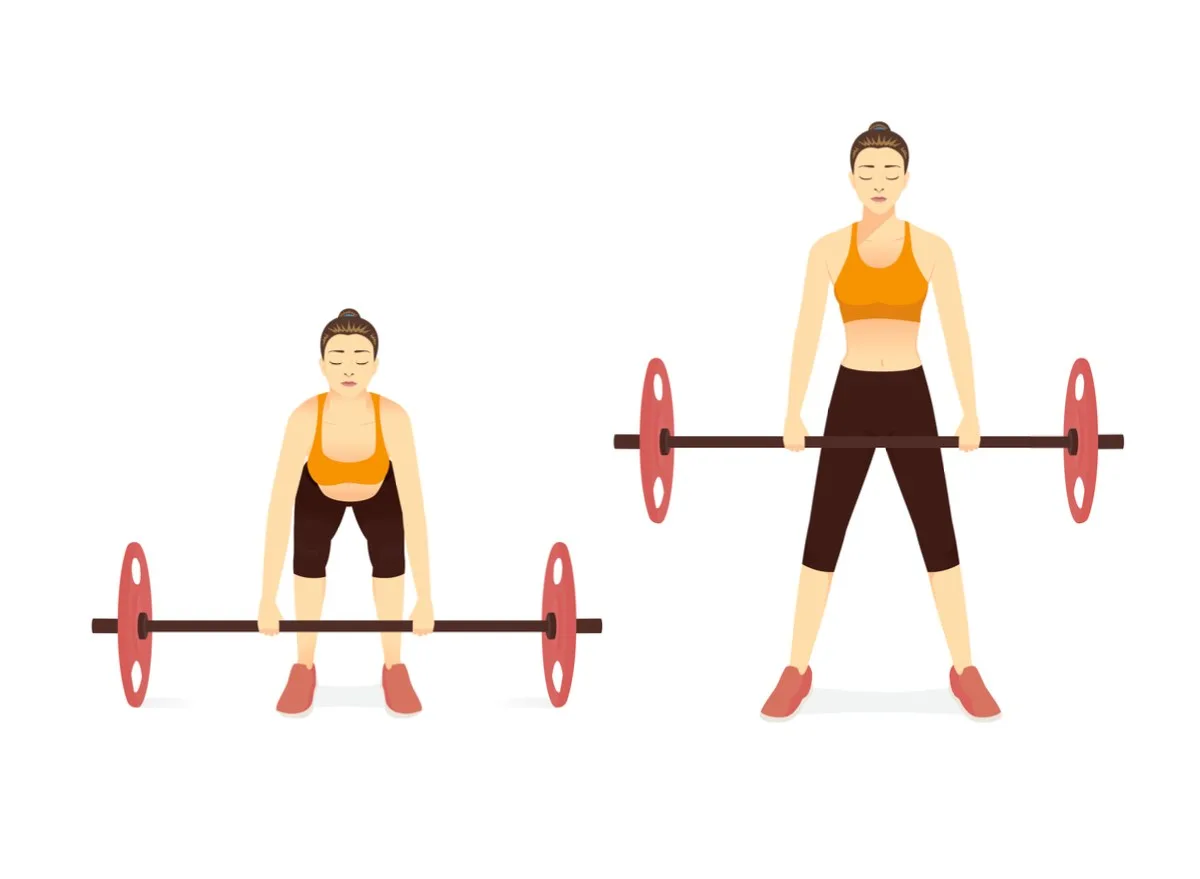
Image source: Bing (Web (fair-use with source credit))
Proper execution involves maintaining that setup from the first inch to the last. For many, finding the right setup for limited floor space helps maintain focus on these smaller details. If one link in the chain, such as your core or your grip, fails, the entire movement suffers.
- Anchor your feet: Ensure your heels are flat and your weight is evenly distributed.
- Brace your midsection: Inhale deeply into your abdomen to create a protective belt of pressure.
- Engage the target: Visualize the muscle working and focus on the squeeze during the contraction.
- Maintain alignment: Keep your head, shoulders, and hips in a path that minimizes unnecessary stress.
Common Technical Failures and How to Spot Them
Technical failures often creep into a routine as you fatigue or attempt to push beyond your current capacity. The most common error is lumbar hyperextension, where your lower back arches excessively to compensate for weak glutes or poor core engagement. This puts direct pressure on your spinal discs.
Another frequent mistake is "ego lifting," where you use momentum to move weight that you cannot control. If you find yourself swinging, bouncing, or using body English to get the weight up, the load is simply too heavy. For those building a dedicated spot for strength work, it is better to start lighter and perfect the movement.
You can often spot these errors by recording your sets from the side. Compare your footage to standard instructional videos or charts from the American College of Sports Medicine. If your hips shoot up before your shoulders during a deadlift, or if your knees collapse inward during a squat, you have identified a clear point for correction.
Managing Risks: When to Push and When to Stop
Safety in the gym requires a clear understanding of the difference between productive discomfort and dangerous pain. Muscle fatigue, often felt as a burning sensation or a temporary loss of power, is a positive sign that your training is effective. Sharp, stabbing, or radiating pain in your joints or tendons is a warning signal you must respect.
If you encounter persistent joint discomfort, you should pause your training session immediately to assess the area. Pushing through joint pain often leads to chronic inflammation or acute injury, which will force you to take weeks of rest. Equipping your space with high-quality gear can provide better ergonomics, but no piece of equipment can protect you from the consequences of ignoring your body.
To manage risk effectively, use the Rate of Perceived Exertion (RPE) scale to gauge your intensity. Aim for an RPE of 8 or 9, meaning you stop when you feel like you could perform one or two more repetitions with perfect form. Stopping before total failure ensures that your final reps are as technically sound as your first ones.
- Listen to your joints: Never work through clicking, stinging, or popping sensations.
- Monitor your range: If your technique falters as you reach the bottom of a movement, shorten your range until your strength improves.
- Adjust the load: If you cannot maintain a neutral spine, decrease the weight until your form stays rigid.
- Warm up properly: Spend at least five to ten minutes on dynamic mobility to prepare your connective tissues.
Long-Term Optimization: Integrating Progressive Overload
Progressive overload is the systematic increase of stress on your muscles over time. It is the core mechanism that forces your body to adapt and grow stronger. You can achieve this by adding weight, increasing repetitions, or improving your control over the movement.
Image source: Web (Bing) / desertcart.in (Web image (fair-use with source credit))
When you utilize durable iron plates designed for heavy lifting, keep a detailed log of your sessions. Tracking your volume, which is the total weight multiplied by the number of sets and reps, helps you see clear trends in your performance. You should aim for small, incremental gains rather than massive jumps that compromise your movement.
Optimization also involves rotating your exercises periodically to prevent overuse injuries and boredom. If you have been strictly using a reliable set for basic routines, adding a new variation or changing your tempo can spark new progress. Focus on the quality of your movement as the primary metric, and the increased strength numbers will follow as a natural byproduct.
Frequently Asked Questions
How do I know if my form is actually correct?
The most reliable way is to film your sets from a side-on view. Compare your angles, such as your back position or depth, against verified movement standards. If you feel the target muscle working throughout the set, you are likely maintaining good mechanical tension.
Can I train with heavy weights every session?
Training with maximum weight every time often leads to neural fatigue and form breakdown. Most effective programs cycle between lighter, high-volume days and heavier, lower-volume days. This allows your central nervous system and connective tissues time to recover, which prevents injury and stalls in progress.
What should I do if a specific exercise always hurts?
If an exercise consistently causes pain, stop performing that version immediately. Substitute it with a variation that aligns better with your anatomy, such as switching from a barbell back squat to a goblet squat. Pain is not a required part of the process, and movement should feel fluid.
How many days a week should I train for best results?
Consistency is more important than total frequency for most people. Training three to four days per week allows for enough stimulus to build strength while providing ample rest between sessions. Focus on getting high-quality, controlled reps in during every single workout rather than just maximizing your time in the gym.
Maintenance of Physical Form: Integrating Daily Optimization
You optimize your training by ensuring your recovery matches your intensity. If you neglect your sleep or nutrition, your body cannot solidify the adaptations you trigger during your lifting sessions. Aim for at least seven hours of quality rest per night, as this is when your muscle tissue repairs itself at a cellular level.
Hydration also plays a major role in your ability to maintain proper form. Dehydrated muscles and tissues lose their elasticity, which increases your risk of strain during complex movements. Keep a water bottle nearby and sip consistently throughout your workout to maintain peak performance.
- Prioritize recovery: Take at least one or two full days off each week to prevent systemic fatigue.
- Track your progress: Use a simple notebook or a digital app to record your weights and how your body felt during each set.
- Listen to feedback: If you feel chronically sore or sluggish, scale back your volume for a week to allow your central nervous system to reset.
Real Scenarios: Adapting to Your Environment
Whether you train in a professional facility or a garage, the principles of movement remain the same. If you are training in a small space, you may need to choose movements that require less clearance, such as using dumbbells instead of a full-length barbell. This does not change the requirement for a neutral spine or controlled tempo.
If you are just beginning to build a space, research quality iron gear suited for compact setups to ensure your tools don't dictate poor mechanics. Working with a balanced weight set for focused muscle building allows you to execute precise patterns without the distraction of oversized, cumbersome equipment. Focus on the movement itself, not the equipment brand or the size of your gym.
You may also find that certain days require you to adjust your training based on life stress. If you have had a long day at work, your focus might be lower. It is acceptable to reduce the weight for that session to prioritize your technique.
Staying consistent with your movement patterns, even on "off" days, is how you build long-term strength.