Deciding between strength training vs cardio often feels like choosing between two different languages when you really want to be fluent in both. Many people mistakenly believe they must pick one path to reach their fitness goals, but that binary choice is rarely the best way to support long-term health.
As of 2026, exercise guidelines from the World Health Organization suggest that adults incorporate both resistance activities and aerobic movement to optimize metabolic function. By understanding how each modality impacts your physiology, you can build a balanced routine that serves your body for years.

Today's Exclusive Deals
Limited-time Exclusive Deals. Check current discount on Amazon.
Check Price on Amazon As an Amazon Associate I earn from qualifying purchases.Quick Answer
Strength training builds muscle and bone density. Cardio improves heart and lung efficiency. Most people benefit from combining both approaches.
You do not need to choose one alone. A hybrid routine offers the best long-term results.
The Great Debate: Why You Don’t Have to Choose Between Strength and Cardio
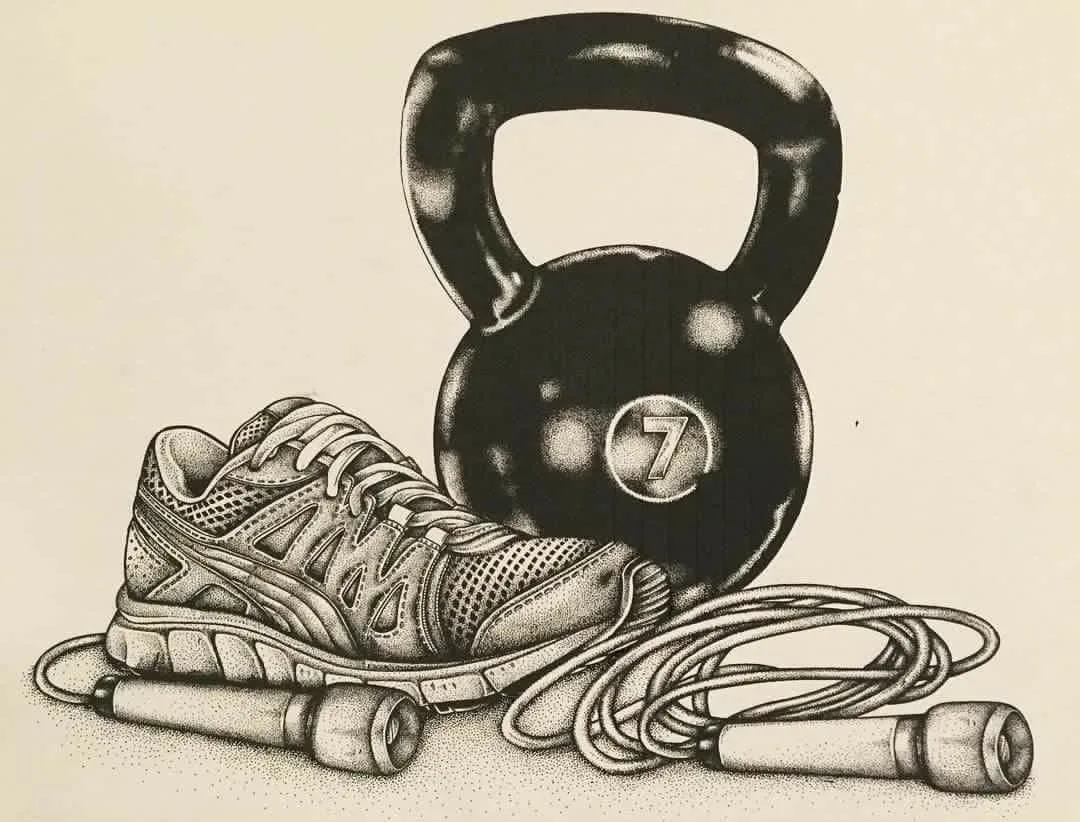
Image source: Bing (Web (fair-use with source credit))
The conversation around these two training styles often gets framed as a competition for your time and energy. Strength training is defined as any exercise that uses resistance to induce muscular contraction, while cardio describes aerobic activity designed to increase oxygen intake and heart rate.

Image source: Web (Bing) / lazada.com.my (Web image (fair-use with source credit))
You’ll often find that specialized gear for building muscle helps you maintain intensity during strength sessions. Meanwhile, keeping your heart rate elevated through consistent movement supports the recovery needed to handle those heavier loads. Balancing them is not about conflict; it is about efficiency.
The Core Science: How Resistance Training and Aerobic Exercise Change Your Body
Resistance training triggers a process called hypertrophy, which is the growth of muscle fibers in response to tension. Your body repairs these micro-tears, resulting in denser, stronger tissue that elevates your resting metabolic rate. This is why having reliable strength tools is a cornerstone of long-term body composition management.
Cardio, by contrast, targets your cardiovascular system. It increases the stroke volume of your heart, allowing it to pump more blood with each beat. This adaptation improves your VO2 max, a key indicator of your aerobic capacity.
When your engine is efficient, you don’t just run faster, you recover better from every other physical stressor you face.
Side-by-Side: Performance, Health Markers, and Recovery Trade-offs
Choosing between these modes depends on your specific physical demands. While strength training is essential for functional movement, cardio is the primary driver for endurance-based health markers.
| Feature | Strength Training | Cardiovascular Exercise |
|---|---|---|
| Primary Adaptation | Muscular Hypertrophy | Aerobic Capacity |
| Key Benefit | Bone Density | Blood Pressure Control |
| Fuel Source | Glycogen (Stored Carbs) | Oxygen & Fat Stores |
| Best Tool | Compact barbell kits | Running, Rowing, Cycling |
If you are just starting out, using beginner-friendly hardware allows you to master movement patterns before adding complex aerobic layers. The goal is to ensure your recovery systems are not overwhelmed by trying to adapt to two extreme stimuli simultaneously.
Identifying Your Training Goal: What Actually Drives Your Progress?
Your goals dictate the ratio of strength to cardio in your weekly schedule. If your primary objective is maximizing force output, your lifting sessions must take precedence during your highest-energy blocks. Using specialized lifting equipment ensures you are working in the correct rep ranges to drive neurological adaptation.
If you are training for health and longevity, the lines become much blurrier. You might prioritize full-body movements using versatile gym sets for three days, then dedicate two days to moderate aerobic activity. This hybrid approach ensures you aren't sacrificing one for the other, but rather building a complete athletic profile.
The "Hybrid" Strategy: Building a Sustainable Weekly Workflow
The most effective hybrid routines rely on proper sequencing. You should always perform your most demanding work, usually heavy lifting, when you are freshest. If you do intense intervals before a heavy squat session, your fatigue will compromise your form.
- Monday: Heavy resistance training focusing on compound movements.
- Tuesday: Low-intensity steady-state cardio, like a brisk 30-minute walk.
- Wednesday: Upper-body strength work or active recovery.
- Thursday: Higher intensity aerobic training or HIIT.
- Friday: Full-body resistance session to close the week.
By spacing these sessions out, you give your central nervous system time to recalibrate. If you are setting up a home gym to support this flow, look for budget-friendly iron sets that offer enough variety to keep your workouts engaging. Always remember that consistency over months beats intensity over a single week.
Common Pitfalls: Navigating the Interference Effect and Recovery Limits

Image source: Web (Bing) / resttimerscience.com (Web image (fair-use with source credit))
The interference effect occurs when the body receives conflicting signals to grow muscle and improve endurance simultaneously. High-intensity cardio can suppress the specific pathways responsible for muscle protein synthesis, particularly if you cram both workouts into a single session. This doesn't mean you can't be fit, but it does mean your body has a limit on how much adaptive stress it can handle at once.
Overtraining is the biggest risk for beginners trying to do too much. When you ignore your body's need for rest, your central nervous system fatigue increases. You’ll notice your strength numbers plateau and your motivation drops.
If you feel constantly sore, skip a session or swap a heavy day for a light walk.
Monitoring your heart rate variability provides a clearer window into your recovery status. If your score dips, prioritize sleep and nutrition over another hard workout. Keep in mind that recovery is not passive.
It is a biological process where your muscles rebuild.
Frequently Asked Questions About Concurrent Training
Can I do both in the same workout?
Yes, but you should structure your sessions wisely. Perform the type of training that aligns with your primary goal first, when you have the most energy. If you are lifting, finish your weights before doing your aerobic work.
This ensures your intensity remains high for your most important movements.
How often should I lift for maximum results?
Most research suggests that two to three sessions per week provide enough stimulus for the average adult to see muscle growth. Beginners should focus on full-body movements that engage multiple muscle groups. Consistency is more important than hitting a gym six days a week.
Focus on steady progress rather than daily exhaustion.
Does cardio burn away muscle gains?
Cardio only causes muscle loss if your total daily caloric intake is lower than what your body needs to survive. If you eat enough protein and calories to support your activity, you will keep your muscle. You might notice subtle changes in your body composition, but your mass remains stable.
Is walking considered cardio?
Walking is an excellent form of aerobic exercise that is easy on your joints. It helps burn calories and improves blood flow without placing heavy strain on your nervous system. You can include it as part of an active recovery day.
It won't interfere with your lifting performance in the way high-intensity sprinting might.
Final Verdict: Crafting Your Personalized Training Blueprint
Your path to better fitness relies on finding a sustainable rhythm that you can actually stick with long-term. You don't need a perfect plan on day one. You need a flexible schedule that allows you to hit your strength targets while keeping your heart healthy.
If you struggle with motivation, start with two days of lifting and two days of walking each week. This creates a baseline without overwhelming your schedule. You can always increase the difficulty or volume as you get stronger and your aerobic capacity grows.
Remember that your fitness journey is an iterative process. You will learn what works best for your specific biology by paying attention to how you feel after each workout. Keep your goals clear, prioritize your sleep, and stay consistent.
That is the only strategy that produces lasting, meaningful results for your health.