A full-body strength workout is a training style that targets all major muscle groups in a single session. Instead of focusing on specific body parts, you perform movements that require your whole body to work together.
This approach is highly efficient for most fitness goals, especially as of 2026. According to guidelines from the American College of Sports Medicine, training each muscle group at least two times per week is ideal for healthy adults.
Today's Exclusive Deals
Limited-time Exclusive Deals. Check current discount on Amazon.
Check Price on Amazon As an Amazon Associate I earn from qualifying purchases.Quick Answer
A full-body strength workout hits all major muscle groups in one session. You use compound movements to challenge your entire body at once. These routines typically require three sessions per week for optimal recovery.
This method builds functional strength effectively for most fitness levels. It avoids the need for daily gym visits or complex body-part splits.
Why Full-Body Strength Training is the Gold Standard for Most People
If you've ever struggled to find time for the gym, you aren't alone. Many people fall into the trap of thinking they need to spend an hour on chest, an hour on back, and another hour on legs. Full-body training flips that script.
By hitting everything in one go, you make the most of every minute you spend lifting.
This frequency is the secret sauce for progress. When you train a muscle, you trigger a period of protein synthesis that usually lasts 24 to 48 hours. If you wait a full week to train that muscle again, you leave a lot of growth on the table.
Training more often keeps your body in a constant state of adaptation and repair.
If you are just starting out, you might want to look into a solid collection of iron plates to handle these movements at home. Because these workouts are so efficient, you don't need a massive commercial gym to see real changes. You just need enough weight to challenge yourself across these multi-joint patterns.
The Science of Movement Patterns: What Makes a Session Full-Body
True full-body training isn't about doing a random assortment of curls and extensions. It is about organizing your workout around fundamental human movement patterns. When you cover these bases, you ensure no muscle group is left behind.
This approach mimics how we use our bodies in real life, which is why it builds such functional strength.
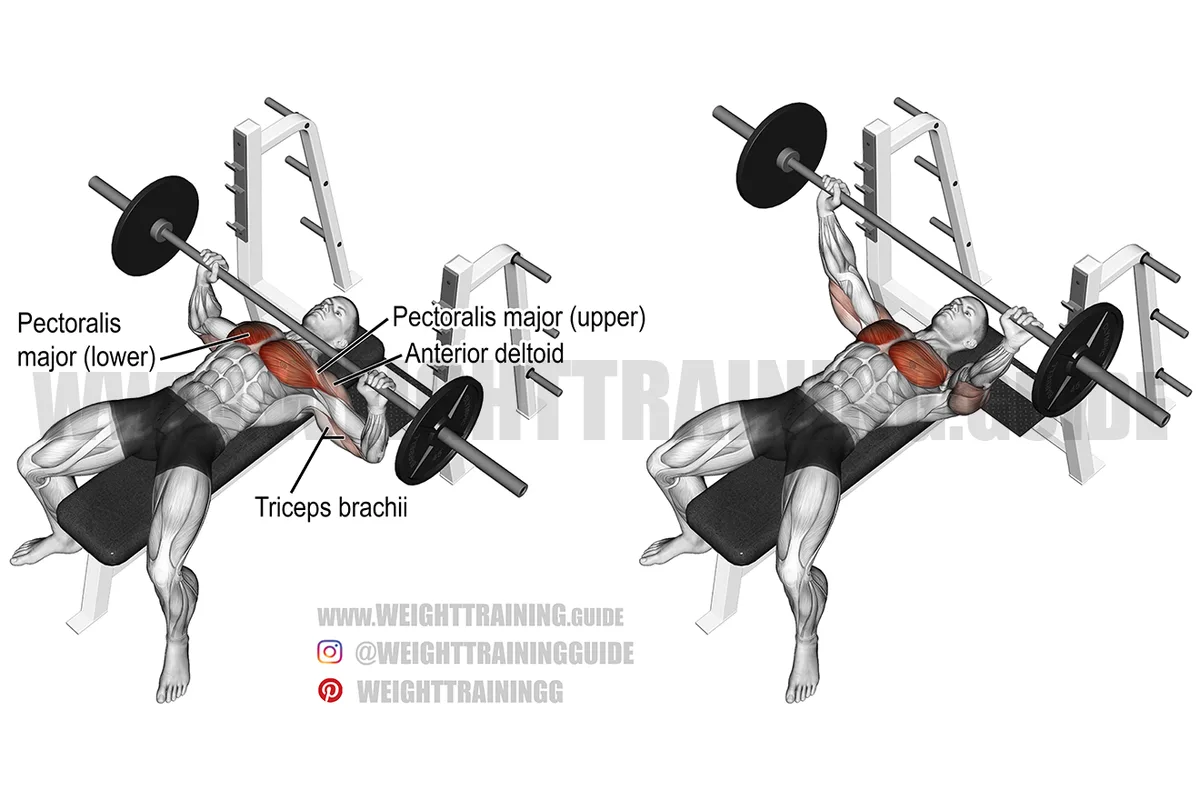
You can categorize these patterns into five main buckets. A balanced routine ensures you hit at least one exercise from each:
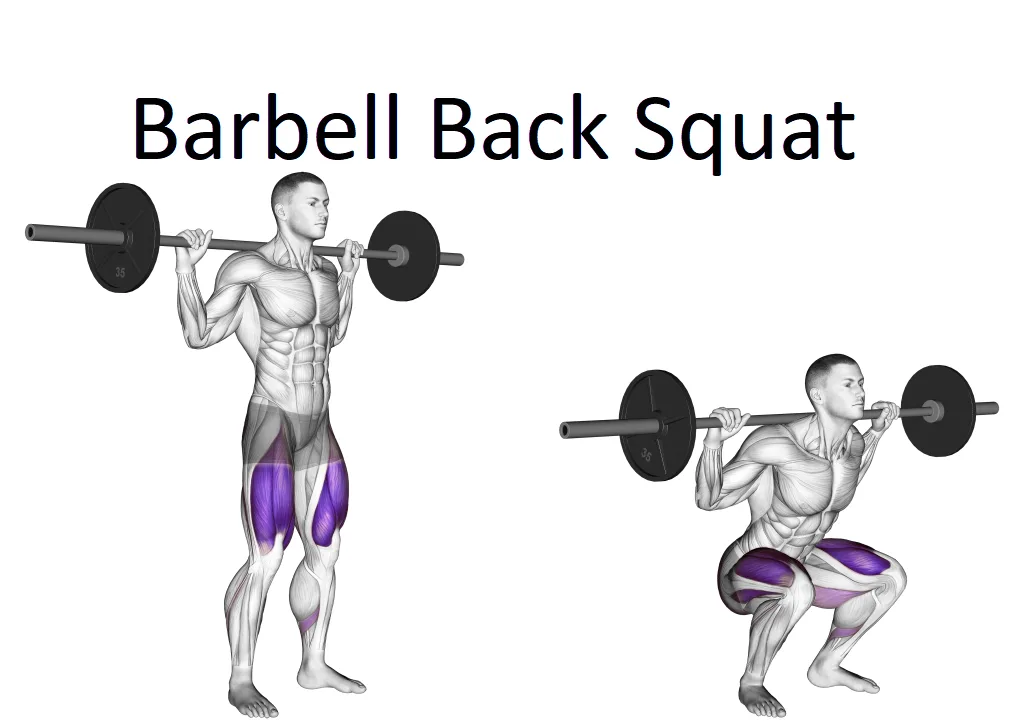
- Knee-Dominant: Exercises like squats or lunges that primarily challenge your quads and glutes.
- Hip-Hinge: Deadlifts or kettlebell swings that focus on your hamstrings, glutes, and lower back.
- Pushing: Movements like overhead presses or push-ups that target your chest, shoulders, and triceps.
- Pulling: Rows or lat pulldowns that strengthen your back and biceps.
- Core and Stability: Moves like planks or farmer's carries that link your upper and lower body.
If you are looking for the right gear to build muscle at home, focus on equipment that allows you to perform these five movements safely. The goal is to move weight through space, not to isolate individual muscles for aesthetic vanity. By sticking to these patterns, you’ll naturally improve your coordination and bone density over time.
Weighing the Efficiency of Full-Body Splits vs. Traditional Body-Part Splits
Many gym-goers grow up on the "Bro-Split," where they dedicate an entire day to one muscle. While that can work for competitive bodybuilders, it is often overkill for the average person. Full-body splits provide a higher frequency of stimulation without the excessive soreness that follows a single-muscle focus.
The primary difference lies in the recovery cycle. In a split routine, you might fry your chest muscles so hard you can't touch them for six days. In a full-body routine, you provide a moderate, potent stimulus.
You then allow your body 48 hours to recover before you go again. This is generally considered more sustainable for long-term health and consistency.
| Comparison Feature | Full-Body Workout | Body-Part Split |
|---|---|---|
| Frequency | 3 days per week | 1 muscle per session |
| Recovery | 48 hours | 5-7 days |
| Best For | General strength/Efficiency | Hypertrophy specialization |
| Complexity | Simple; easy to plan | High; requires scheduling |
If you are interested in setting up a budget-friendly home gym, full-body training is your best friend. You don't need a dozen machines to replicate a body-part split. You only need a few foundational pieces of iron to get a total-body result.
Essential Components of a Safe and Effective Full-Body Session
A great workout starts before you ever touch a weight. You must warm up properly to prime your nervous system and lubricate your joints. Even if you are in a rush, never skip the prep work.
A simple dynamic warm-up involving leg swings, arm circles, and light movement helps you stay injury-free.
Once you start lifting, focus on sequencing your exercises correctly. Start with the most demanding movements first, such as squats or deadlifts. These require the most energy and focus.
Move toward isolation exercises, like bicep curls or lateral raises, only after you have completed your heavy compound lifts.
When picking your gear, don't overlook the importance of selecting compact gym options if your space is limited. High-quality plates and a sturdy bar can replace an entire row of machines. Quality equipment ensures that you aren't fighting the gear during your sets, allowing you to keep your form clean and your mind on the muscle.
Managing Your Recovery: Why Rest is the Other Half of the Workout
If you don't recover, you aren't training, you're just wearing yourself down. Recovery is where the muscle repair and strength gains actually happen. Many people assume they need to be in the gym every single day to see progress, but that is a quick path to systemic fatigue.

Think of your recovery as an active part of your program. On your rest days, focus on low-impact movement like walking or light stretching. This keeps blood flowing to your muscles without adding extra stress to your nervous system.
Professional standards for resistance training emphasize that the nervous system often takes longer to recover than the actual muscle tissue.
- Sleep: Aim for 7 to 9 hours of quality sleep to maximize hormonal recovery.
- Nutrition: Ensure you are getting enough protein to provide the amino acids your body needs to rebuild.
- Hydration: Keep your fluid intake steady to support joint health and muscle function.
- Stress Management: High levels of chronic stress can blunt your body's ability to repair itself effectively.
If you find that your strength is plateauing or you feel exhausted, look at your rest habits first. It is often easier to improve your sleep than it is to add more weight to the bar. When you prioritize rest, you'll find that your strength sessions become much more productive, allowing you to train harder during your next visit to the gym.
Avoiding Common Pitfalls: How to Train Hard Without Getting Hurt
Most injuries occur because of ego, not because of the weights themselves. When you try to hit a new personal best on your third set, your form often starts to crumble. Technical failure is the moment your technique breaks down, not the moment you can no longer move the bar.
Learn to stop your set right before that point.
You should also watch out for junk volume. This refers to adding extra sets that don't actually trigger more growth. Because you are training your full body multiple times a week, you don't need to do 20 sets per muscle group.
Quality intensity beats massive volume every single time.
Finally, keep a close eye on your grip and joint health. If you feel sharp pain in your wrists or elbows, it is a sign your alignment is off. Always prioritize neutral joints during presses and pulls.
If you find your gear makes it hard to maintain a neutral position, consider checking if you need the right equipment for specific training styles to keep your joints protected.
Frequently Asked Questions About Full-Body Programming
Can I do full-body workouts every day?
You shouldn't train your entire body with heavy resistance every single day. Your muscles and nervous system require time to repair the micro-tears caused by heavy lifting. Aim for three sessions per week with at least one rest day between each.
This ensures you maintain intensity without hitting a wall of burnout.
How do I know if the weight is too heavy?
The weight is likely too heavy if you cannot maintain proper form for every rep. If you have to swing your body to get the bar moving, you aren't working the intended muscle. Always choose a weight that allows you to finish your target reps with complete control.
Speed should be intentional, not frantic or chaotic.
Should I do cardio on my lifting days?
You can combine cardio and lifting, but prioritize your strength work first. If you do an intense run before you squat, you will likely be too tired to maintain your lifting form. Aim to do your cardio after lifting or on your non-lifting days.
This helps you keep your intensity high when it matters most.
How long should a typical session last?
A productive session usually lasts between 45 and 75 minutes. This timeframe allows you to complete your warm-up and your compound lifts with adequate rest. If your workout regularly lasts longer than 90 minutes, you might be doing too many exercises.
Trim the fluff and focus on your core movements.
What if I miss a scheduled workout?
Don't stress if life gets in the way of a single session. Simply pick up your routine during your next planned gym visit. You don't need to double up or try to make up for lost time.
Consistency over months and years matters far more than a single missed workout.
Final Verdict: Is a Full-Body Approach Right for Your Goals?
Full-body programming remains the most logical choice for anyone who values efficiency and long-term consistency. It aligns with the way your body naturally recovers and functions. If you want to build a solid foundation of strength without turning your entire life into a gym schedule, this is your path.
This method works well for beginners and seasoned lifters alike. Beginners appreciate the frequent practice of new movements, while veterans enjoy the metabolic demand and flexibility. It is not about taking the easy way out.
It is about choosing a system that provides the highest possible return on your investment of time and energy.
If you are ready to get started, remember that your equipment choice plays a role in your long-term success. Whether you are browsing for an all-in-one kit for Olympic lifting or something geared more toward general power development, keep your focus on the movement. You don't need to change your entire lifestyle to see progress.
You just need to show up, work hard across your major movement patterns, and give yourself enough time to recover. Everything else will fall into place.