A lower body strength workout is a structured physical session designed to challenge the largest muscle groups in your legs and hips. By using resistance to move your body through specific ranges of motion, you stimulate muscle growth and improve functional stability for everyday tasks.
Most health organizations, such as the American College of Sports Medicine, recommend incorporating at least two days of resistance training into your weekly schedule as of 2026. Prioritizing these foundational movements ensures you maintain bone density and joint health as you age.
Today's Exclusive Deals
Limited-time Exclusive Deals. Check current discount on Amazon.
Check Price on Amazon As an Amazon Associate I earn from qualifying purchases.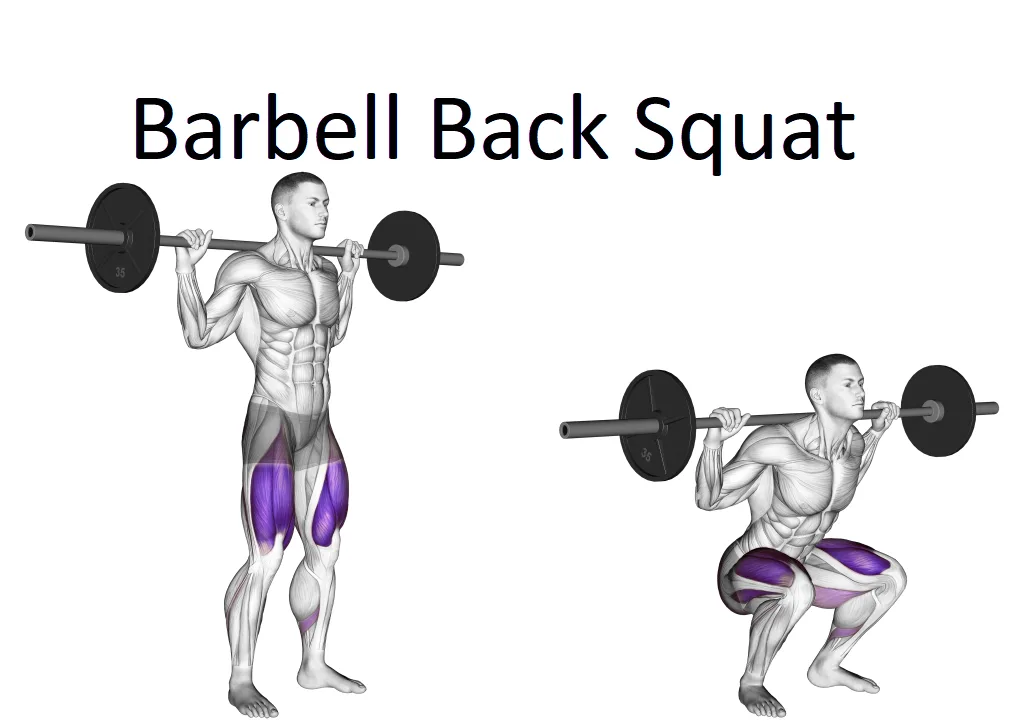
Quick Answer
A lower body strength workout builds muscle in your legs and hips. It uses resistance to move joints through their full natural range. Squats and lunges are common movements in these sessions.
Consistent training improves your balance, metabolism, and daily movement quality.
Why Lower Body Strength is the Foundation of Your Health
Your legs serve as the primary engine for almost every physical task you perform. When you walk, climb stairs, or lift heavy items, your quadriceps, hamstrings, and glutes do the heavy lifting. Weakness here forces your lower back and knees to compensate, often leading to unnecessary strain.
Building strength in these areas provides a metabolic advantage that upper body training simply cannot match. Because your leg muscles occupy such a significant portion of your total body mass, training them effectively increases your resting energy expenditure. This makes them a critical component for anyone aiming to optimize their physical performance.
Strengthening your lower body also improves structural alignment. By developing balanced muscle support around your joints, you reduce the risk of common overuse injuries. Reliable home gear can help you get started without needing a gym membership.
Building a solid base ensures you stay mobile and independent throughout your life.
Understanding the Core Mechanics of Leg Development
Effective lower body training relies on movement patterns rather than just specific exercises. You want to focus on how your joints interact under a load. The primary patterns are knee-dominant and hip-dominant movements, which collectively engage every major muscle fiber in your lower body.
Knee-dominant movements, such as the squat, place the load primarily on your quadriceps and glutes. These movements mimic the mechanics of sitting down and standing up, which is a vital skill for longevity. If you are shopping for versatile starter equipment, ensure the kit allows for a full, deep squat.
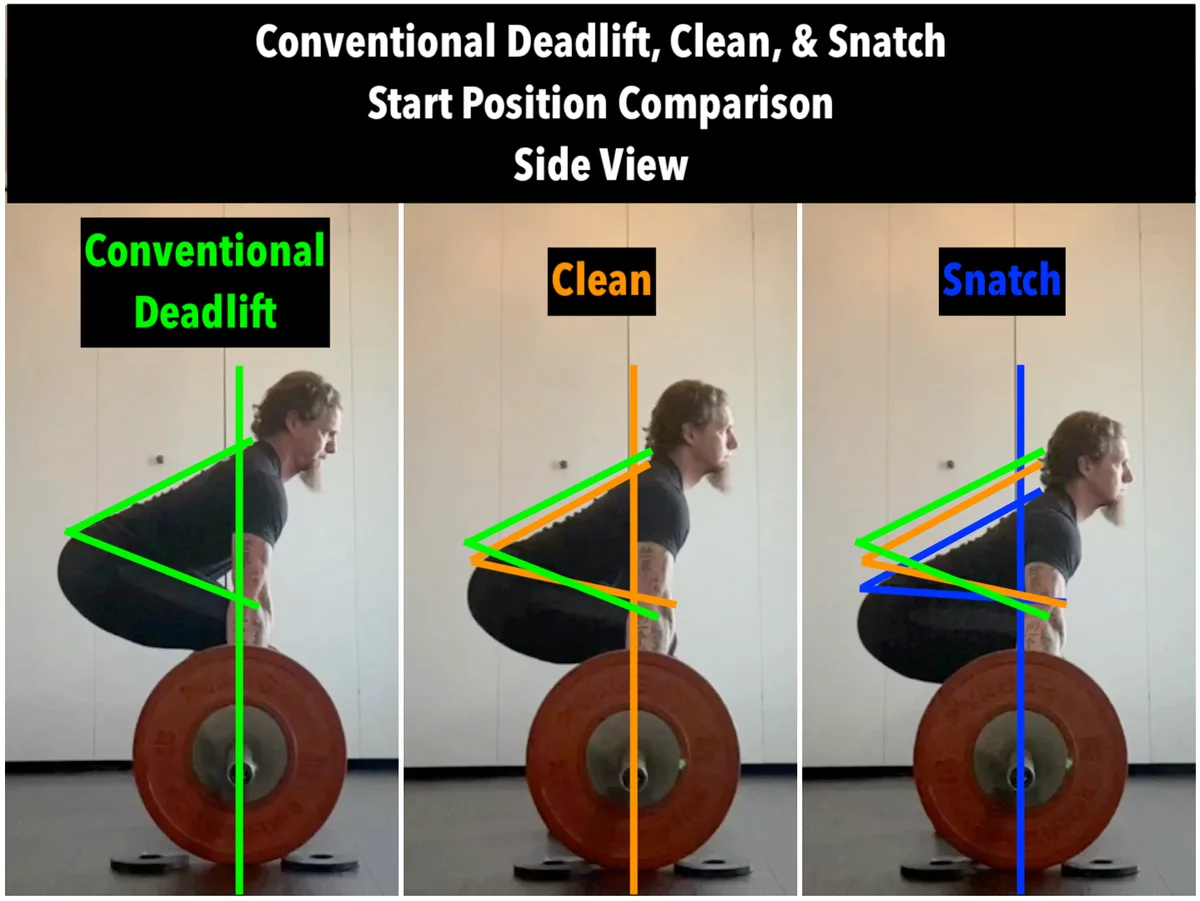
Hip-dominant movements, like the deadlift, shift the focus to your posterior chain. This includes the hamstrings and lower back muscles. Maintaining a neutral spine is the most important technical requirement here.
Using high-quality iron plates can make a significant difference in how you experience these heavy, foundational lifts.
The Essential Movements for Building Real-World Strength
You should build your program around multi-joint compound exercises that recruit the maximum number of muscle fibers. These movements provide the most benefit by engaging stabilizers alongside primary movers.
- Goblet Squats: Hold a weight against your chest to keep your torso upright and reinforce proper squat depth.
- Reverse Lunges: Step backward to challenge your balance while putting less shear stress on your knees than forward lunges.
- Romanian Deadlifts: Focus on the hip hinge to isolate your hamstrings and improve your lower back resilience.
- Glute Bridges: Isolate the gluteal muscles by driving your hips upward while lying on your back.
Incorporating reliable equipment for heavy lifting allows you to load these patterns effectively. Start with bodyweight versions to master the form before adding external resistance. This preparation phase is vital for long-term progress.
Establishing Your Routine: The Progressive Overload Framework
Progressive overload is the strategy of gradually increasing the difficulty of your training over time. Your muscles only adapt when they are forced to handle more than they are accustomed to. If you keep doing the same thing every week, your body will stop changing.
You can achieve overload through several variables beyond just adding weight to the bar. Try increasing the number of repetitions or shortening your rest periods between sets. Slowing down the lowering phase, known as the eccentric part of the lift, is another excellent way to build intensity.
If you are setting up a space, durable gear for intense sessions helps you measure your progress consistently. Record your lifts in a notebook or app to track your gains. Small, incremental jumps every two weeks add up to significant strength over the course of a year.
Avoiding Common Form Errors and Safety Risks
Form errors are the most frequent cause of training setbacks. When your technique breaks down, you lose the target muscle activation and shift stress onto vulnerable joints. Never sacrifice your movement quality to lift a heavier weight.
One common mistake is knee valgus, where your knees collapse inward during a squat. Focus on pushing your knees outward in line with your toes to keep your joints healthy. Keep your spine neutral throughout the movement by bracing your core, which protects your lower back during heavy sets.
If you struggle with balance, use a support or stick to double-leg variations until your stability improves. Always stop a set before your form begins to fail. Following these safety tips for novices ensures you build strength without picking up nagging aches or pains.
Listen to your body and prioritize controlled movement over ego lifting.
Expert Strategies for Long-Term Joint Health and Performance
You can protect your joints by emphasizing the control of your movement over the total amount of weight lifted. Tension is the key metric here, not the number on the plate. By slowing down the eccentric phase, you place more demand on your muscle fibers while keeping joint impact manageable.
Warm-ups are non-negotiable if you want to keep your knees and hips moving smoothly for years. Spend five minutes increasing your body temperature before touching a weight. Dynamic movements like leg swings and cat-cow stretches prepare your connective tissues for the loads they are about to experience.
Periodization is another essential tool for long-term progress. Instead of trying to hit a personal record every single session, vary your intensity. Use one week for higher volume and lighter weight, followed by a week of lower volume and heavier weight.
This prevents the cumulative fatigue that often leads to training-related injuries.
If you notice persistent joint pain, stop the exercise immediately. Check your foot placement and stance width, as minor adjustments can completely change how a movement feels in your joints. Seeking advice from a certified trainer can help you identify subtle technical flaws before they become chronic issues.
Frequently Asked Questions About Leg Training
How often should I train my legs?
Most experts recommend training your legs two to three times per week. This frequency allows for enough stimulus to build strength while providing adequate recovery time for muscle tissue. If you feel excessive soreness that lasts more than three days, consider reducing the volume of your next session.
Can I get strong legs without heavy weights?
Yes, you can build significant strength using bodyweight exercises or resistance bands. Exercises like Bulgarian split squats, pistol squats, and glute bridges provide high levels of mechanical tension without the need for a rack. You simply need to focus on increasing your rep counts or slowing your tempo.
Is it normal for my knees to make noise during squats?
Joint sounds like popping or clicking are common and are often harmless if they occur without pain. If you experience sharp, persistent discomfort during or after your sets, consult a medical professional. Noise alone is rarely a reason to stop, but pain is always a clear signal to adjust your technique.
How do I know if I am making progress?
Keep a simple log of your workouts to track your performance over time. You are making progress if you can lift more weight, perform more reps, or finish your sets with better form than the previous week. Consistency in tracking these small gains is the most reliable way to ensure you are actually getting stronger.
Should I wear specific shoes for leg training?
Flat, stable footwear is generally better than running shoes for leg exercises. Running shoes often have thick, cushioned heels that can make you feel unstable when you are squatting or lunging. A firm, flat sole helps you maintain better contact with the floor and improves your overall balance under a load.