Learning how to train all major muscle groups is simpler than most fitness marketing suggests. You don't need a dozen machines or an endless list of niche exercises to build a functional, strong physique.
By focusing on five primary movement patterns, you can effectively hit every large muscle group in just three sessions per week. Per guidelines from the American College of Sports Medicine, a consistent routine built on these fundamentals creates the necessary mechanical tension for growth and health as of 2026.

Today's Exclusive Deals
Limited-time Exclusive Deals. Check current discount on Amazon.
Check Price on Amazon As an Amazon Associate I earn from qualifying purchases.Quick Answer
To train all major muscle groups, focus on five foundational movement patterns. Include squatting, hinging, pushing, pulling, and carrying motions in your weekly routine. Perform compound lifts to target multiple muscle groups at the same time.
Aim for three full-body sessions per week for optimal results. Prioritize consistent form over lifting the heaviest weight possible.

Image source: Web (Bing) / coachweb.com (Web image (fair-use with source credit))
Stop Isolating: The Case for Compound Movements
Many beginners waste time on isolation exercises that target only one muscle at a time. While these movements have a place, they shouldn't be the core of your training. Compound movements involve multiple joints and muscle groups working in harmony to move a load.
When you perform a squat, your quads, glutes, and core engage simultaneously. This approach allows you to move more weight and trigger a greater hormonal response for building muscle. It is the most efficient way to build a foundation for high-performance strength training.
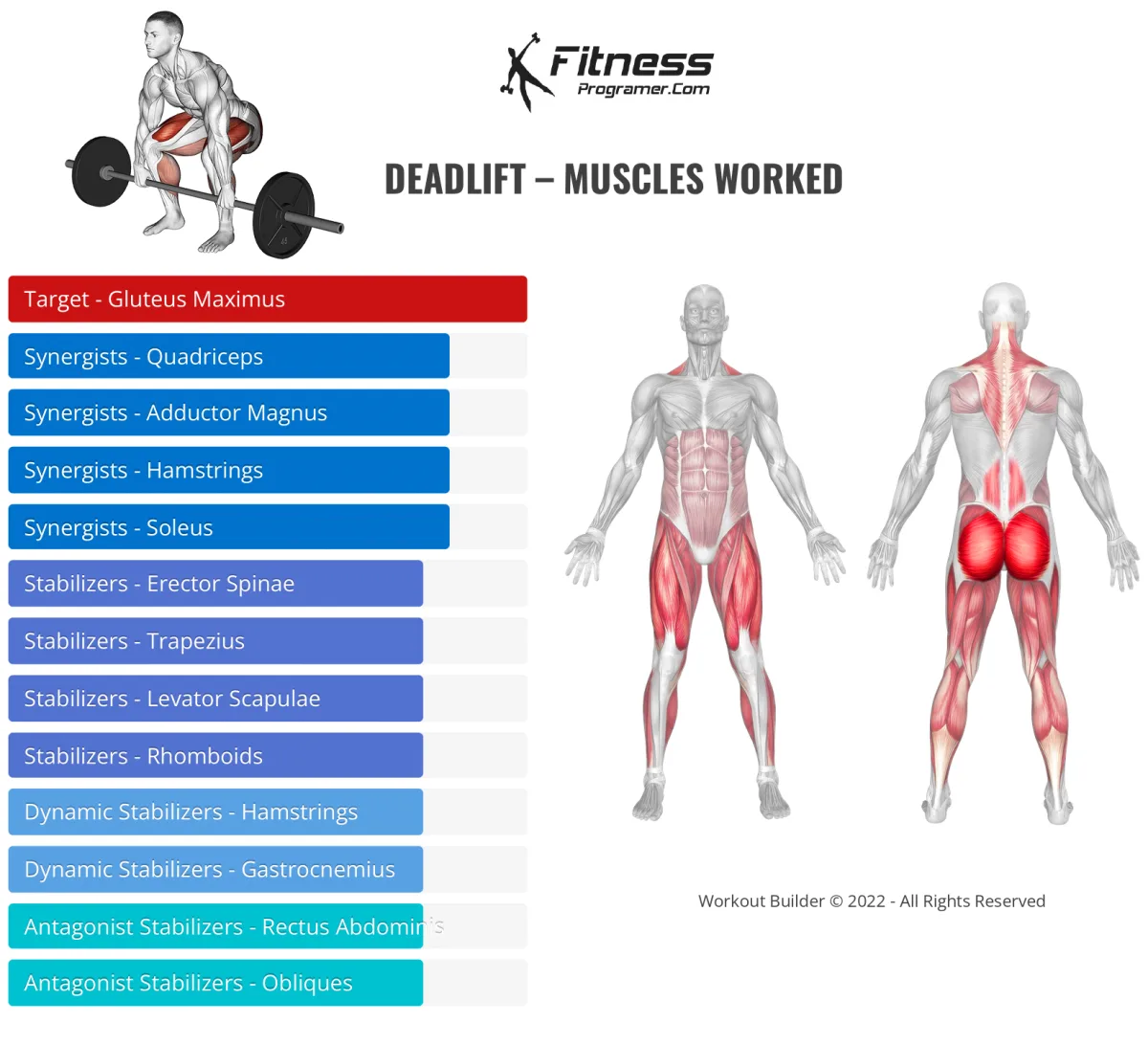
Image source: Web (Bing) / ar.inspiredpencil.com (Web image (fair-use with source credit))
Instead of hitting chest day or arm day, think about push day or pull day. By grouping muscles based on how they function, you reduce the time you spend in the gym while increasing your total work capacity. This prevents the common trap of neglecting secondary muscle groups.
If you are looking for a reliable starter kit, ensure it can handle these heavy, multi-joint lifts.
The Anatomy of a Full-Body Program
A balanced program follows a predictable architecture. You want to start with the most demanding movements and move toward smaller muscle groups as your energy fades. Always structure your workout from the most complex to the least complex.
| Movement Pattern | Primary Muscle Groups | Example Exercise |
|---|---|---|
| Knee-Dominant | Quads, Glutes | Barbell Squat |
| Hip-Dominant | Hamstrings, Back | Deadlift |
| Pushing | Chest, Shoulders, Triceps | Overhead Press |
| Pulling | Back, Biceps | Barbell Row |
| Core/Stability | Abs, Obliques, Spine | Farmer's Carry |
Choosing the right equipment for full-body workouts makes this process seamless. You don't need a room full of gear, just a stable rack and a barbell. Focus on performing 3 to 4 sets per exercise for 6 to 12 repetitions to maximize both strength and hypertrophy.
Designing Your Weekly Training Flow
Your schedule should prioritize recovery just as much as the lifting itself. Training every single day rarely leads to better results because your muscles need time to repair the micro-tears created during your sessions. A three-day-per-week, full-body split is the gold standard for most people.
- Monday: Full-body session focusing on heavy compound movements.
- Tuesday: Rest or active recovery like walking.
- Wednesday: Full-body session with slightly different exercise variations.
- Thursday: Rest or active recovery.
- Friday: Full-body session focusing on controlled, steady effort.
- Weekend: Rest and mobility work.
This structure gives your body exactly 48 hours of recovery between intensity bouts. If you are tight on space, picking a compact, high-quality gear set helps you maintain this schedule at home. Consistency is the secret ingredient, so choose a rhythm you can actually maintain.
Essential Safety Protocols for Compound Lifts
Safety isn't just about avoiding pain; it's about maintaining mechanical efficiency. Your spine should remain neutral throughout every lift. If your back rounds during a deadlift, stop immediately and reduce the weight until your form is perfect.
Before touching a heavy barbell, spend five to ten minutes on dynamic mobility work. Swing your arms, stretch your hips, and perform bodyweight versions of your lifts. Using durable equipment for muscle building ensures the gear won't fail while you are under load.
Never use momentum to lift the weight. The eccentric phase, or the lowering portion of the lift, is just as important as the upward movement. Control the weight on the way down to build stability and prevent injury.
If you feel sharp pain in a joint, stop. Muscle burn is normal, but joint pain is a sign that you need to adjust your movement.
Mastering Progressive Overload and Recovery
Progressive overload is the fundamental principle that forces your muscles to adapt. It simply means gradually increasing the difficulty of your workouts over time. If you lift the same weight for the same number of reps every single week, your body has no reason to change.
Image source: Web (Bing) / dingzhouyunlingyu.en.made-in-china.com (Web image (fair-use with source credit))
You can achieve this in several ways beyond just adding weight to the bar. You might increase the number of repetitions, shorten your rest periods, or improve your control throughout each movement. Keep a simple training log to track these variables.
When you can hit the upper end of your target rep range with perfect form, it is time to increase the load by the smallest increment available.
Recovery is the other half of this equation. Your body repairs the microscopic damage caused by lifting only when you are resting, eating, and sleeping. Aim for 7 to 9 hours of quality sleep, as it is the most potent recovery tool you have.
If you find your performance stalling, consider a deload week where you lift half your usual volume. This allows your nervous system to fully recover so you can return to the gym stronger than before.
Common Mistakes That Stunt Muscle Growth
The most frequent error is ego lifting. This happens when you prioritize the number on the plates over the quality of your movement. If your form breaks down to complete a repetition, you aren't training the target muscle anymore; you are likely putting stress on your joints instead.
Use the right tools for budget-conscious home training to ensure your setup allows for safe, controlled movement.
Another common pitfall is inconsistency. Skipping sessions or constantly changing your exercises prevents your body from mastering the required movement patterns. Stick to your core lifts for at least 8 to 12 weeks before rotating variations.
Finally, do not neglect your nutrition. Muscle tissue requires protein to repair and grow. While you don't need to overcomplicate your diet, ensure you are eating enough to support your training volume.
Tracking your progress through simple markers like strength gains is far more reliable than chasing short-term visual changes.
Addressing Stagnation and Workout Plateaus
You reach a plateau when your current routine no longer triggers a physical adaptation. This happens to everyone, regardless of experience, and it is usually a signal to change your training variables. Start by looking at your volume and intensity rather than switching exercises entirely.
If you have been doing three sets of ten repetitions, try moving to five sets of five with a slightly heavier weight. This simple shift in the balance of intensity and volume can spark new progress. Additionally, check your rest periods: if you are scrolling on your phone between sets, your heart rate might drop too far.
Keeping rest periods consistent, around two to three minutes for heavy compound lifts, ensures you have enough energy to maintain form during each set.
Sometimes, the best way to move past a wall is to prioritize the precise tools needed for Olympic lifting. Mastering more complex movements can improve your overall coordination and neural drive, which carries over to your standard squat or deadlift performance. If you feel like your strength has stalled, a week of lower intensity can allow your central nervous system to reset.
Do not rush back into heavy loads immediately after a break.
Identifying When to Seek Professional Guidance
You should seek professional help if you experience sharp pain that persists throughout the day. While muscle soreness is a standard part of training, joint or connective tissue pain is a clear warning sign. If you cannot pinpoint the cause of your discomfort, stop the offending exercise until you can evaluate your technique.
Consider working with a qualified trainer to review your form, especially if you are new to complex barbell movements. They can provide an external perspective on your movement patterns that you simply cannot see on your own. A trainer can also help you understand the best gear for powerlifting sessions to ensure you are setting up your home environment for long-term success.
If you have underlying health conditions or a history of injury, always consult a medical professional before starting a new program. Following guidelines from the National Strength and Conditioning Association can help you create a plan that aligns with safe, evidence-based practices. Remember that training is a long-term investment in your physical longevity.
You are better off taking a few extra days to recover than pushing through an injury that sets you back for months.
Frequently Asked Questions
How long does a full-body workout session usually take?
A well-structured full-body workout typically takes 45 to 60 minutes. This includes your warm-up, your primary compound lifts, and any necessary accessory work. If you find your sessions running longer than an hour, you are likely taking too much rest between sets or doing too many total exercises.
Can I train every day if I keep the intensity low?
Training every day is generally unnecessary for muscle growth and can interfere with recovery. Muscles need time to repair tissue after mechanical stress. Three to four days of high-quality, focused training per week will yield better results for most people than seven days of low-intensity movement.
What should I do if I cannot perform a full pull-up?
If you are unable to perform a standard pull-up, start with variations that allow you to build the necessary strength safely. Use resistance bands for assistance or perform negatives where you jump to the top of the bar and lower yourself as slowly as possible. These variations recruit the same muscles and prepare you for the full movement.
Do I need to track my macros to see results?
You do not need to track every gram of food to build muscle, but protein intake is critical. Aim to include a consistent source of protein in your meals throughout the day to support muscle repair. Focus on whole foods and consistent eating habits rather than obsessing over strict macronutrient percentages.
When should I increase the weight I am lifting?
Increase your weight only when you can complete all sets and repetitions in your plan with perfect form. If your target is three sets of ten reps, you should move to a slightly heavier weight only after you can complete those three sets of ten with total control. Never sacrifice your form to add more weight.