
If you are pushing hard in the weight room but feel like you are hitting a plateau, you might be overlooking your most potent recovery tool. Understanding how sleep affects strength training is the missing piece for athletes looking to break through stagnant numbers and finally see real progress.
We know that muscle tissue repairs itself during periods of rest rather than during the session itself. As of 2026, research from the National Heart, Lung, and Blood Institute highlights that sleep duration directly influences metabolic health and physical repair. When you sleep, your body initiates the critical processes needed to turn your hard gym work into tangible strength gains.

Today's Exclusive Deals
Limited-time Exclusive Deals. Check current discount on Amazon.
Check Price on Amazon As an Amazon Associate I earn from qualifying purchases.Quick Answer
Sleep is the primary window for muscle repair and hormone regulation. It maximizes strength output by recharging your central nervous system. Consistent rest prevents cortisol spikes that trigger muscle breakdown.
Poor sleep quality directly reduces your physical lifting capacity. You must prioritize sleep to maintain your training intensity.
The Physiological Cost of Ignoring Sleep in Your Training
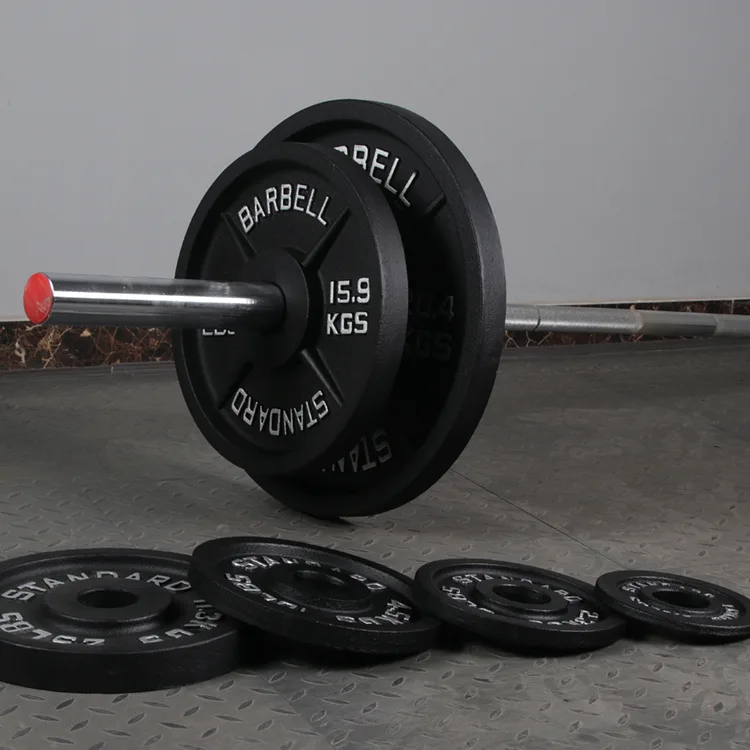
Image source: Bing (Web (fair-use with source credit))
Ignoring your sleep needs is a fast track to diminishing returns. When you consistently cut your rest short, you force your body to operate in a state of high inflammation and stress. Your performance suffers because your muscles never receive the full cycle of repair they require to overcome the micro-trauma of lifting.
Think of your body as an engine that requires a cooldown period after a heavy load. If you refuse to turn the engine off, the heat buildup eventually causes mechanical failure. In your training, this manifests as increased fatigue, poor focus, and a higher risk of injury when picking out the best gear for a total body session.
Without enough downtime, your body remains in a catabolic state. This means your hormones shift toward breaking down tissue to fuel daily activity instead of building it up. Even if you use the most effective equipment for building mass, you will struggle to see changes if your recovery clock is consistently disrupted.
Why Your Muscles Actually Grow While You Sleep
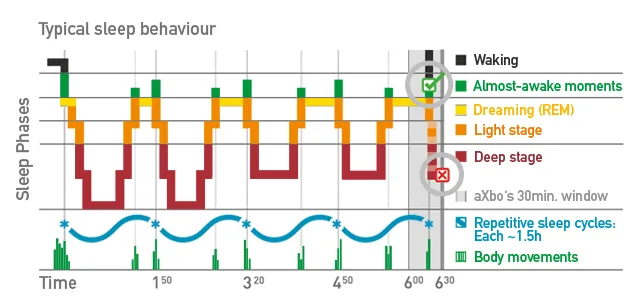
Image source: Bing (Web (fair-use with source credit))
Growth doesn't happen when you are moving the barbell. It happens when you are in the deepest stages of sleep, where your body performs its heaviest lifting in terms of cellular repair. During slow-wave sleep, your pituitary gland releases the bulk of your daily Human Growth Hormone (HGH) supply.
This hormonal surge is the catalyst for protein synthesis. Your body uses this time to synthesize new proteins, effectively patching up the micro-tears created by your resistance training. If you force yourself to wake up before your body completes these cycles, you effectively cut the repair process short.
You don't need a massive, expensive home setup to see results, but you do need enough time to let this cycle finish. Whether you are using a compact home gym solution or a fully outfitted garage, the biological need for growth remains identical. Think of sleep as a mandatory recovery phase that serves as the foundation for your next session.
The Direct Link Between Sleep Quality and Strength Output
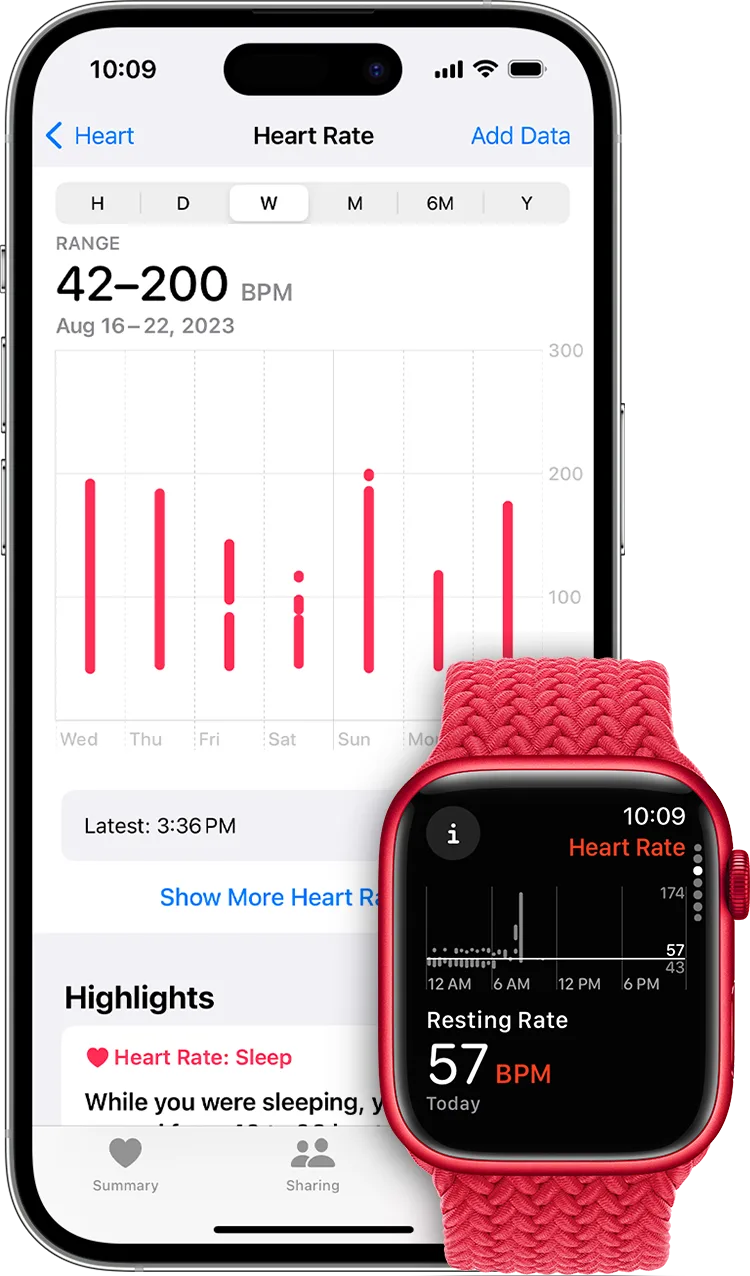
Image source: Web (Bing) / support.apple.com (Web image (fair-use with source credit))
Your Central Nervous System (CNS) acts as the bridge between your brain and your muscle fibers. High-quality sleep ensures that your CNS is primed to fire efficiently, allowing you to recruit more motor units during a heavy set. When you are sleep-deprived, the connection feels blunt, and your maximum strength output drops significantly.
Monitoring your internal recovery markers, such as Heart Rate Variability (HRV), can give you a real-world look at how well your system is handling training stress. A lower HRV often signals that your nervous system is still under pressure from the previous day's lifting. This is a clear indicator that you should focus on rest rather than pushing for a new personal record.
When you fail to get adequate rest, your coordination and focus also degrade. This increases the danger of poor form, which is a major concern when handling heavy Olympic lifting kits. You want your brain to be sharp when you are under the bar.
Sleep is the only way to ensure your neurological readiness matches your physical ambition.
How Hormonal Balance and CNS Recovery Depend on Rest
Hormones are the chemical messengers that tell your body whether to store energy as fat or use it to build muscle. Chronic sleep deprivation spikes cortisol, which is a primary stress hormone. High cortisol levels act as a direct opponent to testosterone, creating an environment where it is physically harder to sustain muscle growth.
You can think of your hormonal balance as an internal scale. When you get enough sleep, testosterone levels are optimized, and your body can focus on muscle protein synthesis. When you skip rest, the scale tips in favor of cortisol, which leads to muscle wasting and increased body fat storage.
This balance is non-negotiable for anyone serious about performance. Whether you prefer budget-friendly setups or elite-level steel, your biochemistry does not change. Your body needs that restorative window to reset the scale.
If you are struggling with recovery, look at your sleep environment before you look for a new supplement or piece of equipment.
Common Sleep Mistakes That Are Sabotaging Your Gains
The most common error is assuming that time in bed equals time asleep. Many lifters spend hours in bed but ruin their sleep architecture with poor habits. The most frequent culprit is blue light exposure from smartphones, which suppresses the melatonin your brain needs to initiate deep sleep.
Caffeine timing is another major issue. Even if you don't feel wired, caffeine has a long half-life that keeps your nervous system in an elevated state of alertness. Drinking pre-workout formulas late in the day often prevents you from entering the deep, slow-wave sleep stages required for physical recovery.
Finally, keep an eye on your room temperature. Your body needs to drop its core temperature to sustain high-quality sleep. If your room is too warm, you will experience more frequent wake-ups, which disrupts the natural flow of your sleep cycles.
Small adjustments, like keeping your room dark and cool, often yield the biggest improvements in your morning strength levels.
The Proven Blueprint for Optimizing Recovery and Performance
Consistency is the secret weapon of the strongest athletes. If you treat sleep like a negotiable variable, your performance will inevitably fluctuate. A structured routine is your best defense against the natural stressors of a heavy lifting schedule.
Follow this recovery framework to protect your gains:
- Establish a strict wake time: Even on rest days, waking up at the same hour helps stabilize your circadian rhythm.
- Implement a pre-sleep buffer: Dedicate the final 30 minutes before bed to screen-free activities, such as reading or light stretching.
- Optimize your intake: Avoid heavy meals or stimulants late in the evening. A small amount of slow-digesting protein before bed can support muscle maintenance throughout the night.
- Track your trends: Use a wearable or a simple journal to note your energy levels alongside your sleep duration.
If you are currently struggling with recovery, try adjusting your environment first. A cool, pitch-black room can be the difference between light, interrupted sleep and the deep, restorative phases needed for genuine adaptation. Focus on these variables for two weeks before making major changes to your training volume or intensity.
Frequently Asked Questions About Sleep and Lifting
How many hours of sleep do lifters really need?
Most research suggests that athletes require 7 to 9 hours of sleep to ensure full physiological recovery. If you are training at high intensities, you may find that you need to stay on the higher end of that range. Consistently hitting this target allows for complete hormone optimization and CNS restoration.
Can I nap to make up for lost sleep?
Napping is a helpful tool for bridging a temporary energy gap, but it cannot replace the cycles of deep sleep you get at night. A 20-minute power nap can improve alertness and mood, but it won't trigger the same level of growth hormone release as a full night of rest. Use naps for supplemental energy rather than as a primary recovery strategy.
Does sleep quality matter more than duration?
Both are equally vital for peak physical performance. You could spend 10 hours in bed, but if your sleep is fragmented by noise, light, or stress, your body will never reach the restorative stages. Aim for a balance where you achieve 7 to 9 hours of uninterrupted, high-quality sleep every single night.
What should I do if I have trouble falling asleep?
If you struggle to drift off, look at your pre-sleep habits first. Remove electronics, ensure your room is cool, and establish a consistent routine that signals to your body that the day is over. If these changes don't help, consult a healthcare provider to rule out sleep-related conditions, such as apnea or chronic insomnia.
Should I change my training if I didn't sleep well?
If you had a poor night of sleep, adjust your training intensity downward. Trying to hit a personal best while your nervous system is compromised increases your risk of injury significantly. Treat the session as a maintenance day, focus on lighter weights or better form, and prioritize getting to bed early that same night.

