
Learning how to build a strength training routine is the best way to improve your bone density and metabolic health. You don't need fancy equipment to see results, but you do need a consistent, logical approach.
Most successful lifters rely on simple movement patterns and steady effort over time. As of 2026, the World Health Organization recommends that adults engage in muscle-strengthening activities at least two days each week.

Today's Exclusive Deals
Limited-time Exclusive Deals. Check current discount on Amazon.
Check Price on Amazon As an Amazon Associate I earn from qualifying purchases.Quick Answer
A strength training routine focuses on key movement patterns. You should train major muscle groups twice weekly. Use progressive overload to increase your performance.
Rest days are required for tissue repair and growth.
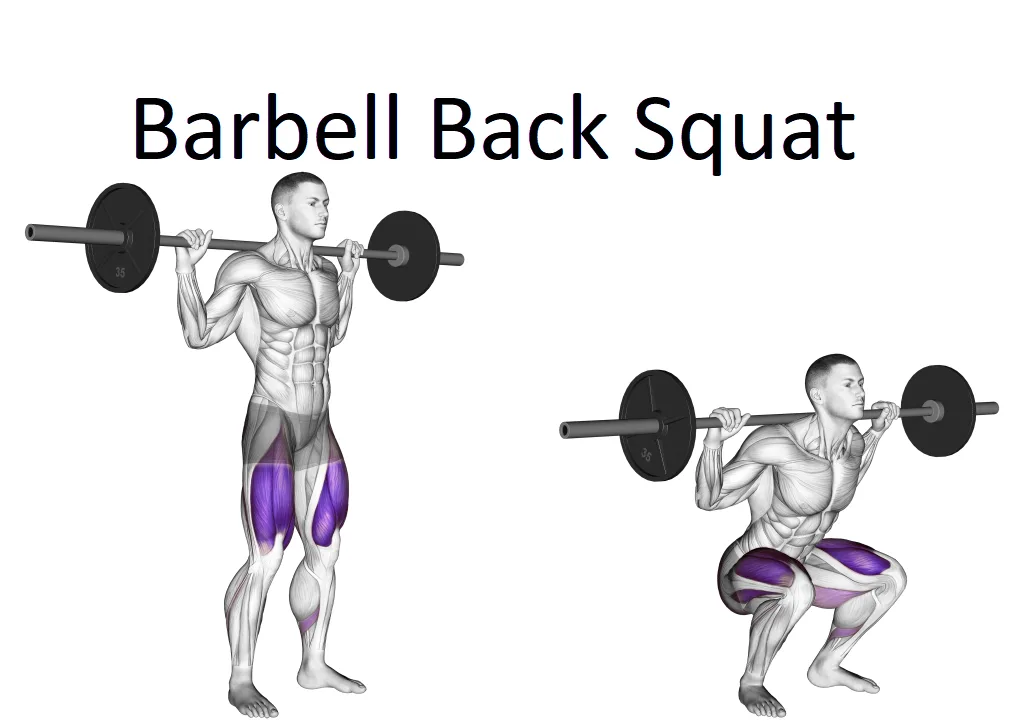
Image source: Web (Bing) / fr.pinterest.com (Web image (fair-use with source credit))
Why Getting Strength Training Right Matters for Your Long-Term Health
Strength training does more than build muscle mass. It increases your basal metabolic rate, meaning your body burns more energy even at rest. Research in the Journal of Applied Physiology confirms that regular resistance exercise improves insulin sensitivity and functional independence as you age.
Many people skip this because they fear injury or intimidation. The reality is that starting with reliable gear for novices reduces the risk of improper form. Building a solid foundation early prevents long-term joint strain.
You'll gain confidence and structural stability that carries over into your daily tasks.
Focusing on quality movement keeps your joints healthy and your training sustainable. You aren't just lifting to look better. You are training your nervous system to coordinate force efficiently.
The Core Pillars of a Sustainable Strength Routine
You need to hit four primary movement patterns to ensure a balanced physique. Think of these as the building blocks for every workout you'll ever perform. You don't need a dozen exercises to hit these goals.
- Push: Pressing weight away from your body, like overhead presses or push-ups.
- Pull: Drawing weight toward your body, such as rows or lat pulldowns.
- Hinge/Squat: Moving at the hips and knees, like deadlifts or bodyweight squats.
- Carry/Brace: Keeping your torso stable, like planks or loaded carries.
If you choose quality equipment for total body work to practice these patterns, you’ll hit every major muscle group. Simplicity allows you to master your technique faster. Aim for exercises that feel natural and allow for a full range of motion.
Choosing Your Training Frequency and Split
Your frequency depends entirely on your schedule and recovery capacity. A full-body routine is the gold standard for most people, especially if you can only train two or three times a week. This allows you to hit every muscle group frequently without needing a specialized gym setup.
| Frequency | Best For | Recovery Time |
|---|---|---|
| 2 Days/Week | Beginners | 48-72 Hours |
| 3 Days/Week | Intermediate | 48 Hours |
| 4+ Days/Week | Advanced | 24-48 Hours |
If you have limited space, look for compact options that save room while providing plenty of resistance. Beginners often benefit from a full-body approach to build neural patterns. As you advance, you might eventually split your work into upper and lower body days.
Consistency matters more than the specific split you choose.
Mapping Out Your Session: The Science of Effective Programming
Always begin with a warm-up to prepare your nervous system for the work ahead. A few minutes of light movement, like brisk walking or bodyweight lunges, increases blood flow to your joints. You don't need a complex routine to start, but you do need to organize your exercises strategically.
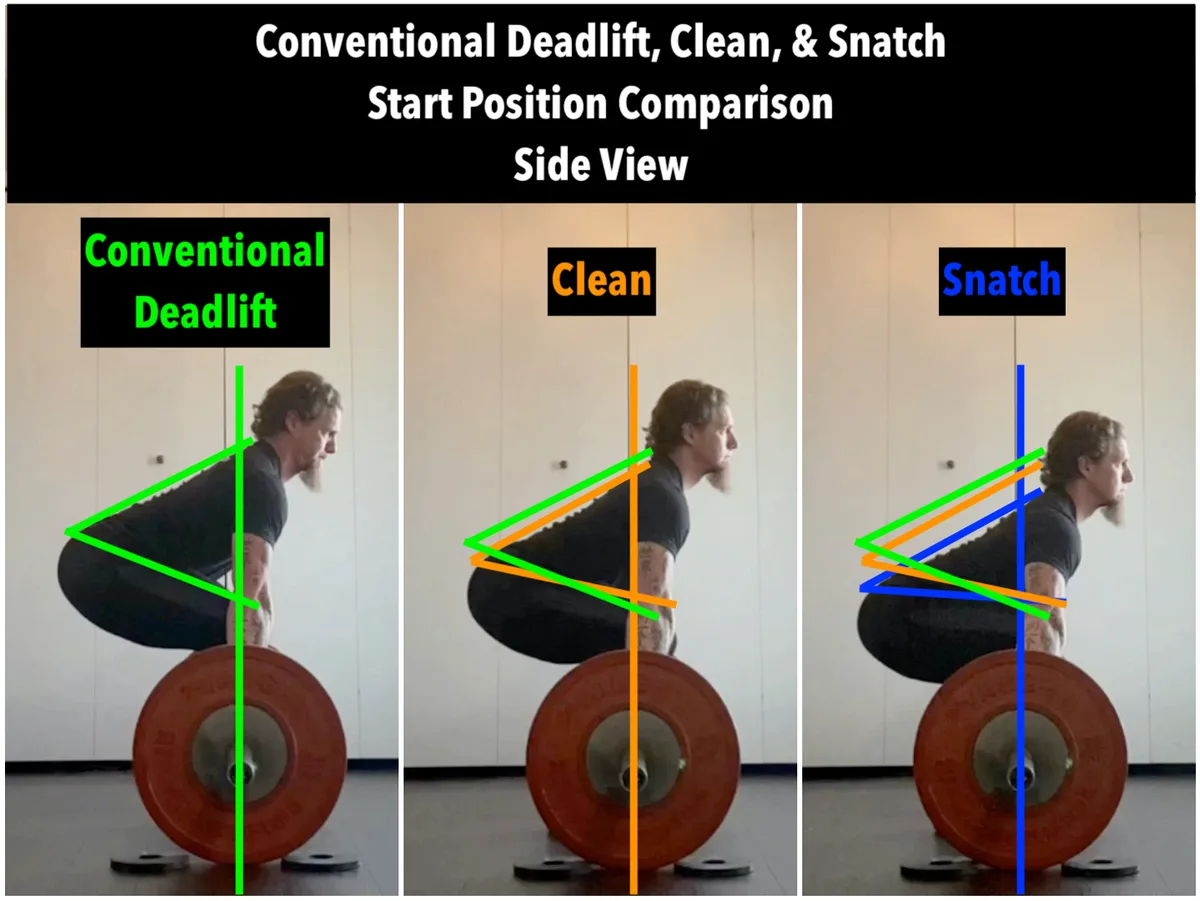
Image source: Web (Bing) / ar.pinterest.com (Web image (fair-use with source credit))
Prioritize your "Big Lifts" at the start of your session when your energy levels are highest. These compound movements require the most focus and stabilization. If you're building a reliable foundation for home workouts, start with the main lifts before moving to smaller accessory work.
Accessory exercises, like curls or lateral raises, come last. These focus on smaller muscle groups or specific areas you want to highlight. Keep your rest periods between one and three minutes for compound lifts.
This allows your central nervous system to recover so you can maintain intensity.
Essential Safety Principles and Avoiding Common Training Pitfalls
Safety starts with managing the load you use. Never sacrifice your form to hit a heavier number. If you find yourself struggling to maintain a neutral spine, decrease the weight immediately.
Using expert-recommended strength tools often helps you gauge your limits more accurately.
- Valsalva Maneuver: Learn to brace your core by taking a deep breath and tightening your abs before moving.
- Joint Alignment: Keep your joints in a natural, stable path during every repetition.
- Spotting: If you are pushing your limits, always use a spotter or safety bars.
Overtraining is another common error. You don't build muscle while lifting; you build it while recovering. If you feel chronic joint pain or persistent fatigue, dial back your intensity for a week.
A deload week, where you lift lighter, keeps you in the game for the long haul.
How to Track Progress and Optimize for the Long Term
Tracking your performance is the only way to ensure you are actually moving toward your goals. If you aren't writing down your sets, reps, and the weight used, you are just guessing. A simple logbook allows you to see the exact history of your effort, providing objective data instead of relying on memory.

Image source: Web (Bing) / etsy.com (Web image (fair-use with source credit))
Progressive overload is the fundamental driver of strength gains. You achieve this by gradually increasing the weight, the number of repetitions, or the number of sets you perform. When you track your lifting stats in a dedicated notebook, you can see if you've hit a plateau.
If your numbers haven't changed in two weeks, it is time to adjust your approach.
You don't always need to increase the weight to make progress. Improving your control over the movement or reducing the rest time are valid ways to stress the muscles further. If you find your progress stalled, verify your recovery habits first.
Sleep and protein intake are just as important as the time spent under the bar.
Frequently Asked Questions About Starting Strength Training
How long does a typical strength workout take?
Most effective routines take between 45 and 60 minutes to complete. This timeframe includes your warm-up, the primary lifts, and your accessory work. Shorter, high-intensity sessions are often more sustainable for beginners than long, drawn-out workouts.
Focus on the quality of your movement rather than how much time you spend in the gym.
What should I do if I cannot lift the bar alone?
Start with bodyweight movements until you build basic strength and stability. If you have access to equipment designed for those starting out, use lighter dumbbells to practice your form safely. Mastering the mechanics of a squat or press is far more important than the actual load.
Once your form is solid, you can gradually move to heavier barbells.
How often should I increase the weight?
Increase the load only when you can complete all assigned reps with perfect form. A common guideline is to add 2.5 to 5 pounds to the bar once you hit the top of your rep range. You do not need to add weight every single session.
Strength is built through consistent, small wins rather than rapid jumps in intensity.
Why do my muscles feel sore after training?
Delayed Onset Muscle Soreness, or DOMS, is a normal response to new or increased exercise intensity. It happens as your muscle fibers repair themselves to become stronger. Gentle movement like walking often helps reduce stiffness.
If the soreness prevents you from moving comfortably, take an extra rest day to allow for full recovery.
Is it safe to train every day?
Training the same muscle groups every day often leads to burnout and injury. Your body needs at least 48 hours of recovery for specific muscle groups to adapt to the stress of lifting. If you want to be active daily, alternate between strength training and low-impact activity like walking or stretching.
Consistency is the real key to long-term success.