
Knowing how to structure a full-body strength workout is the single most effective way to see consistent gains without spending every day at the gym. It ensures you hit every major muscle group with enough frequency to trigger growth while allowing adequate recovery time.
Research indicates that training each muscle group two to three times per week, as of 2026, is the standard for optimizing muscle building. By organizing your sessions around proven movement patterns, you can stop guessing and start training with intention.

Today's Exclusive Deals
Limited-time Exclusive Deals. Check current discount on Amazon.
Check Price on Amazon As an Amazon Associate I earn from qualifying purchases.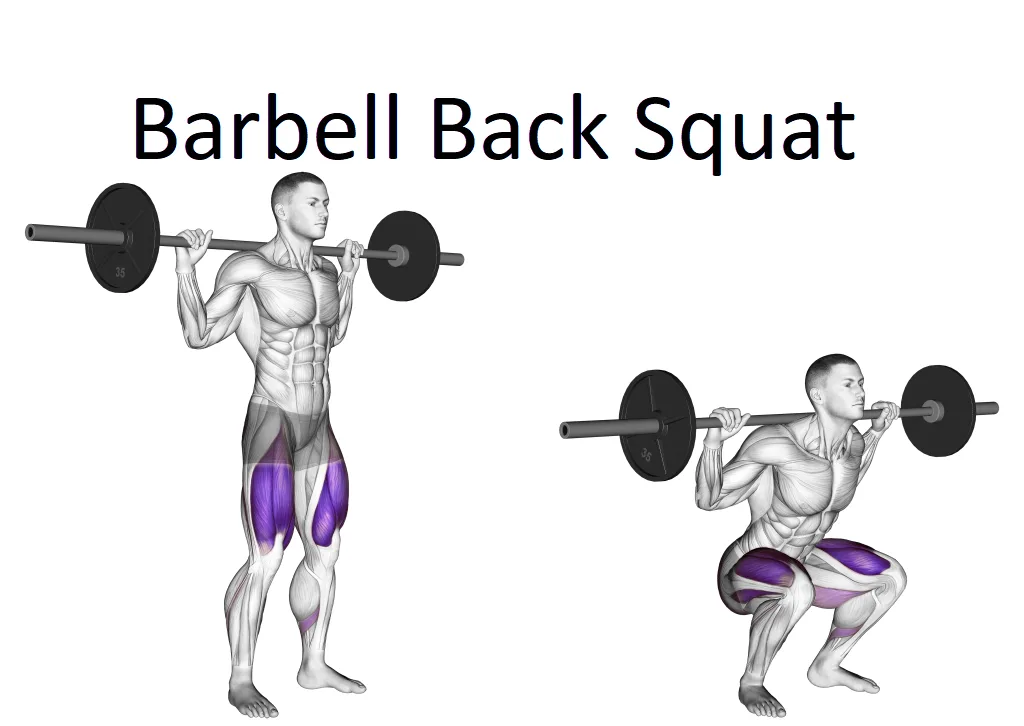
Quick Answer
You should structure a full-body workout by grouping movements. Perform heavy compound lifts at the start of each session. Use a mix of squat, hinge, push, and pull patterns.
Limit your total exercise count to six movements. Rest at least forty-eight hours between your full-body training days. This approach builds strength efficiently for any training routine.
Why Your Workout Needs a Solid Structure
Many people walk into the gym and cycle through random machines. This unstructured approach leads to plateaus because it lacks a clear progression. A structured workout treats exercise like a science.
When you have a plan, you know exactly what to lift and how many reps to target. This reduces decision fatigue. It also ensures you don't accidentally ignore specific muscle groups, which is a common issue with "split" routines that isolate one area per day.
Effective programming relies on consistency and the principle of specific adaptation to imposed demands. If you don't track your sessions, you can't measure your progress. You need a system that forces your body to adapt.
The Hierarchy of Movement: How to Organize Your Session
The core of a successful full-body day is the order of operations. Always perform your most demanding movements when your nervous system is fresh. Your body requires the most energy for exercises that involve multiple joints and large muscle groups.
Prioritize Compound Lifts
Start every session with a "big rock" movement. These include squats, deadlifts, overhead presses, or heavy rows. These lifts recruit the most muscle fibers.
They also provide the greatest hormonal response for overall growth.
Categorize Your Exercises
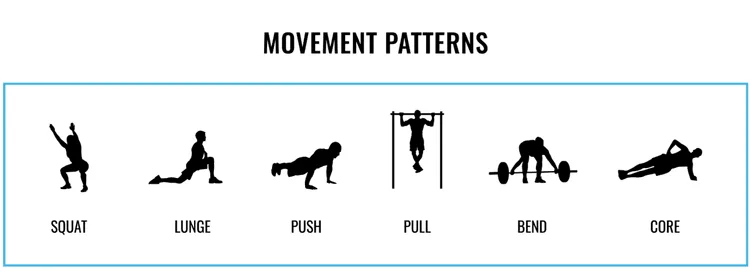
To keep your training organized, think of your workout as a collection of patterns. You should include one exercise from each of these four categories in your routine:
- Knee-Dominant: Squats or lunges for the legs.
- Hinge: Deadlifts or kettlebell swings for the posterior chain.
- Push: Bench presses or overhead presses for the upper body.
- Pull: Rows or pull-ups for the back and biceps.
Following this structure ensures you maintain balance between your anterior and posterior chains. Balancing these patterns prevents the muscle imbalances that often lead to injury.
The Math of Recovery and Progressive Overload
Progressive overload is the practice of increasing the intensity of your training over time. You must do this to force the body to continue adapting. Without it, you are simply maintaining your current fitness level.
Measuring Your Progress
Keep a simple log of your lifts. If you squat 100 pounds for five reps this week, try to perform six reps next time. Alternatively, you can add 2.5 pounds to the bar.
Small, consistent increases are more sustainable than large jumps in intensity. Research from the National Strength and Conditioning Association confirms that volume and intensity management are the primary drivers of long-term strength.
The Role of Rest
Rest is not just time off from the gym. It is the time when your muscle fibers repair and grow stronger. Most lifters find that three non-consecutive days per week is the ideal frequency for full-body strength.
If you are using heavy weights, your central nervous system might need more recovery time after a session. Never jump into a new session if your previous workout intensity was exceptionally high and you still feel significant fatigue.
Managing Fatigue and Avoiding Common Training Pitfalls
Fatigue management is the bridge between a good program and an injury-plagued one. If you go to absolute failure on every set, you will burn out within weeks. Most of your sets should leave one or two reps in the tank.
Identifying Junk Volume
Junk volume refers to extra sets that provide no additional stimulus but only add to your fatigue. This happens when people tack on five different isolation exercises at the end of a session. Once your main compound lifts are done, keep the accessory work brief.
Common Errors to Watch For
- Skipping the Warm-up: Your joints need lubrication before you load heavy weights.
- Inconsistent Tempo: If you move the weight at different speeds every time, you aren't tracking progress accurately.
- Ignoring Form: A heavy lift with poor form is a recipe for a medical bill rather than muscle growth.
If you are a beginner, focus on movement quality before adding intensity. It is better to move a lighter weight perfectly than to strain with poor form.
Building Your Routine: Step-by-Step Programming Guide
To build your own routine, start by selecting one primary exercise per movement pattern. You will alternate these exercises if you train more than three days per week to avoid repetitive strain.
Sample Session Template
- Warm-up: Five minutes of light cardio followed by dynamic stretching.
- Primary Compound: Three sets of five to eight reps.
- Secondary Compound: Three sets of eight to twelve reps.
- Accessory Movement: Two sets of ten to fifteen reps.
- Core/Carry: Two sets of sustained work, such as a farmer's walk.
Keep the total time under sixty minutes. Research suggests that sessions extending far beyond an hour often see a drop in intensity as fatigue sets in. You can perform this exact flow even in a small home gym.
When to Adjust Intensity: Deloads and Recovery Protocols
A deload is a scheduled week of reduced intensity designed to let your central nervous system catch up. Even with perfect form, your muscles and joints accumulate micro-trauma over several weeks. You should plan a deload every four to eight weeks, depending on your training age and stress levels.
During a deload week, you don't stop training entirely. Instead, you reduce the total volume by half and keep the weights at about 60 to 70 percent of your normal effort. This keeps the movement patterns fresh in your mind while stripping away the systemic fatigue that stalls progress.
If you find yourself failing reps you used to hit easily, you are likely overdue for a break. Signs of overtraining include lingering joint soreness, persistent poor sleep, and a lack of motivation to get to the gym. Listen to these signals before they turn into a full-blown injury.
You can also use this time to focus on mobility work and refining your technique. Think of the deload as an investment in your future training sessions. You will return to the rack feeling stronger and more prepared for a new cycle of lifting.
Frequently Asked Questions About Full-Body Training
How many days a week should I perform full-body training?
Most people see the best results with three days of training per week. This schedule allows for a full day of rest between sessions. Research suggests that forty-eight hours of recovery is the baseline requirement for muscle fiber repair.
Should I change my exercises every workout?
You should stick to the same core exercises for at least six to eight weeks. Consistent practice is the only way to master complex motor patterns. Constant variation prevents your nervous system from becoming efficient at the movements that build the most strength.
Can I include cardio on the same day?
You can combine cardio with strength training if you manage your energy levels correctly. Perform your heavy lifting first while your glycogen stores are full. Save cardio for the end of the session to ensure it doesn't impact your strength output.
Is full-body training better than split routines?
Full-body training is generally more efficient for beginners and those with limited schedules. Split routines allow for more volume per muscle group but require more gym visits. Choose the method that you can realistically stick to for the long term.
What should I do if I miss a workout?
Simply pick up your plan where you left off. Don't try to cram two workouts into one session to make up for lost time. Consistency over months matters far more than a single missed session in your overall progress.

