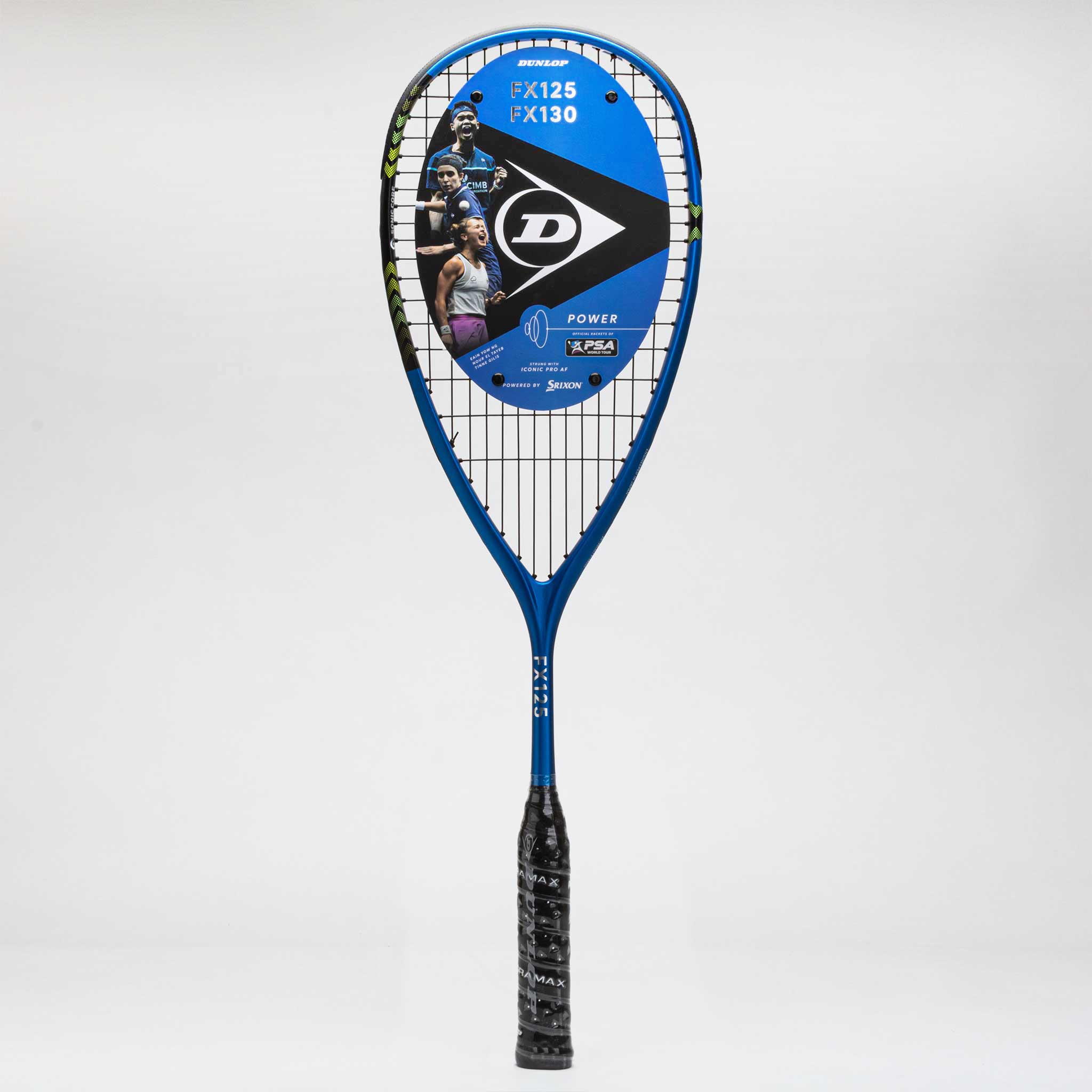
If you play tennis or follow racket technology, you’ve likely heard debates about the Dunlop FX and Head Speed racquets. Both lines are popular with club players and professionals. However, many players and coaches believe the Dunlop FX series holds key advantages over the Head Speed series. But why is Dunlop FX better than Head Speed? This article explores every angle—performance, feel, control, power, value, and even what beginners often overlook. After reading, you’ll understand the differences and confidently decide which racquet fits your style.
What Makes A Tennis Racket “better”?
It’s important to clarify what “better” means in tennis equipment. No racket is perfect for everyone. Some players need raw power, others want precision. Some prioritize comfort, while others seek the latest technology. When comparing Dunlop FX and Head Speed, we’ll look at:
Today's Exclusive Deals
Limited-time Exclusive Deals. Check current discount on Amazon.
Check Price on Amazon As an Amazon Associate I earn from qualifying purchases.- Power and spin potential
- Control and accuracy
- Comfort and vibration dampening
- Technology and innovation
- Price and value
- Player suitability
This approach lets us see where the Dunlop FX shines and where Head Speed may fall behind, especially for the needs of most players.
Core Differences: Dunlop Fx Vs Head Speed
Both racquet lines have a strong following, but they serve different types of players. The Dunlop FX series is designed for explosive power and easy access to spin, while the Head Speed line is known for control and all-court versatility. Here’s a direct comparison to kick things off:
| Feature | Dunlop FX | Head Speed |
|---|---|---|
| Target Player | Power baseliners, aggressive hitters | All-court players, control seekers |
| Frame Stiffness | Medium-high (more power) | Medium (more control) |
| Swing Weight | Lighter, faster swings | Slightly heavier, more stable |
| Price Range | Lower to mid | Mid to high |
| Vibration Dampening | Advanced tech | Standard tech |
While both lines have multiple models for different skill levels, the Dunlop FX stands out in several key areas.
Today's Exclusive Deals
Limited-time Exclusive Deals. Check current discount on Amazon.
Check Price on Amazon As an Amazon Associate I earn from qualifying purchases.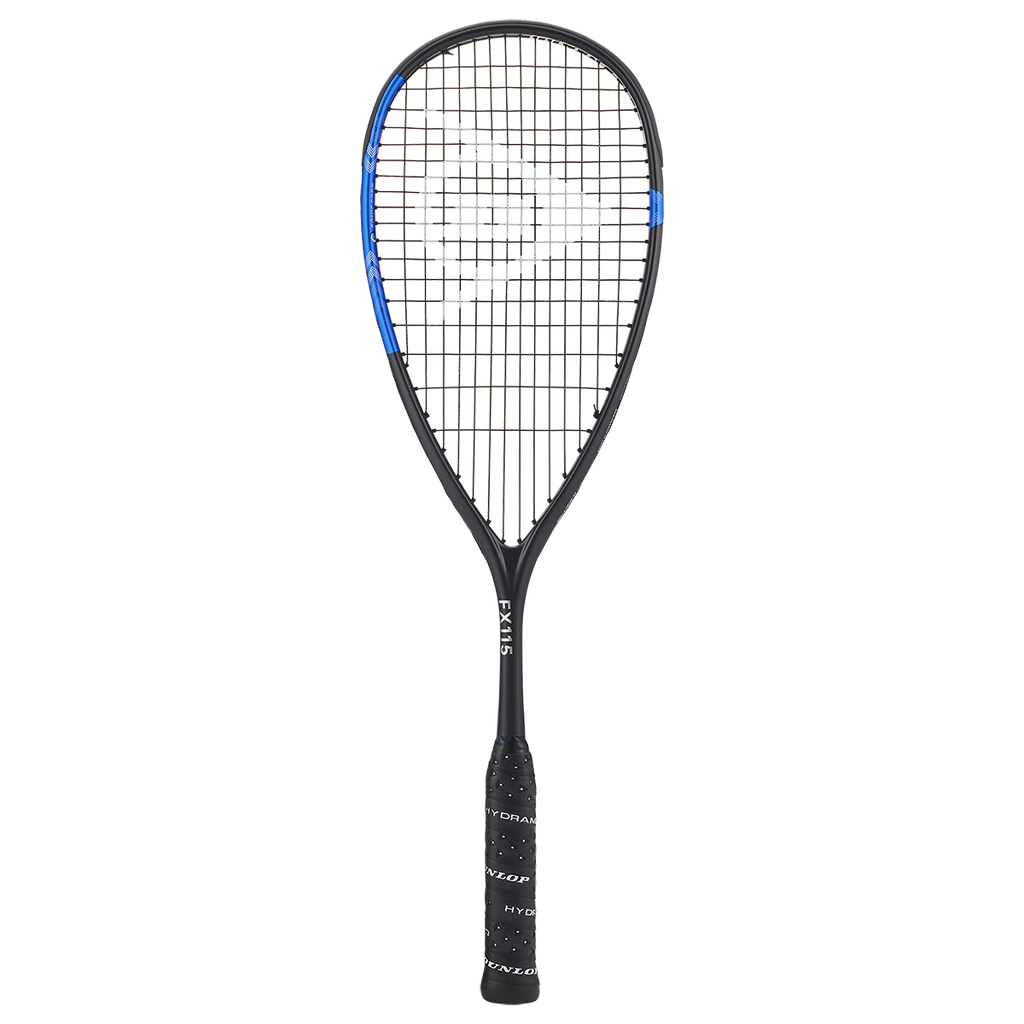
Power And Spin: Dunlop Fx’s Main Edge
For many tennis players, power is a top priority. The Dunlop FX line is built with this in mind. Its frame, string pattern, and materials help players hit harder with less effort.
Why Is Dunlop Fx More Powerful?
- Frame Design: The FX racquets use a slightly thicker beam and a wider head. This gives the racket more stability and a larger “sweet spot.” Shots feel solid, even if you don’t hit dead center.
- String Pattern: Most FX models have an open 16×19 string pattern. This lets the strings move more, creating a “trampoline” effect for extra power and easier spin.
- Stiffness: The frame stiffness is higher than many Head Speed models. This means less energy is lost on impact, so more power transfers to the ball.
Players who struggle to hit deep shots or want to add effortless speed to their game will feel the difference right away. Many club players report that they hit 10-15% faster with an FX compared to their previous racket.
Spin Potential
The open string pattern and head design also help generate spin. If you play with heavy topspin or like to “whip” your shots, the Dunlop FX gives you extra bite. Many intermediate players notice their topspin shots bounce higher and their slices stay lower, making their game more dangerous.
Example: A Club Player’s Power Upgrade
A 3. 5-level player switching from a Head Speed MP to a Dunlop FX 500 noticed not just more depth on groundstrokes, but also easier access to spin. Their serve speed increased by about 7 mph, according to their local coach’s radar gun.
Today's Exclusive Deals
Limited-time Exclusive Deals. Check current discount on Amazon.
Check Price on Amazon As an Amazon Associate I earn from qualifying purchases.Comfort And Feel: Dunlop’s New Vibration Tech
Comfort is critical, especially if you play often or suffer from arm pain. Here’s where Dunlop FX stands out, even for players who never had problems before.
Flex Touch Resin And Sonic Core
Dunlop’s latest Flex Touch Resin and Sonic Core technologies reduce unwanted vibrations. When you hit the ball, the frame absorbs shock, making it softer on your arm. This is especially helpful for players with tennis elbow or wrist issues.
- Flex Touch Resin is a special material placed in the shaft. It flexes slightly on impact, reducing harsh vibrations.
- Sonic Core uses high-tech foam at key points in the frame, further dampening shock.
In real play, this means off-center shots don’t send sharp vibrations into your hand. The Head Speed, while comfortable, uses more traditional dampening. Players with sensitive arms often report less fatigue using the Dunlop FX.
Sound And Feedback
Another subtle benefit: the FX series makes a more muted “thud” sound on contact, compared to the crisper “ping” of the Head Speed. Many players find this less distracting and more confidence-boosting, especially under pressure.

Control And Accuracy: Not Just For Pros
Many think that power racquets have poor control, but the Dunlop FX manages to strike a balance. While the Head Speed line is famous for control, the FX’s modern design closes the gap more than most expect.
How Does Dunlop Fx Maintain Control?
- Stable Frame: The thicker beam and Sonic Core tech keep the frame from twisting, so your shots stay on target.
- Balanced Weight: The FX line is designed with a slightly head-light balance. This helps you maneuver the racquet quickly for volleys and returns.
- Consistent String Bed: Dunlop’s string spacing technology ensures you get a predictable response across the entire hitting surface.
Most advanced players will still prefer the pinpoint control of the Head Speed Pro, but for 90% of club players, the FX provides more than enough accuracy for placement, angles, and touch shots.
Surprising Control For Power Racquet
Many beginners assume a power racquet will spray balls out of control. In reality, testers found the Dunlop FX series offered similar accuracy to the Head Speed up to intermediate levels, thanks to its updated frame stability.
Technology And Innovation: Dunlop’s Modern Edge
Racquet design changes quickly. In the last five years, Dunlop has invested heavily in new materials and production methods, while the Head Speed has kept a more traditional approach.
Key Dunlop Innovations
- Sonic Core with Infinergy®: This unique foam material is placed at 2 and 10 o’clock in the frame. It offers both power and shock absorption.
- Power Boost Groove: A special groove in the grommet system lets the strings move more freely, giving extra power and a more forgiving feel.
- Flex Touch Resin: Already mentioned above, but it’s a big reason for the FX’s comfort.
In contrast, the Head Speed series relies on Graphene 360+ and spiral fibers for stability and flex. These are solid technologies, but less advanced in vibration dampening and shock absorption.
What Beginners Miss: Newer Tech Matters
Many beginners overlook how much modern materials affect comfort and playability. A racquet with better dampening and string movement is easier on your joints and helps you play longer without fatigue.
Price And Value: Dunlop Fx Is More Accessible
For many buyers, price is a deciding factor. Here, the Dunlop FX series holds a clear advantage.
| Model | Average Price (USD) | Notable Features |
|---|---|---|
| Dunlop FX 500 | $199 | Power, Sonic Core, Flex Touch |
| Dunlop FX 700 | $189 | Largest head, most forgiveness |
| Head Speed MP | $239 | All-court, Graphene 360+ |
| Head Speed Pro | $249 | Pro-level control |
The Dunlop FX range is not only less expensive, but it’s also often discounted at retailers. This means you can get a top-performing racquet for $40–60 less than a comparable Head Speed. For beginners and intermediate players, this makes the FX a smarter investment.
Player Suitability: Who Benefits Most From Dunlop Fx?
Choosing the right racquet depends on your playing style and level. Here’s where the Dunlop FX is usually the better fit:
- Club and recreational players: Need easy power and comfort
- Aggressive baseliners: Want to hit big without over-swinging
- Players with arm discomfort: Need advanced vibration dampening
- Beginners moving up: Need a forgiving racquet that “does more for you”
The Head Speed line is excellent for advanced, all-court players who generate their own power and want maximum control. But for most players, the Dunlop FX’s power, comfort, and price win out.
Hidden Advantage: Confidence Builder
Many beginners and intermediate players underestimate the mental boost from a racquet that delivers effortless power and comfort. With the Dunlop FX, you’re more likely to play relaxed, swing freely, and develop your technique without feeling punished for small mistakes.
Direct User Feedback: What Players Really Say
Looking at specs is useful, but real-world feedback is even better. Across forums, coaching groups, and retailer reviews, the Dunlop FX series receives high marks for:
- Instant power upgrade: Players consistently report deeper shots and faster serves without extra effort.
- Comfort: Many players with past arm pain can play longer sessions.
- Easy transition: Switchers from Head Speed to FX need little adjustment, thanks to the forgiving feel.
- Spin potential: Users notice more topspin on groundstrokes and serves.
In contrast, Head Speed users love the “connected” feel and control, but often mention needing more strength to get the same power, especially as they age or recover from injury.
Non-obvious Insight: The Value Of Forgiveness
A key point beginners miss is the importance of a forgiving racquet. The Dunlop FX’s larger sweet spot means you can mishit slightly and still get a playable shot. Over a match, this adds up to more rallies and less frustration.
The Numbers: Performance Stats Side-by-side
Sometimes, seeing the numbers helps make things clearer. Here’s a performance comparison of the Dunlop FX 500 and Head Speed MP, two of the most popular models in each line.
| Attribute | Dunlop FX 500 | Head Speed MP |
|---|---|---|
| Head Size (sq in) | 100 | 100 |
| Weight (unstrung) | 10.6 oz (300g) | 10.6 oz (300g) |
| Balance | Head light | Head light |
| Beam Width | 23-26-23mm | 23mm |
| String Pattern | 16×19 | 16×19 |
| Stiffness | 71 RA | 62 RA |
| Power | High | Medium |
| Control | Medium-High | High |
| Spin | High | Medium-High |
Notice the higher stiffness rating and slightly wider beam for the Dunlop FX. These two features add up to more power and forgiveness, which most club players prefer.
Common Mistakes When Choosing Between Dunlop Fx And Head Speed
Many buyers pick a racquet based on a pro’s choice or brand loyalty. Here are common mistakes to avoid:
- Assuming more control is always better: For most players, a bit of extra power and forgiveness leads to faster improvement.
- Ignoring arm comfort: Even if you’ve never had arm pain, a stiffer, better-dampened racquet can help prevent injury over time.
- Choosing based on looks: Both lines look professional, but performance and feel should come first.
- Overestimating skill level: Many players buy “pro” models like the Head Speed Pro, only to find them too demanding.
- Not testing both: Demoing racquets, even for 10 minutes each, can reveal huge differences in feel and performance.
Which Dunlop Fx Model Is Right For You?
Within the FX family, there are several models to suit different needs:
- FX 500: Best all-around, for aggressive intermediate players
- FX 700: Larger head (107 sq in), most power and forgiveness, ideal for beginners or those with arm trouble
- FX 500 Tour: Heavier, more control, for advanced players who want a power boost
If you’re unsure, start with the FX 500. It’s the most balanced and fits a wide range of players.
The Pro Game: Do Top Players Use Dunlop Fx?
While the Head Speed line is used by stars like Novak Djokovic, the Dunlop FX is less common on the pro tour. This is not a sign of lower quality. Pros have unique preferences and often use custom frames. For club and league play, the FX series offers features that matter more to real-world players.
Durability And Longevity: Lasting Value
Another point in the FX’s favor is durability. Reviews show that Dunlop’s paint and frame materials hold up well after many hours of play. Grommets and strings are easy to replace, and the racquet keeps its feel longer than some competitors.
In contrast, some Head Speed models have had minor issues with paint chipping and string movement over time, though nothing major.
Expert And Coach Opinions
Tennis coaches often recommend the Dunlop FX to players who want to improve quickly. The easy power and comfort help beginners and intermediates develop good habits without over-swinging or risking injury. In comparison, the Head Speed is often reserved for advanced players who already have solid technique.
A top-rated US tennis coach said, “For most club-level players, the Dunlop FX is the better fit. It’s simply easier to use and offers more performance for the price. ”
Where To Learn More
If you want even more details, visit the official Dunlop FX Series site for technical breakdowns and updates.
Frequently Asked Questions
What Is The Main Difference Between Dunlop Fx And Head Speed?
The Dunlop FX is focused on power and comfort, with a stiffer frame and vibration-dampening tech. The Head Speed is known for control and feel, appealing to all-court and advanced players.
Is Dunlop Fx Good For Beginners?
Yes, the Dunlop FX is excellent for beginners and intermediate players. Its larger sweet spot, easy power, and comfort features make learning and improving much easier.
Does The Dunlop Fx Help Prevent Arm Pain?
Thanks to its Flex Touch Resin and Sonic Core dampening, the FX series reduces shock and vibration. Many players with previous arm pain report less discomfort after switching.
Why Do Some Pros Prefer Head Speed Over Dunlop Fx?
Pros like Novak Djokovic value the precise control of the Head Speed, which suits their advanced technique. Most club players, however, benefit more from the power and forgiveness of the Dunlop FX.
How Should I Choose Which Fx Model To Buy?
Pick the FX 500 for balanced power and versatility, the FX 700 for maximum forgiveness and comfort, or the FX 500 Tour for a heavier, more controlled feel suited for advanced players.
If you want a racquet that gives you a performance edge, reduces fatigue, and supports your game as you improve, the Dunlop FX is hard to beat. For most players, it offers the right mix of power, comfort, and value—making it a smarter choice than the Head Speed.