
Many people today struggle with back pain, muscle stiffness, or poor posture. For some, inversion therapy offers hope. This practice lets you hang upside down or at an angle to relieve pressure on your spine. Two leading products stand out in this space: the Yoleo Gravity Inversion Table and the Teeter Fitspine X3. Both promise comfort, safety, and relief—but they are not the same. If you are deciding between these two, this guide will help you understand their features, differences, and which might be best for your needs.
What Is An Inversion Table?
An inversion table is a device that allows you to recline and hang with your feet up and head down. By shifting your body’s position, gravity helps stretch your spine. This can relieve lower back pain, improve circulation, and relax muscles.

Today's Exclusive Deals
Limited-time Exclusive Deals. Check current discount on Amazon.
Check Price on Amazon As an Amazon Associate I earn from qualifying purchases.Most tables let you adjust the angle of inversion for comfort and safety.
Some people use inversion therapy for specific conditions such as herniated discs, sciatica, or muscle tension. Others simply want better posture or a way to decompress after a long day. The key is finding a table that offers both security and convenience.
Overview: Yoleo Gravity Inversion Table
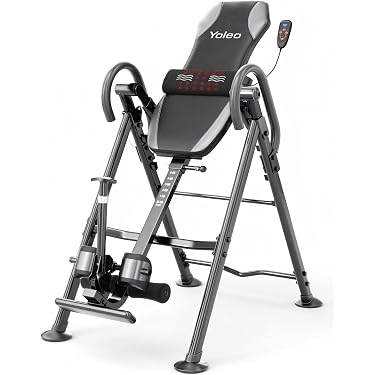
The Yoleo Gravity Inversion Table is popular for being affordable and easy to use. It appeals to beginners and budget-focused buyers. Here’s what makes it stand out:
- Weight Capacity: Up to 300 lbs
- Height Range: Adjustable for users 4’10” to 6’6″
- Foldable Design: Easy to store in small spaces
- Padding: Thick foam backrest for comfort
- Safety Features: Non-slip feet, secure ankle holders, and a safety lock
One non-obvious advantage is its quick fold mechanism. Many inversion tables are bulky and hard to move, but the Yoleo folds quickly without tools. Another insight: The Yoleo’s ankle holders use soft foam, which is more comfortable for longer sessions compared to hard plastic clamps found on some models.
Overview: Teeter Fitspine X3
The Teeter Fitspine X3 is known for advanced engineering and medical certification. It targets people who want premium quality and extra features.
- Weight Capacity: Up to 300 lbs
- Height Range: Adjustable for users 4’8″ to 6’6″
- Backrest: Flexible, contoured surface for full-body stretch
- Precision Rotation: Smooth control, easy angle adjustment
- Safety: Certified by the FDA as a medical device
- Accessories: Optional lumbar bridge, acupressure nodes
A less obvious insight: The Fitspine X3’s contoured backrest allows for dynamic stretching. Instead of staying stiff, your body can move slightly, engaging more muscles. Also, its ankle locking system uses a micro-adjust ratchet, which gives a tighter but more comfortable hold for people with thin or thick ankles.
Comparing Key Features
Choosing the right inversion table means looking beyond the basics. Here’s a detailed comparison of core features.
| Feature | Yoleo Gravity Inversion Table | Teeter Fitspine X3 |
|---|---|---|
| Price Range | $150-$220 | $350-$450 |
| Assembly Required | Yes, simple | Yes, moderate |
| Backrest Type | Foam padded | Contoured FlexTech |
| Ankle Locking | Foam clamps | Micro-adjust ratchet |
| Foldability | Quick fold | Foldable, but bulkier |
| FDA Certified | No | Yes |
| Warranty | 1 year | 5 years |
The Yoleo Gravity Inversion Table is more affordable and easier to store. The Teeter Fitspine X3 offers advanced safety and longer warranty. Both support similar weight and height ranges.
Safety And Certification
Safety is critical in inversion therapy. Hanging upside down can be risky if the table is unstable or poorly made. The Teeter Fitspine X3 stands out because it is FDA Certified as a Class 1 medical device. This means it has passed strict safety tests and can be used for treating back pain and related issues.
The Yoleo Gravity Inversion Table does not have FDA certification but includes solid safety features such as non-slip feet and a safety lock. For most home users, these features are enough, but those with medical concerns may prefer the extra assurance of the Teeter.
One beginner mistake is ignoring the importance of certification. If you plan to use the table for medical reasons, check for FDA approval or similar standards.
Comfort And Usability
Comfort can make or break your inversion experience. The Yoleo uses thick foam padding, giving a soft feel for short to medium sessions. However, some users report that after 15–20 minutes, the padding can feel warm or sweaty.
The Teeter Fitspine X3 uses a FlexTech backrest, which is designed to move with your body. It does not absorb heat as much, so you stay cooler and more comfortable. The flexible surface lets your muscles stretch naturally.
Another insight: The Teeter’s ankle holders adjust more precisely. If you have sensitive ankles or feet, this makes a big difference. With Yoleo, taller users may feel some pressure on their ankles after longer sessions.
Assembly And Storage
Many buyers worry about assembly and storage. The Yoleo Gravity Inversion Table is known for quick assembly. Most users can set it up in under 30 minutes with basic tools. Its folding mechanism is easy—just pull a lever and fold.
The Teeter Fitspine X3 requires more careful assembly. It has extra parts and features, so setup can take 45–60 minutes. It folds, but the unit is bulkier and heavier, making storage less convenient.
If you live in a small apartment or need to move the table often, Yoleo may be the better choice. If you have a dedicated space, Teeter’s bulk is less of an issue.
Adjustability And Customization
Both tables let you adjust the angle of inversion. Yoleo offers three fixed positions: 20°, 40°, and 60°. This is enough for most beginners and casual users.
Teeter Fitspine X3 gives you precision rotation. You can change the angle smoothly from 20° up to 90°, using your arms to control movement. This feature is great for advanced users who want deeper stretches.
Teeter also offers accessories like a lumbar bridge for extra lower back support, and acupressure nodes for targeted massage. Yoleo does not offer these options.
| Adjustability | Yoleo Gravity Inversion Table | Teeter Fitspine X3 |
|---|---|---|
| Angle Range | 20°, 40°, 60° | 20°–90°, fully adjustable |
| Height Adjustment | 4’10″–6’6″ | 4’8″–6’6″ |
| Extra Accessories | No | Lumbar bridge, acupressure nodes |
Durability And Build Quality
When you hang upside down, you need to trust your equipment. The Yoleo Gravity Inversion Table uses steel frame construction and thick bolts. It is strong but lighter than many premium models. Over time, foam padding may compress, but the frame remains stable.
The Teeter Fitspine X3 uses heavy-duty steel and reinforced joints. Its build quality is higher, with extra attention to welds and moving parts. The Teeter has a five-year warranty, showing confidence in durability.
A non-obvious insight: The Teeter’s moving parts (rotation hinges, ankle lock) are engineered for smoother operation. This reduces wear and tear and lowers the risk of mechanical failure.
Performance In Daily Use
How do these tables perform in everyday use? Most Yoleo users report easy setup and smooth inversion. The fixed angles make operation simple. However, some users find it harder to return upright, especially at steeper angles.
The Teeter Fitspine X3’s rotation is controlled by your arms, making it easy to move between positions. The flexible backrest allows for stretching and twisting, which can help target deeper muscle groups.
For quick sessions (5–10 minutes), both tables work well. For longer or more advanced therapy, Teeter’s customization and comfort give it an edge.
Price And Value
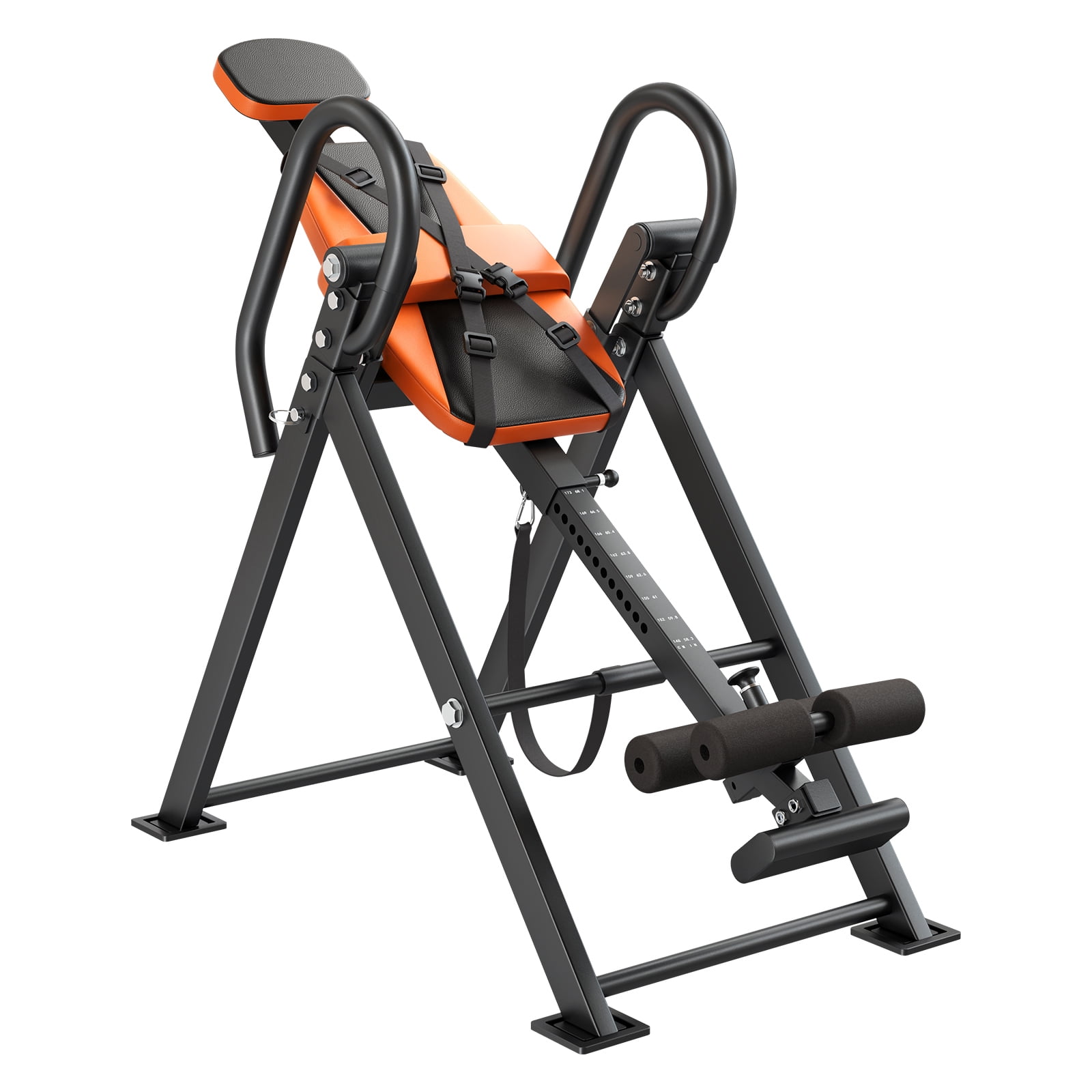
Budget is a big factor for many buyers. The Yoleo Gravity Inversion Table costs between $150 and $220. It includes all basic features and is a good entry-level option.
The Teeter Fitspine X3 costs $350–$450. This higher price reflects advanced engineering, medical certification, and longer warranty. If you plan to use inversion therapy often or for medical reasons, the extra cost may be worth it.
A common mistake is focusing only on price. Consider your needs: If you want simple relief and easy storage, Yoleo is a smart pick. If you want full-body therapy and top safety, Teeter offers more.
User Reviews And Real-world Feedback
Let’s look at what actual buyers say. The Yoleo Gravity Inversion Table gets high marks for ease of use, quick setup, and affordable price. Some users mention ankle discomfort at steep angles, but most are happy with the value.
The Teeter Fitspine X3 is praised for comfort, precision control, and durability. Many users report improved back pain and flexibility. Negative comments focus on the higher price and longer assembly time.
One non-obvious insight: Both tables require regular maintenance. Check bolts and moving parts every few months, especially if used daily.
Who Should Choose Yoleo Gravity Inversion Table?
The Yoleo Gravity Inversion Table is best for:
- Beginners to inversion therapy
- People with limited space
- Budget-conscious buyers
- Those who want easy setup and storage
- Users who need basic back pain relief
If you are new to inversion therapy, the Yoleo is a safe and affordable start. It covers all the basics without the need for extra accessories or complex features.
Who Should Choose Teeter Fitspine X3?
The Teeter Fitspine X3 is ideal for:
- Advanced users and athletes
- People with chronic back pain
- Those needing medical-grade safety
- Users who want full customization
- Anyone looking for long-term durability
If you are serious about inversion therapy or have specific medical needs, the Teeter offers better safety and comfort. Its extra features and certification make it suitable for regular, intensive use.
Common Mistakes When Buying An Inversion Table
It’s easy to make mistakes when choosing an inversion table. Here are some to watch out for:
- Ignoring weight and height limits: Always check if the table fits your body size.
- Overlooking certification: For medical use, FDA approval is important.
- Choosing based only on price: Cheaper models may lack safety or comfort.
- Not considering storage space: Some tables are bulky and hard to move.
- Skipping maintenance: Loose bolts or worn parts can cause accidents.
Practical Tips For Safe And Effective Use
To get the most from your inversion table:
- Start slowly: Begin with short sessions at gentle angles.
- Wear shoes: Protect your ankles from pressure.
- Use controlled movements: Avoid swinging or jerking.
- Check equipment: Inspect bolts and clamps regularly.
- Consult your doctor: If you have heart issues, glaucoma, or high blood pressure, seek medical advice before using inversion therapy.

Where To Buy And Warranty Information
Both tables are available through major online retailers and fitness stores. Yoleo offers a 1-year warranty, covering defects and parts. Teeter Fitspine X3 comes with a 5-year warranty, reflecting its higher build quality.
For more detailed warranty terms and support, visit the official Teeter website at Teeter Official Site.
Summary Table: Which Is Right For You?
Here’s a side-by-side summary to help you decide:
| Aspect | Yoleo Gravity Inversion Table | Teeter Fitspine X3 |
|---|---|---|
| Best For | Beginners, basic relief | Advanced users, medical needs |
| Price | Low | High |
| Safety | Standard | FDA certified |
| Comfort | Foam padding | FlexTech backrest |
| Custom Features | None | Lumbar bridge, acupressure |
| Warranty | 1 year | 5 years |
Frequently Asked Questions
Is Inversion Therapy Safe For Everyone?
Inversion therapy is safe for most healthy adults, but it’s not recommended for people with heart problems, high blood pressure, eye conditions (like glaucoma), or pregnancy. Always check with your doctor before starting.
How Long Should I Use An Inversion Table Per Session?
Start with 1–2 minutes at a gentle angle. Slowly increase to 5–10 minutes as you get comfortable. Do not stay inverted for too long, especially if you are new to this therapy.
Can Inversion Tables Help With Sciatica?
Yes, inversion tables may help relieve sciatica by reducing pressure on the sciatic nerve. Many users report less pain and better mobility. However, results vary and are not guaranteed.
What’s The Difference Between Foam And Flextech Backrests?
Foam backrests (like Yoleo) are soft and comfortable but may absorb heat. FlexTech backrests (like Teeter) are flexible, cooler, and allow for dynamic stretching. They are better for longer sessions and advanced users.
Do I Need A Prescription To Buy The Teeter Fitspine X3?
No, you do not need a prescription. The Teeter Fitspine X3 is FDA certified, but it can be purchased by anyone. For medical advice or specific conditions, consult your doctor.
Back pain and muscle tension can affect anyone, but the right inversion table can make a big difference. Whether you choose the Yoleo Gravity Inversion Table for its price and simplicity, or the Teeter Fitspine X3 for advanced features and medical certification, both offer a path to relief and better health.
Remember to consider your needs, space, and safety when making your decision. With careful use and regular maintenance, inversion therapy can be a valuable addition to your daily routine.

