If you’re searching for a quality inversion table, you’ll probably see two names often: Teeter EP-560 and Harison Inversion Table. Both are popular for helping people with back pain, stretching, and improving posture. But which one is right for you? Choosing between these two can be confusing, especially if you’re new to inversion therapy. This article will help you understand the differences, features, and what matters most when making your decision. We’ll dive deep into each table’s design, comfort, safety, performance, and value—so you can feel confident about your choice.
What Is An Inversion Table?
Before comparing models, it’s helpful to understand what an inversion table does. An inversion table lets you hang upside down or at an angle, using gravity to stretch your spine. This position can relieve back pain, reduce pressure on disks, and improve circulation. Many people use inversion tables for therapy, recovery, or simply to relax.
Today's Exclusive Deals
Limited-time Exclusive Deals. Check current discount on Amazon.
Check Price on Amazon As an Amazon Associate I earn from qualifying purchases.Teeter Ep-560: Overview And Features
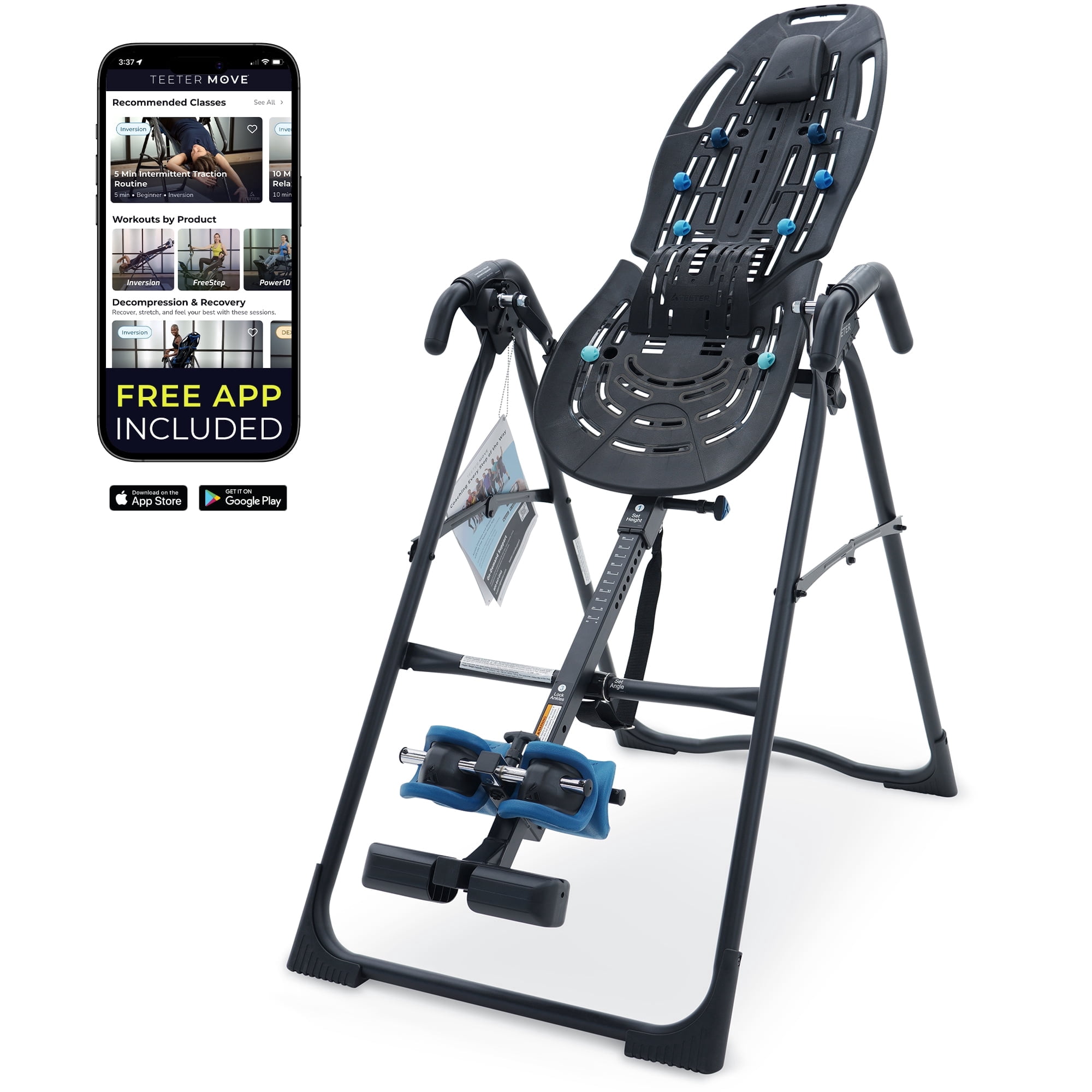
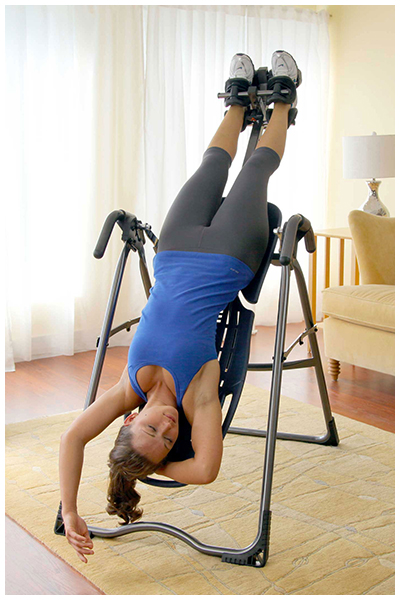
The Teeter EP-560 is a well-known model in the inversion therapy world. It is FDA-registered as a medical device for back pain and comes from a brand trusted for decades. Here are the main features:
- Design: The frame is made of heavy-gauge steel and feels very stable. The surface is flexible, so your body can move and stretch easily.
- Comfort: The backrest is contoured and has a smooth surface. There are adjustable settings for height (4’8” to 6’6”) and ankle support.
- Safety: Teeter uses auto-locking hinges, safety straps, and a special locking system for maximum stability. It has been tested to high standards for durability.
- Assembly: The EP-560 comes mostly pre-assembled, so you don’t spend hours putting it together.
- Extra Features: The table includes acupressure nodes and a lumbar bridge, which offer extra support and massage options.
Harison Inversion Table: Overview And Features
The Harison Inversion Table is another top seller, known for its strong frame and comfortable padding. Here’s what you get:
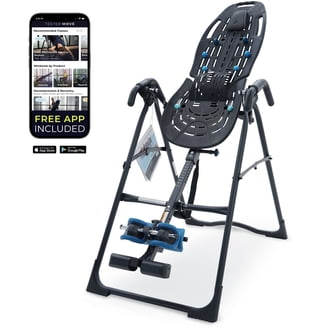
- Design: The frame is made from heavy-duty steel, and the backrest is thickly padded for comfort.
- Comfort: The ankle holders are ergonomically designed, and the foam backrest gives a softer feel. The table adjusts for users from 4’10” to 6’6”.
- Safety: Harison uses a safety lock pin, non-slip feet, and safety handles for extra security.
- Assembly: This table also comes partially assembled, but some users report it takes longer than Teeter.
- Extra Features: It has a built-in heat and vibration massage pad, which can be removed if needed.
Comparing Design And Build Quality
The design of an inversion table matters because you want stability and comfort. The Teeter EP-560 uses high-quality steel and a flexible bed, which allows natural stretching. Its frame feels strong and doesn’t wobble during use. Teeter’s unique FlexTech bed is not just for comfort—it also helps your body move better during inversion.
Harison’s table is also made from heavy-duty steel. Its main difference is the thick padding. While this feels soft, it can sometimes make you sweat and limit movement. The frame is sturdy, but some users notice slight movement when fully inverted.
Key Differences
- Backrest Material: Teeter uses a flexible surface; Harison uses thick padding.
- Frame Stability: Both are stable, but Teeter is tested for higher weight and durability.
- Assembly: Teeter comes almost ready; Harison needs more assembly time.
Comfort And User Experience
Comfort is important, especially if you use the table often. The Teeter EP-560 offers contoured ankle supports and a flexible backrest. You can adjust the height and ankle settings quickly. The acupressure nodes can be placed where you need extra pressure, and the lumbar bridge supports your lower back.
Harison’s table has extra-thick foam, which feels cozy at first. The ankle holders are easy to adjust, but some users find them less comfortable during longer sessions. The heat and vibration pad is a unique feature, but it’s not as effective as professional massage.
What Most Beginners Miss
- Ankle Comfort: Many people focus on the backrest, but ankle holders are just as important. Uncomfortable ankle supports can make inversion painful.
- Backrest Flexibility: Teeter’s flexible bed allows your body to move and stretch, which is better for spinal decompression.
Safety Features And Certifications
Safety is critical with inversion tables. You’re hanging upside down, so you need strong locks and stable frames.
- Teeter EP-560: FDA registered. It has auto-locking hinges, safety straps, and a secure locking pin. The frame is tested for up to 300 pounds.
- Harison Inversion Table: Not FDA registered but has a safety lock pin and non-slip feet. The frame is rated for up to 350 pounds.
Teeter’s FDA registration means it meets strict medical standards. This gives extra peace of mind, especially for people with back problems.
Performance: Inversion Angles And Adjustments
Both tables let you adjust the inversion angle. The Teeter EP-560 uses a tether strap to limit how far you invert. You can set angles like 20°, 40°, or 60°. The system is simple and safe.
Harison uses a lock pin to set the angle. You can choose preset positions, but changing the angle is less smooth. Some users report the pin is hard to adjust when lying down.
Data Table: Inversion Angle Options
| Model | Inversion Angles | Adjustment Method |
|---|---|---|
| Teeter EP-560 | 20°, 40°, 60°, Full | Tether Strap |
| Harison Inversion Table | Multiple preset | Lock Pin |
Assembly And Storage
You don’t want to spend hours building your table. The Teeter EP-560 arrives mostly pre-assembled. You attach a few parts, and you’re ready. It folds easily for storage.
Harison’s table needs more assembly. Some users say it takes over an hour. The table also folds, but is heavier and harder to move.
Extra Features: Massage, Nodes, And Accessories
Teeter includes acupressure nodes and a lumbar bridge. These help target pain points and support your lower back. You can move them or remove them easily.
Harison’s main extra is the heat and vibration massage pad. This pad offers gentle warmth and vibration, but some users find it too weak for deep relief. It’s powered by a plug and can be removed.
Table: Extra Features Comparison
| Model | Massage/Support Features |
|---|---|
| Teeter EP-560 | Acupressure nodes, lumbar bridge |
| Harison Inversion Table | Heat and vibration massage pad |
Price And Value
Price is often a deciding factor. The Teeter EP-560 is usually more expensive, around $350–$400. It offers high build quality, medical certification, and useful extras.
Harison’s table costs $200–$270, making it more affordable. It has thicker padding and a massage pad, but lacks FDA registration.
What You Get For Your Money
- Teeter: Strong build, medical certification, adjustable features, acupressure, lumbar bridge.
- Harison: Lower price, thick padding, massage pad, solid frame.
User Reviews And Real-world Feedback
Looking at reviews can help you see how each table performs in real life.
- Teeter EP-560: Users praise its stability and comfort. Many mention relief from back pain after just a few sessions. Some say the ankle supports are the most comfortable they’ve tried.
- Harison Inversion Table: Many like the thick padding and affordable price. Some report problems with ankle comfort and difficulty adjusting angles.
Common Mistakes Beginners Make
- Ignoring Ankle Comfort: If ankles hurt, you won’t use the table.
- Not Checking Weight Limits: Always check the weight rating before buying.
- Skipping Assembly Guides: Rushing assembly can lead to unsafe setups.
Who Should Choose Teeter Ep-560?
The Teeter EP-560 is best for people who:
- Need medical-grade safety and certification.
- Want the best comfort for ankles and back.
- Prefer easy assembly and storage.
- Plan to use inversion therapy often.
Who Should Choose Harison Inversion Table?
The Harison table is ideal for:
- People looking for a lower price.
- Those who prefer thick padding and a massage pad.
- Users who don’t need FDA registration.
- People who don’t mind longer assembly.
Comparing Warranty And Support
Warranty matters if something breaks or doesn’t work. Teeter offers a 5-year warranty and strong customer support. You can contact them easily, and they respond quickly.
Harison’s warranty is usually 1 year. Support is decent, but some users report slow replies.
Long-term Use: Durability And Maintenance
Both tables are made from heavy-duty steel, but Teeter’s frame is tested to stricter standards. The flexible bed is easy to clean and lasts longer. Harison’s thick padding can wear out or tear over time, especially if used daily.
Practical Tips For Buying And Using
- Try the table in person if possible. Comfort varies by user.
- Make sure you have enough space for setup and folding.
- Start with low inversion angles and build up slowly.
- Wear socks or soft shoes to protect ankles.
- Read the manual carefully before first use.
Data Table: Quick Comparison
| Feature | Teeter EP-560 | Harison Inversion Table |
|---|---|---|
| Price | $350–$400 | $200–$270 |
| Weight Limit | 300 lbs | 350 lbs |
| Height Range | 4’8”–6’6” | 4’10”–6’6” |
| Backrest | Flexible surface | Thick padding |
| Extras | Acupressure nodes, lumbar bridge | Heat/vibration pad |
| Certification | FDA Registered | No medical certification |
| Warranty | 5 Years | 1 Year |
Expert Insight: What Really Matters
Most buyers focus on price and padding, but the real keys are safety and comfort. Medical certification is rare and valuable. Flexible backrests help with spinal stretching. Ankle comfort is often overlooked but critical for regular use. If you want long-term relief and stability, Teeter is a stronger choice.
If price is your main concern and you only use occasionally, Harison is a solid option.
External Resource
If you want more scientific info about inversion therapy, you can check this Wikipedia article on inversion therapy.
Frequently Asked Questions
What Is The Weight Limit For Each Inversion Table?
The Teeter EP-560 supports up to 300 pounds. The Harison Inversion Table supports up to 350 pounds. Always check your weight before using any inversion table.
Is It Safe To Use An Inversion Table Every Day?
Yes, but start slowly. Use lower angles and short sessions first. Listen to your body and stop if you feel dizzy or pain. Always consult your doctor if you have health issues.
How Long Does Assembly Take?
The Teeter EP-560 takes about 20–30 minutes because it comes mostly pre-assembled. The Harison Inversion Table can take 60–90 minutes, depending on your experience.
Do Inversion Tables Help With Sciatica?
Many users report relief from sciatica after using inversion tables. By stretching the spine, pressure on nerves can be reduced. However, results vary, and you should talk to your doctor before starting.
Can I Use The Table If I Have High Blood Pressure?
Inversion therapy increases blood pressure in some people. If you have hypertension, consult your doctor before using any inversion table.
Choosing between the Teeter EP-560 and Harison Inversion Table depends on your needs, budget, and health. Both offer benefits, but Teeter stands out for medical certification, comfort, and durability. Harison is a good entry-level option with a lower price and massage features. Take your time, read user reviews, and pick the table that fits your lifestyle best.