When you want to relieve back pain or improve your spinal health at home, inversion tables are a popular solution. Two brands stand out: Yoleo Gravity Inversion Table and Exerpeutic Inversion Table. Both promise comfort, safety, and effective inversion therapy, but their features and user experiences differ. If you’re confused about which is better for your needs, this article gives you a clear, in-depth comparison with practical advice. Whether you’re new to inversion or looking to upgrade, you’ll find everything you need to make a confident decision.
What Is An Inversion Table?
An inversion table is a device that lets you hang upside down or at an angle. The goal is to reduce pressure on your spine, stretch your back, and improve circulation. People use inversion tables for relief from back pain, muscle tension, and even to help with posture. Most tables let you adjust the angle, usually from 20 degrees up to full inversion (180 degrees). The user lies on the table, secures their ankles, and then tilts backward. Safety and comfort are important, so the design and features matter.
Today's Exclusive Deals
Limited-time Exclusive Deals. Check current discount on Amazon.
Check Price on Amazon As an Amazon Associate I earn from qualifying purchases.Why Compare Yoleo And Exerpeutic?
The Yoleo Gravity Inversion Table and the Exerpeutic Inversion Table are among the most popular models in the US. Both are affordable, sturdy, and designed for home use. However, they have differences in build quality, comfort, adjustability, and extra features. Comparing them helps you avoid common mistakes, like buying a table that doesn’t fit your height or weight, or one that feels unsafe during use. Choosing the right table can save you money and protect your health.
Design And Build Quality
Frame Construction
The frame is the backbone of any inversion table. Both Yoleo and Exerpeutic use heavy-duty steel frames, but there are important differences.
- Yoleo Gravity Inversion Table uses a tubular steel frame, rated for up to 300 pounds. The steel is powder-coated to resist rust and scratches. Yoleo’s frame is slightly lighter, making it easier to move but still stable.
- Exerpeutic Inversion Table also uses steel, but with a heavier gauge. It supports up to 300 pounds and has a wider base for extra stability. This makes Exerpeutic tables feel more solid, especially during full inversion.
Both brands fold for storage, but Exerpeutic’s folding mechanism feels smoother and requires less force.
Padding And Comfort
Comfort is crucial for inversion therapy. If the padding is thin or rough, you’ll struggle to relax.
- Yoleo uses 3D memory foam padding on the backrest. The surface is soft but firm enough to give support. The headrest is adjustable and padded.
- Exerpeutic offers thicker padding and a larger backrest. Their foam is high-density, which reduces pressure points. The ankle holders have extra cushioning, reducing discomfort during inversion.
If you plan longer sessions, Exerpeutic’s padding provides a noticeable advantage.
Dimensions And Space
Both tables suit most home spaces, but their sizes differ slightly.
| Model | Dimensions (L x W x H) | Weight | Folded Size |
|---|---|---|---|
| Yoleo Gravity | 52″ x 28″ x 55″ | 52 lbs | 28″ x 20″ x 66″ |
| Exerpeutic | 58″ x 29″ x 60″ | 59 lbs | 29″ x 18″ x 65″ |
Yoleo is a bit more compact, which is helpful if you have limited space.
Safety Features
Ankle Locking System
The ankle locking mechanism is a key safety feature. If it’s weak or uncomfortable, you risk slipping or injury.
- Yoleo uses a pull-pin locking system with padded holders. The adjustment is easy, but some users find the padding thin for heavier weights.
- Exerpeutic uses a spring-loaded lock with thick foam rollers. The lock is easier to operate, especially for seniors. Ankle holders are wider and fit most foot sizes.
Stability And Non-slip Features
Both tables have non-slip rubber feet, but Exerpeutic’s wider base makes it less likely to wobble. Yoleo’s lighter frame may shift if placed on a slippery floor unless you use a mat.
Safety Certifications
Exerpeutic tables are UL-certified, meaning they meet strict safety standards. Yoleo tables are CE-certified, which is common for imported fitness products. Both certifications are trustworthy, but UL is more recognized in the US.
Adjustability And User-friendliness
Height Adjustment
Most inversion tables fit users between 4’10” and 6’6”. Both Yoleo and Exerpeutic use a telescopic shaft for height adjustment.
- Yoleo has clear markings and a quick-release knob. Adjusting is fast, but the shaft may feel loose if not tightened fully.
- Exerpeutic uses a locking pin with numbered settings. Adjustment is smooth and secure, reducing risk of sudden shifts.
Inversion Angle Control
Being able to control your inversion angle is important, especially for beginners.
- Yoleo offers three preset angle positions: 20, 40, and 60 degrees. You switch by inserting a safety pin.
- Exerpeutic allows more flexibility, with settings from 15 up to 180 degrees. The angle selector is easy to use, and you can fine-tune the angle.
If you want full inversion or gradual progress, Exerpeutic is more versatile.
Assembly And Storage
Both tables arrive partially assembled. Setup takes 30–45 minutes with basic tools.
- Yoleo’s manual is clear, but some parts are tricky to align.
- Exerpeutic has better instructions and labeled parts, making assembly easier.
For storage, Yoleo folds smaller, but Exerpeutic’s folding is smoother.
Performance And User Experience
Comfort During Use
In user reviews, Exerpeutic scores higher for comfort. Their padding and ankle holders reduce soreness, even for longer sessions. Yoleo is comfortable for 5–10 minutes, but some people feel ankle pressure after that.
Ease Of Inversion
Exerpeutic’s heavier frame and smooth pivot make inversion easier. The table moves with less effort and stays balanced, even for tall or heavy users. Yoleo’s lighter frame can feel less stable, especially during rapid angle changes.
Noise And Maintenance
Both tables operate quietly, but Yoleo’s pivot joints may squeak after a few months. Exerpeutic uses sealed bearings, so noise is rare. Maintenance is simple: wipe the frame, check bolts, and lubricate pivots every few months.
Real User Feedback
Online reviews show:
- Yoleo Gravity: 4.3/5 stars average. Users like the price and compact size. Some mention ankle discomfort and tricky assembly.
- Exerpeutic: 4.6/5 stars average. Users praise comfort, stability, and easy adjustment. A few note the heavier frame makes it harder to move.
Key Features Compared Side By Side
To help you see the differences quickly, here’s a side-by-side summary:
| Feature | Yoleo Gravity | Exerpeutic |
|---|---|---|
| Weight Capacity | 300 lbs | 300 lbs |
| Height Range | 4’10” – 6’6″ | 4’10” – 6’6″ |
| Padding | 3D memory foam | High-density foam |
| Ankle Lock | Pull-pin, padded | Spring-loaded, thick foam |
| Inversion Angles | 3 preset (20, 40, 60) | 15–180, adjustable |
| Certifications | CE | UL |
| Foldable | Yes, compact | Yes, smooth |
| Assembly | Moderate | Easy |
| Price Range | $140–$170 | $170–$210 |
Value For Money
Pricing
Yoleo is usually less expensive, starting at around $140. Exerpeutic models cost more, usually between $170–$210. Prices vary by retailer and time of year. Yoleo appeals to budget buyers, but Exerpeutic offers more features for the extra cost.
Warranty And Support
- Yoleo offers a 1-year warranty, covering frame and parts.
- Exerpeutic gives a 1-year warranty with better customer service. Some models have extended warranties for an extra fee.
Long-term Durability
Exerpeutic’s heavier frame and sealed pivot system last longer, even with daily use. Yoleo’s lighter design is fine for occasional use, but may need tightening after a few months.
Practical Use Cases
Who Should Choose Yoleo?
- Budget buyers: If you want basic inversion therapy without extras.
- Limited space: Yoleo’s compact folding suits apartments.
- Occasional users: If you plan to invert 2–3 times per week.
Who Should Choose Exerpeutic?
- Frequent users: For daily therapy or longer sessions.
- Tall or heavy users: Extra stability and padding.
- People with joint pain: Comfortable ankle holders and smooth inversion.
Common Mistakes When Buying
- Ignoring height/weight limits: Check specs to avoid unsafe use.
- Choosing based on price only: Cheap tables may lack comfort or stability.
- Skipping assembly instructions: Improper setup risks injury.
- Not checking room size: Ensure you have space to use and fold the table.
Expert Insights Beginners Often Miss
- Ankle comfort matters more than backrest padding. Most discomfort comes from ankle holders, not the backrest. Always check ankle design.
- Inversion angle flexibility is key for progress. Beginners should start at lower angles (15–20 degrees) and move up slowly. Tables with more settings allow safer therapy.
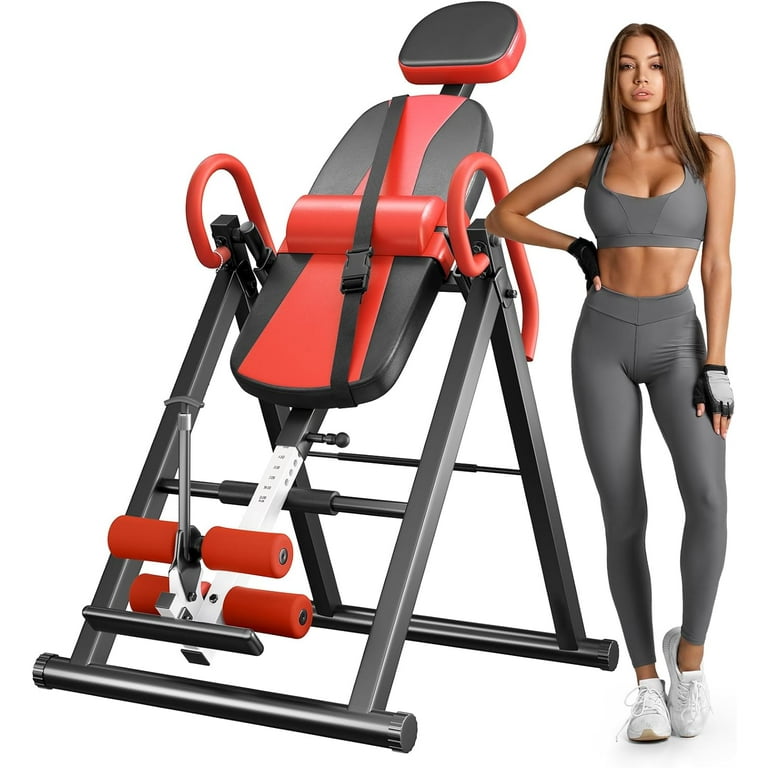
Yoleo Gravity Inversion Table: Pros And Cons
Pros
- Affordable price
- Compact, easy to store
- Decent padding
- Good for occasional use
Cons
- Limited angle options
- Ankle holders may feel tight
- Assembly can be tricky
- Less stable for tall users
Exerpeutic Inversion Table: Pros And Cons
Pros
- Excellent comfort and padding
- Wide range of inversion angles
- Stable, heavy frame
- Easy height adjustment
- Smooth folding mechanism
Cons
- Higher price
- Heavy to move
- Takes up more space
- May require extra help for assembly
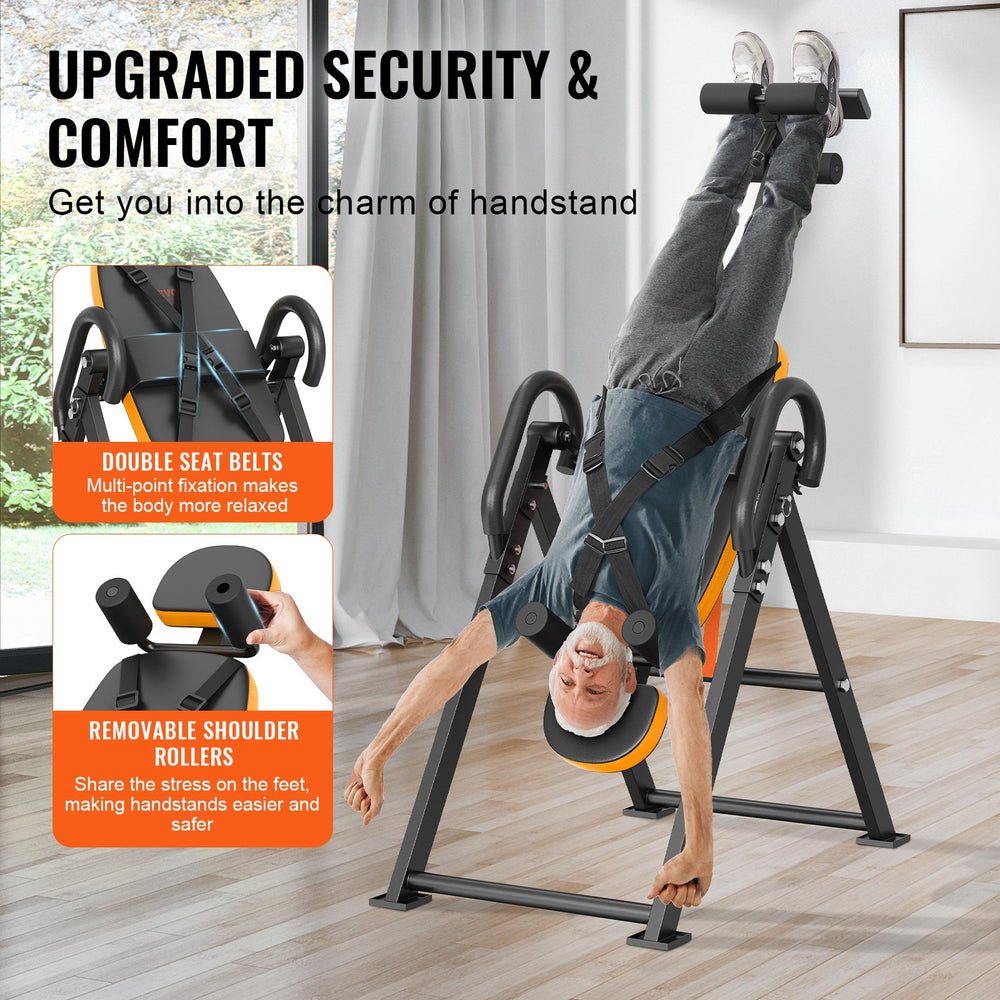
How To Use An Inversion Table Safely
- Start slow: Use low angles (15–20 degrees) for the first week.
- Secure ankles properly: Make sure holders are snug but not too tight.
- Limit sessions: Begin with 2–3 minutes, increase gradually.
- Avoid sudden movements: Move slowly to prevent dizziness.
- Check frame and bolts: Inspect monthly for loose parts.
- Consult your doctor: If you have heart or eye conditions.
Maintenance Tips
- Wipe down after each use to prevent sweat buildup.
- Lubricate pivots every 3–6 months.
- Tighten bolts and screws regularly.
- Store in a dry area to prevent rust.
Where To Buy
Both tables are available online and in stores. Retailers like Amazon, Walmart, and specialty fitness shops offer them. Always check for discounts and warranty options.
For detailed specs and safety information, visit the official Exerpeutic site: Exerpeutic Official Website.
Frequently Asked Questions
What Are The Main Differences Between Yoleo Gravity And Exerpeutic Inversion Tables?
The main differences are in comfort, stability, and angle adjustability. Exerpeutic offers thicker padding, more angle options, and a heavier frame. Yoleo is more compact and affordable but has fewer settings.
Is Inversion Therapy Safe For Everyone?
Inversion therapy is not safe for people with certain conditions, like high blood pressure, glaucoma, or heart problems. Always ask your doctor before starting.
How Long Should I Use An Inversion Table Each Session?
Start with 2–3 minutes at a low angle. Increase gradually up to 10–15 minutes if you feel comfortable. Never rush progress, and stop if you feel dizzy or pain.
Can Both Tables Fit Tall And Heavy Users?
Yes, both tables fit users up to 6’6” and 300 pounds. Exerpeutic is better for taller or heavier users because of extra stability and padding.
What Should I Check Before Buying An Inversion Table?
Check the weight and height limits, comfort of ankle holders, angle settings, safety certifications, and warranty. Make sure the table fits your room and storage needs.
Choosing between the Yoleo Gravity Inversion Table and the Exerpeutic Inversion Table depends on your budget, space, and comfort needs. Exerpeutic offers more features and better comfort, making it ideal for regular use. Yoleo is a good choice for occasional therapy and smaller spaces. With clear specs, user feedback, and expert advice, you can pick the right table and enjoy safer, more effective inversion therapy at home.