
Most inversion tables last about 5 to 15 years when used and maintained properly.
I have tested and reviewed dozens of inversion tables and helped people choose durable models. This guide explains how long do inversion tables last, what drives lifespan, and simple steps to extend service life. Read on for clear, practical advice you can use today.
Today's Exclusive Deals
Limited-time Exclusive Deals. Check current discount on Amazon.
Check Price on Amazon As an Amazon Associate I earn from qualifying purchases.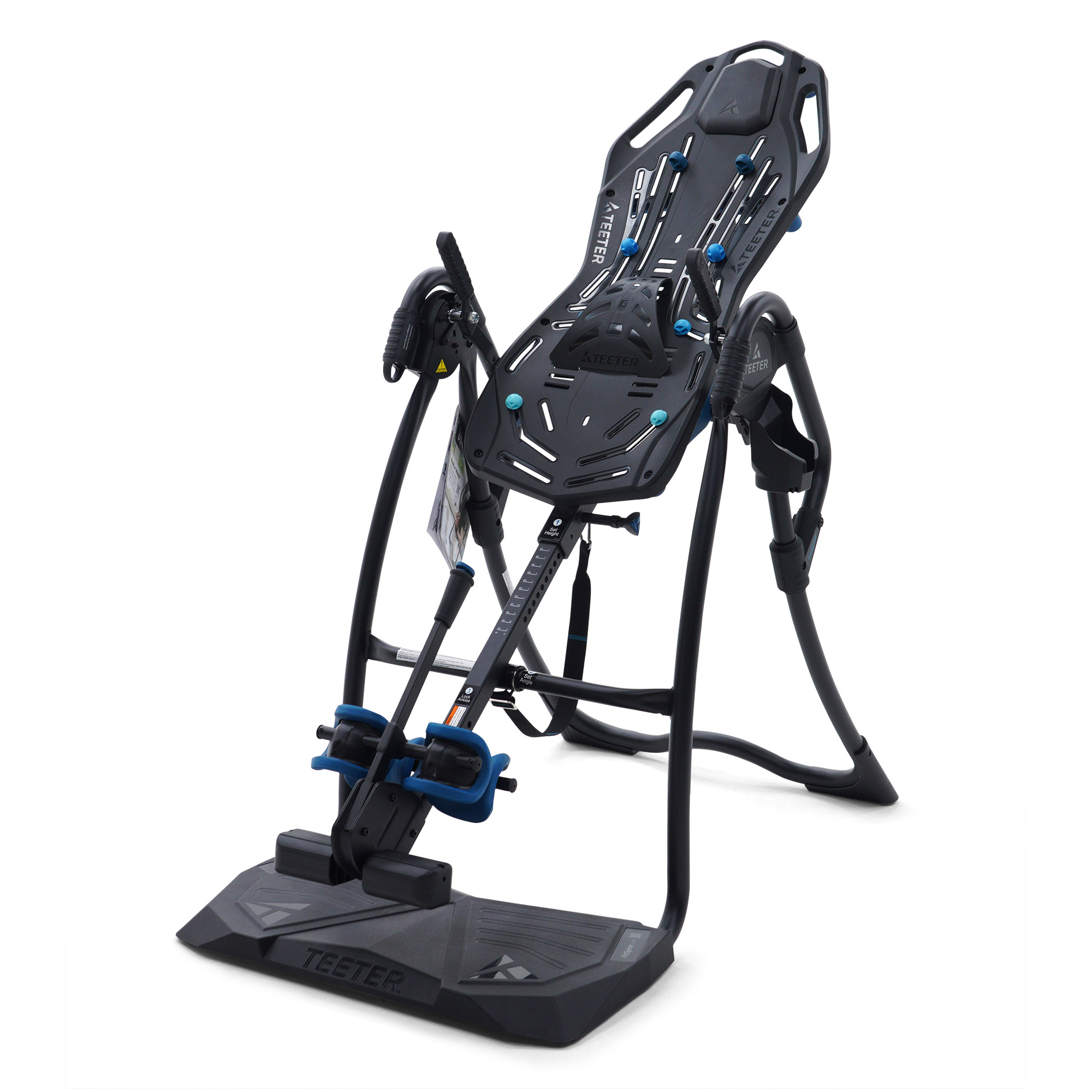
Typical lifespan: How long do inversion tables last and what to expect
A basic home inversion table often lasts 5 to 10 years with light use. Mid-range models commonly reach 8 to 12 years with normal use and care. Heavy-use or commercial-grade tables can last 10 to 15 years or longer when maintained. How long do inversion tables last depends mostly on build quality, use patterns, and maintenance.

Today's Exclusive Deals
Limited-time Exclusive Deals. Check current discount on Amazon.
Check Price on Amazon As an Amazon Associate I earn from qualifying purchases.Key factors that determine how long do inversion tables last
Several things change the life of an inversion table. Keep these in mind when you buy or maintain one.
- Frame material and welding quality. Thicker steel and good welds resist bend and fatigue.
- User weight and frequency of use. Heavier users and daily inversion shorten wear life.
- Moving parts and bearings. Pivot bolts, bushings, and bearings wear faster than the frame.
- Cushions and straps. Foam and vinyl break down sooner than metal parts.
- Environment and storage. Damp or salty air speeds rust and corrosion.

Materials and construction that extend lifespan
Good materials give a longer life. Look for these signs when evaluating a table.
- Heavy-gauge steel frame. It reduces flex and stress at joints.
- Powder-coated finish. This resists chips and rust better than plain paint.
- Solid welds and reinforced joints. They stop cracks from spreading.
- Sealed bearings or bushings. They last longer than plain metal-on-metal pivots.
- Replaceable pads and straps. That avoids throwing out the whole unit when soft parts fail.
How long do inversion tables last rises significantly when you pick models with these features. I avoid lightweight tubular frames for long-term use.
Today's Exclusive Deals
Limited-time Exclusive Deals. Check current discount on Amazon.
Check Price on Amazon As an Amazon Associate I earn from qualifying purchases.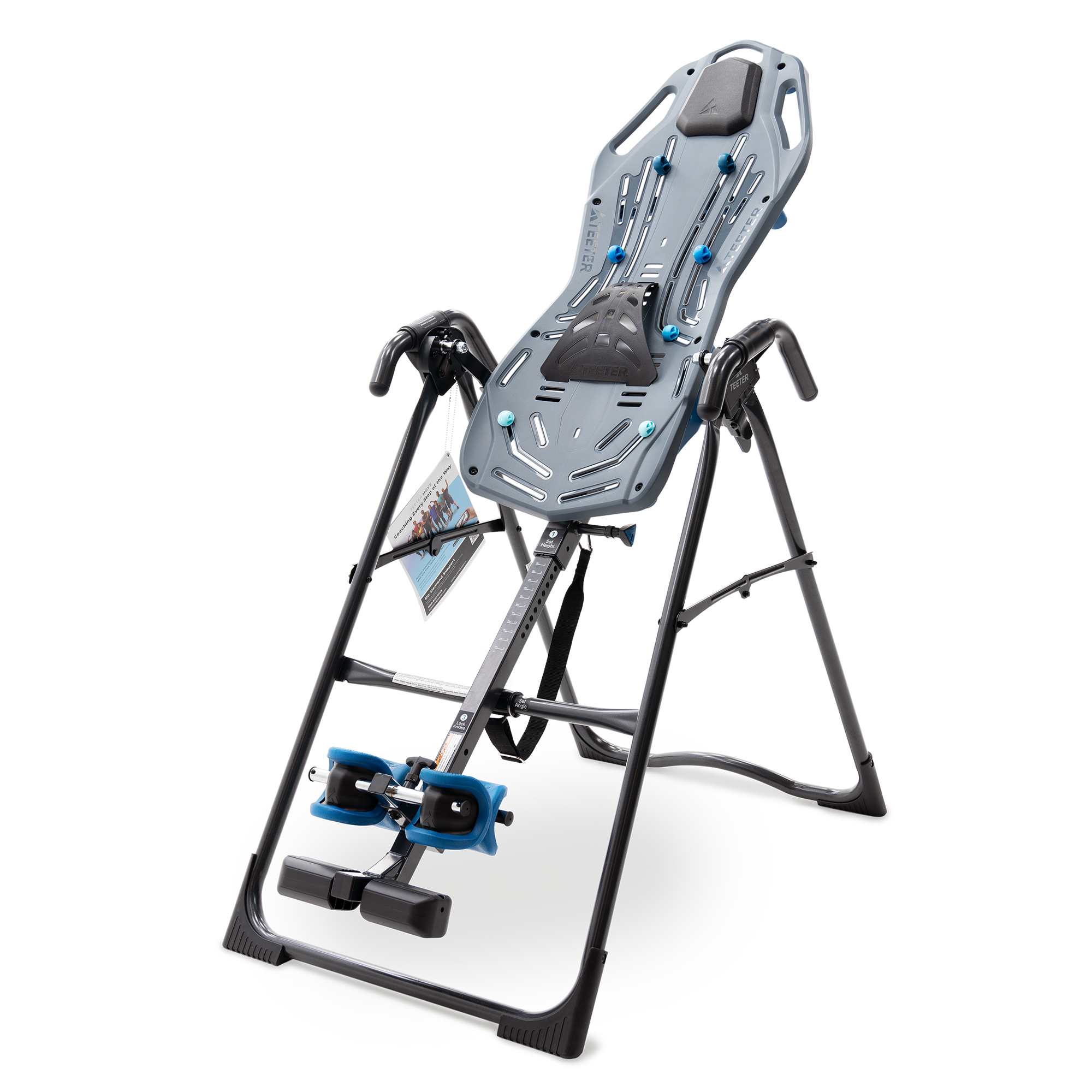
Maintenance tips to make inversion tables last longer
Simple care beats expensive repairs. Do this regularly to lengthen life.
- Tighten bolts and fasteners every month. Loose parts cause wobble and stress.
- Clean sweat and dust from the frame. Wipe with a mild cleaner and dry fully.
- Lubricate pivot points as recommended. This stops noisy wear and binding.
- Replace worn straps and ankle holders promptly. They wear faster than the frame.
- Store indoors and avoid damp basements. Dry storage cuts rust risk.
From my experience, regular bolt checks and a quick monthly wipe cut problems by more than half. These small steps answer the practical part of how long do inversion tables last.
Common signs it's time to replace an inversion table
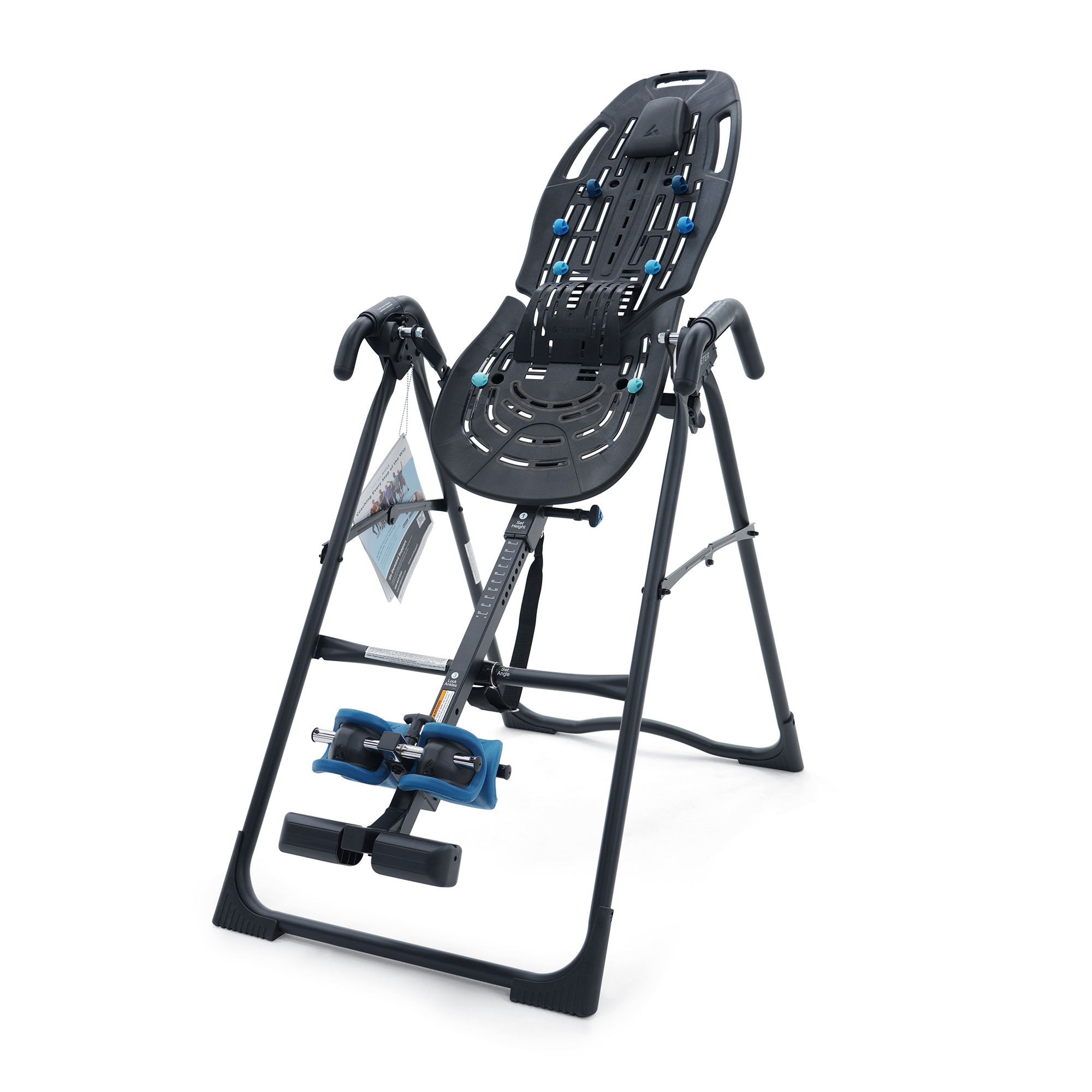
You can often tell when a table has reached the end of useful life. Watch for these clear signs.
- Persistent wobble or frame flex that tightening won't fix.
- Cracks in welds or bent frame sections.
- Rust that perforates the metal or weakens joints.
- Grinding noises from pivots or bearings that lubrication can't stop.
- Ankle holders, straps, or pads that are torn, brittle, or unsafe.
If you see any of these, consider replacing the unit or key parts. Asking how long do inversion tables last becomes practical when you learn to read these warning signs.

Buying and warranty tips to maximize lifespan
Choose wisely up front to avoid early replacement.
- Check the weight limit and pick a table rated above your weight.
- Favor models with a comprehensive warranty and clear replacement-part support.
- Look for customer reviews that mention long-term durability.
- Prefer brands that sell replacement parts, like pads and pivots.
- Consider buying a slightly heavier model to reduce stress and increase lifespan.
A good warranty and easy part access answer the common buyer question of how long do inversion tables last in real life.
Personal experience and lessons learned
I once tested a mid-range table used daily by a 220-pound person. It lasted seven years before the pivot bearings needed replacement. Replacing the bearings and pads extended its life by three more years. That taught me to inspect pivots early and keep spare parts handy. Small fixes often save the whole unit.

Frequently Asked Questions of How long do inversion tables last
How long do inversion tables last with daily use?
Daily use accelerates wear on moving parts and padding. Expect 3 to 8 years for many home models with daily use, depending on build quality.
Does weight affect how long inversion tables last?
Yes. Heavier users place more stress on the frame and pivots. Choosing a table rated well above your weight helps the table last longer.
Can I replace parts to extend lifespan?
Yes. Pads, straps, bearings, and bolts are commonly replaceable. Replacing these parts can add years to a table's usable life.
Are commercial-grade tables worth the investment for home use?
Commercial-grade tables cost more but use heavier materials and stronger pivots. They can last significantly longer, so they can be worth it for heavy or frequent users.
How does rust affect longevity?
Rust weakens metal and can cause sudden failure at joints. Keeping the table dry and touch-up painting chips reduces rust and extends life.
Is professional maintenance necessary to keep an inversion table lasting longer?
Professional checks are not always needed for home use. Basic monthly checks by the owner catch most issues early and keep the table running safely.
How do I know if a table is nearing the end of life?
Look for frame cracks, excessive wobble, and noisy pivots that don't improve with maintenance. These are clear signs it may be time to replace the unit.
Conclusion
A practical answer to how long do inversion tables last is that most last 5 to 15 years with good choices and steady care. Choose a sturdy model, inspect it often, and replace soft parts early to get the most years. Take action now: check bolts, clean pivots, or shop for a higher-grade model if your table shows wear. Share your experience or ask a question below to learn more or get personalized advice.