Most seniors can use inversion tables with medical clearance and careful, gradual use.
I’ve worked with older adults and rehab clients for years, and I know how tempting it is to try tools that promise back pain relief. This article answers whether inversion tables are right for you or a loved one. I’ll explain how inversion tables work, who benefits, who should avoid them, safety steps, what the research says, and practical tips from real-world use. Read on for clear, actionable guidance to decide if Are inversion tables suitable for seniors fits your health plan.
Today's Exclusive Deals
Limited-time Exclusive Deals. Check current discount on Amazon.
Check Price on Amazon As an Amazon Associate I earn from qualifying purchases.
How inversion tables work and what they do for the body
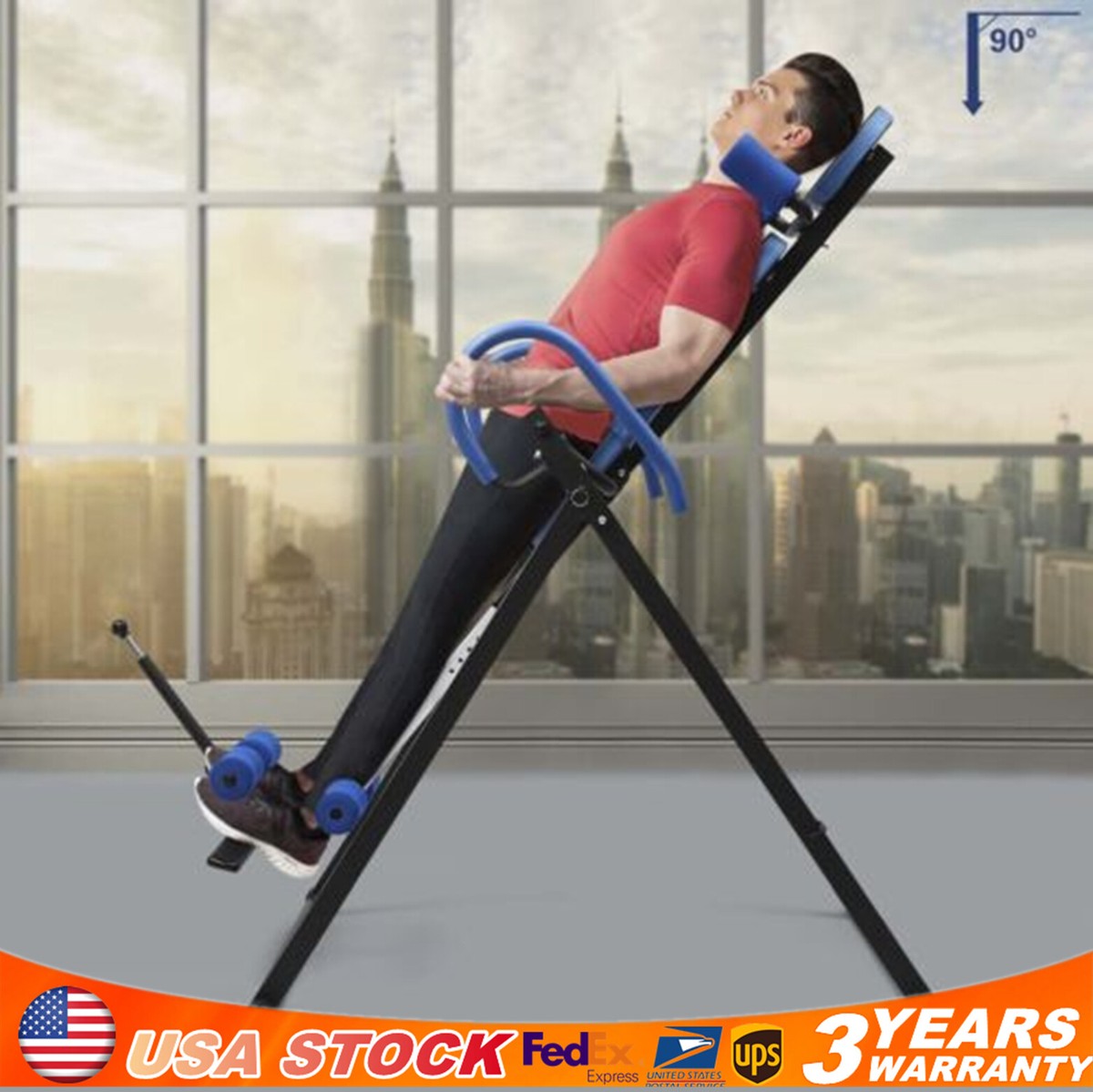
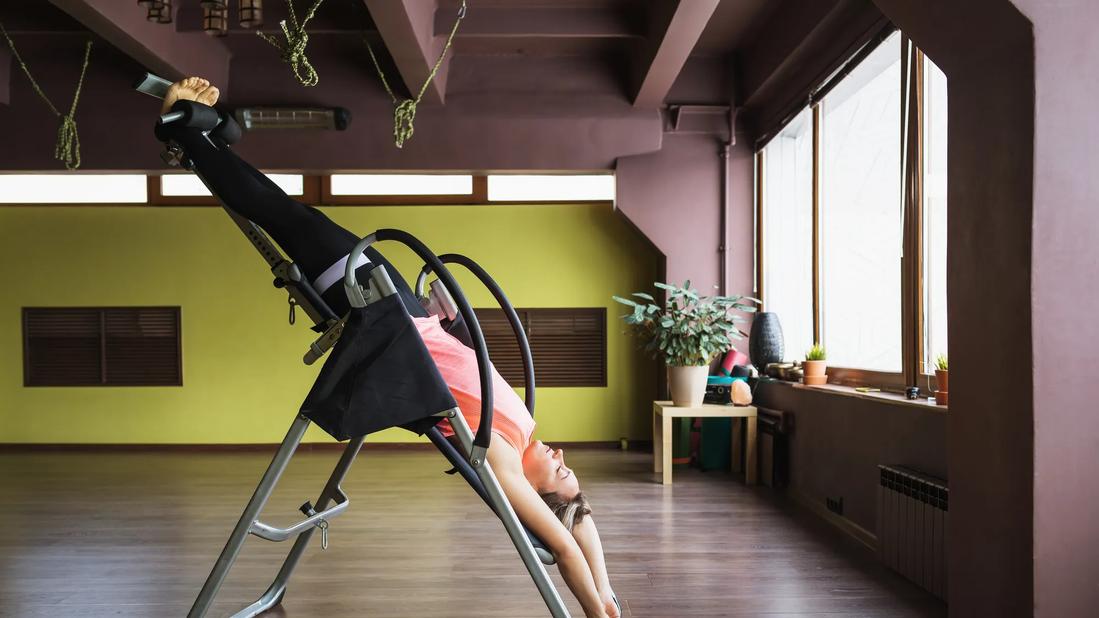
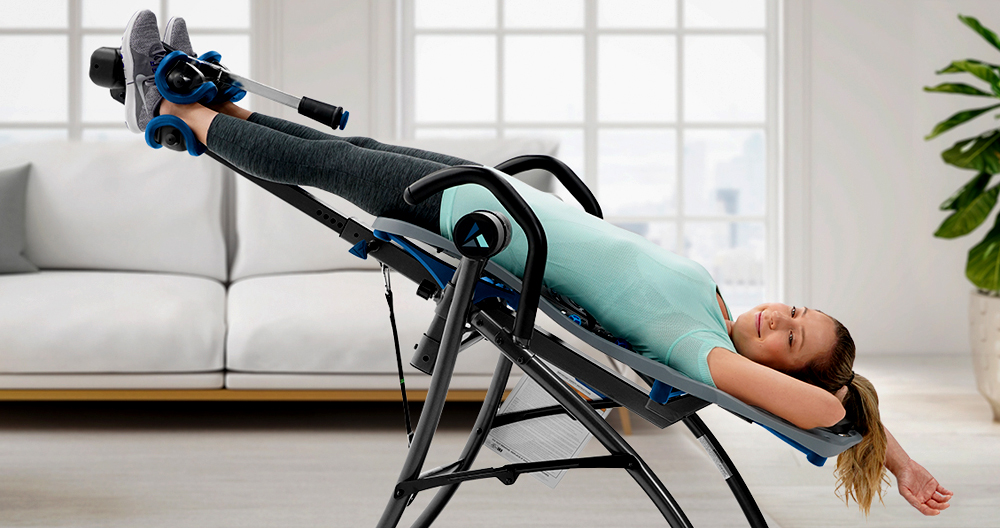
An inversion table lets you lie back and tilt so your head is lower than your hips. This creates a gentle traction force along the spine. The traction may reduce pressure on discs, loosen tight muscles, and improve circulation in the short term.
Inversion promotes spinal decompression for a few minutes at a time. It can also change how gravity loads joints and soft tissues. For seniors, understanding the basic mechanics helps set realistic expectations when asking, Are inversion tables suitable for seniors.

Benefits for seniors: potential gains and realistic expectations
Many seniors try inversion tables to ease low back pain and stiffness. Benefits reported include reduced back pressure, relaxed paraspinal muscles, and temporary pain relief. Some seniors notice improved posture and a feeling of length in the spine after short sessions.
Other possible benefits for seniors include:
- Improved spinal alignment: Gentle traction can relieve pressure on compressed discs.
- Short-term pain reduction: Brief inversion may reduce nerve irritation that causes pain.
- Muscle relaxation: Inversion often winds down tight back and hip muscles.
- Added mobility: Some seniors see small gains in range of motion after regular, cautious sessions.
Keep expectations realistic: inversion offers short-term symptom relief for many people, but it is not a cure-all. When asking Are inversion tables suitable for seniors, think of inversion as one tool in a broader pain-management plan.

Risks, contraindications, and safety concerns for older adults
Inversion tables change blood pressure and eye pressure. That makes them risky for people with certain conditions. Seniors with high blood pressure, heart disease, glaucoma, or recent stroke should avoid inversion or get explicit medical clearance.
Common contraindications include:
- Uncontrolled hypertension or heart conditions
- Glaucoma or retinal disease
- Recent eye surgery or detached retina
- Osteoporosis with high fracture risk
- Recent abdominal or spinal surgery
- Severe balance or mobility problems
Start low and slow. Even if you do not have any of the above conditions, sudden inversion can make lightheadedness, dizziness, or nausea more likely. Always ask your doctor, especially if you have multiple health issues. When evaluating Are inversion tables suitable for seniors, weigh benefits against these clear risks.
How to choose and use an inversion table safely as a senior
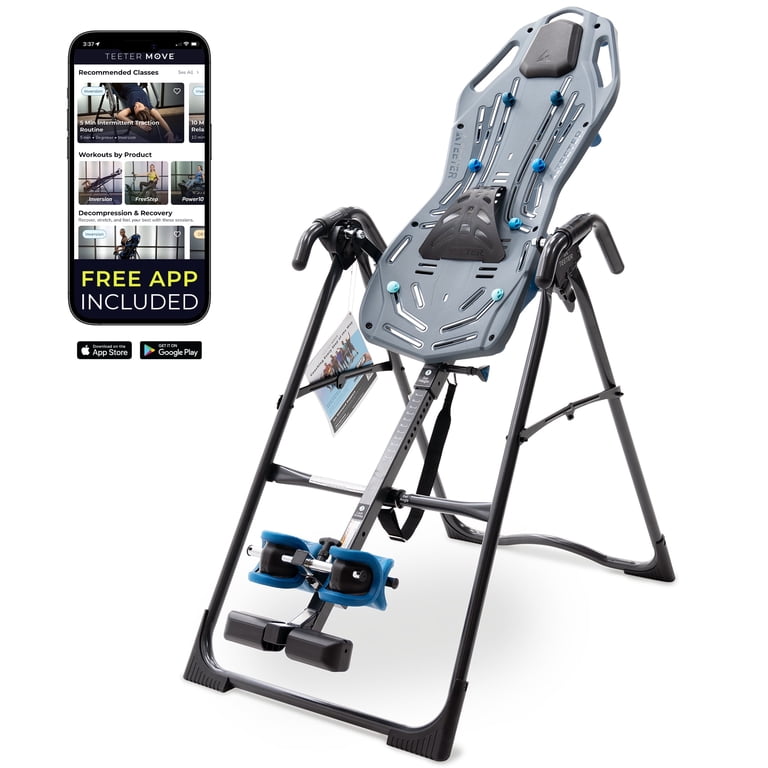
Choosing the right table and using it correctly matters more than the brand. Look for stable frames, easy-to-use ankle locks, adjustable height range, and a safety strap to limit inversion angle.
A step-by-step safe-use plan:
- Get medical clearance: Discuss your plan with a primary care physician or specialist.
- Start upright: Practice the table mechanics without tilting to learn ankle straps and balance.
- Use a shallow angle: Begin at 20 to 30 degrees rather than full inversion.
- Short sessions: Limit to 1 to 2 minutes per session initially, up to 5 minutes if tolerated.
- Breathe and move slowly: Avoid sudden movements when returning upright.
- Have supervision: Especially at first, have a caregiver nearby to assist.
Use supportive footwear or padded straps and place the table on a flat, non-slip surface. Ignore marketing that promises instant fixes; safety and gradual progress are key when deciding Are inversion tables suitable for seniors.
What the research and experts say
Clinical studies on inversion therapy show mixed results. Some small trials report short-term relief of low back pain and decreased disc pressure. Other studies find limited long-term benefit and caution on cardiovascular strain.
Expert guidance highlights:
- Limited but positive short-term outcomes for certain types of back pain
- Insufficient evidence for strong, long-term conclusions
- Clear safety concerns for those with cardiovascular or ocular conditions
When considering Are inversion tables suitable for seniors, rely on both the limited study evidence and professional medical advice. The current research supports cautious, supervised short-term use for selected individuals rather than widespread recommendation for all seniors.

Personal experience: what I’ve seen with older clients and lessons learned
I have worked with seniors in home care and rehab settings who tried inversion tables. A few felt immediate relief after brief use. Others experienced dizziness or a spike in blood pressure and had to stop.
Lessons I learned:
- Always test under supervision. A helper makes the first sessions safer.
- Keep sessions short and angles shallow. Less is almost always better.
- Combine inversion with exercises. Stretching and core work keep gains longer.
- Track blood pressure before and after the first few sessions to watch for spikes.
If you ask me directly, Are inversion tables suitable for seniors? I say yes, but only for carefully screened seniors who follow conservative use and professional guidance.
Common short questions (PAA-style)
Q: Can seniors safely try inversion therapy at home?
A: With medical clearance and a conservative approach, some seniors can try inversion at home. Supervision and shallow angles reduce risk.
Q: How long should seniors use an inversion table per session?
A: Start with 1 to 2 minutes at a low angle and only increase slowly if there are no adverse symptoms. Most benefits are short-term.
Q: Will inversion tables cure chronic back pain in seniors?
A: No. Inversion can offer temporary relief but is not a cure. It works best as part of a broader plan including exercise and physical therapy.

How to integrate inversion safely into a senior fitness plan
Don’t rely on inversion alone. Combine it with low-impact exercise, stretching, and posture work. A typical safe weekly plan might include 2 to 3 short inversion sessions plus daily mobility exercises.
Sample integration tips:
- Pair inversion with light stretches for the hamstrings and hips afterward.
- Use core-strengthening exercises to support spinal stability.
- Keep a symptom log to share with your clinician.
- Stop immediately if you feel chest pain, severe dizziness, or vision changes.
Are inversion tables suitable for seniors when used this way? Yes, they can be a useful adjunct for selected people.
Practical buying tips and features to prioritize
When shopping, look for:
- Stable, heavy-duty frame: Better stability lowers fall risk.
- Easy ankle support: Comfortable, secure straps or clamps are essential.
- Safety strap or adjustable angle: Limits your tilt to safe degrees.
- Weight capacity and easy adjustments: Matches the user’s size and height.
- Good warranty and clear instructions: Helpful for peace of mind.
Try a demo if possible and test the table slowly. Choosing wisely reduces risk and improves the chance that Are inversion tables suitable for seniors will give benefit.
Frequently Asked Questions of Are inversion tables suitable for seniors
Can seniors with high blood pressure use an inversion table?
Seniors with uncontrolled high blood pressure should avoid inversion unless cleared by a physician. Inversion can raise blood pressure and strain the heart.
How often should a senior use an inversion table?
Begin with 2 to 3 short sessions per week and see how you respond. Keep sessions brief and increase only with professional approval.
Are there safer alternatives to inversion therapy for seniors?
Yes. Physical therapy, targeted stretching, water therapy, and traction performed by clinicians are safer alternatives for many seniors. These options can offer similar benefits with less risk.
Will inversion worsen osteoporosis in seniors?
Inversion does not directly worsen osteoporosis, but the risk of falls and fractures increases if you lose balance. Avoid inversion if osteoporosis is severe and consult your doctor.
Do seniors need supervision when using an inversion table?
Supervision is strongly recommended for the first several sessions. A helper can assist with straps, balance, and emergency response if needed.
Can inversion help sciatica in older adults?
Some seniors find temporary relief from sciatica symptoms after short inversion sessions, as traction may reduce nerve pressure. Results vary, and professional guidance is recommended.
Conclusion
Deciding whether Are inversion tables suitable for seniors comes down to careful screening, medical clearance, and conservative use. For selected seniors, short, supervised sessions at shallow angles can ease back pressure and offer temporary relief. For others—especially those with heart, eye, or severe bone conditions—inversion poses real risks and should be avoided.
Takeaway: consult a healthcare provider, start low and slow, use strong safety practices, and combine inversion with exercise and therapy. If this topic matters to you, talk with your clinician, try a safe demo, and share your experience below. Leave a comment or subscribe to learn more about safe senior fitness options.