
Clean bolts, wipe the frame, inspect straps, lubricate pivots, and store dry—do this monthly for safety.
I have used and maintained inversion tables for years, and I know what keeps them safe and reliable. This guide explains how do you maintain an inversion table step by step, with clear checks, cleaning tips, lubrication advice, and signs that warrant repair. Read on for practical routines, mistakes to avoid, and real tips from hands-on experience to help your inversion table last longer and stay safe.

Today's Exclusive Deals
Limited-time Exclusive Deals. Check current discount on Amazon.
Check Price on Amazon As an Amazon Associate I earn from qualifying purchases.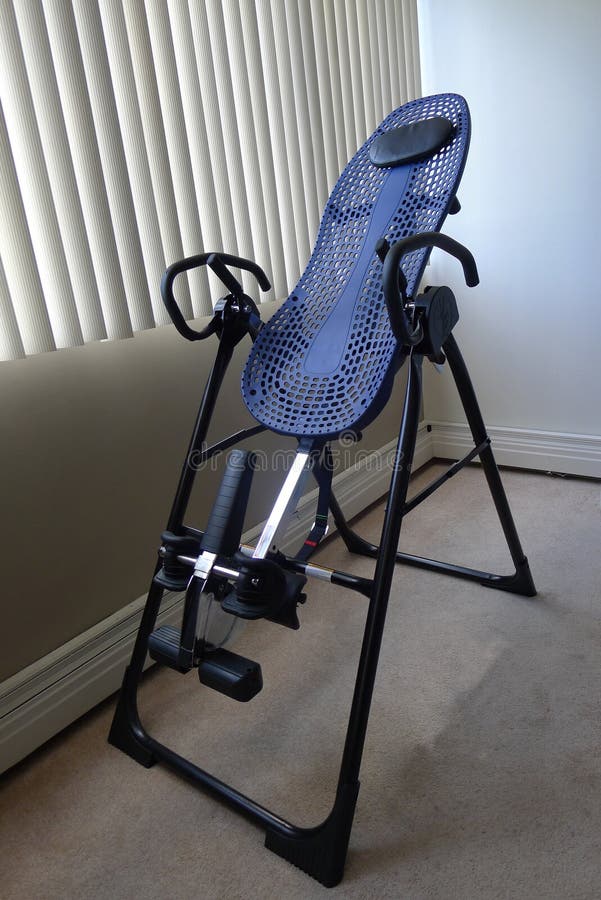
Maintenance basics for an inversion table
Good maintenance starts with a simple plan. How do you maintain an inversion table? Start with regular visual checks, cleaning, and tightening fasteners. Treat the table like a bike or a tool: small, regular care prevents bigger problems later.
Key routine tasks
Today's Exclusive Deals
Limited-time Exclusive Deals. Check current discount on Amazon.
Check Price on Amazon As an Amazon Associate I earn from qualifying purchases.- Inspect frame and welds for cracks or rust.
- Check bolts and nuts for tightness.
- Examine ankle support, straps, and handles for wear.
- Wipe down pads and the frame to remove sweat and dust.
Why routine matters
- Safety improves when parts are intact and tight.
- Performance stays smooth when pivots are clean and lubricated.
- Small fixes cost less than major repairs or replacement.
Personal tip: I mark a calendar to do a quick check every two weeks. That small habit found a loose bolt before it became an issue.

Routine cleaning and sanitation
Cleaning keeps the table hygienic and extends pad life. How do you maintain an inversion table to stay clean? Use mild soap, water, and a soft cloth. Avoid harsh chemicals that can damage padding or paint.
Today's Exclusive Deals
Limited-time Exclusive Deals. Check current discount on Amazon.
Check Price on Amazon As an Amazon Associate I earn from qualifying purchases.Step-by-step cleaning
- Remove dust with a dry cloth or soft brush.
- Mix mild soap and warm water for wipe-downs.
- Clean cushions and ankle cuffs gently, then air dry.
- Wipe metal parts and dry them to prevent rust.
Sanitation tips
- Use disinfectant wipes approved for gym gear if multiple people use the table.
- For foam or leather-like pads, follow the manufacturer care label.
- Never soak metal joints; moisture can cause corrosion.
My experience: after daily sessions, I wipe sweat spots right away. That kept the foam from breaking down and the frame from staining.
Safety checks and hardware inspection
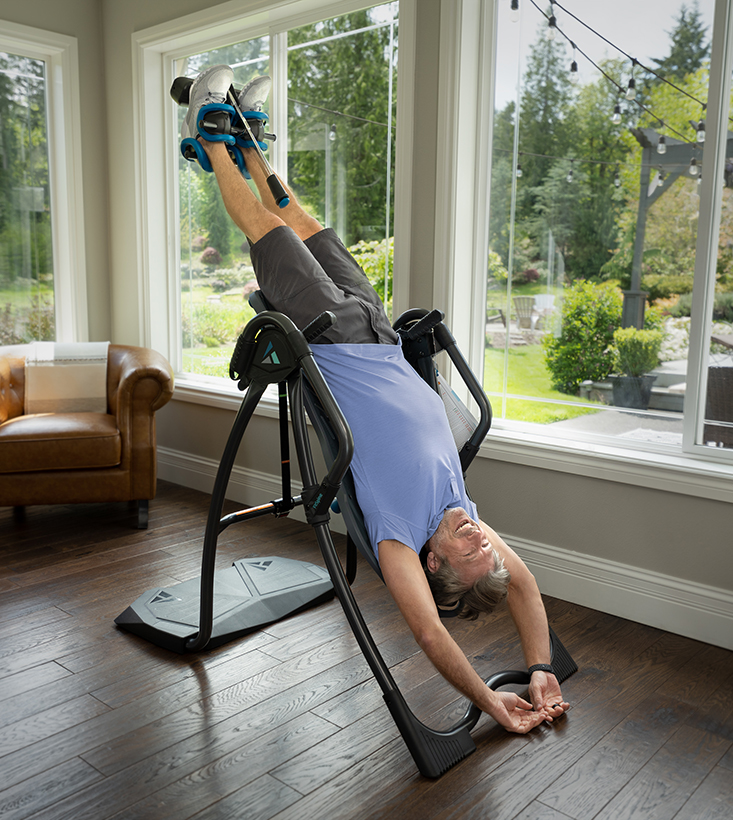
Safety checks are non-negotiable. How do you maintain an inversion table to stay safe? Inspect critical hardware every time you use the table and do a deeper check monthly.
Daily quick checks
- Confirm all safety pins and locks are engaged.
- Test ankle locks before full inversion.
- Ensure the safety strap or stop is set to the correct angle.
Monthly deep checks
- Tighten all bolts with the right tools and torque when specified.
- Look for bent or cracked parts, especially on the main frame.
- Replace any frayed straps, worn padding, or loose fasteners.
Mistakes to avoid
- Do not skip verifying ankle lock condition.
- Avoid over-tightening bolts; follow torque guidance if provided.
- Do not use the table if you detect a structural crack.

Source: ebay.com
Lubrication and moving parts
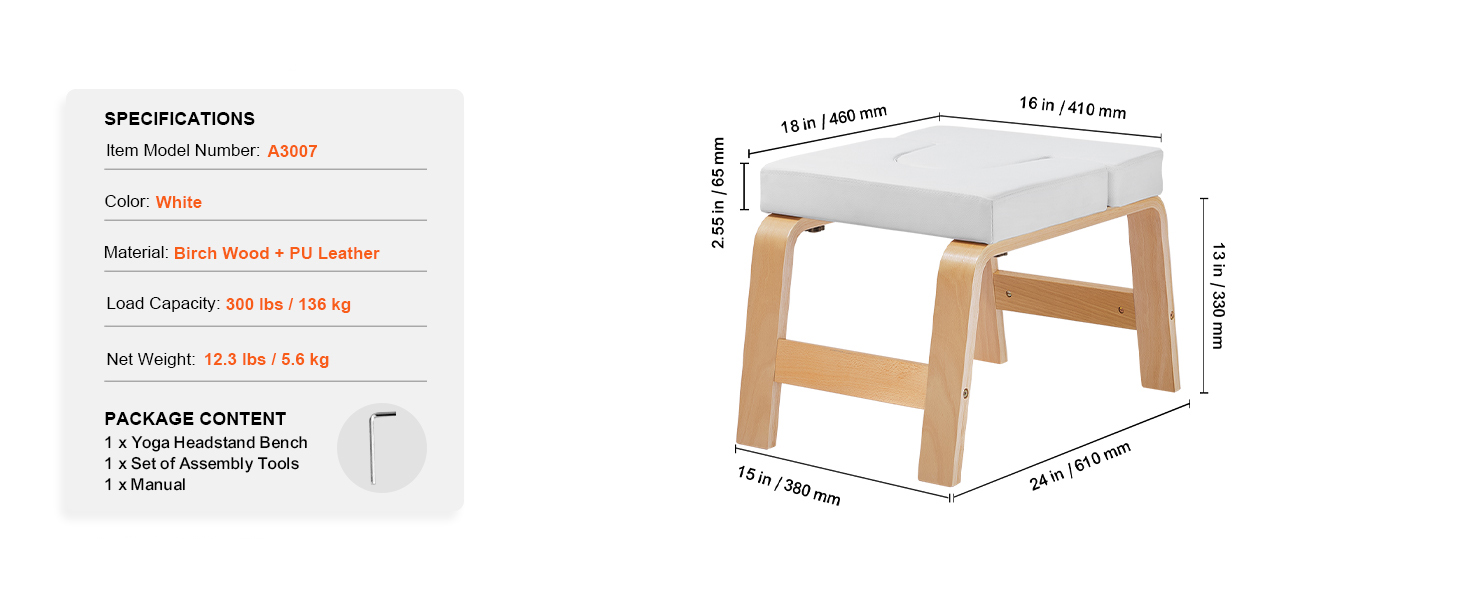
Pivots and bearings need light care to move smoothly. How do you maintain an inversion table’s pivot points? Lubricate them sparingly with a silicone-based spray or light machine oil.
Where to lubricate
* Main pivot points where the frame rotates.
- Locking pin mechanisms and angle-adjust levers.
- Sliding surfaces that contact each other.
How to lubricate safely
- Wipe off old grime first.
- Apply a small amount of lubricant. Wipe away excess.
- Cycle the table through its range to spread the lubricant.
Personal note: I use a silicone spray quarterly. It keeps movement quiet and feels safer during inversion. Avoid heavy greases that attract dust and grit.
Storage and seasonal care
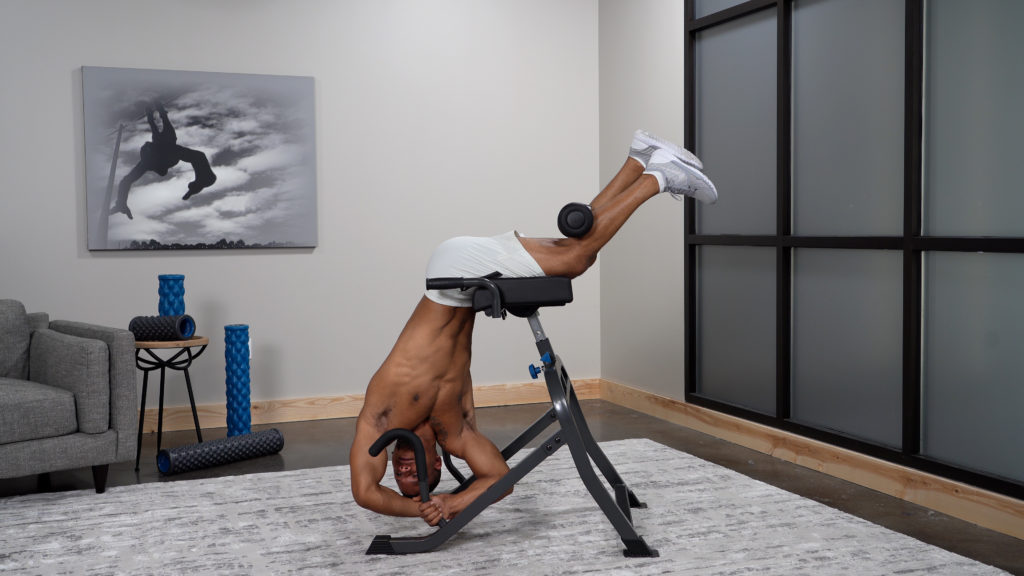
Correct storage prevents rust and pad damage. How do you maintain an inversion table when not in use? Keep it in a dry, climate-controlled spot and cover it if possible.
Storage tips
- Fold and store upright to save space and reduce strain on parts.
- Use a breathable cover to protect against dust.
- Keep away from damp basements or direct sunlight that can fade pads.
Seasonal care
- In humid months, check for early rust and dry parts after cleaning.
- In cold months, bring the table into a warm room before use so parts don’t stiffen.
I once left a table in a garage and found rust on pivots. After that, I moved it indoors and the table stayed like new.
:max_bytes(150000):strip_icc()/Inversion-tables-b3f71004c87749678e3bc20fc838f99b.jpg)
Troubleshooting common issues
Even with care, things can go wrong. How do you maintain an inversion table once problems appear? Diagnose early and fix simple issues before they escalate.
Common problem and fix
- Squeaking pivots — clean and lubricate pivot points.
- Loose frame — tighten bolts and check mounts.
- Worn ankle cuffs — replace cuffs or padding.
- Sticky angle adjuster — remove debris, lubricate, and inspect locking pin.
When to call a pro
- Structural cracks or bent frames need expert repair.
- Complex bearing replacement may require service.
Example: I had a noisy locking pin. A quick clean and a drop of oil fixed it in minutes.
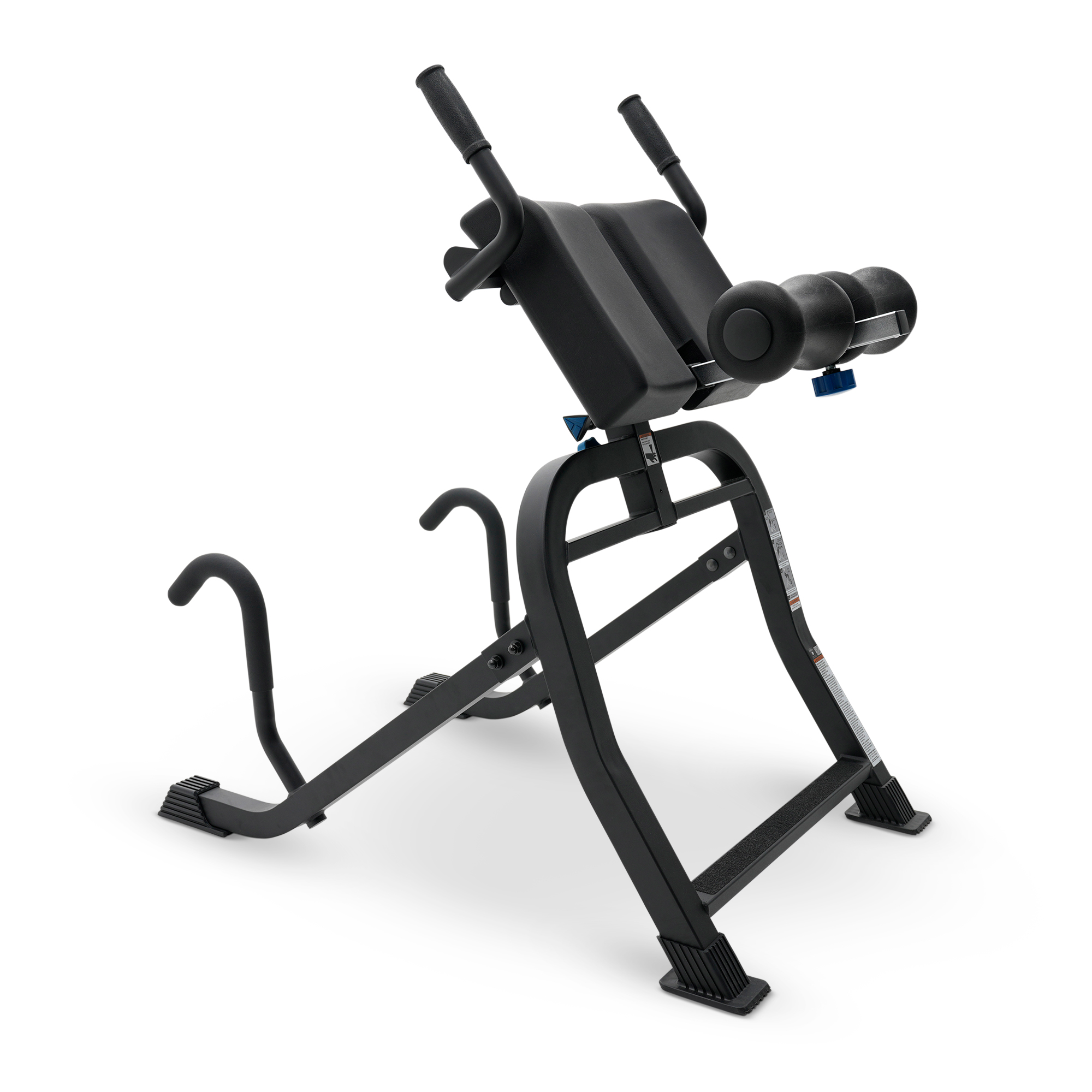
When to repair or replace parts
Know when repair is enough and when to buy new parts. How do you maintain an inversion table so it remains safe over years? Replace worn safety components and consider a new table when the main frame is compromised.
Replace these parts when worn
- Ankle supports and cuffs.
- Safety straps and locking pins.
- Foam pads that no longer hold shape.
Repair vs replace decision points
- Replace the table if the main frame has a structural crack.
- Repair small parts like bolts, pads, and rollers at home.
- Use manufacturer replacement parts when possible.
Tip from experience: I always buy OEM ankle cuffs. They fit right and last longer than cheaper copies.

Frequently Asked Questions of How do you maintain an inversion table
How often should I inspect my inversion table?
Inspect the inversion table visually before each use and perform a deeper check monthly. Regular checks catch loose bolts and wear early.
What lubricant is best for pivot points?
Use a silicone spray or light machine oil. These lubricants protect metal without attracting heavy dust and grit.
Can I use household cleaners on the pads?
Use mild soap and water or disinfectant wipes safe for gym equipment. Avoid bleach or harsh solvents that can damage foam and coverings.
How long do ankle cuffs typically last?
Ankle cuffs last 1–3 years depending on use and care. Replace them sooner if they show cracks, fraying, or loss of locking ability.
Is it safe to repair a cracked frame myself?
No. A cracked frame affects structural safety and should be evaluated by a professional or replaced. Continued use can cause injury.
Conclusion
Regular care keeps your inversion table safe, smooth, and long-lasting. Follow simple steps: inspect often, clean pads, tighten hardware, lubricate pivots, and store the table properly. Use OEM parts for repairs and get professional help for structural damage. Start a small maintenance habit this week—mark your calendar or set a phone reminder—and your table will reward you with reliable, safe use. If this guide helped, try these steps and leave a comment or subscribe for more hands-on equipment care tips.