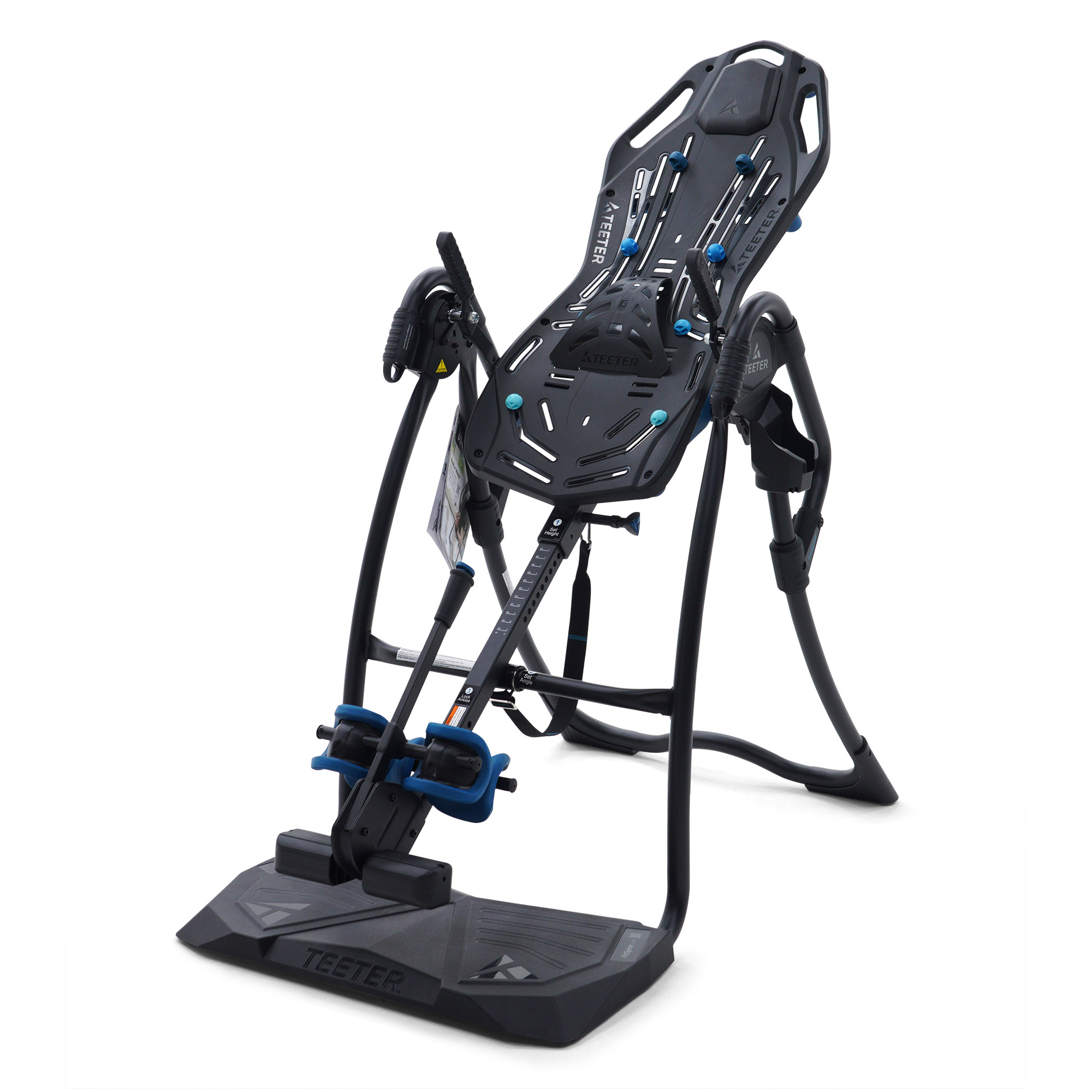
Set the height pin to your leg length, align the ankle cradle, then lock the pivot securely.
Exclusive Deals
Limited-time Exclusive Deals. Check current discount on Amazon.
Check Price on Amazon As an Amazon Associate I earn from qualifying purchases.I’ve adjusted dozens of inversion tables for clients and for my own use, so I know how do you adjust an inversion table for your height safely and precisely. This guide walks you through measuring, setting the height pin, balancing the pivot, and testing the table so you get correct alignment, better traction, and a safer inversion session.
Why proper adjustment matters
Setting the table to match your body keeps your spine centered and your joints safe. When you know how do you adjust an inversion table for your height, the table tilts evenly and you avoid excess pressure on ankles or lower back.
Proper adjustment also reduces the chance of slipping and helps you control tilt angle for therapeutic benefit. Small mistakes in setup make big differences in comfort and safety.
Exclusive Deals
Limited-time Exclusive Deals. Check current discount on Amazon.
Check Price on Amazon As an Amazon Associate I earn from qualifying purchases.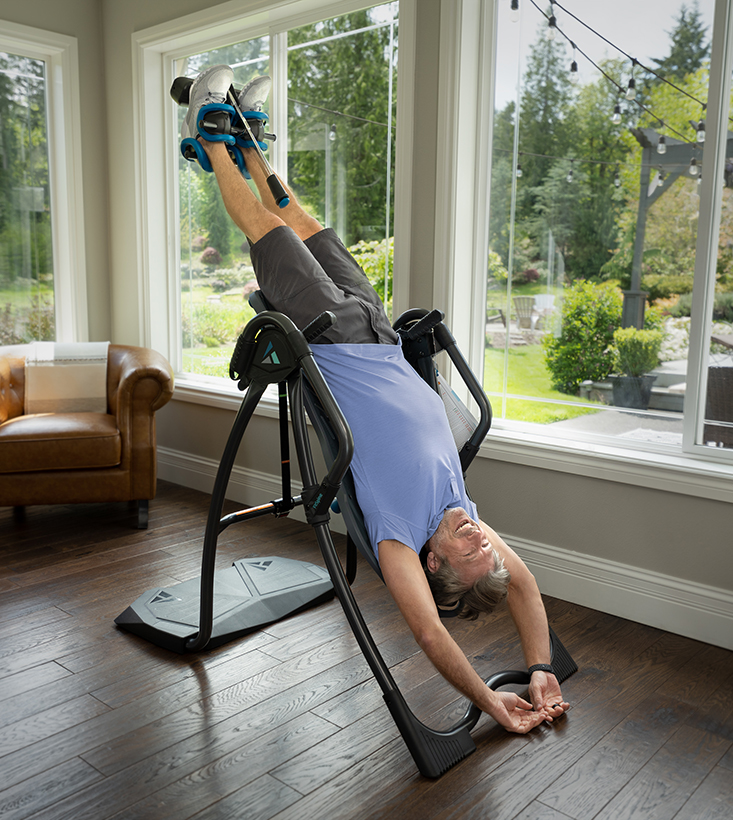
How do you adjust an inversion table for your height — Step-by-step
When you ask how do you adjust an inversion table for your height, follow these clear steps. Take your time; accurate setup takes only a few minutes but improves every session.
Measure your standing height
 Deal
DealExclusive Deals
Limited-time Exclusive Deals. Check current discount on Amazon.
Check Price on Amazon As an Amazon Associate I earn from qualifying purchases.- Stand barefoot against a wall and mark the top of your head. Measure from the floor to the mark. This is your standing height.
- Some tables use “ankle-to-head” or “floor-to-head” numbers; always match your table’s measurement method.
Locate the height indicator and pin
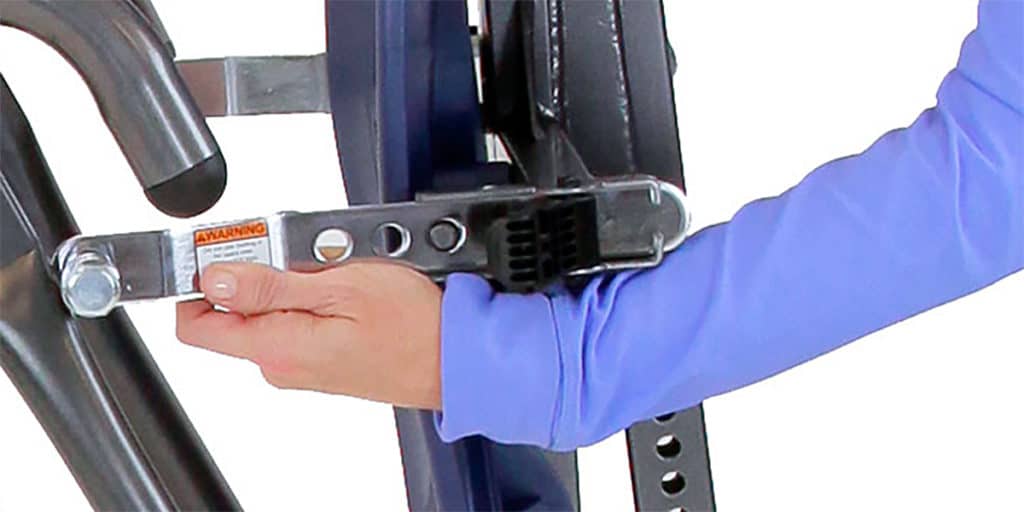
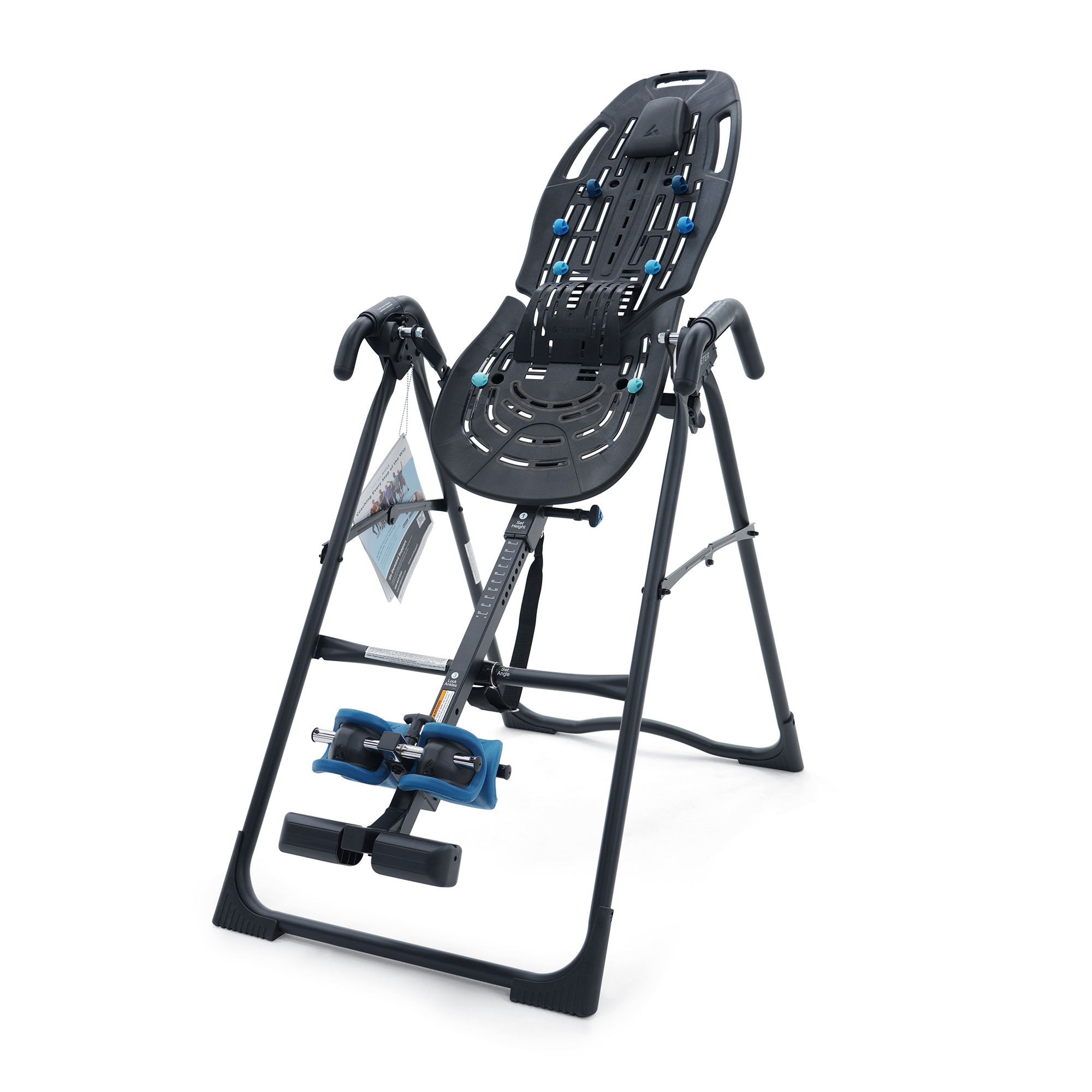
- Most tables have a height scale on the center shaft or the height tube. Find the height pin or locking bolt.
- When you understand how do you adjust an inversion table for your height, the height pin is the key locator for safe rotation.
Set the height pin to your measurement
- Slide the height tube until your measured height lines up with the marker. Insert the pin fully until it clicks or locks.
- Double-check that the pin sits flush and cannot pull out during use.
Adjust the ankle locking system
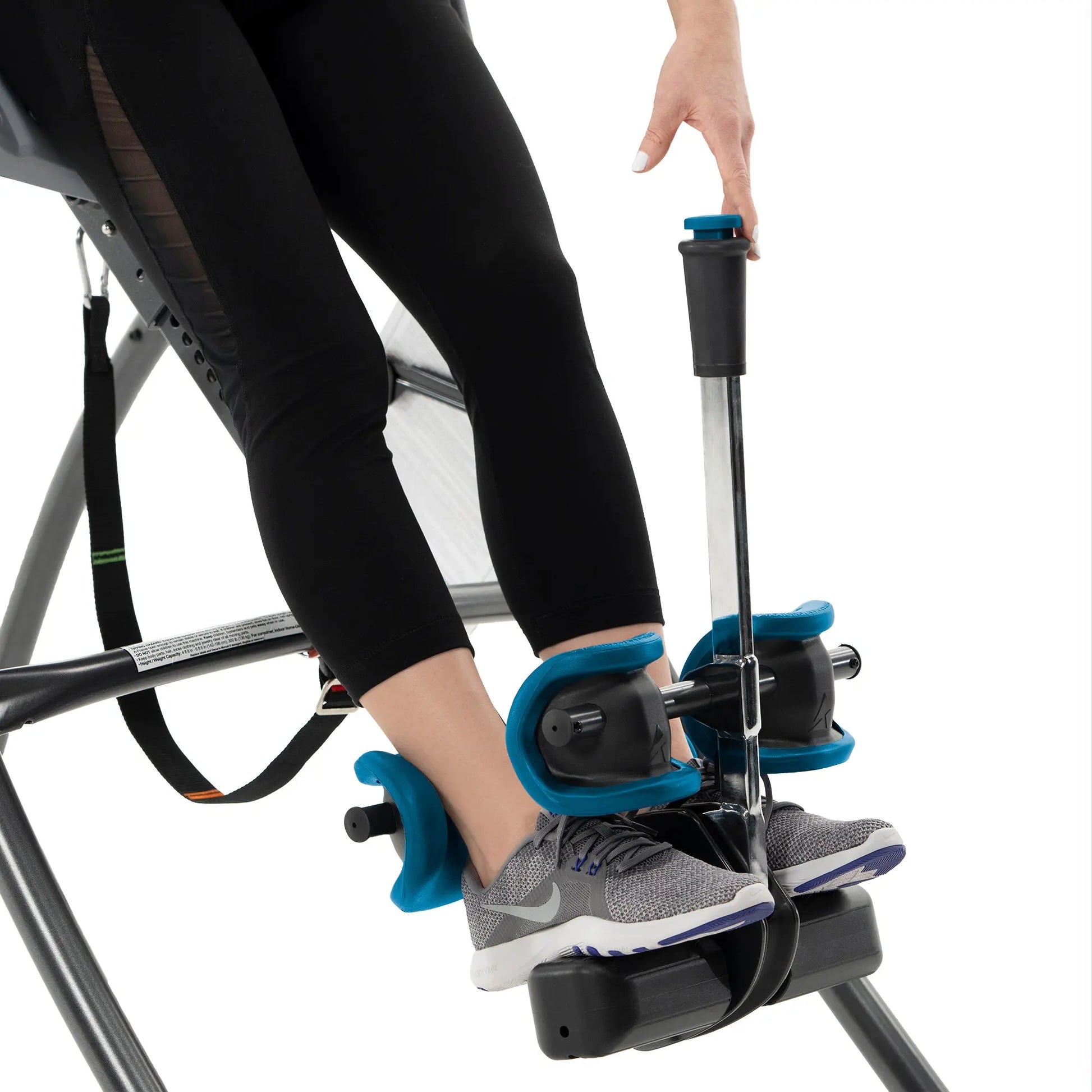
- Position the ankle cradle so the ankle pads sit snugly just above your ankle bone. Tighten the strap or lever per manufacturer guidance.
- Proper ankle fit prevents slipping and makes how do you adjust an inversion table for your height actually work in practice.
Find the balance point
- Stand on the table platform, fold over the pivot, and hold the side handles. Slowly lean back to see where your body balances.
- If your body is front-heavy, move the backrest forward slightly along its rails; if back-heavy, move it back. This helps the table rotate around your center correctly.
Set the inversion angle and test gently
- Start flat, then tilt to a small angle first, like 20–30 degrees. Gradually increase if you feel stable and comfortable.
- Test how do you adjust an inversion table for your height with a short 1–2 minute session before longer uses.
Final safety checks
- Confirm all pins and knobs are tight and the ankle locks are secure. Make sure the table is on a level floor and away from walls.
- Keep a phone nearby the first few times and consider having someone in the room to assist.
Common adjustments and features to know
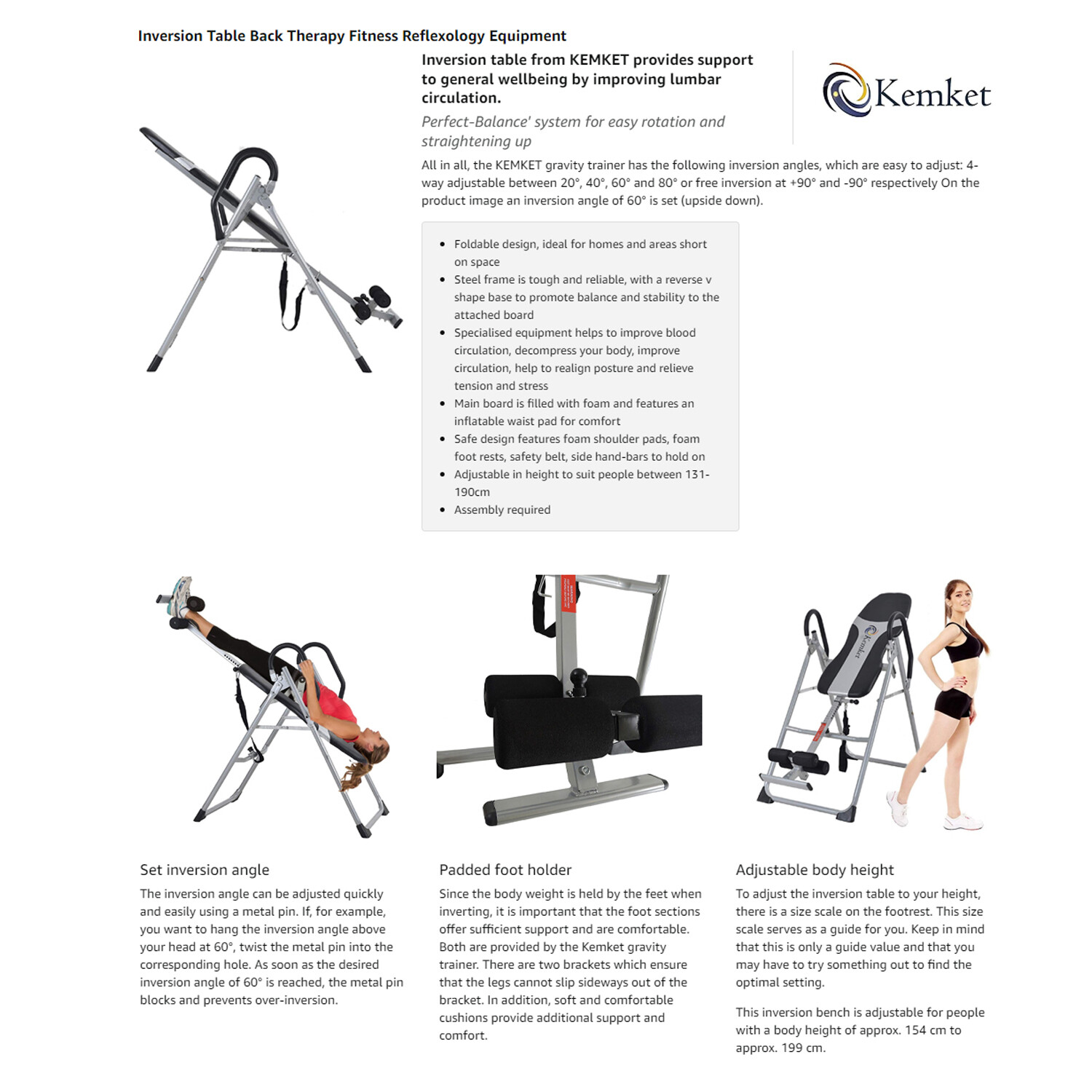
Table designs vary. Knowing common features helps you set the right height quickly.
Height tube with numbered holes
- Most models use a sliding tube with holes and a spring pin. Match your measured height to the nearest hole.
- If holes don’t align exactly, use the closest lower setting and test balance.
Adjustable ankle clamps
- Some clamps use foam rollers and a ratchet strap. Others use a lever lock. Adjust until snug but not painful.
- If you feel numbness, release and reposition slightly higher or lower.
Foot platform and stabilizers
- Some tables have a foot platform that changes leverage. Position your feet as manufacturer recommends to keep balance centered.
- Stabilizers at the base prevent tipping; ensure they are fully extended or engaged.
Fine tuning with the backrest position
- Small backrest adjustments change your center of gravity. Use these to fine-tune balance after setting the height pin.
- When learning how do you adjust an inversion table for your height, backrest tweaks are often the final step.
Safety, contraindications, and best practices
Inversion therapy is not for everyone. Talk to a healthcare provider before starting if you have high blood pressure, glaucoma, heart disease, or are pregnant. Knowing how do you adjust an inversion table for your height does not replace medical clearance.
- Start slowly and listen to your body
- Keep initial sessions short and at low angles. Stop if you feel dizziness, severe pain, or nausea.
- Avoid extreme angles for long periods
- Longer inversion at high angles increases blood pressure in the head. Increase tilt gradually over days or weeks.
- Use a spotter when learning
- A buddy can help check your setup and steady you the first few uses. This makes learning how do you adjust an inversion table for your height safer.
Troubleshooting and tips from my experience
I once set a table by height but ignored the ankle fit. The table slipped slightly and I felt unstable. Learn from that.
Common mistakes to avoid
- Relying on a rough eyeball for height instead of measuring. Always measure.
- Over-tightening ankle clamps until they hurt — aim for firm comfort, not pain.
Helpful tweaks I use
- Mark your height setting with a piece of tape for quick reset.
- Keep a small towel under the ankle pads for extra grip when pads wear thin.
When the table still feels off
- Re-check the balance point and move the backrest a hole or two. If wobble persists, inspect pins and bolts for wear.
Maintenance tips
- Regularly tighten bolts and grease pivots as recommended. Proper maintenance keeps your adjustments accurate.
Quick questions people ask (PAA-style)
How do you adjust an inversion table for your height if holes don’t match your measurement?
- Use the nearest lower hole and fine-tune balance with the backrest position until the table rotates smoothly.
How do you adjust an inversion table for your height when you share the table with a partner?
- Each person should measure and set the height pin to their own mark before use and always test tilt briefly before a full session.
How do you adjust an inversion table for your height to reduce pressure on ankles?
- Move the ankle pads slightly higher toward the calf and use extra padding to distribute pressure more evenly.
Frequently Asked Questions of How do you adjust an inversion table for your height
How do you adjust an inversion table for your height if you are very tall or short?
Most tables accommodate a wide range, but for extremes you may need a table with a longer height tube or a model rated for your height. Choose a table that lists your height range to ensure proper fit.
How do you adjust an inversion table for your height without a height chart?
Measure your full standing height and align the table’s sliding tube to your measured number, then secure the pin in the closest hole. Test balance and tweak backrest to fine-tune.
How do you adjust an inversion table for your height safely with ankle pain?
Loosen ankle straps slightly and position pads to avoid pressure on sensitive spots; use foam padding and keep tilt angles low. Consult a clinician if ankle pain persists.
How do you adjust an inversion table for your height for shared use?
Have each user measure and set the pin before their session and mark preferred settings with tape. Re-check ankle fit and balance each time someone new uses the table.
How do you adjust an inversion table for your height if the table is wobbling?
Ensure the height pin is fully engaged and tighten all knobs. Check the base is level and extend stabilizers; if wobble continues, inspect for bent components or loose hardware.
Conclusion
Getting the height setting right gives you safer, more effective inversion sessions and reduces discomfort. Measure precisely, set the height pin, lock the ankle system, find the balance point, and test gently — those steps will make how do you adjust an inversion table for your height work every time. Try the setup checklist in your next session, keep notes on your settings, and share your results or questions below to learn from others’ experiences.