
Inversion tables can help some people relieve back pain, but they are not a one-size-fits-all solution.
I have worked with back-pain solutions for years and tested different devices. In this article I break down whether inversion tables are worth the investment. I explain how they work, who benefits, what the research says, and what to watch for. Read on for clear, practical advice so you can decide if an inversion table fits your needs and budget.

Today's Exclusive Deals
Limited-time Exclusive Deals. Check current discount on Amazon.
Check Price on Amazon As an Amazon Associate I earn from qualifying purchases.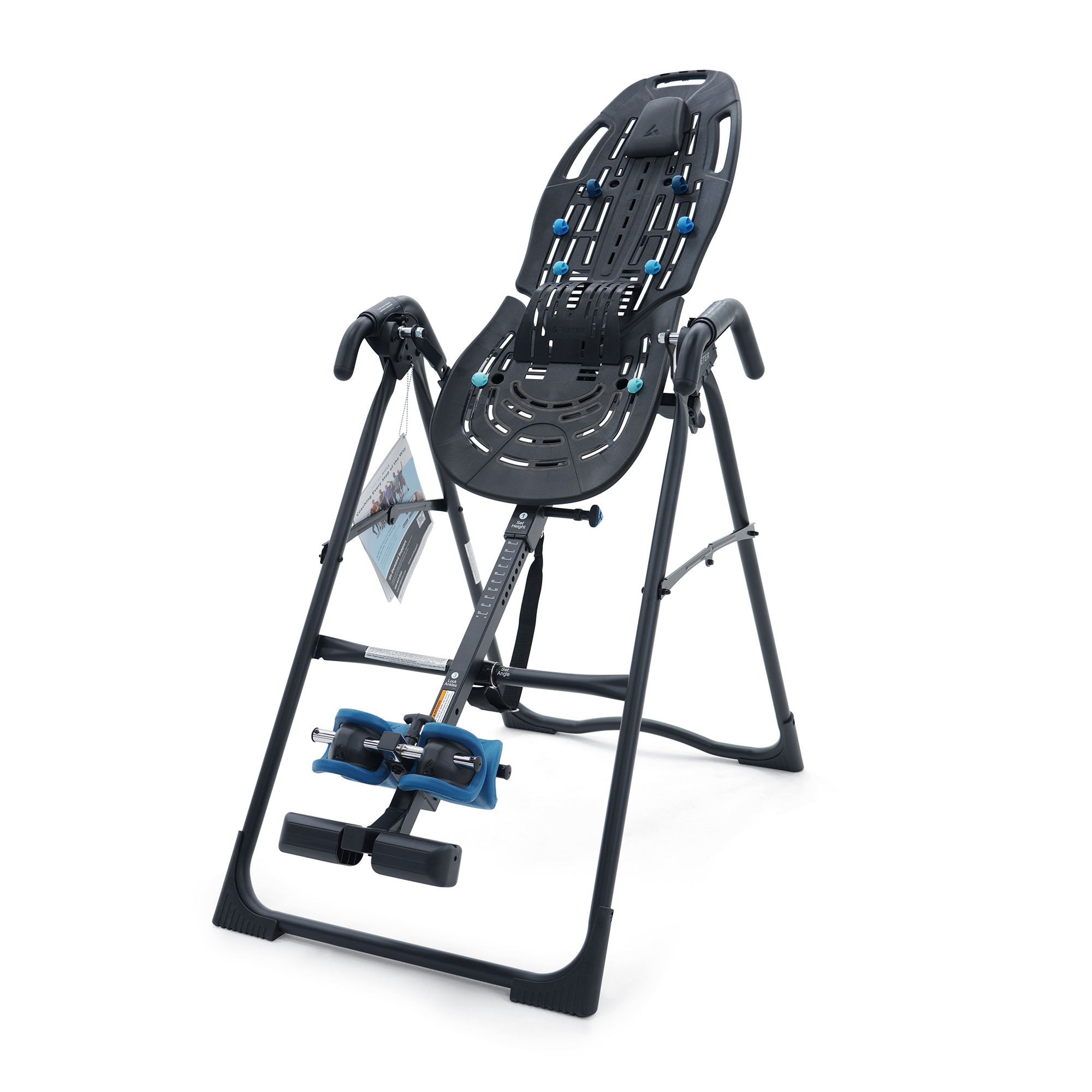
How inversion tables work and what they do
Inversion tables tilt the body head-down. This changes pressure on the spine. The idea is to decompress spinal discs and ease nerve pressure. Many users report short-term relief after a session. The sensation is like stretching your spine gently.
How inversion works in simple terms:
- Gravity traction pulls vertebrae apart slightly.
- Discs get temporary space to shift position.
- Muscles around the spine can relax after stretching.
Are inversion tables worth the investment depends on whether this mechanical stretch helps your specific pain. If your pain is from compression or tight lumbar muscles, an inversion table can help. If your symptoms are from a serious spinal disease, results vary.

Benefits people report
Many people buy inversion tables for several clear reasons. Benefits tend to show after repeated use over weeks. Here are common gains people describe:
- Reduced lower back pain for short periods.
- Improved spinal mobility after sessions.
- Less muscle tension in the low back and hips.
- A sense of relaxation and temporary pain distraction.
Other practical perks:
- Home use saves clinic visit costs over time.
- Sessions are quick and flexible in scheduling.
- Some users combine inversion with exercise for longer-term gains.
When asking "Are inversion tables worth the investment?" remember that benefits are often modest and short lived for many users. Real improvement usually comes with complementary care like exercise and posture work.
Risks, contraindications, and safety
Inversion is not risk-free. It raises blood pressure and eye pressure. That can be dangerous for some people. Contraindications include:
- High blood pressure or heart disease.
- Glaucoma or eye conditions.
- Recent stroke or osteoporosis.
- Pregnancy.
Common side effects:
- Dizziness or lightheadedness after inversion.
- Increased heart rate and facial flushing.
- Nausea in sensitive people.
Use caution. Start with short, shallow angles and stand back up slowly. Talk to a health provider if you have medical issues. The question "Are inversion tables worth the investment" must be answered with safety in mind. If risks outweigh benefits, skip it.
What the research says
Clinical studies show mixed results. Some trials find short-term pain relief and improved function. Other studies show little difference from standard care. Key points from the evidence:
- Short-term decompression can reduce pain scores in some patients.
- Long-term benefits are less clear and less consistent.
- Most studies are small and vary in method and dose.
Research suggests inversion tables may help as part of a broader rehab plan. They often work best with exercise, physical therapy, or stretching. When you test if "Are inversion tables worth the investment," weigh limited strong evidence and individual response.
Cost, value, and return on investment
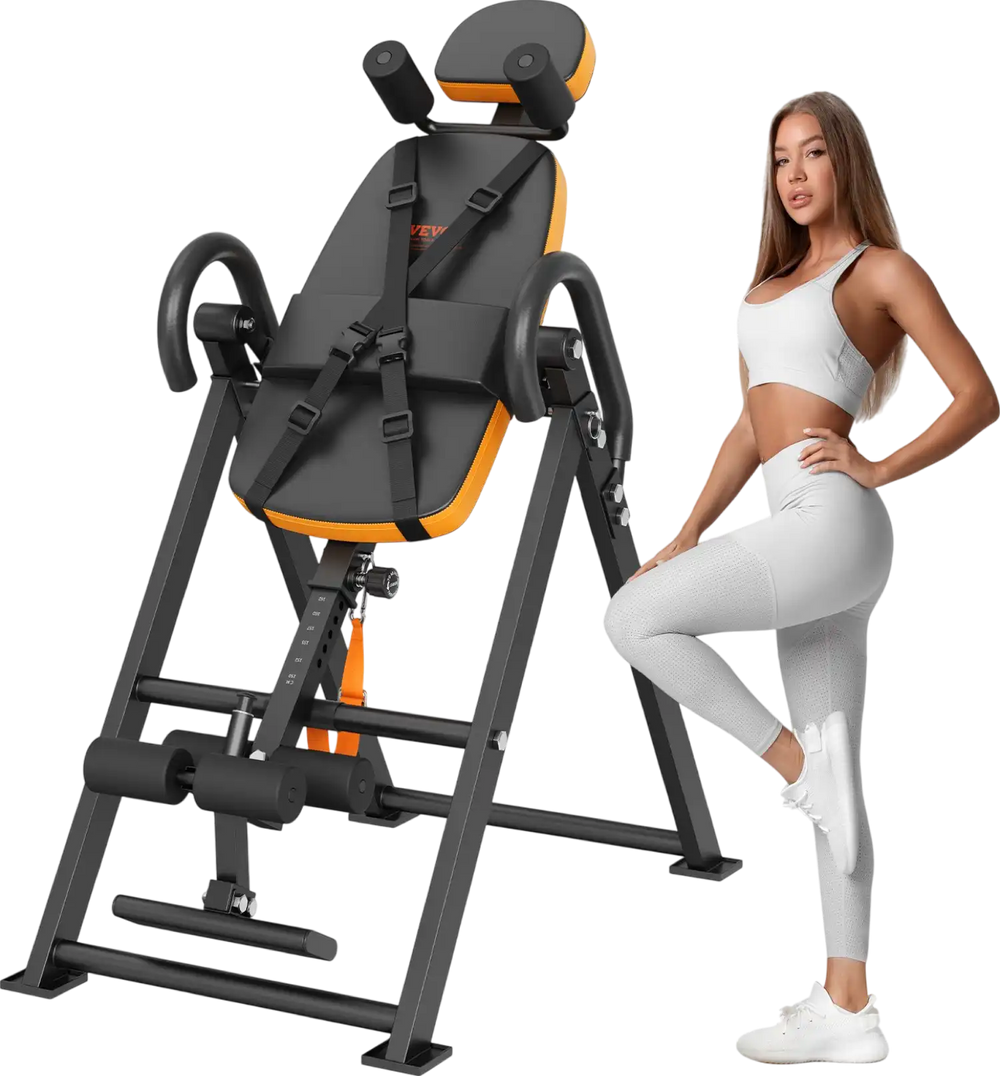
Inversion tables range from budget to premium. Prices commonly fall between affordable and several hundred dollars. Count total costs:
- Initial purchase price.
- Shipping and assembly.
- Space at home for storage.
- Time investment for regular sessions.
Value factors to consider:
- How much relief you get per session.
- Whether you avoid therapy visits or meds.
- Longevity and build quality of the table.
If a table reduces clinic visits or pain meds, it can pay for itself. If it provides only occasional and small relief, it may feel like a poor investment. Ask yourself: will I use it regularly? If yes, the answer to "Are inversion tables worth the investment" is more likely to be yes.
Alternatives to inversion tables
Inversion is one way to get spinal traction. Other options may cost less or be safer:
- Doorway or overhead traction devices.
- Physical therapy and guided exercises.
- Foam rollers and targeted stretches.
- Decompression therapy at clinics.
- Core strengthening and posture programs.
Try low-cost or clinic-based options first. They let you test the traction concept before buying a table. If these help, an inversion table may be a worthwhile long-term buy. If not, consider other treatments.

Buying guide and practical tips
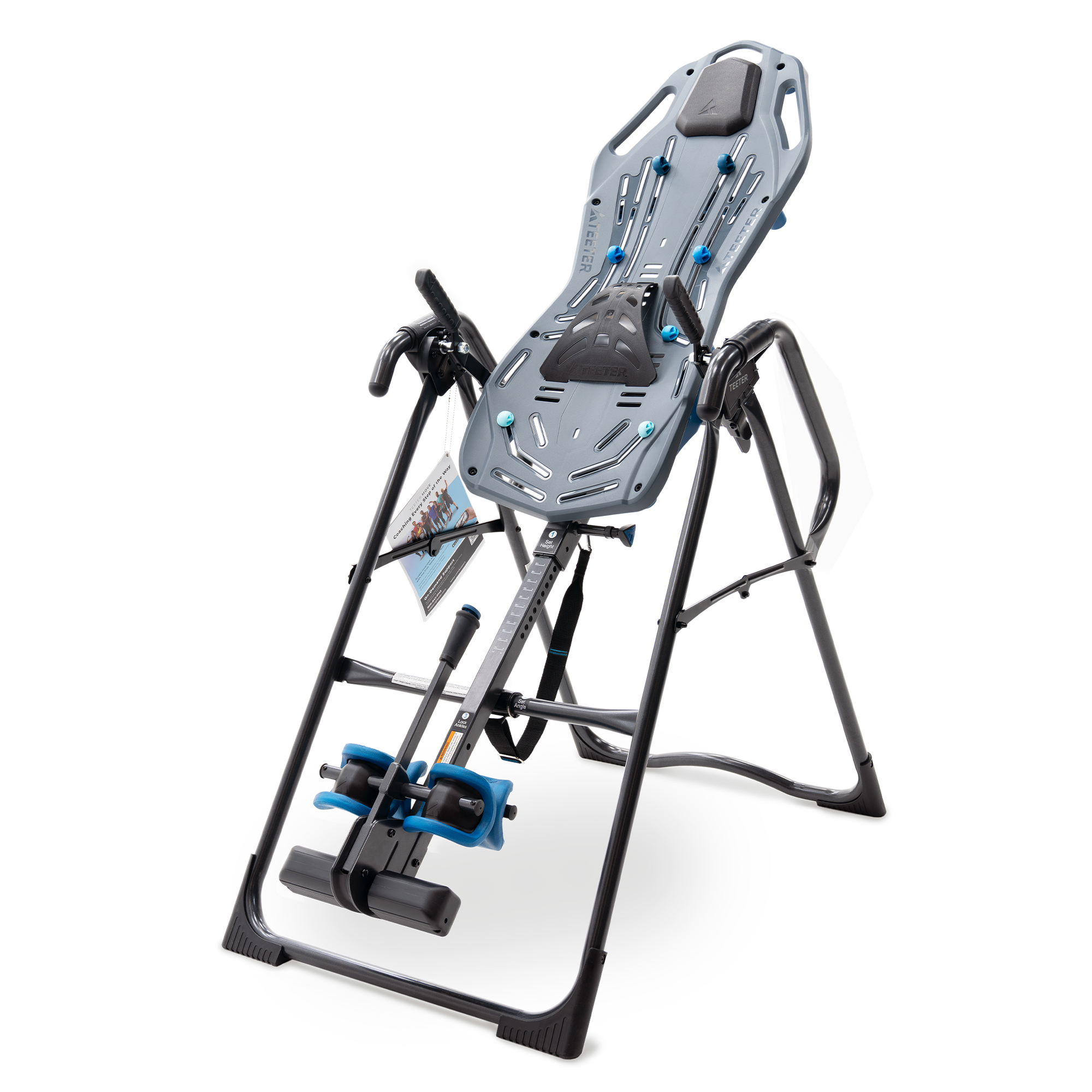
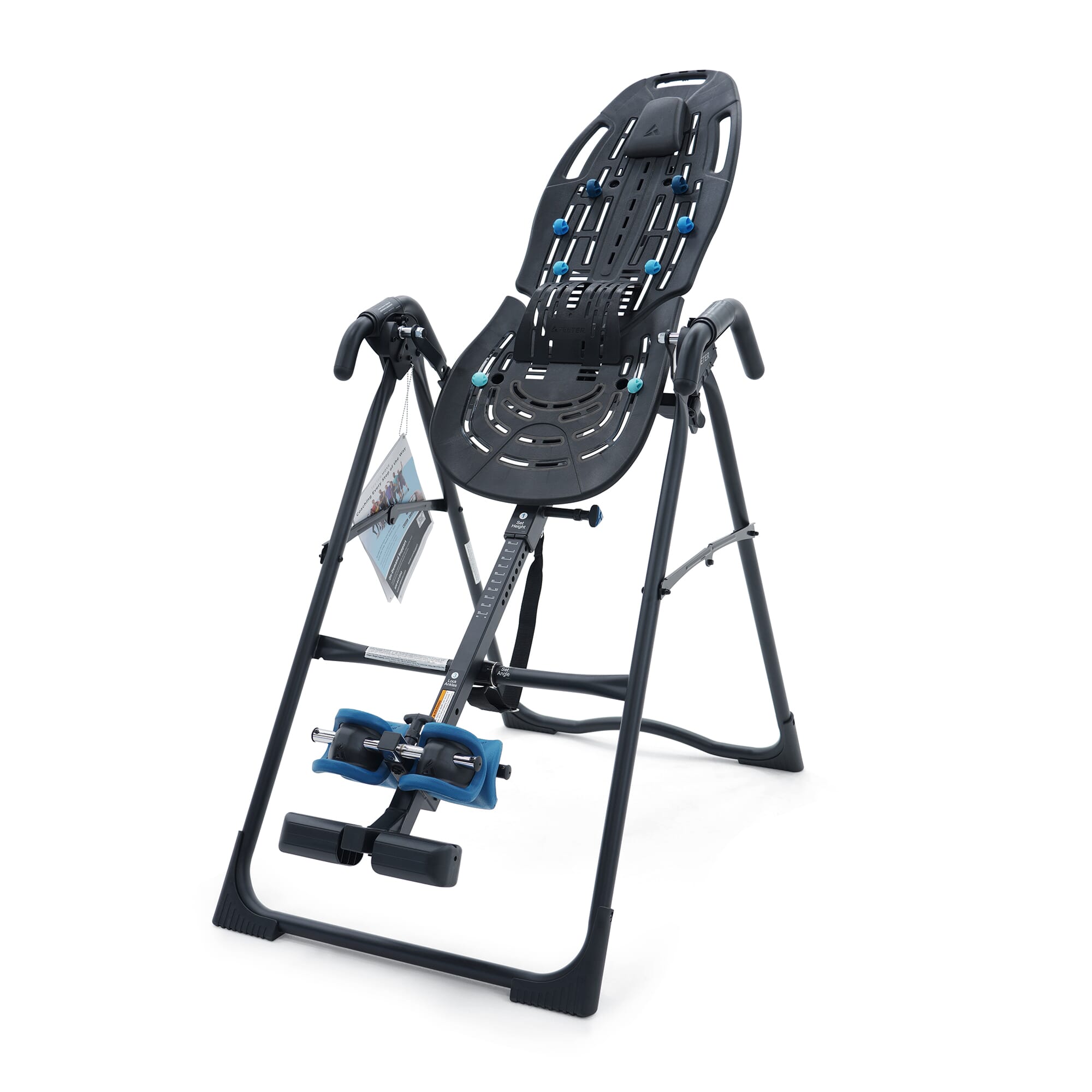
Choose a table built well. Safety and comfort matter. Look for:
- Strong frame and high weight limit.
- Secure ankle support with comfortable padding.
- Adjustable settings that allow partial inversion.
- Good user reviews and a clear return policy.
Practical tips for new users:
- Start at a small angle for 1–2 minutes.
- Breathe slowly and relax your muscles.
- Combine sessions with gentle stretches.
- Use 1–3 sessions daily if tolerated.
Track pain and function. If you do not improve in 4–6 weeks, re-evaluate. When deciding "Are inversion tables worth the investment," these buying and use tips help you get the best chance of value.
Personal experience, lessons learned, and mistakes to avoid
I used an inversion table while working with patients. I learned a few things the hard way. Short sessions give the best info. Long sessions often caused dizziness. Mistakes I saw:
- Buying the cheapest model that felt unstable.
- Skipping a medical check before use.
- Using inversion alone without core work.
What worked well:
- Combining inversion with exercise and posture training.
- Keeping sessions short and consistent.
- Logging pain changes each week.
If you ask "Are inversion tables worth the investment" from my experience, the answer depends on how you use it. Used smartly, it can add value. Used haphazardly, it becomes a shelf item.
Maintenance, lifespan, and warranty
A well-made table lasts years. Check these items:
- Tighten bolts monthly.
- Clean joints and replace worn straps.
- Store in dry space to avoid rust.
Warranty matters. Look for one that covers frame and parts. Good customer support reduces headaches. Consider repair costs when judging if "Are inversion tables worth the investment." If warranty is short, factor replacement risk into cost.
Frequently Asked Questions of Are inversion tables worth the investment
Will inversion tables cure my chronic back pain?
Inversion tables rarely cure chronic pain on their own. They may give short-term relief and help you build a rehab routine. Long-term improvement usually needs exercise and lifestyle changes.
How long should I invert per session?
Start with 1–2 minutes at a mild angle. Gradually increase to 5–10 minutes based on comfort. Always come up slowly to avoid dizziness.
Are inversion tables safe for older adults?
Some older adults can use them safely if cleared by a doctor. Those with osteoporosis, heart disease, or high blood pressure should avoid them. Medical clearance is important.
Can inversion tables replace physical therapy?
No. They can complement physical therapy but do not replace the skills and progression a therapist provides. Use inversion as one tool within a rehab plan.
How often should I use an inversion table?
Many users try 1–2 sessions daily or every other day. Consistency matters more than single long sessions. Monitor your response and adjust use.
Conclusion
Deciding if inversion tables are worth the investment comes down to personal goals, health, and consistent use. They can give short-term pain relief, improved mobility, and convenience at home. They are not a guaranteed cure and carry safety concerns for people with certain conditions. If you plan to use one regularly, choose a quality model, get medical clearance when needed, and pair sessions with exercise and posture work for the best return on investment. Try low-cost or clinic trials first if you feel unsure.
If you're curious, test traction through clinic sessions or simple stretches. Track results for a month. If you see steady benefit, consider investing in a good table. Leave a comment with your experience or questions, or subscribe to get practical guides and updates on spinal care.

