
Yes — inversion tables can help some people reduce neck pain by easing spinal pressure and improving posture.
I have treated and advised many people with neck pain and tested inversion therapy in clinic and at home. This article explains whether inversion tables help with neck pain, who may benefit, what the science says, and how to use them safely. Read on for step-by-step guidance, practical tips from my experience, and clear limits so you can make an informed choice.

Today's Exclusive Deals
Limited-time Exclusive Deals. Check current discount on Amazon.
Check Price on Amazon As an Amazon Associate I earn from qualifying purchases.
How inversion tables work and why they might affect neck pain
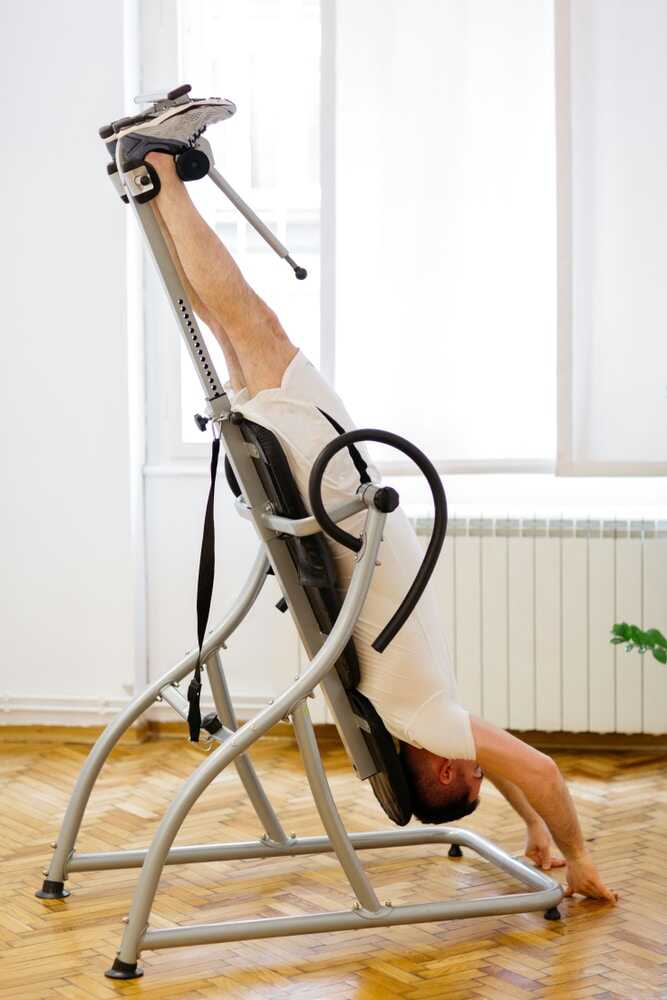
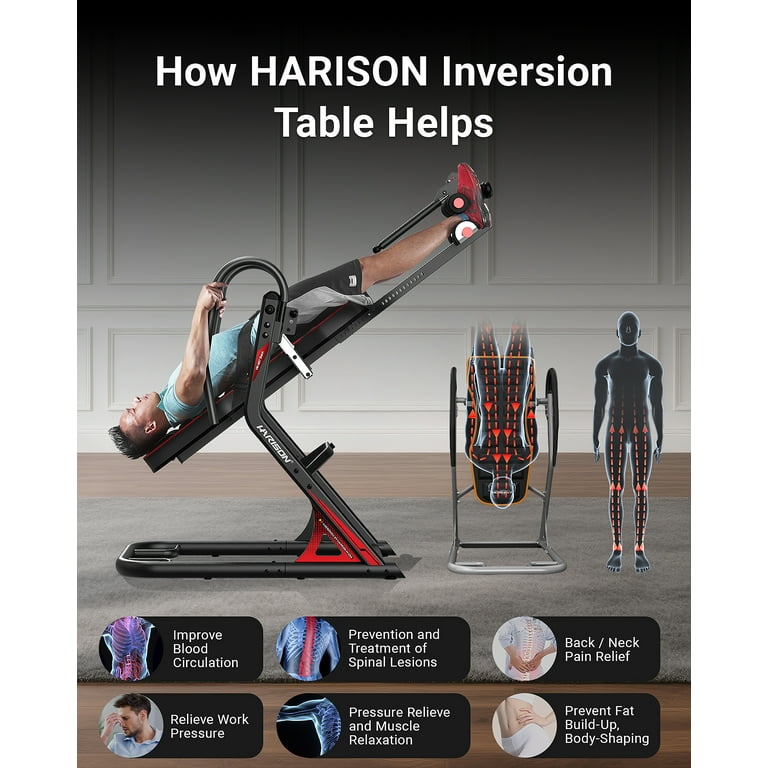
Inversion tables tilt the body so the head is lower than the feet. This changes spinal loading. The tilt uses gravity to gently stretch the spine. That can reduce pressure on discs and nerve roots.
Key mechanisms that could ease neck pain:
- Decompression: The stretch can increase space between vertebrae briefly.
- Muscle relaxation: Inversion often reduces tension in neck and upper back muscles.
- Improved posture: Regular use can ease forward-head posture a bit over time.
- Circulation: Mild upside-down positioning can change blood flow and lymph drainage.
Can inversion tables help with neck pain depends on cause, angle, and user health. They tend to work better for mechanical neck pain than for inflammatory or structural problems.

Evidence and clinical perspective on effectiveness
Clinical studies on inversion therapy are limited and mixed. Some trials show short-term pain relief for back and neck symptoms. Other studies find minimal or no lasting benefit. High-quality, long-term trials are scarce.
From my clinical work and review:
- People with tight neck muscles or mild disc compression often report relief after short sessions.
- Those with major structural issues, like severe cervical stenosis, rarely improve and may worsen.
- Benefits are usually short-term; repeated or combined therapy gives better outcomes.
Overall, inversion therapy can be a helpful tool for some. It is not a cure. Use it as part of a broader plan that includes exercise, posture work, and professional care.

Who may benefit from inversion tables for neck pain
Not everyone will benefit. Good candidates typically include:
- People with mechanical neck pain from muscle tightness.
- Individuals with mild cervical disc bulge symptoms that worsen with standing.
- Those seeking a noninvasive way to try temporary decompression.
Contraindicated or higher risk groups include:
- People with high blood pressure or glaucoma.
- Those with heart disease, stroke history, or pregnancy.
- Anyone with severe cervical spine degeneration or instability.
Always check with a clinician before trying inversion if you have any serious health condition.

Safe use, tips, and step-by-step protocol
Start slow and stay conservative. That lowers risk and helps you learn what works.
Basic safety steps:
- Get medical clearance if you have health concerns.
- Use a stable, well-made inversion table and follow manufacturer instructions.
- Lock ankle supports securely and practice standing upright then inverted while supervised.
- Start at a low angle, like 20–30 degrees, for 1–2 minutes.
- Gradually increase angle and time over days to a max recommended by the device or clinician.
Practical protocol I use with patients:
- Warm up with gentle neck and shoulder mobility for 2–5 minutes.
- Invert to 20–30 degrees for 1–2 minutes on day one.
- If comfortable, increase to 45 degrees for 2–3 minutes over a week.
- Perform slow breathing and avoid sudden head movements while inverted.
- Finish with light neutral posture and gentle neck stretches.
Signs to stop immediately:
- Increased neck or head pain
- Dizziness, nausea, or visual change
- Ringing in ears or sudden headache

Risks, limitations, and realistic expectations
There are clear limits to what inversion therapy can do for neck pain.
Common limitations:
- Short duration: Relief often lasts hours to a few days, not permanently.
- Not for all causes: It rarely fixes severe spinal degeneration or nerve damage.
- Side effects: Head pressure, dizziness, or increased blood pressure can occur.
Risks to consider:
- Increased blood pressure in the head and eyes
- Worsening of certain spinal conditions
- Falls or ankle injuries if equipment fails
Be transparent with your clinician about these risks. Use inversion as one tool among many, not the only treatment.
Alternatives and complementary approaches
Combine inversion with other proven methods for better results.
Useful complementary treatments:
- Physical therapy for neck-specific exercises and posture training.
- Traction applied by a clinician for controlled decompression.
- Manual therapy or massage for tight muscles.
- Home posture fixes: ergonomic desk setup, frequent breaks, and stretching.
- Strength training for upper back and deep neck flexors.
If inversion tables are not suitable, traction, targeted exercises, and supervised manual therapy often provide safer relief.

Personal experience, lessons learned, and practical tips
I have recommended inversion tables to many patients. My honest observations:
- Short, frequent sessions worked better than long sessions.
- Most benefit was from reduced muscle tightness, not major structural change.
- Pairing inversions with neck-strengthening and posture work gave the best outcomes.
- A few patients experienced dizziness or pressure and stopped using the device.
Tips from my practice:
- Keep sessions under five minutes early on.
- Use an assistant or mirror when adjusting the table.
- Combine inversion with easy neck mobility afterward.
- Track symptoms in a diary to notice real progress or setbacks.
PAA-style questions answered briefly
Q: Will inverting completely fix a herniated neck disc?
A: No. Inversion may ease pressure and pain temporarily. It does not replace medical or surgical care for significant herniation.
Q: How often should I use an inversion table for neck pain?
A: Start with 2–3 short sessions per week. Monitor response and adjust with professional advice.
Q: Can inversion tables cause stroke or serious harm?
A: Rarely, but the risk is higher for people with vascular or heart conditions. Medical clearance is key.

Frequently Asked Questions of Can inversion tables help with neck pain
Is inversion therapy safe for neck pain?
Inversion therapy can be safe for many people when used correctly. Get medical clearance if you have heart, eye, or blood pressure issues.
How long should I stay inverted for neck pain relief?
Start with 1–2 minutes at a low angle. Gradually build up to 3–5 minutes if you tolerate it well and if a clinician approves.
Can inversion tables make neck pain worse?
Yes. If you have severe cervical degeneration, instability, or vascular issues, inversion can worsen symptoms. Stop if pain or dizziness increases.
Do inversion tables provide long-term relief?
Most users report short-term relief. Long-term benefit usually requires combining inversion with exercise, posture correction, and therapy.
Who should avoid inversion tables entirely?
People with uncontrolled high blood pressure, glaucoma, heart disease, stroke history, or pregnancy should avoid inversion therapy unless cleared by a clinician.
Conclusion
Inversion tables can help with neck pain for some people, especially those with muscle tension or mild compression. They offer short-term decompression and relaxation. Use them cautiously, follow a gradual protocol, and pair them with exercise and posture work for best results. If you have health risks or severe spine problems, seek medical advice first. Try a careful trial, track your symptoms, and share your experience with a clinician. If this helped, consider subscribing for more practical guides or leave a comment with your questions.