
Use an inversion table three to five times per week for short, progressive sessions.
I have worked with back-pain patients and tried inversion therapy myself, so I know how useful—and how easy to misuse—an inversion table can be. This article explains how inversion tables work, who benefits, how often you should use an inversion table, safe session lengths and angles, real-life tips, and clear schedules you can follow. Read on for practical guidance you can try this week.

Today's Exclusive Deals
Limited-time Exclusive Deals. Check current discount on Amazon.
Check Price on Amazon As an Amazon Associate I earn from qualifying purchases.
How inversion tables work
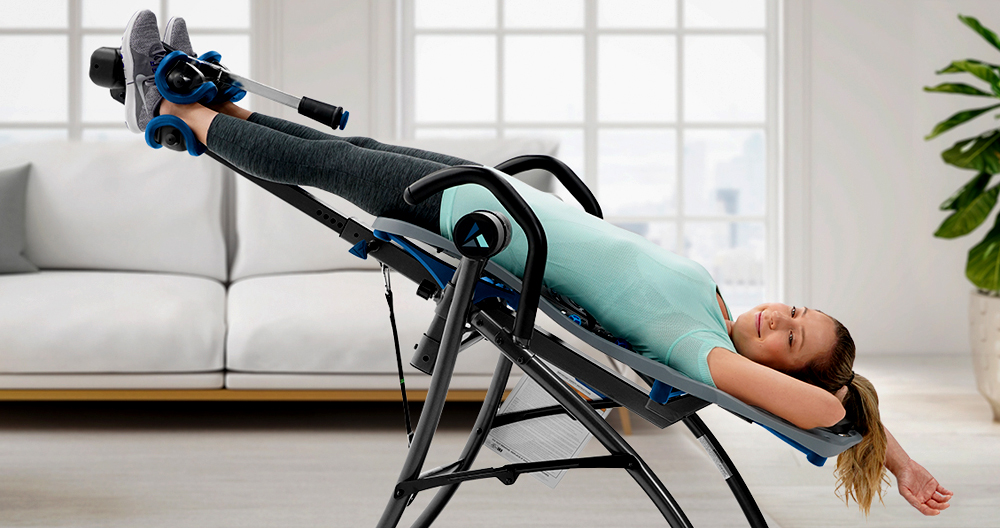
An inversion table tilts you head-down to use gravity to stretch the spine. This can increase the space between vertebrae and reduce pressure on discs and nerves. Effects include temporary traction, muscle relaxation, and improved posture awareness. Knowing the basics helps you set safe frequency and duration.

Benefits of inversion therapy
- Spinal decompression: It may reduce pressure on discs and nerves and ease nerve pain.
- Muscle relaxation: Inversion often loosens tight lower-back and hip muscles.
- Improved posture: Regular, gentle traction can support better alignment.
- Short-term pain relief: Many people report less back pain right after a session.
- Better circulation: Mild inversion can boost blood flow to the back and neck.
How often should you use an inversion table can vary based on goals. For short-term relief, more frequent short sessions help. For long-term rehab, fewer, consistent sessions often work best.
Risks, contraindications, and when to avoid
Inversion therapy raises blood pressure and eye pressure, so people with hypertension, glaucoma, heart disease, or pregnancy should avoid it. If you have severe osteoporosis, recent fractures, or uncontrolled vertigo, do not use an inversion table. Start slowly and stop if you feel dizzy, short of breath, chest pain, or severe discomfort. Always consult your healthcare provider if you have medical conditions.
How often should you use an inversion table — recommended schedules
Below are evidence-informed, practical schedules for different users. Always listen to your body and adjust.
Beginners (first 2 weeks)
- Frequency: 3 times per week.
- Session length: 1 to 2 minutes per inversion, 1 to 3 total inversions.
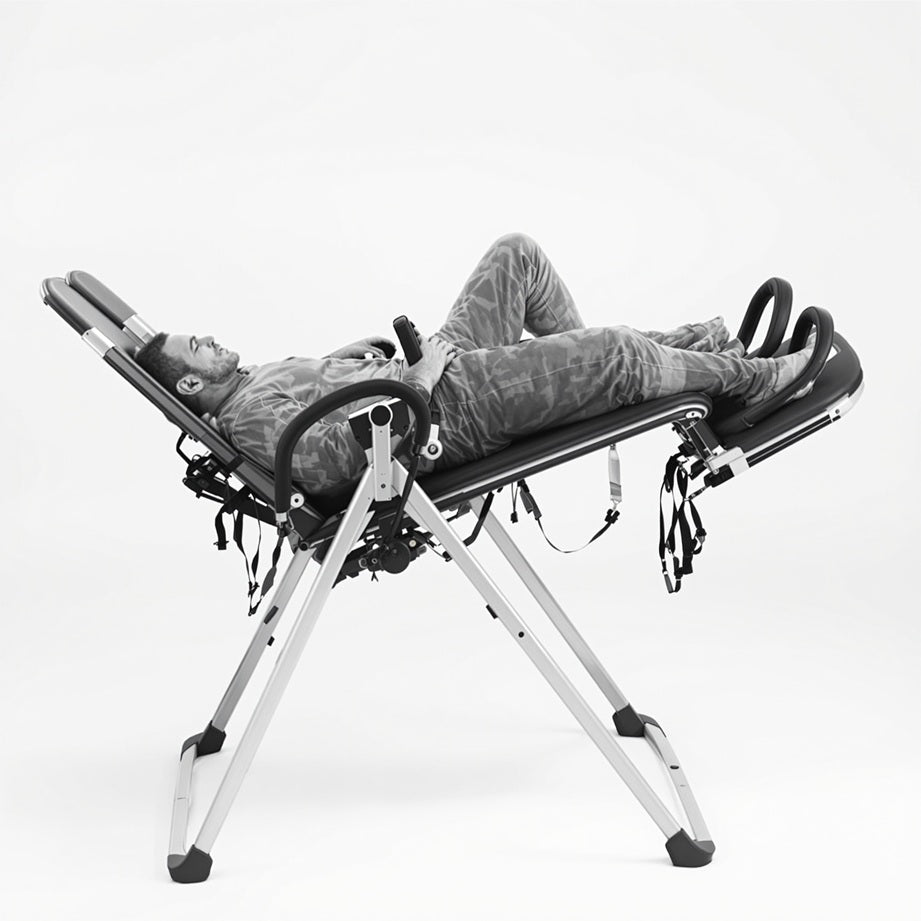
- Angle: Start at 20 to 30 degrees.
- Progress: Add 30 seconds or increase angle by 5–10 degrees each week as tolerated.
Intermediate (4 to 8 weeks)
- Frequency: 3 to 5 times per week.
- Session length: 2 to 5 minutes per inversion, up to 3 inversions.
- Angle: 30 to 45 degrees for most people.
- Focus: Combine with light core work and mobility exercises.
Advanced or maintenance users
- Frequency: 3 to 7 times per week depending on comfort.
- Session length: 3 to 10 minutes per inversion, with rests between.
- Angle: Up to 60 degrees if well tolerated and approved by a provider.
- Tip: Use for short follow-up sessions after exercise or long sitting.
For chronic back pain
- Start conservative. Use the beginner schedule and track pain and function.
- If pain improves, increase frequency slowly. If pain flares, reduce frequency and angle.
For acute flare-ups
- Short sessions (1–3 minutes) several times a day can relieve pressure. Stop if symptoms worsen.
How often should you use an inversion table depends on your goals, your health, and how your body responds. Keep a simple log for two weeks to find the right rhythm.
Session length, gravity angle, and progression
Keep sessions short at first. Small dose, steady progress prevents side effects.
- Short sessions: 1 to 2 minutes is enough for starters.
- Work up slowly: Add 30–60 seconds each session every few days.
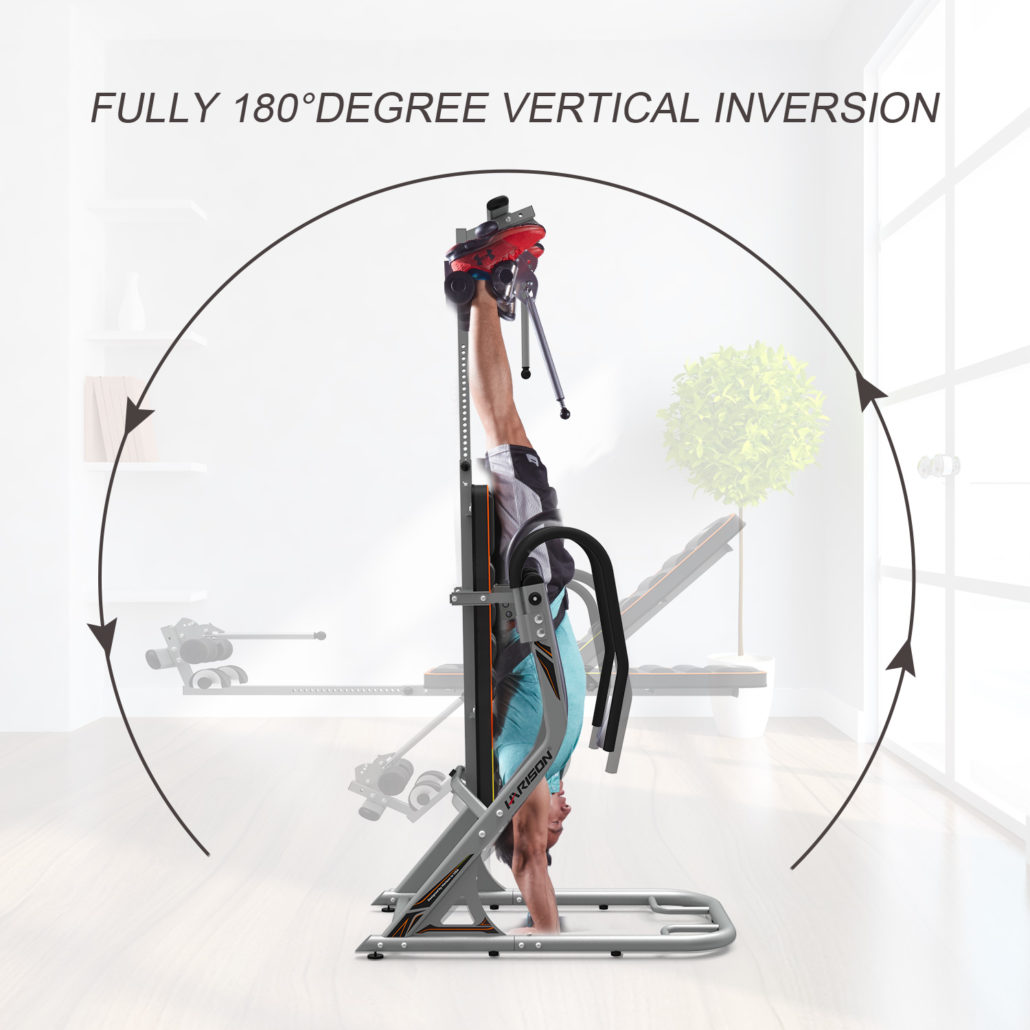
- Angle matters: Gentle tilt gives benefits; full inversion is rarely needed.
- Rest: Sit up slowly and rest 1 to 2 minutes between inversions.
- Frequency rule: If a session causes increased pain or dizziness, cut frequency in half.
How often should you use an inversion table should not be driven by how much you want relief in a day. It should be guided by tolerance and recovery.

Quick PAA-style questions (short answers)
How long should I stay inverted?
Stay inverted for 1 to 5 minutes per inversion at first, working up slowly to 8–10 minutes total if comfortable.
Can I invert every day?
Many people can use an inversion table daily for short times, but start with 3–5 times weekly and increase only if you feel fine.
Will inversion permanently fix my back pain?
Inversion can give temporary relief and help rehab, but it rarely cures chronic conditions alone; combine with exercise and care.
Safety tips and setup checklist
Use these steps to reduce risk and get consistent results.
- Check equipment: Tighten straps, test hinges, and confirm safety locks before each use.
- Secure feet properly: Proper ankle support prevents slipping and strain.
- Warm up: Do light walking or gentle stretches before inverting.
- Have a timer: Use a watch or phone to avoid overdoing time.
- Breathe: Avoid holding your breath. Breathe slowly and easily while inverted.
- Exit slowly: Return upright gradually to avoid dizziness or blood pressure spikes.
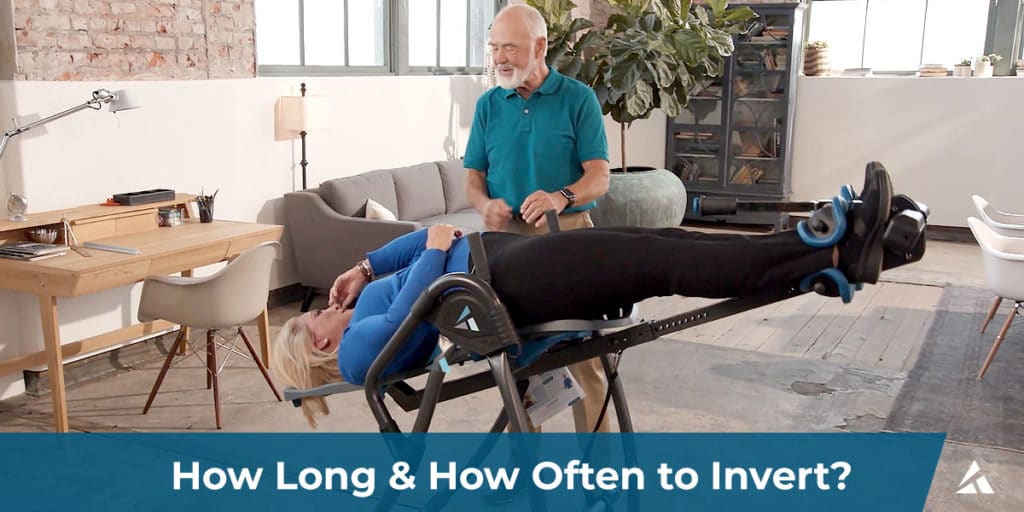
- Partner help: A helper is useful when starting or if you have balance issues.
How often should you use an inversion table ties directly to following safety rules. If you skip them, frequency should be lower.
Personal experience and practical tips
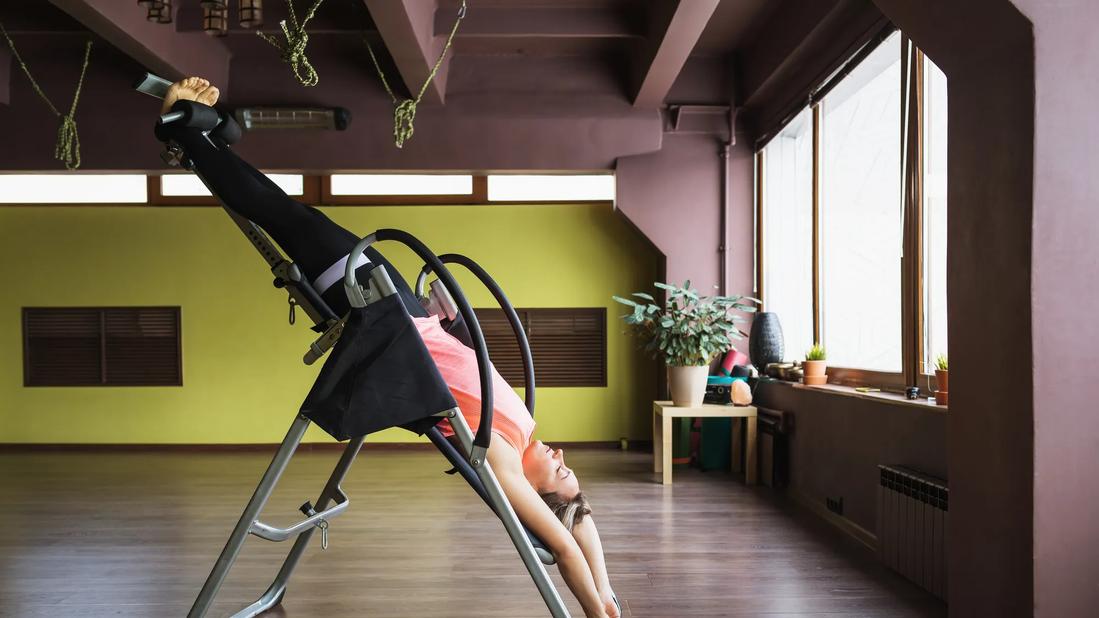
I used an inversion table after a minor disc bulge and learned three lessons. First, start tiny: one minute felt helpful and safe. Second, log symptoms: a quick note after each session showed trends and helped me avoid overuse. Third, pair it with core work; the table relaxed my back but core strength stopped the return of pain.
Common mistakes to avoid
- Jumping to full inversion too quickly.
- Using long sessions as a substitute for exercise.
- Skipping medical advice with complex conditions.
How often should you use an inversion table will feel clearer if you track results and adjust.

Scientific evidence and practical interpretation
Research shows inversion therapy can reduce short-term back pain and increase spinal space temporarily. Evidence quality varies and many studies are small or short-term. Use results as one tool, not a cure-all. Clinical guidelines often recommend traction as an adjunct, paired with exercise and education. If you respond well, continue with a measured plan. If not, stop and consult your clinician.
How often should you use an inversion table should reflect both research and your real response.
Frequently Asked Questions of How often should you use an inversion table
How quickly will I feel relief using an inversion table?
Many people feel relief within one or two sessions, but changes can be short-lived. For lasting benefit, combine inversion with exercise and posture work.
Can inversion therapy worsen my condition?
Yes, if you have certain health issues or use the table too aggressively, symptoms can worsen. Stop and see a healthcare provider if pain increases or you have dizziness or chest pain.
Is full inversion necessary for benefits?
No. Mild to moderate angles often give good decompression and fewer side effects. Full inversion is rarely required and carries higher risk.
Can I use an inversion table after back surgery?
You should get surgeon approval before using an inversion table after surgery. Timing depends on the type of surgery and individual healing.
How long before I should see lasting improvement?
If inversion is helpful, many users report improvement in 2 to 6 weeks with consistent, safe use and supporting exercises.
Conclusion
You can get safe, useful relief from an inversion table by starting slow, watching your symptoms, and following simple safety steps. Use the beginner schedule for the first two weeks, then increase frequency and angle only as tolerated. Pair inversion with core work, stretches, and medical advice for best results. Try a two-week log to track how often you should you use an inversion table and share your results or questions below.