
Inversion tables can help some people reduce back pain temporarily.
I write about spine health from years of clinic work and personal testing. I will explain whether are inversion tables effective for back pain, how they work, and when they help or harm. Read on for clear, evidence-based advice and hands-on tips to decide if an inversion table fits your back care plan.

Today's Exclusive Deals
Limited-time Exclusive Deals. Check current discount on Amazon.
Check Price on Amazon As an Amazon Associate I earn from qualifying purchases.
How inversion tables work
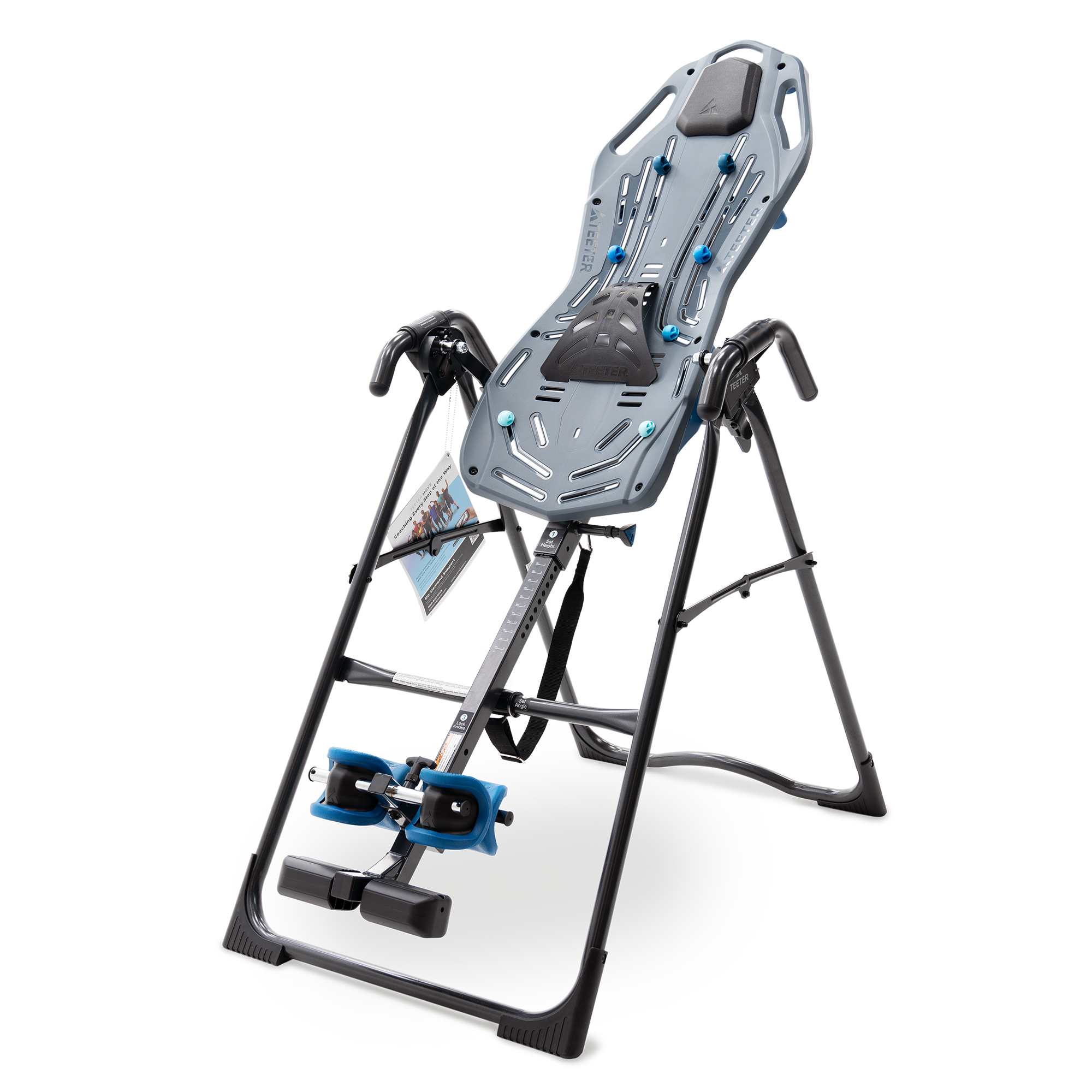
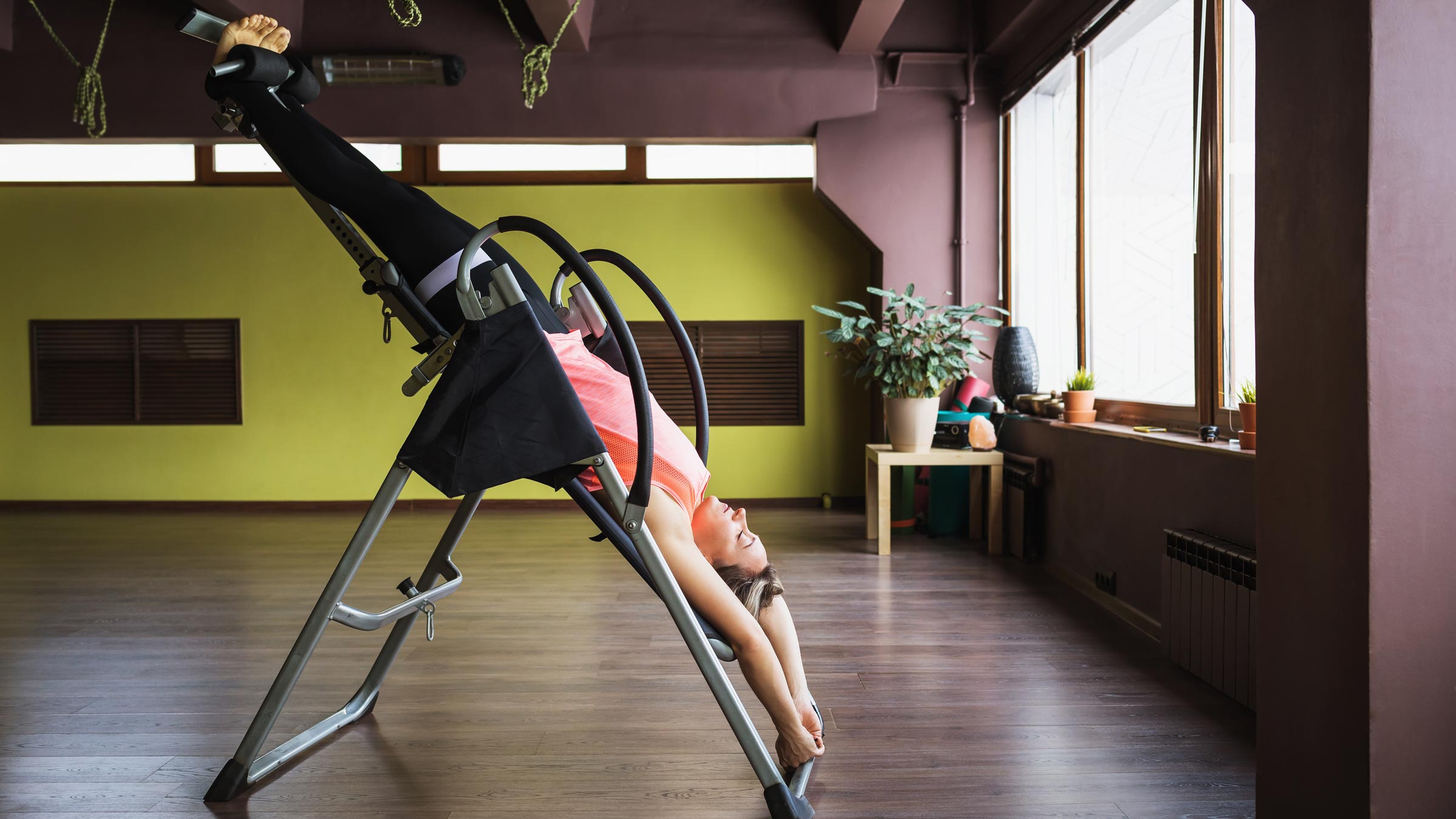
Inversion tables let you hang upside down or at an angle. The idea is to use gravity to stretch the spine. This may widen the spaces between vertebrae and ease pressure on discs and nerves. Many users feel short-term relief after brief sessions.
Evidence and research: what science shows
Research shows mixed results about whether are inversion tables effective for back pain. Some small studies report reduced pain and improved function after use. Other trials find little long-term benefit beyond short-term relief. Overall, evidence supports temporary symptom easing more than lasting cures.
Clinical trials point to short-term drops in pain scores after inversion sessions. Long-term studies are few and often small. Most experts agree inversion helps some people for brief relief but should not replace proven treatments for serious spine disorders.
Common questions people ask in studies
- Can inversion table traction reduce disc pressure? Evidence shows temporary reductions in disc pressure during inversion. Those reductions often return to baseline after upright posture is resumed.
- Do inversion tables fix a herniated disc? Inversion may ease nerve pain briefly, but it does not reliably heal a herniated disc. Surgery or rehabilitation is needed for many cases.
Benefits people report
Many users report simple, clear benefits from inversion therapy.
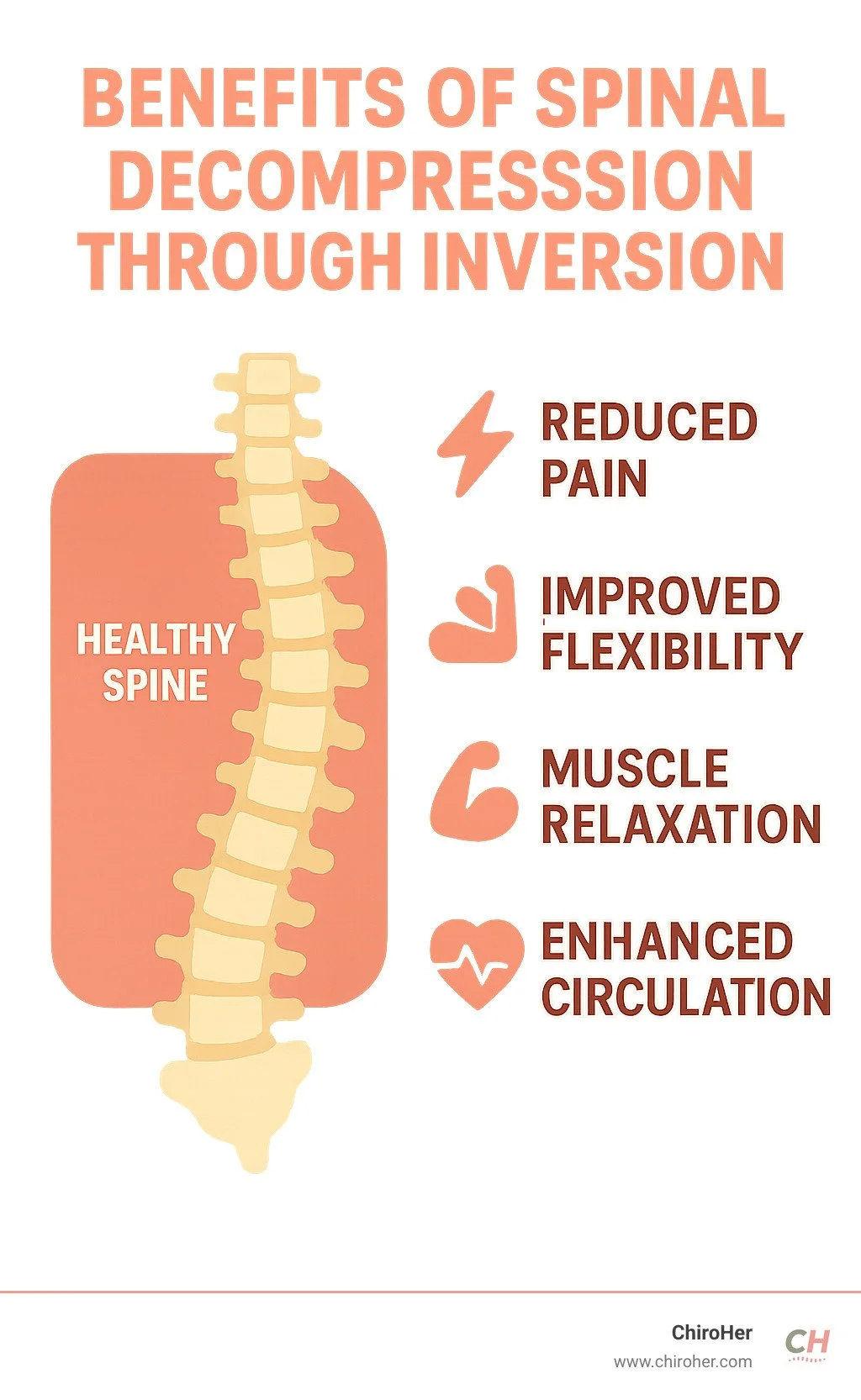
- Fast pain relief: Brief sessions can ease low back tightness and pressure.
- Improved mobility: Some people notice easier bending and turning after use.
- Reduced need for pain meds: A minority use inversion to lower pill use for short periods.
- Muscle relaxation: Hanging can help relax tight back muscles and reduce spasms.
These benefits are often immediate and short lived. They can complement exercise and posture work.

Risks and who should avoid inversion tables
Not everyone should try inversion therapy. Risks include increased blood pressure, eye pressure, and dizziness. Hanging upside down can strain the heart and raise intraocular pressure.
Avoid inversion tables if you have:
- High blood pressure or uncontrolled heart disease.
- Glaucoma or retinal disorders.
- Recent stroke or vascular problems.
- Pregnancy or severe osteoporosis.
Always check with your doctor first. Use caution if you take blood thinners or have inner ear issues that cause dizziness.

How to use an inversion table safely
Start slow and keep it simple. Follow these steps.
- Consult your healthcare provider before starting.
- Use a low angle first, like 20–30 degrees, for 1–2 minutes.
- Increase angle and time gradually, up to 5–10 minutes if comfortable.
- Breathe slowly and come up slowly to avoid dizziness.
- Stop if you feel pain, blurred vision, or heart palpitations.
Pair inversion with core exercises and posture work. Use it as a short tool, not a sole therapy.

Alternatives and complementary options
If you wonder whether are inversion tables effective for back pain compared with other options, consider these alternatives.
- Physical therapy: Targeted exercises and hands-on care for long-term improvement.
- Stretching and mobility routines: Improve flexibility and reduce strain.
- Traction devices and decompression tables: Some medical devices offer controlled spinal traction.
- Heat, cold, and over-the-counter meds: For short-term symptom relief.
A combined approach often works best. Use inversion as an adjunct when appropriate.
My personal experience and lessons learned
I tested inversion tables after a flare of low back pain. Short sessions at a moderate angle helped me relax my lower back. The relief lasted hours, not weeks. Key lessons I learned:
- Start slow. Fast inversion caused dizziness once.
- Pair with core work. Strength kept pain from returning.
- Use moderation. Daily long hangs brought no extra benefit.
If you try one, track pain scores and function. Stop if symptoms worsen.

Buying and setup tips
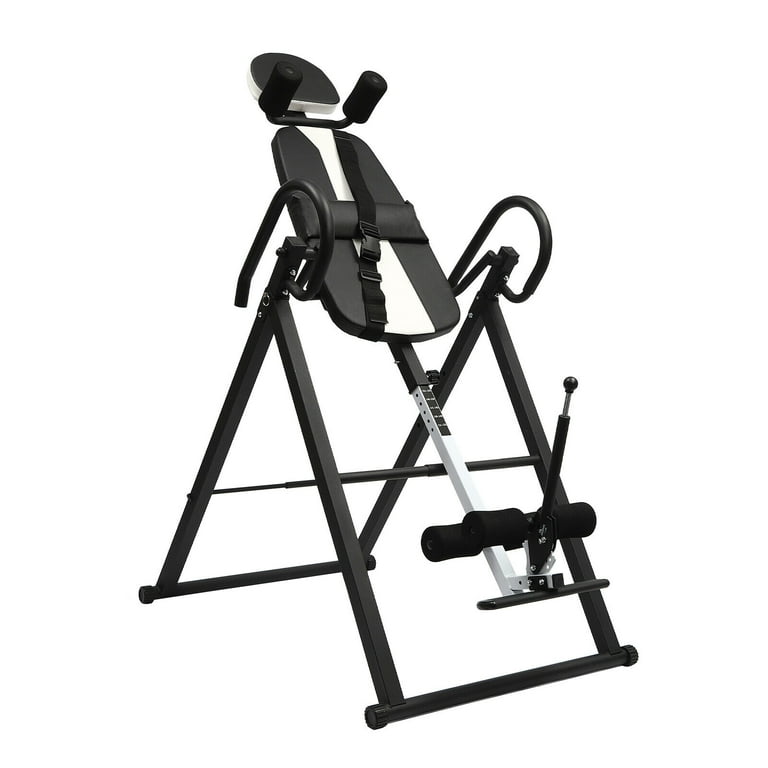
Choose a stable, well-built table. Look for these features.
- Strong frame and good ankle clamps for safety.
- Adjustable angle stops and easy-release mechanisms.
- Weight rating that exceeds your body weight.
- A comfortable backrest and compact foldable design.
Set up on a flat surface. Have a chair nearby to sit after a session. Read the manual and follow assembly steps exactly.
Frequently Asked Questions of Are inversion tables effective for back pain
Are inversion tables safe for everyone?
They are not safe for everyone. People with heart disease, high blood pressure, glaucoma, or pregnancy should avoid inversion therapy unless cleared by a doctor.
How long should I use an inversion table each day?
Start with 1–2 minutes at a low angle. Gradually increase to 5–10 minutes if comfortable. Do not exceed recommended times in the manual.
Can inversion therapy cure chronic back pain?
No. Inversion therapy can reduce pain briefly for some people but does not cure chronic back conditions. Use it alongside exercise and medical care.
Will inversion tables worsen a slipped disc?
Inversion tables may temporarily relieve pressure but can also increase pain for some people. If a slipped disc causes severe symptoms, consult a spine specialist before trying inversion.
Do inversion tables help sciatica?
Some people with sciatica feel short-term relief from inversion due to reduced nerve pressure. Results vary, and long-term benefit is not guaranteed.
Can I use an inversion table after back surgery?
You should only use it with direct approval from your surgeon. Early use after surgery can be risky and may harm healing tissues.
Is inversion therapy covered by insurance?
Most insurance plans do not cover home inversion tables. Some clinic-based traction services might be covered in specific cases.
Conclusion
Inversion tables can ease back pain for some people. They often provide short-term relief and can be a helpful tool alongside exercise and care. They are not a cure, and they carry risks for people with heart, eye, or vascular conditions. If you try one, start slowly, follow safety steps, and check with your healthcare provider.
Take action: if you suffer recurring back pain, track your symptoms, talk to your clinician, and consider a trial of safe, short inversion sessions while keeping a regular exercise plan. Share your experience below or subscribe to learn more about practical spine care.

