
Heated massage devices often relieve pain faster and deepen muscle relaxation compared with standard models.
I’ve tested dozens of devices and worked with clients who use both heated massage devices and standard ones. This article breaks down how heated massage devices work, who benefits most, safety and limits, and smart buying and use tips. Read on to decide if a heated massage device fits your needs and budget.

Today's Exclusive Deals
Limited-time Exclusive Deals. Check current discount on Amazon.
Check Price on Amazon As an Amazon Associate I earn from qualifying purchases.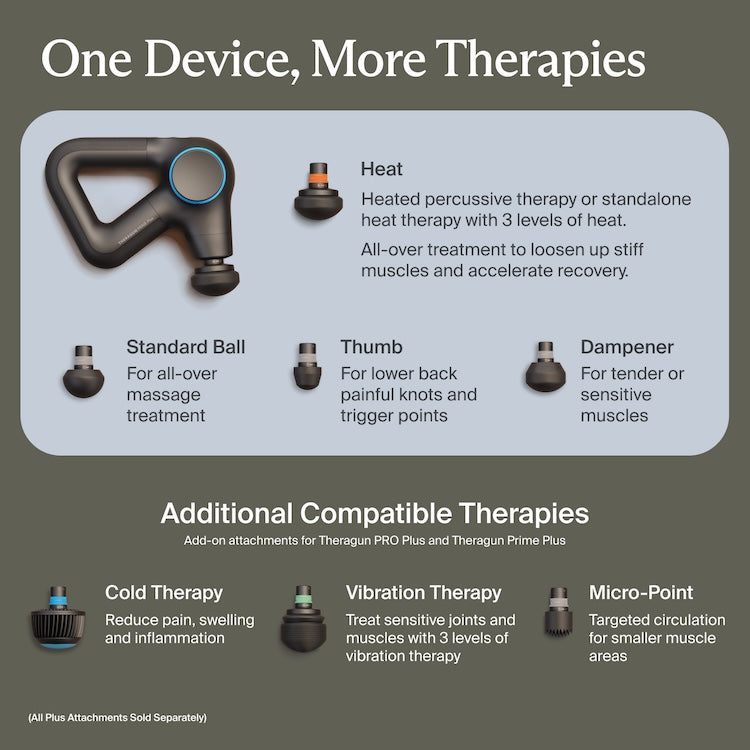
How heated massage devices work
Heated massage devices combine mechanical massage with controlled heat. Heat raises skin and muscle temperature. This widens blood vessels. Blood flow increases. More blood flow helps flush toxins and brings oxygen to tissues.
Most heated massage devices use either electric heating pads, infrared panels, or heat elements inside massage heads. The warmth complements kneading, rolling, or percussive action. That combo often eases stiffness faster than massage alone.
Mechanisms that matter
- Heat plus pressure: Heat softens tissue so pressure penetrates deeper.
- Nerve effects: Warmth can reduce pain signaling briefly.
- Metabolic boost: Increased blood flow supports repair and reduces soreness.

Benefits of heated massage devices
Heated massage devices offer several advantages over standard options. They are not magic, but they do add measurable value for many users.
Key benefits
- Faster tension relief: Heat helps muscles relax quickly.
- Better comfort: Warmth feels soothing, reducing discomfort during massage.
- Improved recovery: Athletes and active people often report less soreness after sessions.
- Increased range of motion: Regular use can ease joint stiffness.
- Versatile therapy: Many devices let you toggle heat, intensity, and modes.
Clinical and practical notes
- Studies show heat therapy raises local blood flow and tissue elasticity, which aids relief.
- For chronic back or neck tightness, heated massage devices often give more consistent short-term relief than nonheated units.

How they compare: heated massage devices vs standard ones
Here’s a side-by-side look at common decision factors.
Pain relief and relaxation
- Heated massage devices: Tend to reduce pain and stiffness faster. The warmth allows deeper pressure without causing extra soreness.
- Standard devices: Still effective for many. They work well when heat is not needed or when you prefer cooler therapy.
Muscle recovery and athletic use
- Heated massage devices: Good for warm-up and postworkout relaxation. They help clear lactic buildup faster.
- Standard devices: Percussive or strong mechanical action may be better for breaking knots without added heat.
User comfort and adherence
- Heated massage devices: More pleasurable for long sessions. People often use them more consistently.
- Standard devices: Simpler and often lighter. Better for short, targeted relief.
Safety and contraindications
- Heated massage devices: Require caution for diabetes, skin issues, or heat sensitivity.
- Standard devices: Safer where heat is a risk, but still require proper use.
Cost and complexity
- Heated massage devices: Usually pricier and slightly heavier.
- Standard devices: More budget-friendly and lower maintenance.
Personal note: I found that heated massage devices increased client comfort and session length. However, for deep scar tissue work, a nonheated percussive tool sometimes worked better.
Limitations and risks of heated massage devices
Heated massage devices are not ideal in every situation. Know the limits and risks before buying and using one.
Common limitations
- Not for open wounds or inflamed skin.
- Can mask serious conditions if used as a stopgap.
- Heat may worsen acute inflammation in the first 48 hours after injury.
Safety risks
- Burns from excessive heat or long contact.
- Reduced sensation issues for people with neuropathy.
- Overuse that leads to irritation or bruising.
Precaution checklist
- Start on a low heat setting.
- Limit sessions to recommended times (often 15–20 minutes).
- Avoid if you have uncontrolled diabetes, severe varicose veins, or damaged skin unless cleared by a clinician.

Buying guide: choosing the right heated massage device
Choosing the best model depends on goals, budget, and body area. Use these clear criteria.
What to look for
- Heat settings: Multiple levels let you tailor warmth.
- Safety features: Auto shutoff and temperature regulation are essential.
- Massage modes: Kneading, rolling, and percussion give options.
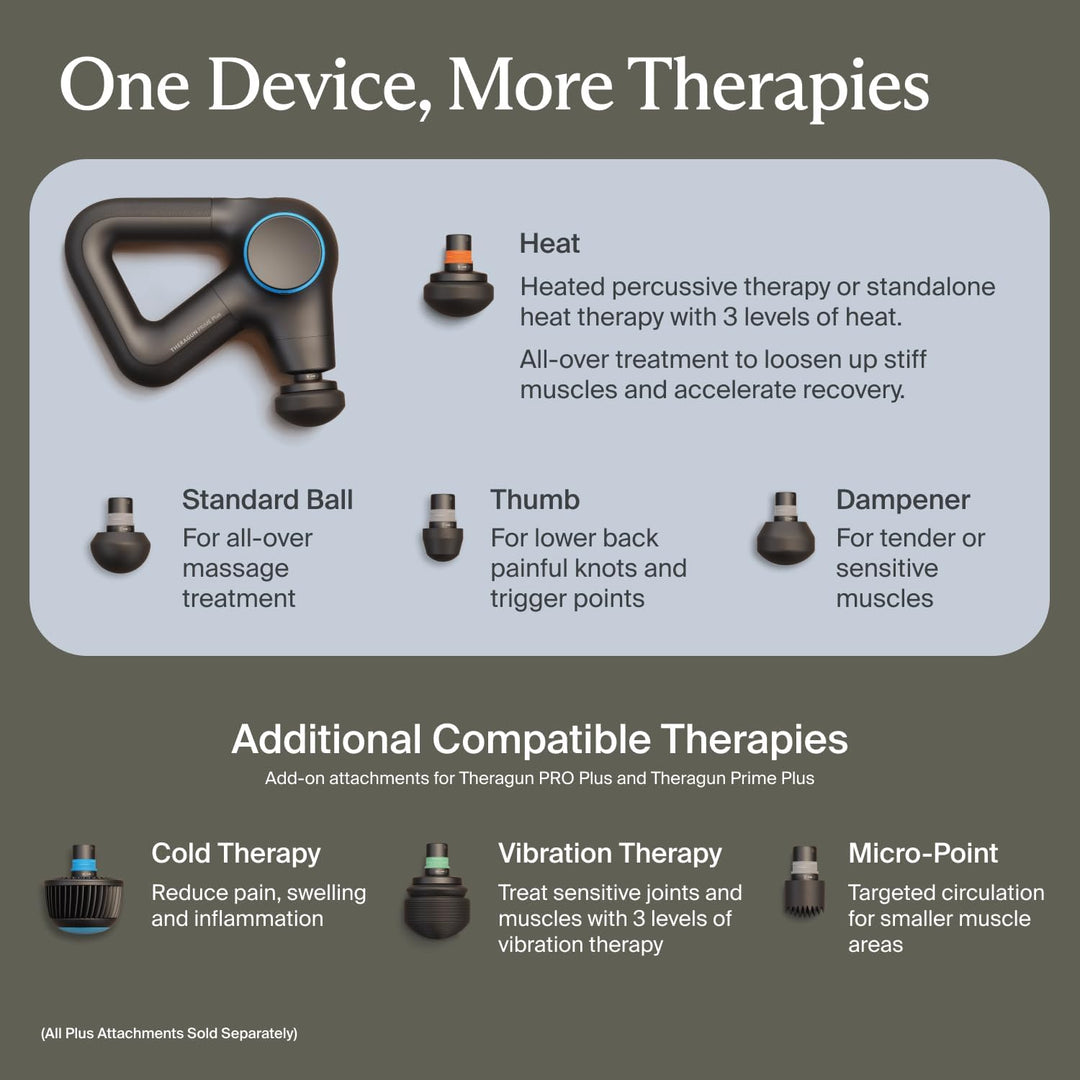
- Attachments: Interchangeable heads help target areas.
- Battery life and portability: Important if you travel.
- Build quality and warranty: Longer warranties suggest better support.
Price ranges
- Budget models: Basic heat and vibration; good for casual users.
- Midrange models: Better motors, more modes, reliable heat control.
- Premium models: Strong motors, advanced heat tech, and many attachments.
Mistakes to avoid
- Buying solely on price without checking heat safety features.
- Choosing a heavy unit if you need portability.
- Ignoring return policy and warranty.
From experience, spend a little more for reliable heat controls. Cheap heat elements can fail or overheat. A good warranty saved me time and money on a device that had uneven heating.
How to use heated massage devices effectively
Using a heated massage device correctly boosts benefits and cuts risk.
Usage tips
- Warm-up: Turn on heat for about 1–2 minutes before applying strong pressure.
- Session length: Keep sessions to 10–20 minutes per area.
- Intensity: Start low and increase slowly. Stop if pain or numbness occurs.
- Frequency: Use 2–4 times weekly for chronic issues, or daily for brief relief.
- Combine therapies: Alternate heat with cold for acute injuries only after professional guidance.
Techniques
- For back pain: Use rolling or kneading along the spine muscles, not directly on the vertebrae.
- For neck: Keep pressure light and use lower heat.
- For legs: Work from ankle upward to encourage circulation.
Maintenance
- Clean covers and attachments regularly.
- Store in a cool, dry place.
- Follow manufacturer instructions for charging and heat cycles.
Common concerns answered
How hot should a heated massage device get?
Most devices stay in a safe range that feels warm but not scalding. Choose a device with multiple heat levels and auto-shutoff for safety.
Can heated massage devices heal injuries faster?
Heat speeds blood flow and may aid recovery for chronic stiffness or muscle tightness. It does not replace medical care for severe injuries.
Are heated massage devices safe for older adults?
They can be safe but require caution. Older adults often have thinner skin and slower healing, so use low heat and consult a clinician if unsure.
Frequently Asked Questions of Are heated massage devices better than standard ones
Are heated massage devices better for chronic back pain?
Heated massage devices often provide more consistent short-term relief for chronic back pain by relaxing muscles and improving blood flow. They can be part of a care plan, but long-term management may need exercise and medical advice.
Can heat cause more inflammation after an acute injury?
Yes, applying heat too early after an acute injury can increase inflammation and swelling. Use cold therapy first for the first 48 to 72 hours unless a professional advises otherwise.
Do heated massage devices help with muscle recovery after exercise?
Many users report reduced soreness and faster recovery with heated massage devices because heat improves circulation and tissue flexibility. Combine with rest, hydration, and stretching for best results.
Is a heated massage device safe for people with diabetes?
People with diabetes should be cautious because of reduced skin sensation and healing issues. Consult a healthcare provider before use and choose a device with low-temperature settings and safety cutoffs.
How long should I use a heated massage device in one session?
Most experts recommend 10 to 20 minutes per area to avoid skin irritation or burns. Use lower heat and monitor skin response.
Can heated massage devices replace professional massage therapy?
Heated massage devices are useful for regular self-care and maintenance. They can’t fully replace hands-on clinical work for complex conditions but can reduce visit frequency and help between sessions.
Conclusion
Heated massage devices are a strong option for people who want faster muscle relaxation, improved comfort, and better short-term pain relief than standard models. They shine for chronic stiffness, postworkout recovery, and consistent home care. Pick a device with solid safety features, multiple heat levels, and a good warranty. Use them carefully, follow recommended times, and consult a clinician for serious conditions. If you want easier relief at home, try a well-reviewed heated massage device and track how your body responds. Share your experience or questions below and consider subscribing for more practical guides and device tests.

