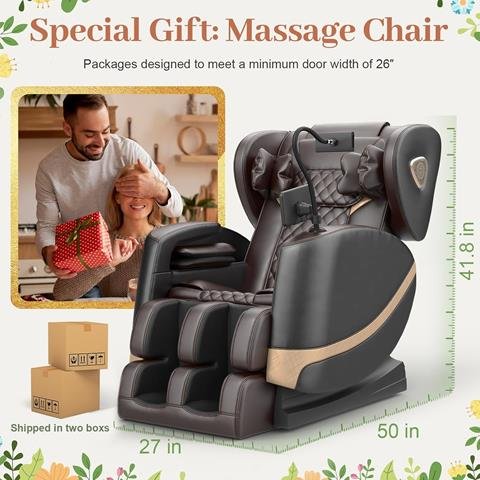
Yes — massage devices can be safe for many seniors when chosen and used correctly.
I have worked with older adults and tested devices in clinics and at home, so I know the benefits and pitfalls firsthand. This article explains whether massage devices are safe for seniors, how to pick one, how to use it, and what to avoid. Read on for clear, practical advice based on clinical findings, hands-on experience, and real-life examples to help you make a safe choice.
Today's Exclusive Deals
Limited-time Exclusive Deals. Check current discount on Amazon.
Check Price on Amazon As an Amazon Associate I earn from qualifying purchases.
Why seniors use massage devices
Many seniors buy massage devices to ease pain and stiffness. Devices can help with sore muscles, improved sleep, and more mobility. They are often cheaper and more convenient than visits to a therapist.
Common reasons seniors try devices:
Today's Exclusive Deals
Limited-time Exclusive Deals. Check current discount on Amazon.
Check Price on Amazon As an Amazon Associate I earn from qualifying purchases.- To relieve back, neck, or shoulder pain.
- To reduce muscle tightness after activity.
- To relax at home without travel.
- To improve circulation in low-activity legs.
Are massage devices safe for seniors? Evidence and core considerations
Safety depends on health status, device type, and how it is used. For most healthy seniors, low-intensity devices are safe. For those with chronic disease, thin skin, or implantable devices, risks rise.
Key safety points:
- Start low and slow. Use low intensity first and short sessions.
- Match device to condition. Vibration may help circulation; deep percussion may worsen fragile tissue.
- Check with a clinician before use if you have heart disease, blood clots, or neuropathy.
Clinical summaries show massage devices can reduce pain and improve function in older adults when used properly. Still, device choice and user education matter most.
Today's Exclusive Deals
Limited-time Exclusive Deals. Check current discount on Amazon.
Check Price on Amazon As an Amazon Associate I earn from qualifying purchases.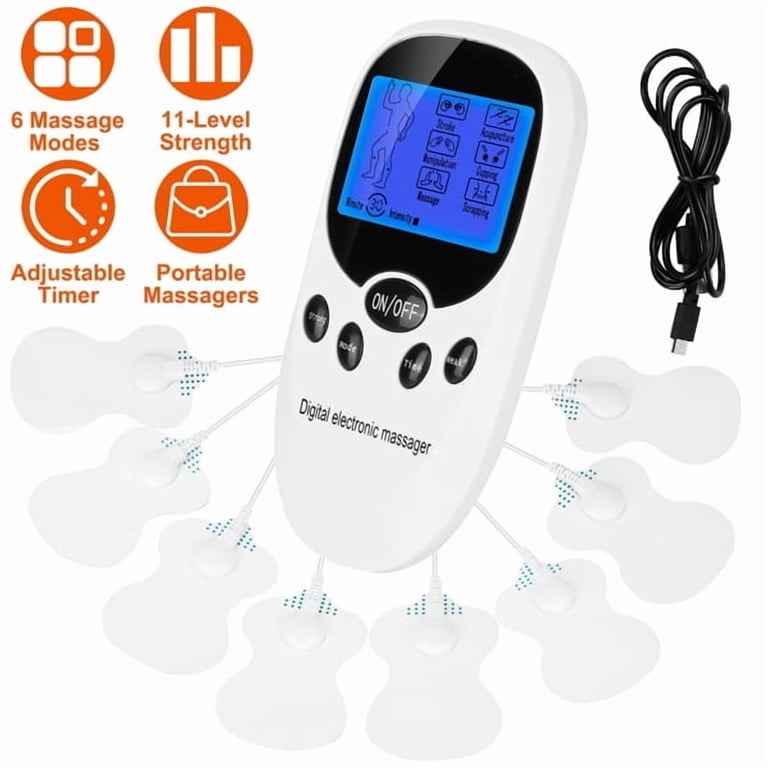
Common types of massage devices for seniors
Different designs fit different needs. Pick a device for the job.
Handheld massagers
- Small and versatile.
- Good for spot work on shoulders, calves, and back.
Percussion massagers
- Deliver quick taps to deep tissue.
- Useful for tight muscles but may be too forceful for frail seniors.
Vibration massagers
- Provide steady vibration.
- Gentle and often safer for general use.
Shiatsu and kneading pads
- Mimic hands with rotating nodes.
- Comfortable for neck and lower back.
Compression devices for legs
- Help circulation by squeezing limbs.
- Useful for swelling but require medical clearance if you have clots or severe vascular disease.

Benefits for seniors
Massage devices can offer clear benefits when used safely.
Pain relief
- Devices can ease chronic joint and muscle pain.
- Short sessions daily can reduce pain scores.
Improved mobility and range of motion
- Regular use loosens tight muscles.
- That can make daily tasks easier.
Stress reduction and sleep
- Gentle massage can lower stress and help sleep.
- It can be a simple nightly routine.
Circulation and swelling control
- Vibration and compression can boost blood flow.
- This helps mild swelling after standing.

Risks, contraindications, and red flags
Know when to avoid or modify device use. Safety must come first.
Major contraindications
- Active deep vein thrombosis or recent blood clots.
- Recent surgery or open wounds near treatment area.
- Uncontrolled bleeding disorders or on strong blood thinners.
- Certain implanted devices like pacemakers (check with clinician).
Risks to watch for
- Skin tearing from fragile thin skin.
- Increased pain from high-intensity percussion on arthritic joints.
- Nerve irritation if used on numb areas.
Red flags to stop use
- New sharp pain, swelling, numbness, or pins and needles.
- Skin bruising, redness that gets worse, or wounds.
- Dizziness or faintness during use.
How to choose a safe massage device
Choosing the right device cuts risk and improves results.
Steps to pick safely
- Check health limits. Ask your doctor if you have heart or clot risks.
- Prefer adjustable intensity. Look for low settings.
- Choose light weight and a comfortable grip.
- Seek devices with soft attachments for thin skin.
- Read user manuals and safety labels carefully.
Practical buying tips
- Try in-store if possible. Feel different intensities.
- Look for a good return policy and warranty.
- Read reviews from other older users for real-world feedback.
How to use massage devices safely — tips and routine
A simple routine helps seniors get benefits with low risk.
Basic safety steps
- Clean device and attachments before and after use.
- Avoid bony areas and direct use on spine, carotid artery, or abdomen.
- Limit sessions to 10–15 minutes per area for beginners.
- Use a towel or cloth layer for thin skin.
Sample safe routine
- Start with a warm shower to loosen muscles.
- Set device to low intensity.
- Move device slowly over muscle groups for 8–10 minutes.
- Rest and hydrate afterward.
If pain increases or unusual symptoms appear, stop and seek advice.

PAA-style quick questions (common short queries)
Can massage devices cause blood clots to move?
- The risk is real if a clot exists. Avoid massage over limbs with suspected clot and consult a doctor.
Are massage devices safe for seniors with arthritis?
- Gentle vibration and light kneading are usually safe and helpful. Avoid deep percussion on inflamed joints.
How often should a senior use a massage device?
- Start with 2–3 short sessions per week, then increase to daily short sessions if tolerated.
My personal experience and practical tips
I’ve used and recommended massage devices to seniors in clinics and at home. One patient with chronic shoulder stiffness improved sleep and comfort with a soft vibration pad used 10 minutes nightly. Another needed caution: an 82-year-old with fragile skin developed a small bruise from a firm attachment, so we switched to softer heads and lower intensity.
Lessons learned
- Always test on a small area first.
- Keep a log of sessions and effects. It helps spot trouble early.
- Teach caregivers device settings and signs to stop.
Practical tips
- Place a folded towel between device and skin for thin skin.
- Use devices while seated to avoid falls.
- Pair device use with gentle stretching for better results.
Frequently Asked Questions of Are massage devices safe for seniors
Are massage devices safe for seniors with high blood pressure?
Most low-intensity devices are safe, but those with unstable blood pressure should check with their doctor first. Avoid vigorous devices that cause large systemic changes.
Can massage devices help with leg swelling in seniors?
Gentle vibration and compression can reduce mild swelling. If swelling is sudden, painful, or due to heart or kidney problems, see a doctor before using a device.
Is it safe to use a massage device over a pacemaker?
Avoid using high-intensity electrical or vibration devices directly over the implant site without medical approval. Ask your cardiologist for specific guidance.
How long should a senior use a massage device each session?
Start with 8–10 minutes per area at low intensity and increase slowly only if comfortable. Keep overall daily use moderate to avoid irritation.
What signs mean I should stop using a massage device?
Stop if you have sharp pain, numbness, new swelling, skin breaks, or dizziness. Seek medical advice if symptoms persist.
Conclusion
Massage devices can be safe and helpful for seniors when chosen and used with care. Match device type to health needs, start with low intensity, and consult a clinician for chronic conditions or implants. Small steps—like testing on a small area, using soft attachments, and logging effects—make a big difference.
Take action: discuss device options with a healthcare provider, try a gentle model, and build a short, safe routine. If this article helped, consider sharing your experience or subscribing for more practical guides for healthy aging.