
Yes — massage devices can help speed recovery, cut soreness, and boost circulation.
As a sports therapist and long-time user of recovery tools, I can say with confidence that Are massage devices good for muscle recovery is a question worth digging into. I will explain how these tools work, when they help most, and what limits they have. I write from hands-on experience, clinical insights, and a review of the evidence. Read on to learn clear, practical steps you can use after a hard workout or on a busy week.

Today's Exclusive Deals
Limited-time Exclusive Deals. Check current discount on Amazon.
Check Price on Amazon As an Amazon Associate I earn from qualifying purchases.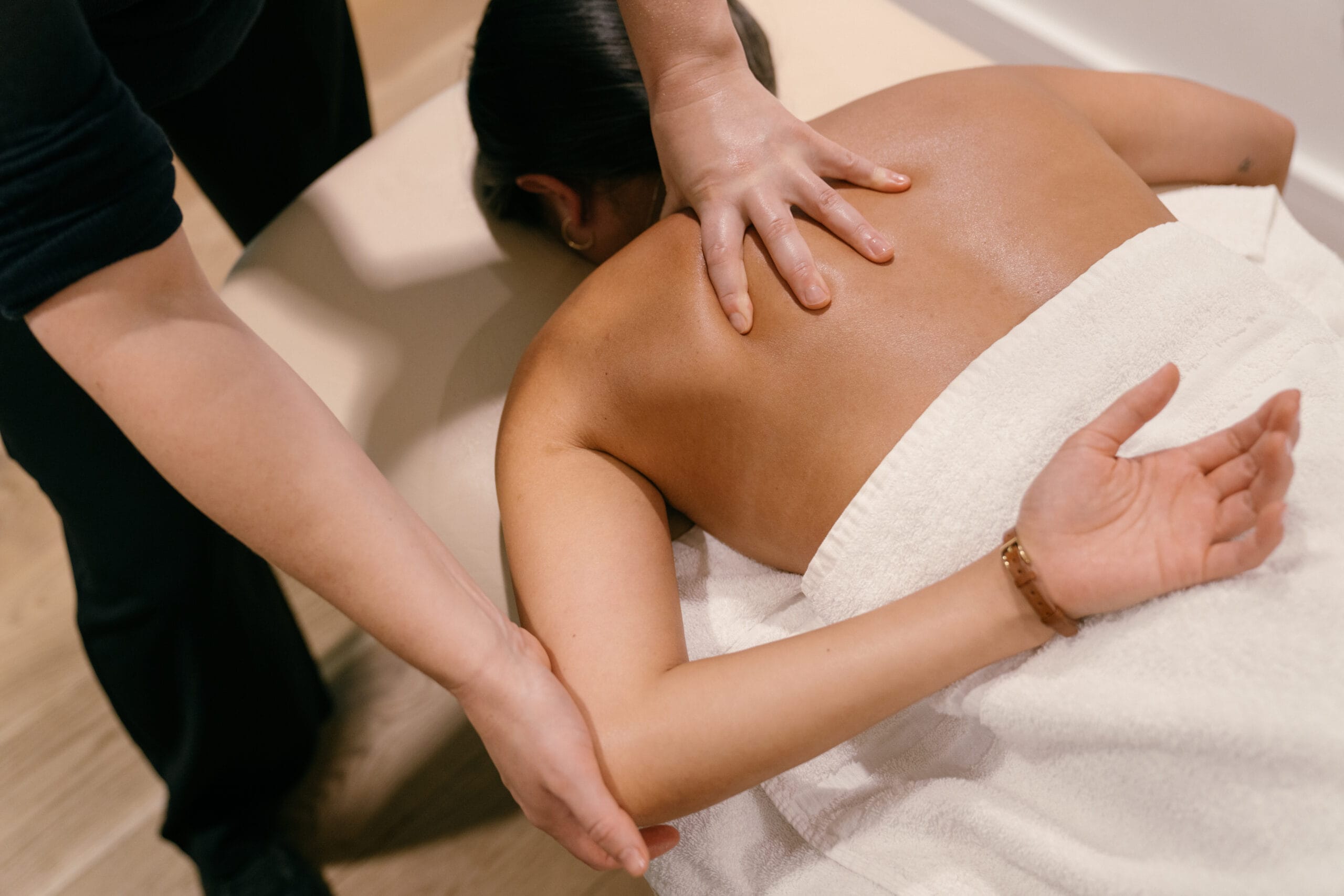
How massage devices work
Massage devices target muscle tissue with pressure, vibration, or percussion. They increase blood flow. This brings oxygen and clears waste products from muscles. They also stimulate nerve endings. That can change pain signals and make you feel less sore.
Are massage devices good for muscle recovery because they mix physical and neurological effects? Yes. The combo of increased circulation and sensory input helps muscles recover faster and feel better. This is why athletes and weekend warriors both use them.
Today's Exclusive Deals
Limited-time Exclusive Deals. Check current discount on Amazon.
Check Price on Amazon As an Amazon Associate I earn from qualifying purchases.
Benefits for muscle recovery
Many people ask if Are massage devices good for muscle recovery in the short term and long term. The short-term benefits are clearer. You can expect less tightness, reduced delayed onset muscle soreness, and a faster return to normal movement.
Key benefits
- Faster warm-up and cooldown. Devices help tissues prepare for work and recover after.
- Reduced soreness. Users often report less pain after 24 to 72 hours.
- Better range of motion. Looser muscles move more freely.
- Improved blood flow. This speeds nutrient delivery and waste removal.
- A simple recovery habit. Using a device is quick and scalable.
Research shows modest gains in soreness and perceived recovery. It also shows improved flexibility after targeted use. These wins add up when you use devices as part of a routine.
Today's Exclusive Deals
Limited-time Exclusive Deals. Check current discount on Amazon.
Check Price on Amazon As an Amazon Associate I earn from qualifying purchases.
Limitations and risks
Are massage devices good for muscle recovery in every situation? No. They are not a cure-all. They work best with other good habits like sleep, nutrition, and progressive training.
Common limits and risks
- They may not fix deep tissue damage or serious strains.
- Overuse can irritate tissue and cause bruising.
- Poor form or wrong settings can worsen pain.
- Not ideal for areas with open wounds, fractures, or certain medical conditions.
Be cautious if you have blood clot risks, recent surgery, or nerve issues. When in doubt, check with a health professional before use.

Types of massage devices and how they differ
Knowing the differences can help you answer Are massage devices good for muscle recovery for your needs. Pick the right type for the job.
Common types
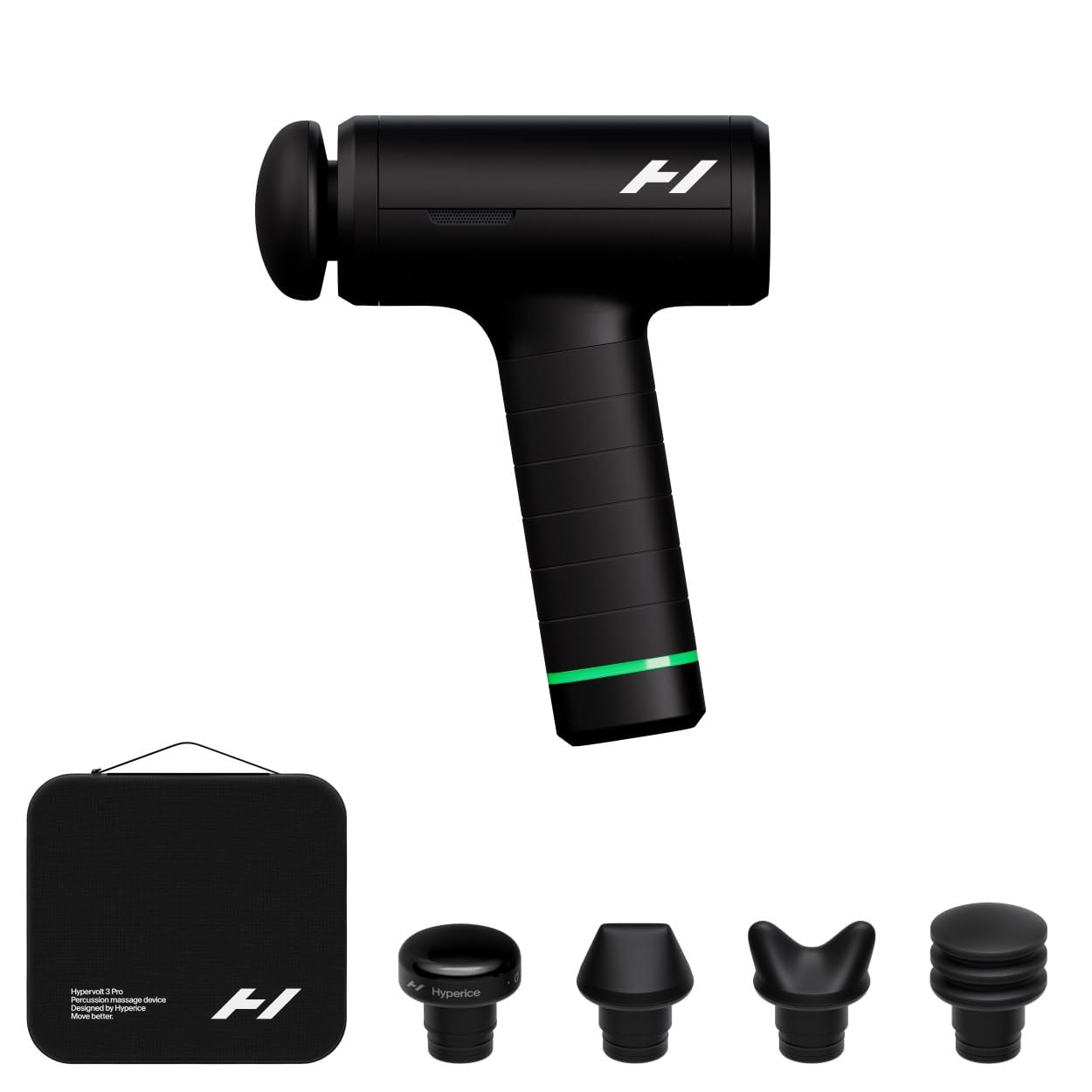
- Percussion guns. Deliver short, fast pulses into tissue. Good for quick relief and deep spots.
- Vibration devices. Offer steady vibration at various intensities. Good for warm-up and blood flow.
- Foam rollers and massage sticks. Use body weight for pressure. Cheap and effective for larger areas.
- Massage balls and lacrosse balls. Target small knots and trigger points.
- TENS and EMS units. Use electrical currents rather than mechanical force. Help pain control and muscle activation.
Each tool has a role. Percussion works fast. Rollers cover broad areas. Balls hit knots. Electrical tools focus on nerves and muscle firing.

When and how to use massage devices
People wonder: Are massage devices good for muscle recovery when used before or after exercise? They help both ways, but the goals differ.
Before exercise
- Use low to moderate intensity for 30 to 90 seconds per muscle group.
- Aim to increase blood flow and reduce stiffness.
- Don’t cause pain or heavy fatigue before training.
After exercise
- Use moderate intensity for 1 to 3 minutes per muscle group.
- Focus on sore areas and tight spots.
- Combine device use with hydration, gentle stretching, and rest.
How long should you use a massage gun? Short bursts of 30 to 120 seconds per spot work well. Longer sessions can feel good, but may not give extra biological benefit. If you feel sharp pain or numbness, stop and reassess.
How to choose the right device
If you ask Are massage devices good for muscle recovery for your budget, here is a simple buying guide. Match the device to your needs, not just the hype.
Shopping checklist
- Purpose. Do you want deep percussion, gentle vibration, or a rolling tool?
- Power and speed range. Look for adjustable intensity.
- Noise level. Quieter motors are nicer for home use.
- Battery life. Long runs matter if you travel or use often.
- Attachments. Different heads help treat different body parts.
- Price and warranty. A longer warranty shows maker confidence.
Test a device if you can. Try it on low settings first. Good fit and feel beat flashy specs every time.
Personal experience and practical tips
I have used percussion guns, rollers, and EMS units with clients and myself for years. Here are lessons I learned the hard way.
What I learned
- Start slow. High intensity too soon caused more soreness for me.
- Focus on habits. Ten minutes after a run works better than one long session once a week.
- Use targeted pressure. A small ball on a knot often beats blasting the whole muscle.
- Combine methods. Use a warm shower, a short device session, and light stretching.
A mistake to avoid is relying only on devices. I once tried to skip sleep and nutrition and used a massage gun daily. The recovery was weak. Devices help, but they do not replace rest and good food.

Practical recovery routine example
Here is a simple routine to test whether Are massage devices good for muscle recovery for you. It is quick and easy.
Routine steps
- Warm-up 5 minutes light cardio.
- Use device on major muscle groups for 30–60 seconds each.
- Do your workout.
- Cool down with 3 minutes light cardio.
- Post-workout, use device on sore spots for 1–2 minutes each.
- Hydrate and sleep well.
Try this routine for two weeks. Track how you feel after sessions and on rest days.

Frequently Asked Questions of Are massage devices good for muscle recovery
Do massage devices actually speed muscle recovery?
Yes. They can improve blood flow and reduce soreness. This can translate to quicker feeling recovery and better mobility.
Can massage devices replace professional massage?
No. They are a useful supplement. Hands-on therapy can treat complex issues better.
How often should I use a massage device?
Use them daily or every other day for mild soreness. For intense settings, limit to avoid irritation.
Are massage devices safe for older adults?
They can be, with care. Use low intensities and consult a doctor if there are health concerns.
Will massage devices help old injuries?
They may ease pain and tightness. But chronic or structural injuries need professional assessment.
Can children use massage devices?
Only with adult supervision and low intensity. Avoid strong percussion on young bodies.
Conclusion
Massage devices can be an effective part of a recovery plan. They help blood flow, cut soreness, and improve range of motion when used correctly. They work best with sleep, good nutrition, and smart training. If you are asking Are massage devices good for muscle recovery, try one thoughtfully and track your results. Start slow, listen to your body, and blend device work with other recovery habits. Ready to try a routine? Pick a device that fits your needs, test it gently, and share your results or questions below.

