
Massage devices are electric or manual tools that relieve muscle pain and boost recovery.
Exclusive Deals
Limited-time Exclusive Deals. Check current discount on Amazon.
Check Price on Amazon As an Amazon Associate I earn from qualifying purchases.I have spent years testing and writing about massagers. I know the tech and the real-world impact of massage devices on pain, recovery, and daily comfort. This article explains what massage devices are, how they work, and how to pick and use them safely. Read on for clear steps, hands-on tips, and simple science that you can apply today.
How massage devices work
Massage devices use one or more mechanical or electrical methods to stimulate soft tissue. The most common mechanisms are percussion, vibration, kneading, compression, heat, and electrical pulses. Each method affects muscles, nerves, and blood flow in a slightly different way.
Exclusive Deals
Limited-time Exclusive Deals. Check current discount on Amazon.
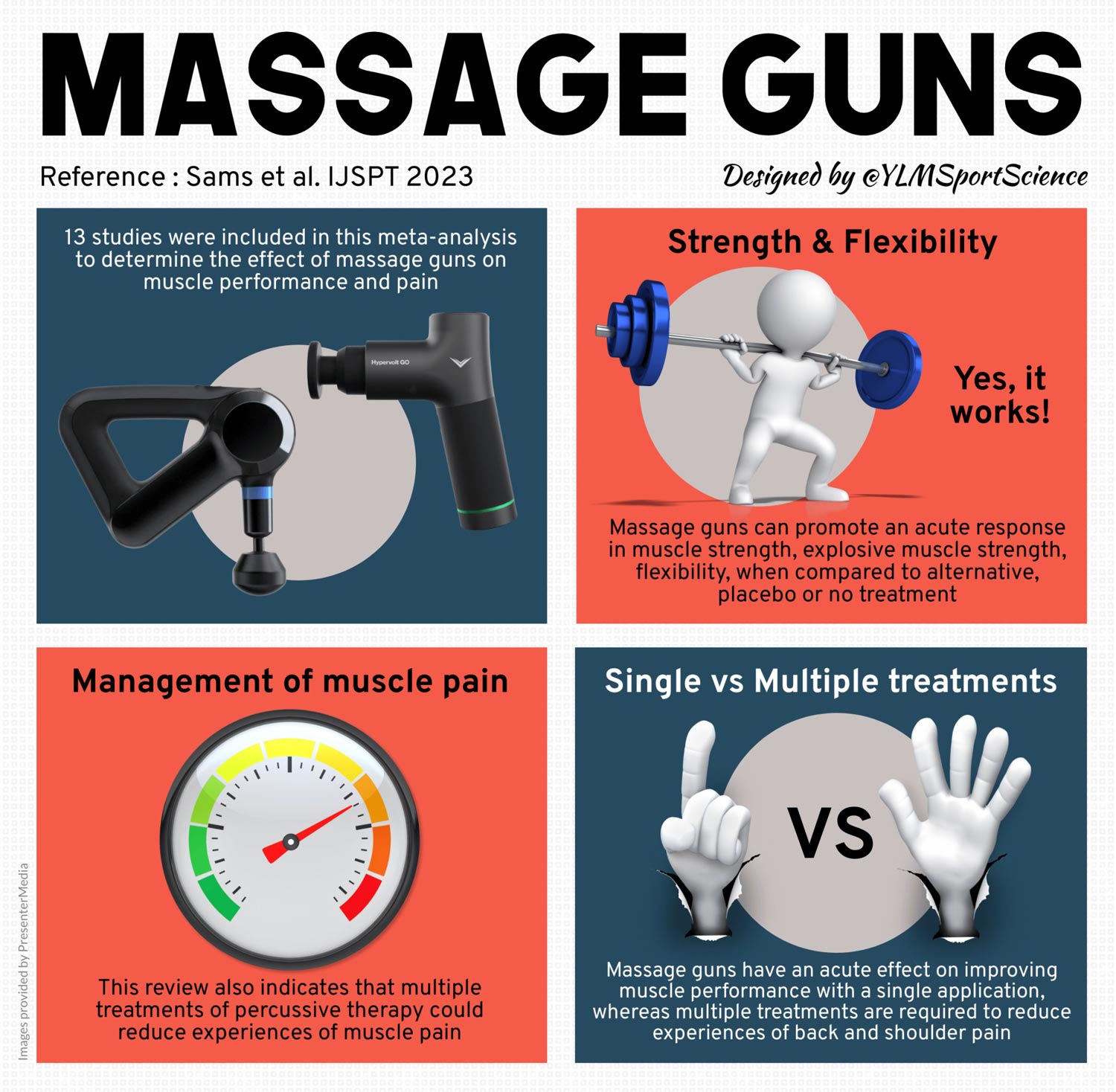
Check Price on Amazon As an Amazon Associate I earn from qualifying purchases.- Percussion and tapping. Rapid strikes push blood into tissue and can reduce tight spots. This method is common in massage guns.
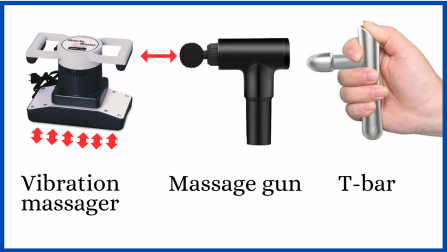
- Vibration. Fast oscillation creates gentle stimulation that soothes nerves and boosts circulation.
- Kneading and rollers. These mimic hands by lifting and squeezing tissue to improve mobility and break down adhesions.
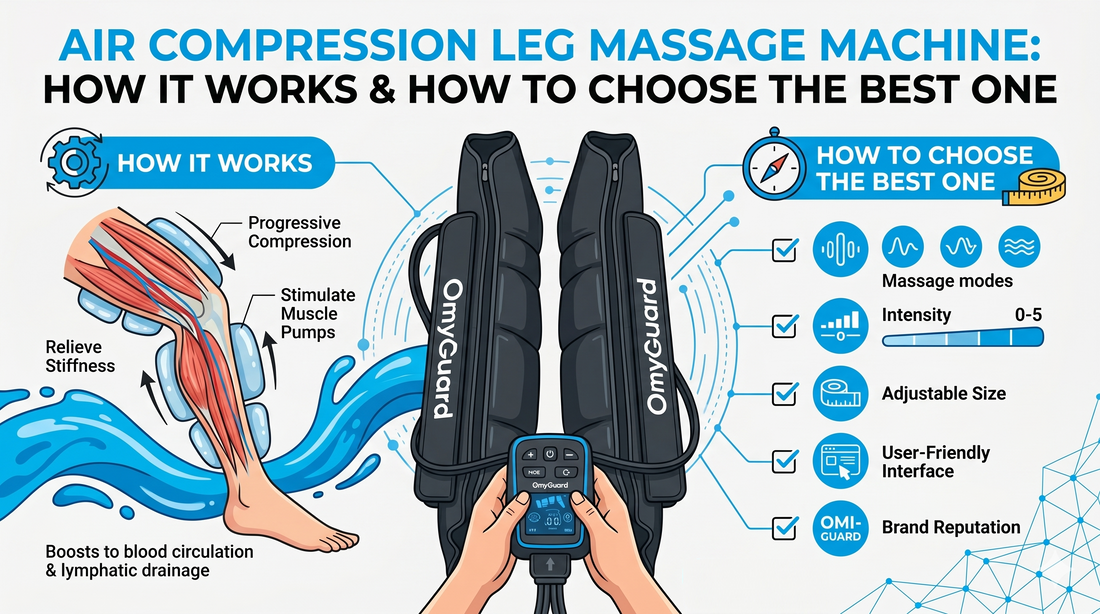
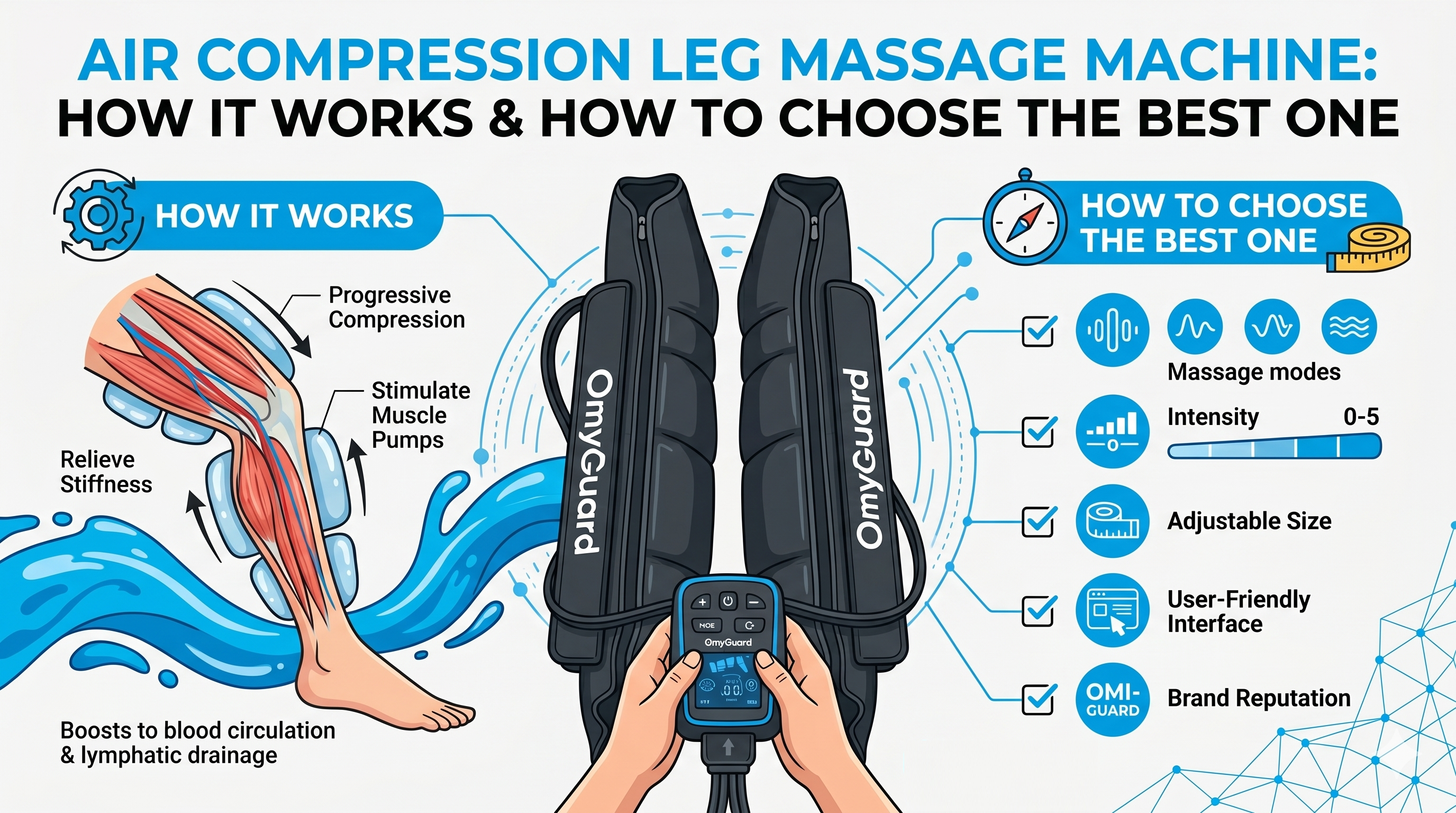
- Compression and air bags. Repeated squeeze-and-release helps move fluid and reduce swelling.
- Heat. Warmth relaxes muscle fibers and increases blood flow, easing stiffness.
- Electrical stimulation (TENS and EMS). Short electrical pulses change nerve signaling or cause muscle contraction for pain relief or rehab.
Understanding the mechanism helps you choose the right device for a goal, such as pain relief, recovery, or relaxation. Many modern massage devices combine two or more of these mechanisms for better results.
Types of massage devices
There are many kinds of massage devices on the market. Each type fits different needs, budgets, and body areas.
Exclusive Deals
Limited-time Exclusive Deals. Check current discount on Amazon.
Check Price on Amazon As an Amazon Associate I earn from qualifying purchases.- Massage guns. Handheld devices that deliver rapid percussion. Great for athletes and sore spots.
- Shiatsu massagers. Often shaped like a cushion with rotating nodes that mimic kneading fingers.
- Rollers and foam rollers. Manual tools that use body weight to apply pressure and release tight tissue.
- Percussive wands. Smaller than guns and focused for precise areas like calves or shoulders.
- Foot massagers. Roller, kneading, or air compression units made for feet and lower legs.
- TENS and EMS units. Small devices that use electrical pulses for pain relief or muscle activation.
- Heated pads and wraps. Provide targeted warmth and mild pressure to ease stiffness.
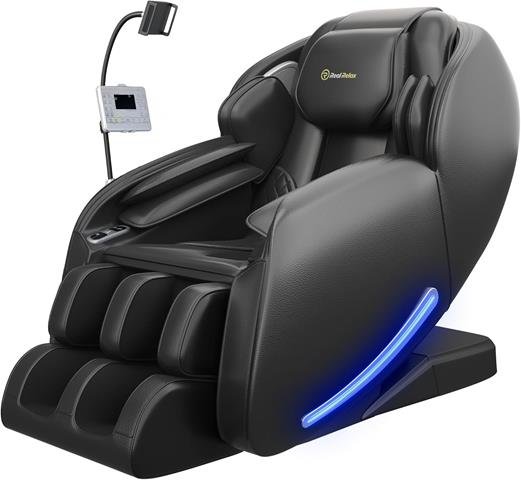
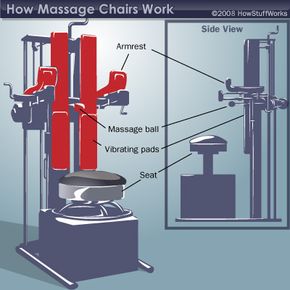
- Seat and full-body chairs. Combine rollers, airbags, and heat for a broader relaxation experience.
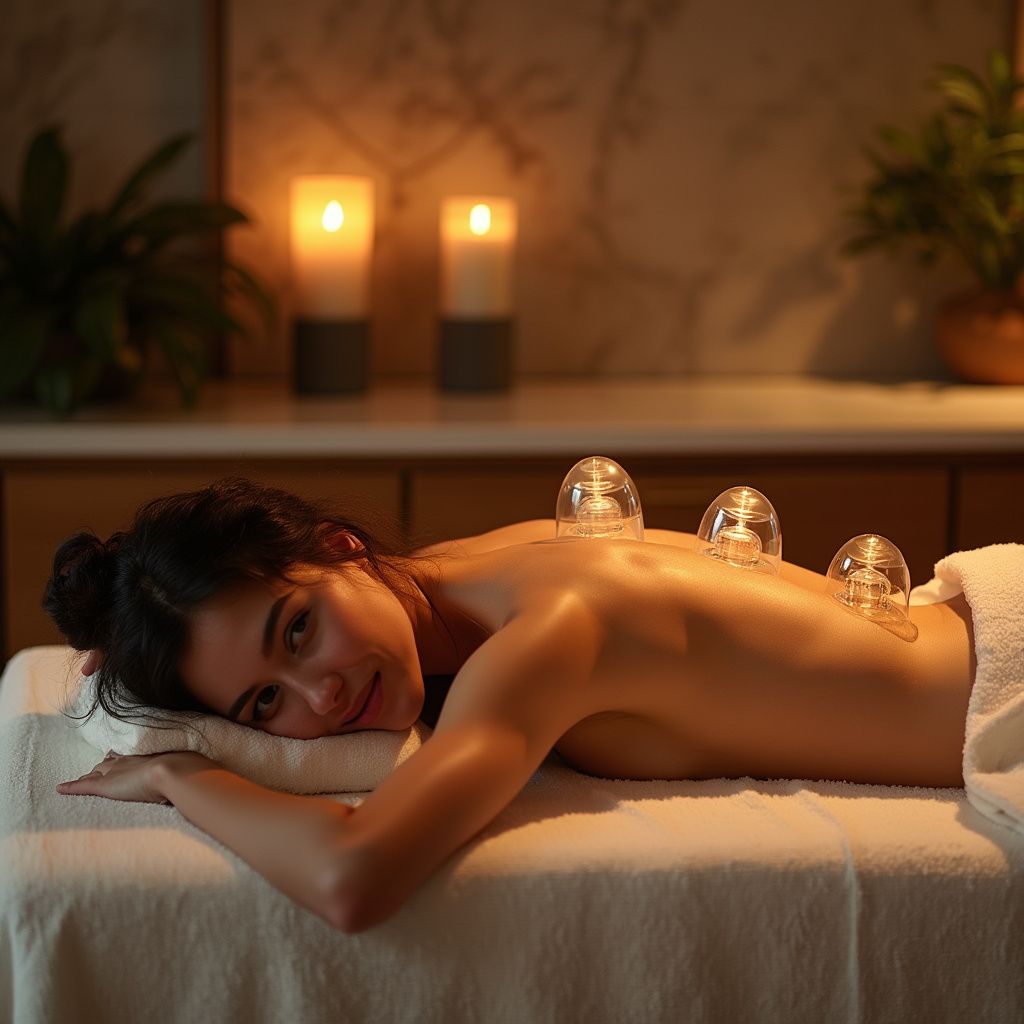
- Cupping and suction devices. Create negative pressure to lift tissue and increase blood flow.
Each option has pros and cons. For example, massage devices like foam rollers are cheap and portable. Massage guns are powerful but can be noisy. TENS units are small and clinically useful for nerve pain.

Benefits of using massage devices
Massage devices offer many practical benefits when used correctly. They extend self-care and can reduce the need for frequent clinic visits.
- Pain relief. Many massage devices help reduce muscle soreness and chronic aches by relaxing tight fibers and improving circulation.
- Faster recovery. Percussion and compression can reduce delayed onset muscle soreness after workouts.
- Improved circulation. Vibration and kneading aid blood and lymph flow, which helps tissue heal.
- Greater mobility. Regular use of rollers and kneading devices can increase range of motion.
- Stress reduction. Gentle massage lowers muscle tension and supports relaxation.
- Convenience and cost savings. A one-time purchase often replaces many clinic visits over time.
Research supports several benefits, such as reduced short-term pain and improved recovery after exercise. Results vary by device type, intensity, and user condition.
Limitations and safety considerations
Massage devices are helpful, but they are not a cure-all. You need to use them carefully and know the limits.
- Not a replacement for medical care. Avoid relying on devices for serious injuries or conditions without professional advice.
- Contraindications. Do not use massage devices over open wounds, fractures, deep vein thrombosis, recent surgery sites, or active infections.
- Pregnancy caution. Avoid localized deep massage on the abdomen and consult a clinician before use.
- Overuse risks. Too much intensity or time can cause bruising, nerve irritation, or increased inflammation.
- Device limits. Cheap devices may lack safety features. Battery faults and overheating are possible.
When in doubt, talk to a physical therapist or doctor. Use low intensity at first. Check your skin and stop if you feel numbness, sharp pain, or unusual swelling.
How to choose the right massage device
Choosing the right massage devices depends on goals, budget, and comfort. Use this checklist to narrow options.
- Purpose. Is the primary goal pain relief, muscle recovery, relaxation, or rehab?
- Target area. Choose a device that matches the body part you will treat most often.
- Mechanism. Pick percussion for fast relief, kneading for deeper tissue work, and TENS for nerve-related pain.
- Intensity settings. Multiple speeds let you start low and adjust safely.
- Attachments. Different heads add versatility for small or large muscles.
- Portability. Battery life and weight matter if you travel or commute.
- Noise level. Some devices can be loud; consider where you will use it.
- Warranty and reviews. Look for good customer support and real user feedback.
Try devices in store when possible. If you have a medical issue, consult a clinician for recommendations.
How to use and maintain massage devices
Proper use increases safety and extends device life. Follow these simple steps.
- Start slow. Use low intensity for one to two minutes on a new area before increasing.
- Limit session length. Aim for 1 to 5 minutes per spot for percussion. Use rollers for longer, gentle sessions.
- Avoid bones and spine. Keep contact on muscle, not directly on the spine or bony prominences.
- Combine with warm-up or cool-down. Use devices after light movement or during post-workout stretching.
- Clean regularly. Wipe surfaces and attachments after each use with a mild disinfectant.
- Charge and store properly. Follow the manufacturer’s rules for charging and keep devices in a dry place.
- Replace worn parts. Heads and cushions wear out. Replace them to maintain hygiene and function.
If you feel bruising or persistent pain after use, stop and consult a health professional.
Real-world tips and personal experience
I used a massage gun daily while training for a half-marathon. It helped my tight calves recover faster and reduced the time I felt sore. I learned a few lessons the hard way.
- Start at low power. My first sessions were too intense and left me bruised. Low power is better for most people.
- Use the right head. A round head works for big muscles. A smaller head is better for trigger points.
- Combine tools. Foam rolling before using a massage device sped my recovery.
- Avoid long sessions on one spot. Ten minutes is too long for a single knot.
These small habits turned my device from a novelty into a real recovery tool. Your mileage may vary, but careful use often leads to steady gains.

Frequently Asked Questions of What are massage devices and how do they work
What are the main types of massage devices?
Main types include percussion massage guns, shiatsu massagers, foam rollers, TENS/EMS units, and heated pads. Each type uses a different mechanism to relieve pain and improve circulation.
Are massage devices safe for everyone?
Many people can use them safely, but not everyone. Avoid use with fractures, blood clots, open wounds, or without medical advice during pregnancy.
How long should I use a massage device per session?
Short bursts are best. Aim for 1 to 5 minutes on a single spot with percussion devices and up to 10–15 minutes for gentle rollers or heat pads.
Can massage devices replace physical therapy?
They can help with self-care and recovery but do not replace professional care for serious injuries. Use them as a complement to a therapist’s plan, not a substitute.
Do massage devices help muscle recovery after workouts?
Yes. Devices that use percussion, compression, or vibration can reduce soreness and support faster recovery when used correctly.
Conclusion
Massage devices are practical tools that bring targeted relief and faster recovery into your daily routine. They work through percussion, vibration, kneading, compression, heat, or electrical pulses to relax muscle, improve circulation, and ease pain. Choose a device that fits your goals, start modestly, and use it safely to get the best results. Try one mindfully this week, track how your body responds, and adjust your approach as needed. If you liked this guide, leave a comment, subscribe for updates, or explore hands-on reviews to find the right massage devices for you.

