Inflate the ball until it feels firm but slightly springy, then test and adjust for comfort.
I have guided athletes, office workers, and rehab patients on how to inflate a balance ball properly. This guide draws on hands-on experience, product specs, and safety best practices to help you set the right firmness, avoid common mistakes, and maintain your ball for years of use. Read on to learn exact steps, tools, quick checks, and troubleshooting tips so your balance ball feels safe and reliable every time.
Today's Exclusive Deals
Limited-time Exclusive Deals. Check current discount on Amazon.
Check Price on Amazon As an Amazon Associate I earn from qualifying purchases.
Why proper inflation matters
A correctly inflated ball improves posture, balance, and exercise safety. Overinflation can stress seams and burst the ball. Underinflation reduces stability and can strain joints.
Knowing how to inflate a balance ball properly helps you get the right firmness for your body and activity. Proper inflation extends the ball’s life. It also reduces the risk of sudden collapse during use. Use small adjustments. Test the ball before you sit or exercise.
Tools and materials you need
Have the right tools ready. Good tools make inflation faster and safer.
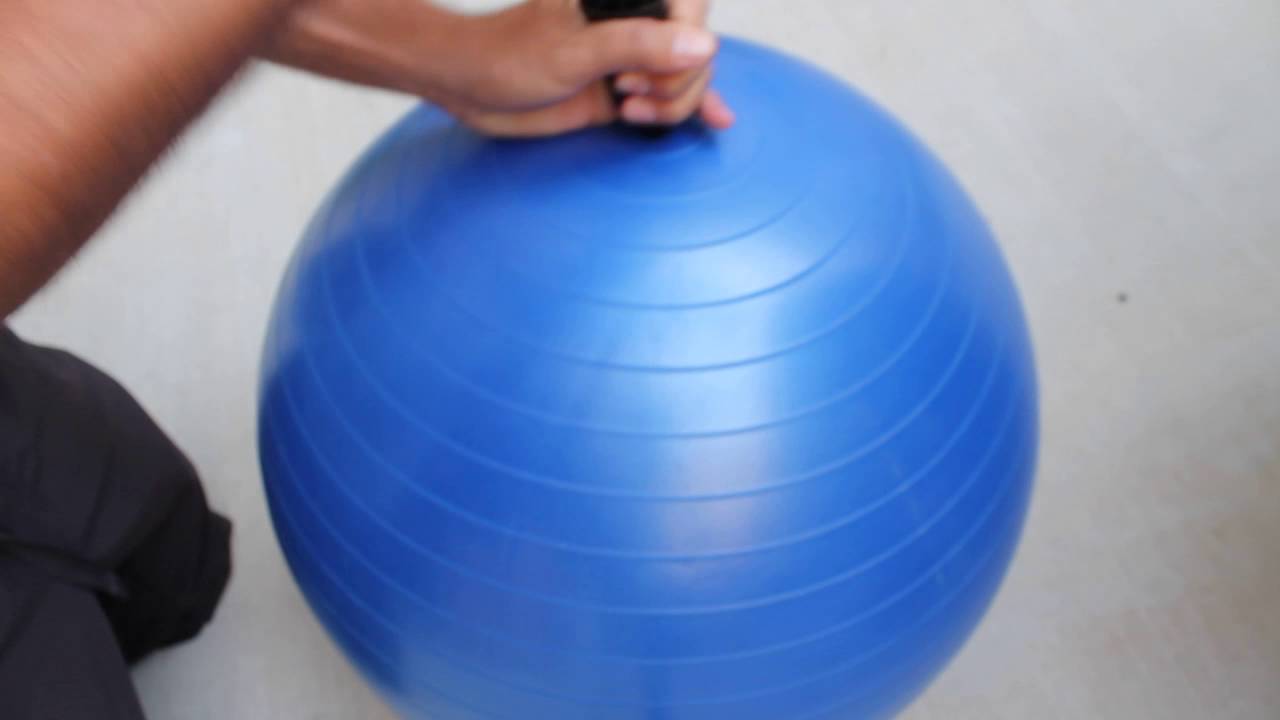
- Pump options: hand pump, foot pump, or electric pump that fits ball valves.
- Valve plug or stopper: most balls include a plastic plug.
- Measuring tape or ruler: to check diameter.
- Pressure gauge (optional): for precise inflation.
- Towel and mild soap: to clean the valve area before use.
Keep tools nearby during inflation. A proper pump nozzle prevents leaks. If you travel with the ball, pack the plug and a compact pump. These small choices affect how to inflate a balance ball properly.

Step-by-step: How to inflate a balance ball properly
These steps work for fitness, therapy, or desk balls. Follow them slowly and safely.
- Choose the correct ball size for your height and purpose.
- Unpack the ball and let it rest at room temperature for a few hours.
- Find the valve plug and remove it gently with your fingers or a small tool.
- Attach the pump securely to the valve. Ensure a tight fit.
- Inflate in short bursts. Pause and check firmness often.
- Measure the diameter once near the target size. Adjust as needed.
- Insert the valve plug fully and wipe away any residue.
- Sit or press the ball gently to test comfort and bounce.
- Recheck after 24 hours and add a small amount of air if it has softened.
Following these steps teaches you how to inflate a balance ball properly with minimal risk. Inflate slowly. Rapid bursts of air can trap wrinkles or stress the seam. Always leave the ball slightly springy rather than rock-hard.
Manual pump vs electric pump
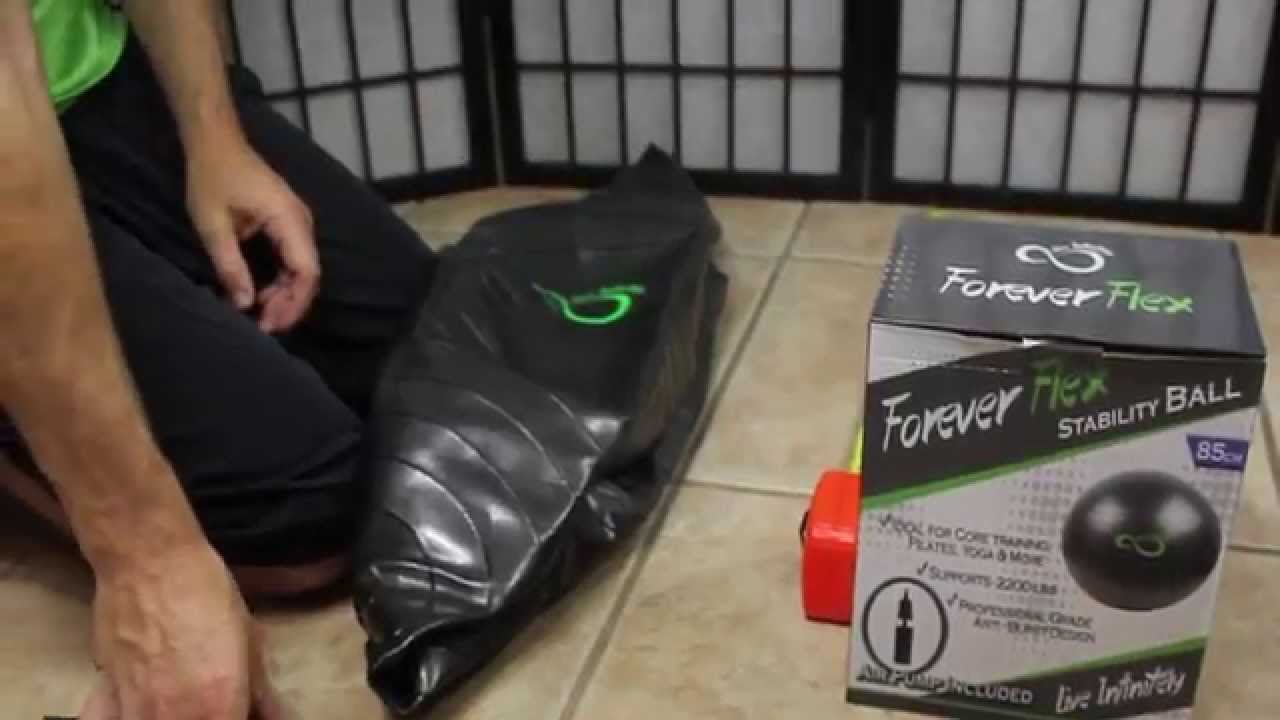
Hand or foot pumps work well for small inflations. Electric pumps save time but can overinflate quickly. For electric pumps, set low pressure and monitor the ball.
Measuring the ball
Use a tape measure across the widest part. Many manufacturers list ideal diameters. Match your measured diameter to the guide. This helps you know when you have learned how to inflate a balance ball properly.

How to check firmness and ideal size
Firmness affects stability and comfort. Use these quick checks.
- Sit test: When you sit, your knees should be level with hips or slightly lower.
- Press test: Press the center with your thumb. It should give slightly and spring back.
- Diameter check: Measure the ball and compare with the size chart for user height.
For exercise, aim for a firmer ball. For desk sitting, choose slightly softer feel. If you follow these checks you will know precisely how to inflate a balance ball properly for different uses.
PAA-style questions:
What pressure should a balance ball have?
Most balls don't use PSI ratings. Use diameter and feel instead. Follow the manufacturer size guide.
How long does inflation last?
A small amount of air may escape in the first day. Recheck after 24 hours and top up if needed.
Can I overinflate?
Yes. Overinflation makes the ball hard and increases burst risk. Inflate until firm but slightly springy.

Aftercare, storage, and maintenance
Proper care keeps your ball safe and long lasting.
- Store in a cool, dry place away from sharp objects and sunlight.
- Clean with mild soap and water. Avoid harsh chemicals.
- Recheck inflation monthly and before heavy use.
- Keep the valve plug snug and replace it if cracked.
- Patch small punctures with repair kits designed for PVC balls.
I once left a ball near a sunny window and it became soft and sticky after a hot day. I learned to keep balls out of direct heat. This is a practical lesson on how to inflate a balance ball properly and keep it that way.

Common problems and fixes
Here are typical issues and quick fixes to keep you safe.
- Slow leak: Check the valve plug and reinsert it. If leak persists, use a soap-and-water test to find the hole and patch it.
- Overinflated ball: Release small amounts of air until the feel is correct.
- Underinflated ball: Add air in short bursts. Wait a few minutes between pumps.
- Valve damage: Replace the plug or contact the manufacturer for a spare.
If you get a tear or large puncture, retire the ball for heavy use. Small patches work for light use or practice, but safety comes first when learning how to inflate a balance ball properly.
Frequently Asked Questions
What size ball should I buy for my height?
Choose by height charts usually provided by manufacturers. Common sizes are 55 cm, 65 cm, and 75 cm for different heights and uses.
How long should I wait after inflating before using the ball?
Wait at least 1–2 hours for the material to settle. Recheck firmness after 24 hours and top up if needed.
Can I inflate a ball with a bicycle pump?
Yes, a bicycle pump can work if the nozzle fits. Inflate slowly and monitor firmness to avoid overinflation.
How often should I check the air level?
Check monthly and before each heavy workout or long sitting session. Recheck after the first 24 hours following initial inflation.
Is temperature important when inflating a balance ball?
Yes. Inflate at room temperature. Heat causes expansion and cold causes contraction, which affects firmness and safety.
Conclusion
Mastering how to inflate a balance ball properly is simple when you use the right tools and follow careful steps. Inflate slowly, match diameter to size guides, check firmness with quick tests, and care for the ball to extend its life. Try a test sit, recheck after a day, and make small adjustments until it feels right. If you found this guide useful, try inflating your ball now, share your results, or leave a comment with questions.