Understanding why is rest important for strength training is the first step toward moving beyond basic exhaustion. You are not building muscle while you are in the gym, but rather damaging it through intentional mechanical stress.
True strength gains happen when you provide your body with the time to adapt to that stress. As of 2026, research from the National Strength and Conditioning Association confirms that systemic recovery is the primary limiting factor for long-term physiological progress.

Today's Exclusive Deals
Limited-time Exclusive Deals. Check current discount on Amazon.
Check Price on Amazon As an Amazon Associate I earn from qualifying purchases.Quick Answer
Rest is important for strength training because it allows muscles to recover. Your body repairs microscopic fiber damage during downtime. This process leads to muscle growth and increased force production.
Without adequate rest, your performance will decline and injury risk rises. Your central nervous system requires time to reset between sessions.
Why Your Rest Days Are Actually Your Hardest Workouts
You might feel like you are being lazy by skipping a day in the gym, but your body sees it differently. When you lift heavy weights, you create micro-tears in your muscle fibers. You also drain your glycogen stores and fatigue your nerves.
These systems do not bounce back instantly. If you keep training before the repair is finished, you are essentially spinning your wheels. You remain in a catabolic state, meaning your body is breaking itself down faster than it can build back up.
Think of your recovery as the engine room of your progress. It is the time when the actual structural changes happen. If you want to find top-rated brewers for your home, you must also prioritize the time you spend away from the iron.

Image source: Web (Bing) / dreams.co.uk (Web image (fair-use with source credit))
The Science of Muscle Repair and Supercompensation
The concept of supercompensation explains the relationship between training and recovery. Your body aims for homeostasis, which is its baseline level of capability. When you introduce the stress of a workout, that balance shifts.
Your body realizes it was not strong enough to handle that specific load comfortably. It then prioritizes repair to ensure that the next time you face that stress, it will be easier to manage. This results in a new, higher baseline of strength.
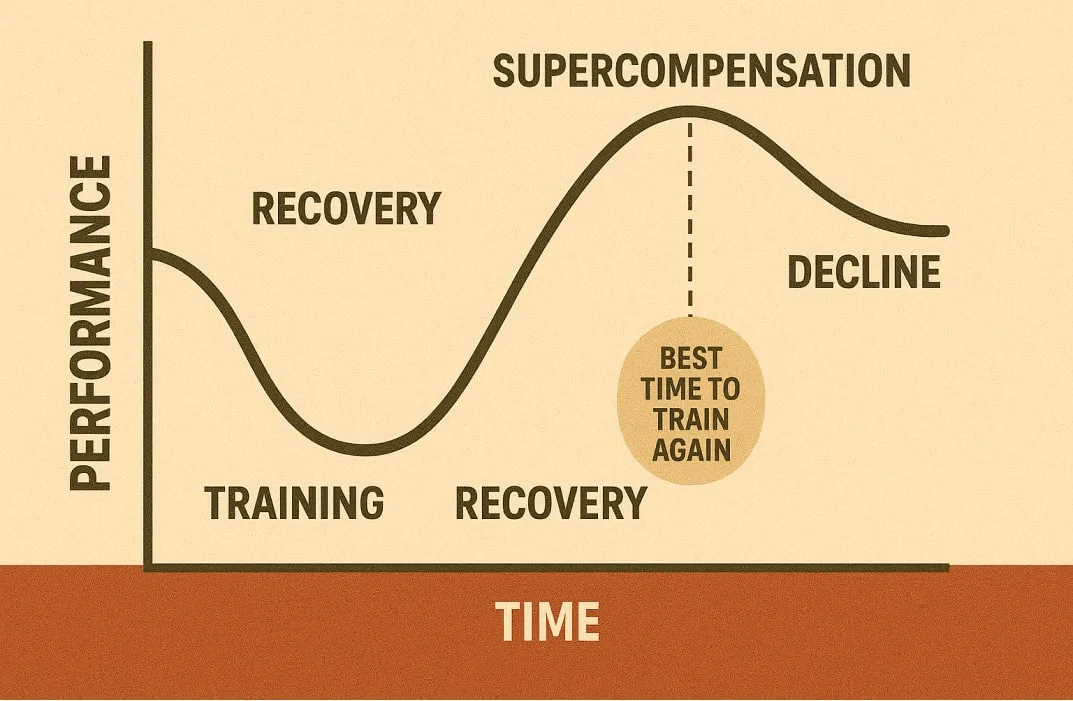
Image source: Bing (Web (fair-use with source credit))
This cycle relies on a window of time. If you train too early, you fail to reach that peak. If you wait too long, your body returns to its old baseline, and you lose the training effect.
Finding the sweet spot is key to a reliable machine for your fitness journey.
Identifying the Signs of Systemic Fatigue and Overtraining
Your body gives you subtle warnings before it suffers a full breakdown. You need to pay attention to these markers to avoid long-term plateaus. Many lifters mistake normal muscle soreness for systemic fatigue, but they are very different.
If you are feeling flat in the gym, it often points to an under-recovered central nervous system. This manifests as a loss of explosive power or difficulty completing sets that felt manageable last week.
- Persistent sleep disturbances despite physical exhaustion.
- A noticeable increase in resting heart rate upon waking.
- Lingering irritability or lack of mental focus during sessions.
- Reduced motivation to pursue our favourite picks for strength building.
Essential Strategies for Optimizing Your Recovery Windows
Active recovery is often superior to complete inactivity. You want to maintain blood flow to the muscles without adding further mechanical damage. This helps clear metabolic waste products like lactate and ions that accumulate during high-intensity training.
Try incorporating low-impact movement into your off days to speed up this process. Simple habits like walking, light swimming, or mobility work can make a significant difference. Your joints will thank you for the extra attention.
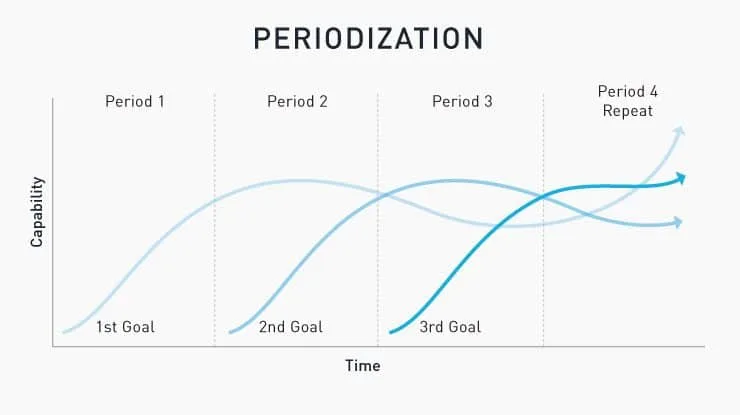
Image source: Web (Bing) / walmart.com (Web image (fair-use with source credit))
Sleep remains the most critical recovery tool in your arsenal. According to research from the National Institutes of Health, quality sleep modulates the hormones responsible for muscle protein synthesis. Aim for 7 to 9 hours to ensure your body has the window it needs for repair.
If you are starting your journey with a compact pick, remember that recovery is part of the package.
Preventing Injury: The Crucial Link Between Rest and Connective Tissue Health
Muscles typically repair faster than tendons and ligaments. This is a common trap for eager lifters who feel strong but have not allowed their structural tissues to catch up. Overuse injuries often occur when you load the skeleton faster than the connective tissue can remodel.
Persistent tendonitis is usually a signal that your training density is too high for your current recovery rate. If you feel sharp, localized pain in your joints, back off the weight immediately. It is better to lose a week of training than to lose three months to a tendon repair.
Use a reliable setup to monitor your volume progression over time. Gradual increases help your body adapt its structural integrity. Respect the process, and your body will provide the longevity you need to keep lifting for years.
Common Pitfalls That Stall Your Gains
You stall your progress when you consistently ignore the signals for rest. The most frequent error is the more is better mindset, where lifters add sets and intensity every week without ever factoring in a reset period. This constant mechanical overload keeps your body in a state of high inflammation.
Another major mistake is poor nutritional timing after your session. Your muscles require protein and carbohydrates to move from a catabolic state back to an anabolic state. Neglecting this window makes it harder for your body to bounce back before the next workout.
| Common Pitfall | Why It Stalls Gains |
|---|---|
| Training to failure daily | Exhausts your nervous system prematurely. |
| Skipping deloads | Leads to chronic joint inflammation and stagnation. |
| Inconsistent sleep | Blunts growth hormone production and repair. |
| Ignoring hydration | Slows the transport of nutrients to damaged tissues. |
You might also be falling for the split-routine trap where you train the same muscle groups too frequently with high volume. If your training log shows that you haven't hit a new personal record in four weeks, you are likely failing to recover between sessions. Back off for a week and watch your strength numbers improve.
Expert Guidelines for Long-Term Programming
Successful programming relies on the integration of recovery into your weekly training schedule. You should view your recovery as a tool that allows for higher intensity during your active lifting sessions. If you are using a budget-friendly option, track your weight and set counts to identify when fatigue is accumulation faster than your recovery.
Professional coaches often use periodization to structure training cycles. This involves breaking your year into phases of high intensity followed by lower intensity blocks. These blocks ensure your body has the time it needs to absorb the training stress.
Be honest with your own data. If you feel like your grip strength is slipping or your mood is dropping, adjust your volume downward. You do not need to be at your maximum intensity every day to see long-term benefits.
Maintaining consistency over years is superior to burning out in months.
Frequently Asked Questions About Recovery and Growth
How many days off should I take per week?
Most lifters perform best with three to four days of rest per week. This depends on your total training volume and how hard you push in each session. Listen to your body and look for signs of systemic fatigue rather than just muscle soreness.
Does active recovery actually build muscle?
Active recovery helps build muscle indirectly by facilitating repair. It moves metabolic waste products out of your muscles while maintaining blood flow. This prevents the stiffness that occurs with complete inactivity and keeps your movement patterns fluid for your next session.
Can I train if I feel sore?
You can train if you only feel mild soreness, known as DOMS. If the soreness is sharp, joint-related, or prevents you from moving through a full range of motion, stay home. Pushing through significant pain leads to compensation and long-term injury.
What should I eat to speed up recovery?
Focus on consuming high-quality protein shortly after your workout to jumpstart muscle repair. Pair this with complex carbohydrates to restore glycogen levels. Adequate hydration and healthy fats are also necessary to regulate inflammation throughout the body.
How do I know when I need a deload week?
You likely need a deload if you feel flat in the gym for two consecutive sessions. Other indicators include persistent sleep issues and a lack of desire to train. A scheduled week at 50 percent of your normal volume is usually enough to reset.