
A push pull legs workout splits your strength training into three distinct categories based on movement patterns. This method organizes your gym time to ensure muscle groups are worked efficiently while receiving adequate recovery.
As of 2026, many lifters rely on this structure to manage total training volume. Standard programming logic suggests pairing muscle groups that assist one another during movement to maximize performance.

Today's Exclusive Deals
Limited-time Exclusive Deals. Check current discount on Amazon.
Check Price on Amazon As an Amazon Associate I earn from qualifying purchases.Quick Answer
A push pull legs workout divides exercises by muscle function.
Push days target chest, shoulders, and triceps.
Pull days focus on back and biceps.
Leg days cover quads, glutes, and hamstrings.
This split optimizes muscle growth and recovery.

Image source: Web (Bing) / craiyon.com (Web image (fair-use with source credit))
The Logic Behind the PPL Split: Why It Works
The push pull legs split works because it aligns with human biomechanics. Your body naturally categorizes movements into either pushing weight away from the torso or pulling it toward the body. When you perform a chest press, your triceps provide necessary assistance.
When you perform a row, your biceps work in concert with your back muscles.
By training these synergistic groups together, you avoid overlapping fatigue. If you train chest and back on the same day, your shoulders and arms might become too exhausted to perform effectively for either group. Research published in the Journal of Strength and Conditioning Research indicates that grouping muscle actions effectively promotes efficient stimulus during hypertrophy phases.
This approach also simplifies your time at the gym. Instead of wondering what to do next, you follow a clear path for each session. If you are looking for top-rated gear to support your training, keeping your routine focused helps you progress faster.
Consistency remains the primary driver of results regardless of the specific split chosen.
How to Group Your Workouts: The Push, Pull, and Legs Framework
The push day focuses on all pushing muscles. You generally perform movements like bench presses, overhead presses, and tricep extensions. These exercises engage the anterior deltoids, pectorals, and triceps.
Keeping these movements together allows for high-intensity output without interference from your pulling muscles.
Pull day covers the posterior chain of the upper body. You perform movements like pull-ups, barbell rows, and bicep curls. These target the latissimus dorsi, trapezius, rhomboids, and biceps.
If you need versatile equipment for these movements, focus on tools that accommodate both heavy pulling and smaller isolation work.
Leg day is the final component. This session targets the lower body, including quads, hamstrings, glutes, and calves. While movements like squats and deadlifts are technically compound lifts involving the whole body, they are classified under legs in this split.
It creates a balance where your upper body rests while you focus entirely on lower-body power.
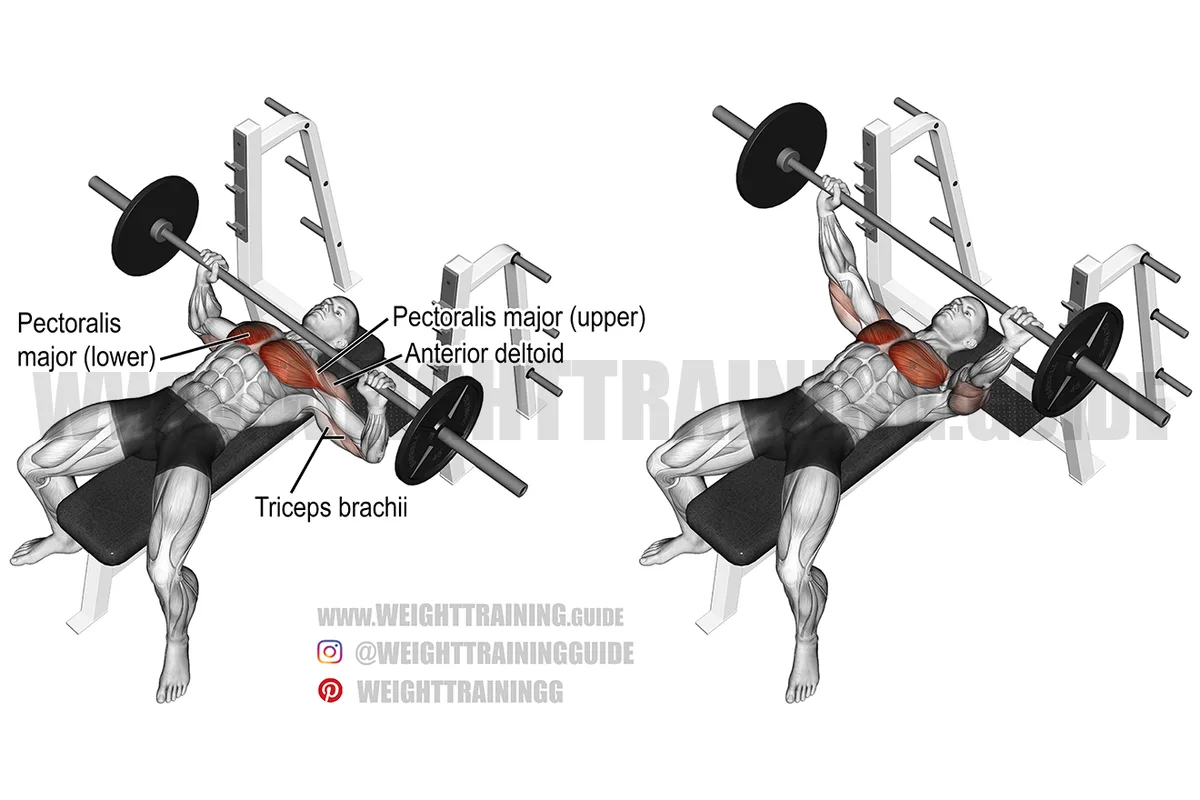
Image source: Web (Bing) / weighttraining.guide (Web image (fair-use with source credit))
The Decision Tree: Choosing Your Training Frequency
Your schedule dictates how often you cycle through the three days. A three-day weekly frequency is ideal for beginners or those with busy lives. You perform one push session, one pull session, and one leg session, followed by rest days.
This allows for sufficient recovery while maintaining a steady rhythm.
Advanced lifters often opt for a six-day frequency. This involves repeating the PPL cycle twice per week. You perform the routine back-to-back or with a rest day after the third session.
This approach significantly increases volume, which can be useful for those who use sturdy gear designed for high-frequency use to reach their goals.
If you are just starting, do not feel pressured to train six days a week. It is better to choose a frequency you can maintain for months rather than weeks. If you only have space for compact training tools, a 3-day split often yields better results than an inconsistent 6-day program.
Listen to your body and adjust if you feel overly fatigued.
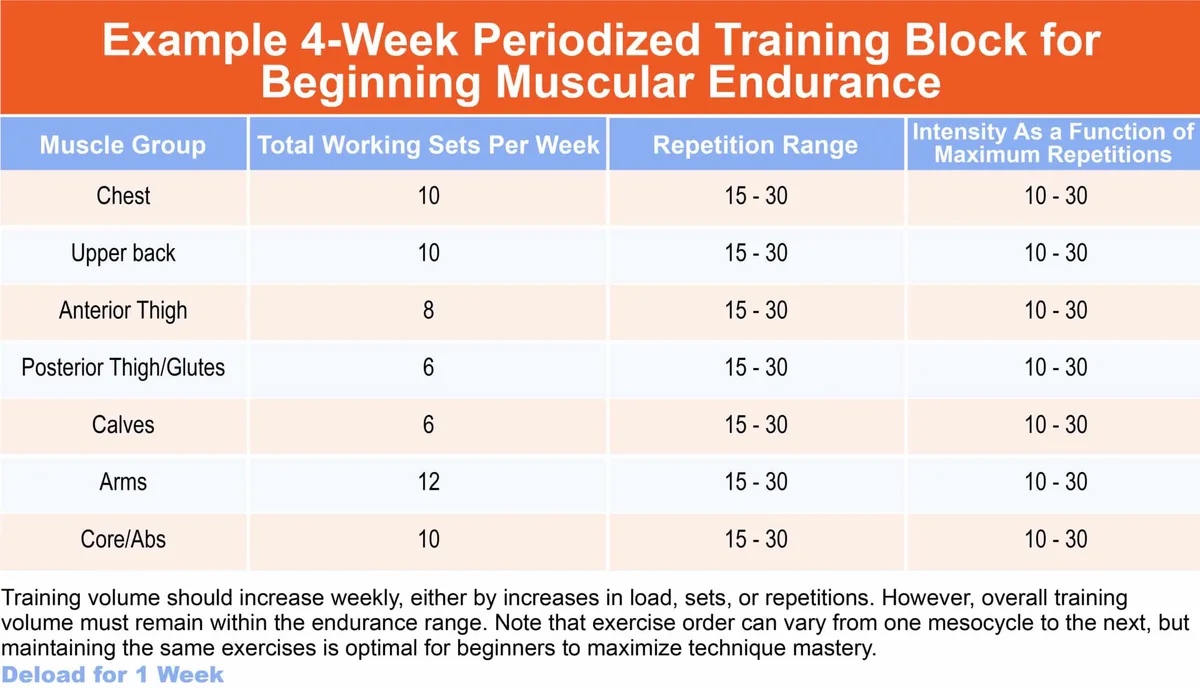
Image source: Web (Bing) / storage.googleapis.com (Web image (fair-use with source credit))
Benefits, Drawbacks, and Training Efficiency
The primary benefit of the PPL split is efficiency. Because you group related muscles, you avoid redundant work and maximize the intensity of every set. This structure is highly scalable, making it easy to track progress when using a basic setup.
You can focus on progressive overload, adding weight or reps steadily over time.
One drawback is the potential for central nervous system fatigue. Since compound lifts like squats or deadlifts are demanding, doing them frequently in a 6-day split can lead to burnout. You must balance the volume of these heavy movements with lighter, supportive work.
Proper nutrition and sleep are as important as the workout itself.
Compared to a full body approach, PPL allows for more specialized volume per muscle group. If your goal is aesthetic muscle growth, this specialization is often more effective than hitting every muscle lightly every single day. Always select your primary home gym setup based on the specific movements you intend to emphasize in your PPL routine.
Strategic Execution: How to Build Your Weekly Workflow
Success starts with prioritizing compound movements. These are multi-joint lifts like squats, presses, and rows that recruit the most muscle mass. Always start your session with these, as they require the most energy.
When you are fresh, your form is at its best, and your risk of injury remains low.
Isolation exercises follow compound movements. These are single-joint lifts like lateral raises, bicep curls, or leg extensions. They help you target specific areas that might lag behind.
If you are following a plan focused on heavy lifting, treat these as secondary to your main lifts.
Finally, track your data. Note the weight, sets, and repetitions for every exercise. This provides a clear benchmark to evaluate your growth over time.
If you do not track your work, you will struggle to apply progressive overload effectively. Consistency is the foundation of any long-term physical improvement.
Common Pitfalls and How to Manage Recovery
The most frequent mistake involves ignoring the signals your body sends after intense sessions. Many lifters try to match their training volume to high-level athletes without having the same recovery resources. If your strength plateaus or your joints ache consistently, you are likely pushing past your recovery capacity.
You can manage this risk by incorporating planned deload weeks. Every four to six weeks, reduce the intensity of your lifts by thirty to fifty percent. This gives your connective tissues and nervous system time to repair.
It is a strategic pause that allows you to come back stronger in the subsequent cycle.
Watch your intensity throughout the week as well. You should aim for reps in reserve, meaning you stop just shy of total muscle failure on most sets. Training to absolute failure on every set is unnecessary and often counterproductive for long-term growth.
Use top-tier barbell gear for strength training to maintain proper form rather than grinding out ugly, ineffective repetitions.
| Recovery Indicator | Adjustment Strategy |
|---|---|
| Persistent Joint Pain | Reduce volume or swap the movement. |
| Stalled Progression | Take a deload week or increase sleep. |
| Constant Fatigue | Lower training frequency to 3 days per week. |
Listen to your body before your ego. If you wake up feeling like you haven't recovered from the previous session, take an extra rest day. A single day off will not ruin your progress, but training through a potential injury certainly can.
Frequently Asked Questions
Can I do cardio on a push pull legs routine?
Yes, cardio fits well with this split. You can perform light cardio on your rest days or after your strength sessions. Avoid high-intensity cardio immediately before heavy lifting to ensure you have enough energy for your compound movements.
Prioritize lower-impact options if you feel your legs are already exhausted from your leg-focused sessions.
Should I do abs during a PPL workout?
You can include abdominal work at the end of any of the three sessions. Since the core stabilizes your body during compound movements, it is often best to train them after your main lifts. Aim for two to three sessions per week rather than training them every single time you enter the gym.
What if I miss a workout day?
Missing a session is not a problem for your long-term success. Simply pick up where you left off in your next gym visit. Do not try to perform two days of volume in one session to catch up.
Consistency over months and years matters far more than hitting every planned session perfectly.
Is this split suitable for fat loss?
The PPL split works effectively for fat loss when combined with a controlled calorie deficit. While the workout burns calories, your diet remains the primary factor in losing body fat. Focus on maintaining your strength and muscle mass through high-protein intake while keeping your lifting intensity high during your training sessions.
Do I need a rest day between push, pull, and legs?
You do not need a rest day between every single session, but you should take one at least every three or four days. If you train six days per week, ensure you take at least one full day off to reset. Beginners usually fare better with a rest day between every workout session to allow for full muscle recovery.

