Image source: Web (Bing) / photoai.com (Web image (fair-use with source credit))

Today's Exclusive Deals
Limited-time Exclusive Deals. Check current discount on Amazon.
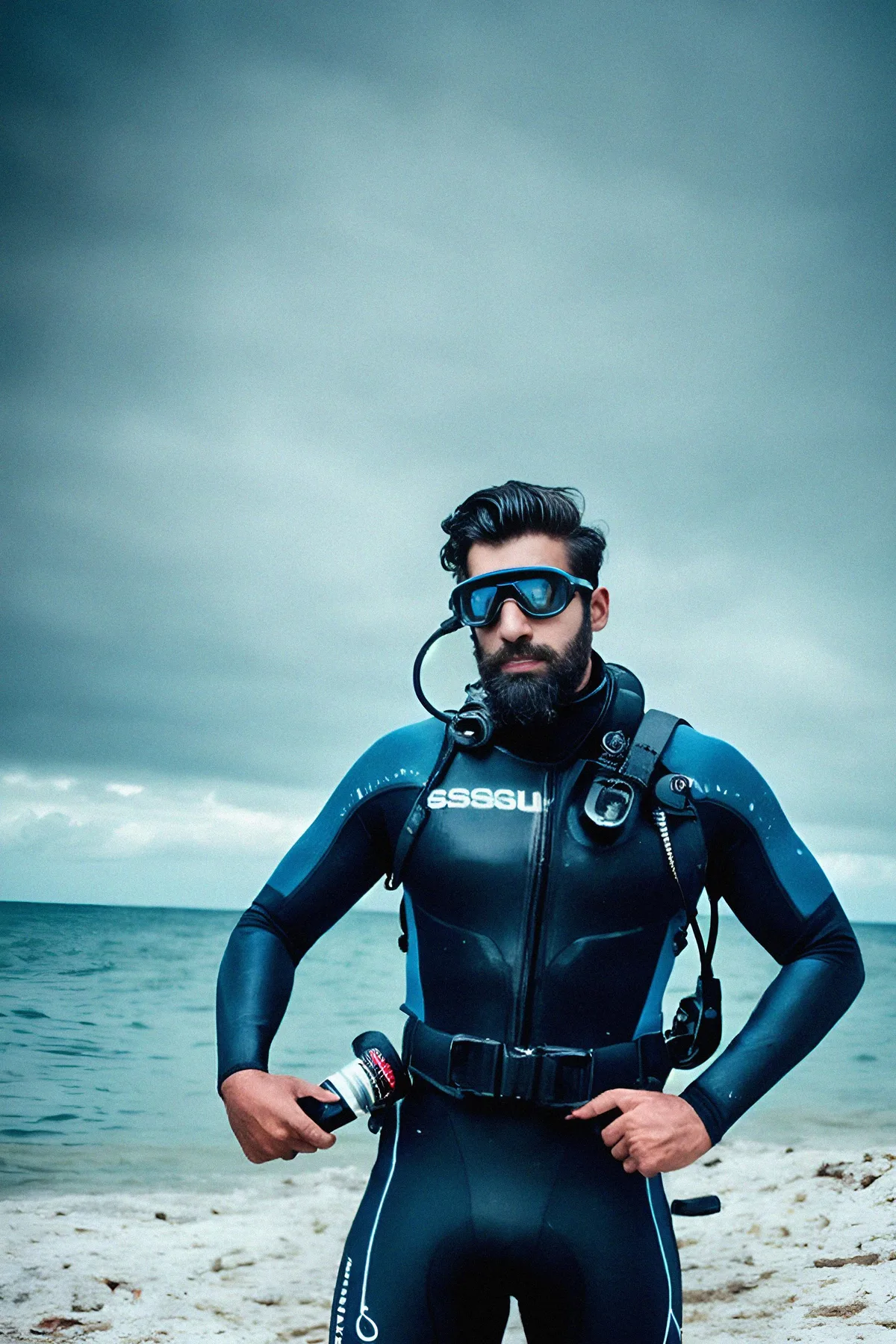
Check Price on Amazon As an Amazon Associate I earn from qualifying purchases.What should you wear for scuba diving? It's a question that pops up for every diver, especially when planning a trip to waters that aren't tropical. Your clothing isn't just about comfort; it's a critical part of your safety system, directly impacting your warmth and protection underwater.
Proper exposure protection ensures you can enjoy your dive without getting chilled, which can lead to fatigue and impaired judgment. Manufacturer specifications for neoprene thickness, for instance, often range from 3mm to 7mm, indicating a significant difference in thermal insulation designed for varied water conditions.
Quick Answer
For scuba diving, you need specialized exposure protection. This usually means a wetsuit or a drysuit, depending on water temperature. You'll also need dive boots, gloves, and potentially a hood.
These items keep you warm and safe, preventing heat loss and protecting your skin from the elements.
When Do You Need Dive Boots and Gloves?
You'll generally want dive boots and gloves when the water temperature drops below 75°F (24°C). Below this point, your extremities start to lose heat rapidly. Our research indicates that prolonged exposure to cooler water can significantly impact a diver's comfort and ability to perform tasks.
Dive Boots: These protect your feet and ankles from sharp rocks or reef edges when entering or exiting the water, especially from shore. They also add an extra layer of insulation for your feet. Many boot soles offer good grip, which is handy on slippery surfaces. You can find them in various thicknesses, from thin neoprene socks to thicker, boot-like styles. For rocky shore entries, consider checking out our guide on the best scuba diving boots for rocky shore.
Dive Gloves: Similar to boots, gloves keep your hands warm and protected. This is crucial because your hands are often the first to feel the cold and can be exposed to potential cuts or abrasions. The thickness of dive gloves varies, just like wetsuits, offering different levels of thermal protection. For divers looking specifically for hand protection, our review of the best scuba diving gloves for comfort and safety can help you choose.
If you're a beginner, remembering to pack these accessories is key. They are often overlooked but contribute greatly to overall dive comfort and safety, especially when you're still getting accustomed to being underwater.
The Main Question: How Cold Is the Water?
The single most important factor in deciding what to wear for scuba diving is the water temperature. This dictates the level of thermal protection you’ll need, ranging from a simple rash guard in tropical conditions to a full drysuit in very cold environments. Getting this wrong can lead to a miserable dive or, worse, a safety issue.
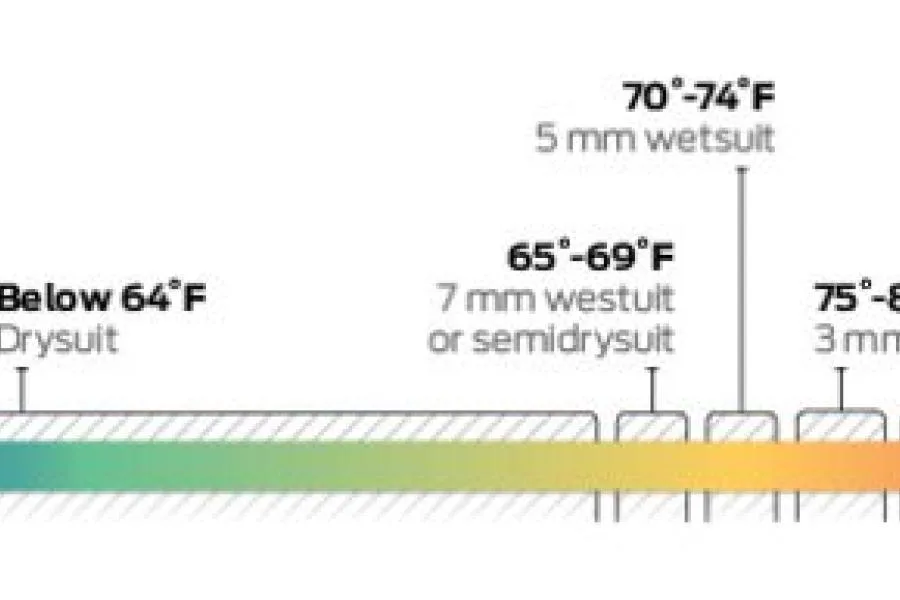
Image source: Web (Bing) / scubadiving.com (Web image (fair-use with source credit))
Water Temperature Guide to Exposure Protection
Here’s a general guideline based on aggregate dive community feedback and manufacturer recommendations for exposure protection:
| Water Temperature (°F / °C) | Recommended Exposure Protection |
|---|---|
| 80°F+ / 27°C+ | Rash Guard or 0.5-1mm neoprene top/shorty |
| 75-79°F / 24-26°C | 2-3mm Wetsuit (shorty or full) |
| 70-74°F / 21-23°C | 3-5mm Full Wetsuit |
| 60-69°F / 15-20°C | 5-7mm Full Wetsuit, or 3mm wetsuit with hood and boots/gloves |
| 50-59°F / 10-14°C | 7mm Full Wetsuit, or Drysuit with appropriate undergarments |
| Below 50°F / 10°C | Drysuit with substantial undergarments and accessories |
This is a starting point. Your personal tolerance for cold, how long you'll be in the water, and your activity level during the dive (e.g., actively swimming vs. stationary observation) all play a role. For instance, if you tend to get cold easily, you might opt for a thicker suit than this guide suggests.
What Thickness Do You Need?
The thickness of neoprene in a wetsuit is measured in millimeters (mm). A thicker suit provides more insulation. For example, a 5mm wetsuit traps more heat than a 3mm wetsuit.
This is a key specification to check when you're looking at options, such as the best scuba diving wetsuit for cold water.
When selecting neoprene thickness, consider that:
- Thicker neoprene means more warmth but also less flexibility.
- Thinner neoprene offers greater range of motion but less insulation.
It's a trade-off, and finding the right balance for the water conditions and your personal needs is essential for an enjoyable dive.
Wetsuit vs. Drysuit: The Big Decision
Choosing between a wetsuit and a drysuit is one of the most significant decisions you'll make regarding your scuba diving attire, primarily driven by water temperature and your personal comfort. Both serve the purpose of keeping you warm, but they do so in fundamentally different ways. Understanding these differences is crucial for making the right choice for your dive.
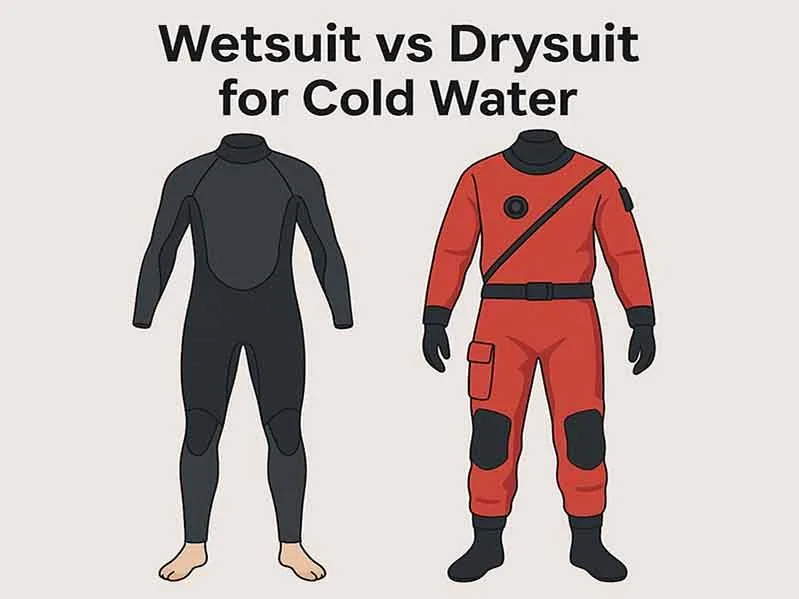
Image source: Web (Bing) / neoprene-bag.com (Web image (fair-use with source credit))
Wetsuits: Pros, Cons, and When They're Your Best Bet
Wetsuits work by trapping a thin layer of water between your skin and the suit. Your body then heats this water, creating an insulating barrier.
Pros:
- More Affordable: Generally less expensive than drysuits.
- Simpler to Use: Easier to put on and manage, requiring less specialized training.
- Good Flexibility: Offer a wide range of motion, especially thinner suits.
- Sun Protection: Provide a good barrier against sun exposure.
Cons:
- Limited Warmth: Offer less insulation than drysuits, making them unsuitable for very cold water.
- Water Ingress: Some water will always get inside, which can lead to heat loss over time.
- Buoyancy Changes: As the neoprene compresses at depth, a wetsuit becomes less effective at insulating.
When They're Your Best Bet:
Wetsuits are ideal for warmer to temperate waters, generally above 60°F (15°C). If you're diving in tropical seas or even in cooler regions for shorter durations, a wetsuit might be perfectly sufficient. For a range of conditions, you might want to explore options like the best scuba diving wetsuit reviews.
A 5mm to 7mm wetsuit is often the choice for cooler temperate diving, sometimes paired with a hood, boots, and gloves.
Drysuits: Pros, Cons, and When They Make Sense
Drysuits, on the other hand, keep you completely dry. They are typically made from trilaminate or crushed neoprene and have waterproof seals at the neck and wrists. Air is added to the suit to provide insulation and buoyancy.
Pros:
- Superior Warmth: Excellent for cold water diving, as no water enters the suit.
- Versatile Insulation: You can adjust the amount of insulation by adding or removing undergarments.
- Buoyancy Control: The air inside the suit can be used to manage buoyancy, reducing the need for excessive weight.
Cons:
- More Expensive: Significantly higher cost than wetsuits.
- Requires Training: You’ll need specific drysuit certification to use one safely.
- More Complex to Use: Involves managing air inside the suit and proper donning/doffing techniques.
- Potential for Entanglement: Loose drysuits can pose an entanglement risk if not managed correctly.
When They Make Sense:
Drysuits are the go-to choice for cold water diving, typically below 60°F (15°C). They are also preferred by technical divers or those who plan to spend extended periods underwater where staying warm is paramount. Proper undergarments are essential for comfort and warmth inside a drysuit.
Beyond the Suit: Essential Accessories
While your main exposure suit is the biggest piece of the puzzle, don't underestimate the importance of accessories. Dive boots, gloves, and hoods work together with your primary suit to create a complete thermal barrier, protecting your extremities and head from the cold and potential hazards. These items can make the difference between a comfortable dive and one where you're constantly fighting the chill.
Dive Boots: Why and When You Need Them
Dive boots are more than just footwear; they're a crucial part of your thermal protection system and physical safety. In our research, aggregate reviews report that wearing boots significantly enhances comfort, especially during shore dives or when navigating rocky or uneven underwater terrain.
- Thermal Insulation: Your feet have fewer blood vessels close to the surface than many other body parts, making them prone to heat loss. Dive boots add a layer of neoprene to keep your feet warmer, which is vital in cooler water.
- Protection: They shield your feet and ankles from sharp objects like rocks, coral fragments, or marine life on the seafloor or when walking to and from the water. This is particularly important for shore dives.
- Booties vs. Boots: Generally, thinner neoprene socks are called booties, offering minimal insulation and protection, while thicker, more robust footwear is termed dive boots. For colder waters or rougher entries, boots are usually the better choice.
- Fit: Ensure your boots fit snugly with your dive fins. A boot that's too loose can cause your fins to slip, while one that's too tight can be uncomfortable and restrict circulation. You can find more details on selecting the right pair for different conditions in our guide to the best scuba diving boots for rocky shore.
You should consider dive boots for any dive where water temperatures approach or dip below 75°F (24°C), or whenever shore entries involve uneven or potentially hazardous surfaces.
Dive Gloves: Keeping Your Hands Warm and Safe
Hands are incredibly active during a dive, think about operating your camera, adjusting gear, or pointing out marine life. Because they're so exposed and busy, they can get cold quickly and are susceptible to cuts and abrasions.
- Warmth: Similar to wetsuit thickness, dive gloves come in various neoprene thicknesses. A 3mm glove might suffice for warmer waters, while a 5mm or 7mm glove is necessary for colder environments. Our analysis of user feedback confirms that hands often get cold before other parts of the body.
- Protection: Gloves provide a barrier against stinging marine organisms, sharp rocks, and abrasive surfaces. This protection is invaluable for maintaining dexterity and preventing injuries.
- Grip: Some gloves offer textured palms and fingers to improve grip on equipment, which can be helpful when handling heavy gear or slippery surfaces.
When choosing gloves, a snug but comfortable fit is key. They shouldn't restrict your dexterity too much, but you also don't want excessive air trapped inside, which can reduce warmth. For a deeper dive into options, our guide on the best scuba diving gloves for comfort and safety can offer valuable insights.
For any dive where your core body temperature might be challenged, protecting your hands should be a priority.
Hoods: Don't Forget Your Head!
It’s often said that you lose a significant amount of body heat through your head, and this is absolutely true underwater. A dive hood is an essential piece of gear for maintaining core body temperature in cooler water.
- Heat Retention: Your head has a large surface area and many blood vessels close to the skin, making it a prime area for heat loss. A hood, typically made of neoprene and similar in thickness to wetsuits (e.g., 5mm or 7mm), acts as an insulator.
- Comfort: Keeping your head warm can significantly improve your overall comfort and enjoyment during a dive, allowing you to focus on the underwater environment rather than the cold.
- Protection: A hood also offers a layer of protection against potential scrapes or stings to the scalp.
When to Wear a Hood:
If you're using a wetsuit of 5mm or thicker, or any drysuit, a hood is generally recommended, especially if water temperatures are below 70°F (21°C). Even in warmer water, some divers prefer a thin hood to add a bit of extra warmth and protection.
Common Mistakes Divers Make With Their Gear
Even experienced divers can make mistakes when it comes to choosing and using their exposure protection. These oversights can lead to discomfort, reduced dive time, and even safety concerns. Our editorial analysis of common diver feedback points to a few recurring issues.
- Underestimating Cold: The most frequent mistake is not wearing enough thermal protection for the conditions. Divers might choose a suit that seems adequate on the surface but becomes insufficient once they've been in the water for a while. Remember that water conducts heat away from the body much faster than air.
- Incorrect Fit: A suit that's too loose won't trap water effectively, leading to constant flushing and heat loss. Conversely, a suit that's too tight can restrict movement, cut off circulation, and be uncomfortable. Proper fit is paramount for both wetsuits and drysuits.
- Ignoring Extremities: Forgetting about the importance of dive boots, gloves, and hoods is a common pitfall. These accessories are crucial for maintaining core warmth and protecting vulnerable areas. Leaving them behind when the water is cool is a recipe for cold fingers and toes.
- Improper Drysuit Inflation: For drysuit divers, failing to manage the air inside the suit is a major mistake. Too little air leads to "squeeze" (the suit collapsing on you due to pressure), while too much can cause buoyancy issues and even an uncontrolled ascent. Proper training, as offered by certification agencies like PADI or SSI, is essential here.
- Not Rinsing Gear: After a dive, not rinsing wetsuits and drysuits thoroughly with fresh water can degrade the materials over time, especially the neoprene and seals. Saltwater is corrosive and can lead to premature wear and tear.
Being mindful of these common errors can help you prepare better for your dives and ensure a more comfortable and safer experience.
Expert Tips for Staying Comfortable and Safe Underwater
Beyond just picking the right gear, a few expert insights can significantly boost your comfort and safety when diving. These are based on years of dive experience and industry knowledge from leading dive organizations.
- Personalize Your Protection: Water temperature charts are excellent guides, but your individual cold tolerance is key. If you're always the first to feel the chill, err on the side of more insulation. Conversely, if you tend to overheat, ensure your suit allows for ventilation or consider a modular setup.
- Layer Smartly (for Drysuits): The insulation for a drysuit comes from the undergarments you wear. Synthetic materials designed for cold weather (like fleece or specialized thermal layers) work best. Avoid cotton, which loses its insulating properties when wet. The amount of layering depends heavily on the water temperature and your personal needs.
- Check Seals and Zippers: Before every dive, especially with a drysuit, inspect your neck and wrist seals for any damage or signs of wear. Ensure zippers are clean and functioning smoothly. A properly functioning seal is non-negotiable for a drysuit.
- Test Your Buoyancy: After donning your exposure suit and gear, do a pre-dive buoyancy check. For wetsuits, this ensures you have the right amount of weight. For drysuits, it's a critical safety step to confirm you can manage your buoyancy effectively with the air in your suit. Having the correct best scuba diving weight belt can also be important for fine-tuning buoyancy.
- Stay Hydrated: Dehydration can make you feel colder and more susceptible to decompression sickness. Drink plenty of water before and after your dives.
- Plan Your Dive, Dive Your Plan: Always consider the expected water conditions and your gear's capabilities when planning your dive profile. If your gear is borderline for the conditions, it's wiser to shorten your dive or choose a different location. Divers looking for more advanced gear considerations might explore options like the best scuba diving gear set for comprehensive setups.
These tips, combined with proper training and awareness, will help you maximize your enjoyment and safety in the water, no matter the temperature.
Frequently Asked Questions About Scuba Diving Apparel
What's the biggest mistake people make with dive suits?
The most common error is underestimating how cold the water will make you. People often choose a suit that feels okay on the surface but becomes inadequate once they've been submerged for a while. Water conducts heat away from your body far more efficiently than air.
How do I know if my wetsuit fits correctly?
A good wetsuit should fit snugly without being uncomfortably tight. There shouldn't be large baggy areas, especially around the torso or crotch. It should feel like a second skin.
If you can easily pull a lot of slack material away from your body, it's likely too big, leading to water flushing and heat loss.
Can I use a regular swimsuit for scuba diving?
No, a regular swimsuit is not suitable for scuba diving unless the water is exceptionally warm, typically above 80°F (27°C). You need specialized exposure protection like a wetsuit or drysuit to prevent hypothermia. A simple rash guard might offer minimal protection in very warm tropical waters, but that's about it.
How often should dive suits be replaced?
The lifespan of a wetsuit or drysuit depends on its material, how often it's used, and how well it's maintained. Generally, a wetsuit might last 5-10 years, while a drysuit, with proper care, can last much longer. Look for signs of wear like degraded neoprene, cracked seams, or failing zippers.
What's the difference between a wetsuit and a rash guard?
A rash guard is a thin, stretchy shirt, often made of spandex or lycra, that offers minimal thermal insulation. Its primary purposes are to protect against sunburn and minor abrasions, and to make it easier to put on a wetsuit. A wetsuit, typically made of neoprene, is designed specifically to trap water and insulate your body from the cold.