What is the difference between jacket-style and back-inflate BCDs? Choosing the right Buoyancy Control Device (BCD) is crucial for a comfortable and safe dive, and these two popular styles offer distinct experiences. Understanding their unique designs helps you pick the one that best suits your diving needs and preferences.


Today's Exclusive Deals
Limited-time Exclusive Deals. Check current discount on Amazon.
Check Price on Amazon As an Amazon Associate I earn from qualifying purchases.Image source: Web (Bing) / deepbluediving.org (Web image (fair-use with source credit))
Our research indicates that while both BCD types provide essential buoyancy control, their form factor and how they distribute that buoyancy underwater lead to significantly different feels. The primary differentiator often comes down to surface stability versus underwater streamlining, a factor many divers weigh heavily.
Quick Answer
Jacket-style BCDs inflate around your torso like a vest, offering excellent surface stability and an upright position. Back-inflate BCDs have their air bladder mostly behind you, providing a more streamlined, horizontal trim underwater. Jacket-styles are generally preferred by beginners for their comfort and ease of use.
Back-inflates appeal to more experienced divers seeking a less restrictive feel.
How Does a BCD Work? The Basics
At its core, a Buoyancy Control Device (BCD) is your primary tool for managing buoyancy throughout a dive, allowing you to control your ascent, descent, and depth. It’s essentially a large, adjustable vest equipped with an internal bladder that can be inflated or deflated. This bladder connects to your scuba tank's low-pressure inflator hose, allowing you to add air and increase your buoyancy, or release air to decrease it.

Image source: Web (Bing) / scuba-diving-smiles.com (Web image (fair-use with source credit))
When you add air to the BCD's bladder, you become more buoyant, helping you float on the surface or ascend. When you release air, you become less buoyant, allowing you to descend. This controlled manipulation of air is what enables safe and comfortable diving.
The way this air is distributed within the BCD, either around your torso or primarily behind your back, is where the fundamental difference between jacket-style and back-inflate models lies. You can find detailed specifications on BCD lift capacities and functionality from manufacturers like Scubapro.
Core Explanation / How It Works
Features / Components / What's Inside
Jacket-Style BCD: The Comfortable Classic
The jacket-style BCD is the most common type you'll see, especially among new divers, and for good reason. It functions much like a life jacket, with an inflation bladder that wraps around your torso and waist. When you inflate it, the air expands to surround your body, offering a very stable and supportive feeling.
This even distribution of buoyancy is particularly helpful on the surface, keeping you comfortably upright and afloat, even in choppy conditions.
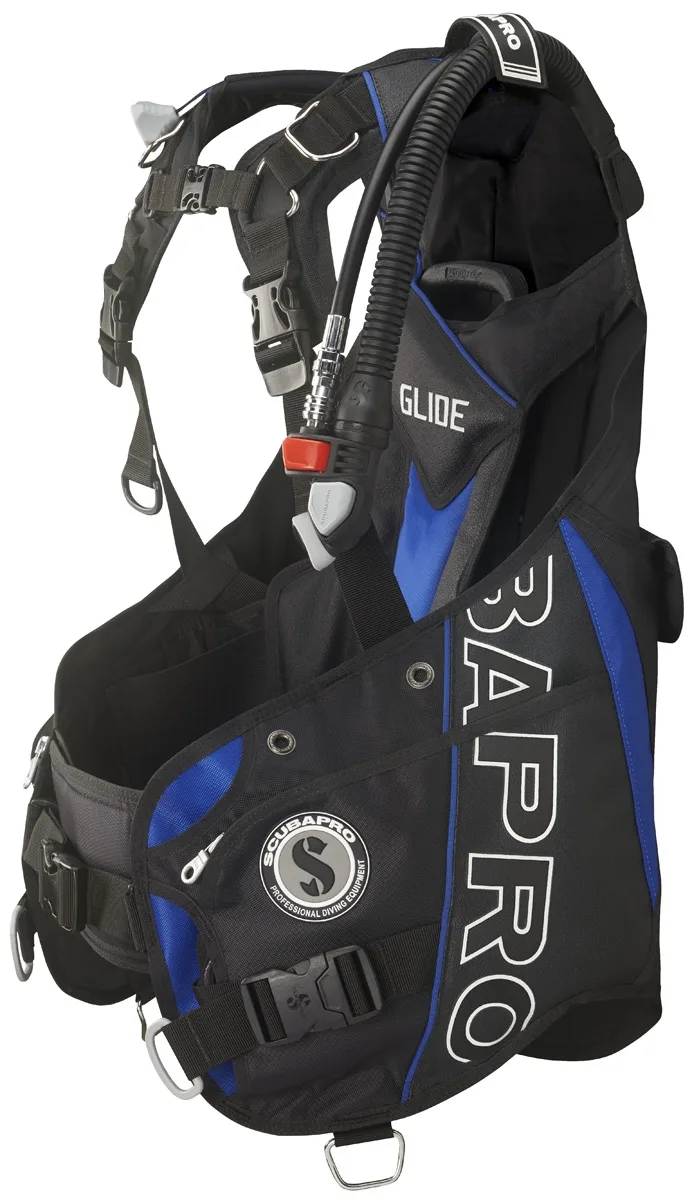
Image source: Web (Bing) / seastar.at (Web image (fair-use with source credit))
Features / Components / What's Inside
Jacket-style BCDs typically feature a substantial harness system that includes adjustable shoulder, sternum, and waist straps, ensuring a secure fit. The bladder itself is integrated into the back and sides of the vest. They often come with integrated weight pockets, allowing you to ditch the separate weight belt, which many divers find more convenient.
You'll also find D-rings for attaching accessories. The low-pressure inflator connects to the BCD’s oral inflator and power inflator mechanism, allowing for easy air management.
Benefits & Drawbacks / Pros and Cons
- Pros:
- Excellent surface stability: The wrap-around bladder keeps you high and dry, preventing that feeling of sinking.
- Comfortable and secure fit: The vest-like design makes it feel familiar and snug.
- Easy to use: Simple inflation and deflation make it very beginner-friendly.
- Integrated weight systems: Many models offer convenient integrated weight pockets.
- Good for new divers: Reduces learning curve for buoyancy control.
- Cons:
- Can feel bulky: The bladder wrapping around you can feel less streamlined underwater.
- May restrict movement: Some divers feel it can slightly limit torso rotation.
- Less horizontal trim: Tends to promote a more upright position, which experienced divers might find less ideal for efficient swimming.
Use Cases / Best For / Who It's Right For
Jacket-style BCDs are exceptionally well-suited for beginner divers who are still getting comfortable with buoyancy control and underwater maneuvering. They offer that extra confidence on the surface, which can be a game-changer for those new to the sport or experiencing any seasickness. Divers who frequently find themselves in areas with strong currents or waves will appreciate the superior stability these BCDs provide.
If you're looking for a straightforward, supportive, and comfortable experience without needing to fuss too much with advanced trim techniques, this is likely your best choice. They're also a great option if you prefer not to use a separate weight belt, thanks to their common integrated weight systems. For a look at some highly-rated options, check out our guide to 8 Best Scuba Diving BCD 2027: Top Picks for Every Diver.
Back-Inflate BCD: The Streamlined Choice
Back-inflate BCDs offer a different philosophy in buoyancy control, with the primary air bladder located behind the diver. When inflated, the air pushes forward, lifting you from the back rather than surrounding you. This design choice leads to a more minimalist feel around the torso, allowing for greater freedom of movement and a more streamlined profile.
Many experienced divers favor this style for the way it promotes a horizontal or prone position underwater, which feels more natural for swimming and can reduce drag.
Features / Components / What's Inside
The key feature of a back-inflate BCD is its bladder system. Instead of wrapping around the front, it’s typically a large bladder positioned on the back of a rigid or semi-rigid backpack-like structure. This structure is attached to a harness system, usually including shoulder, sternum, and waist straps, similar to a jacket-style BCD.
However, the harness is designed to hold the BCD close to your back, creating less bulk around your body. Many back-inflate models also offer integrated weight systems, though some might still require a separate weight belt. You'll still find essential components like dump valves for controlled deflation and attachment points for gear.
Benefits & Drawbacks / Pros and Cons
- Pros:
- Excellent streamlining: The minimal front profile reduces drag and allows for more efficient movement.
- Promotes horizontal trim: Encourages a natural, prone swimming position underwater.
- Greater freedom of movement: Less bulk around the chest can feel less restrictive.
- More compact for travel: Often perceived as more compact when deflated, potentially fitting better in 8 Best Scuba Diving Gear Bag 2027: Top Picks for Easy Travel.
- Sleek underwater feel: Favored by divers who want to feel less encumbered.
- Cons:
- Less surface stability: Can lead to a more "nose-up" or vertical position on the surface, which may feel less secure to some.
- Can require more practice: Achieving ideal trim might take more effort and practice for beginners.
- Weight distribution adjustment: May require more precise weight adjustments for optimal balance.
- Potential for pressure on the back: Some divers find the rigid backpack can feel pressing if not adjusted correctly.
Use Cases / Best For / Who It's Right For
Back-inflate BCDs are a fantastic choice for divers who have developed their buoyancy skills and are looking to refine their underwater trim. If you enjoy that feeling of gliding smoothly through the water in a horizontal position, this BCD style excels. It's particularly favored by underwater photographers or those interested in videography, as the streamlined profile can help maintain stability while maneuvering a camera.
Divers who often travel to dive destinations and are conscious of packing space might also prefer the more compact nature of back-inflate models. However, if you’re particularly concerned about feeling stable on the surface or are still mastering basic buoyancy, you might find a jacket-style BCD more reassuring.
Jacket-Style vs. Back-Inflate: A Direct Comparison
The choice between a jacket-style and a back-inflate BCD hinges on personal preference and diving experience, as both effectively manage your buoyancy. The primary distinction lies in how they distribute air and, consequently, how they position you in the water. A jacket-style BCD wraps air around your torso, offering stable, upright surface support, making it a common choice for beginners.
In contrast, a back-inflate BCD concentrates air behind you, promoting a more streamlined, horizontal posture underwater, often favored by more seasoned divers.
Comparison / Alternatives / Options
| Feature | Jacket-Style BCD | Back-Inflate BCD |
|---|---|---|
| Bladder Location | Wraps around torso and waist | Primarily behind the diver |
| Surface Stability | High (upright position) | Moderate (can be more nose-up) |
| Underwater Trim | Tends to be more vertical | Promotes horizontal/prone position |
| Streamlining | Less streamlined on surface and front | More streamlined |
| Freedom of Movement | Can feel slightly more restrictive | Generally more freedom around the chest |
| Ease of Use | Very beginner-friendly, intuitive | May require more practice for optimal trim |
| Ideal For | Beginners, comfort-focused divers, choppy water | Experienced divers, streamline-focused, horizontal trim |
| Potential Drawback | Bulkiness, less horizontal trim | Less surface stability, learning curve for trim |
Mistakes to Avoid When Choosing Your BCD
When you're picking out a BCD, it's easy to get caught up in features or what looks cool, but there are a few common pitfalls that can lead to discomfort underwater. One of the biggest mistakes is not trying on a BCD before you buy it. BCDs are designed to fit your body shape, and what feels great on one person might be completely wrong for another.
You need to feel how the straps adjust, how the backplate feels, and if there's any pinching or excessive pressure.
Another common error is choosing solely based on price or what your buddy uses. A BCD is a critical piece of your dive gear, often considered the most important after your best scuba diving regulator for beginners 2026: top picks reviewed. Getting the wrong one can impact your confidence and enjoyment.
Overlooking integrated weight systems if you dislike managing a separate best scuba diving weight belt 2026: top picks for every diver is also a missed opportunity for convenience. Conversely, assuming integrated weights are always better can be a mistake if you prefer the adjustability or redundancy of a separate belt.
Mistakes to Avoid / Common Errors
- Not trying it on: Fit is paramount. A BCD that doesn't fit correctly can be uncomfortable and affect your buoyancy.
- Choosing based on price alone: The cheapest option might lack durability, comfort, or essential features.
- Ignoring your experience level: A highly specialized BCD might be overkill or unsuitable for a beginner.
- Overlooking weight system preferences: Decide if you prefer integrated weights, a weight belt, or both.
- Disregarding the intended dive environment: Different BCDs perform better in different conditions (e.g., surface chop vs. calm waters).
- Not considering travel needs: Some BCDs are more compact and travel-friendly than others.
Expert Tips for Selecting Your BCD
When you're looking at BCDs, think about your dive history and what you enjoy most about being underwater. If you're still in training or have only completed a handful of dives, a jacket-style BCD is almost always the safest and most comfortable bet. Its forgiving nature on the surface and intuitive control make it easier to focus on mastering other dive skills.
Manufacturer specifications often list the expected lift capacity in pounds or kilograms, which is a good indicator of how much weight it can help you float with. For example, a medium jacket-style BCD from a reputable brand might offer around 30-40 lbs (13-18 kg) of lift.
For those who have logged a good number of dives and are comfortable with their buoyancy, consider what you’d like to improve. Do you feel you have too much drag underwater? Do you want to achieve a more level, horizontal trim for better propulsion and less effort?
If so, a back-inflate BCD is likely worth exploring. When trying them on, imagine you have your scuba tank and weights attached; this will give you a more accurate feel for the fit and balance. Always check the harness and buckle system to ensure they're easy for you to manipulate, even with cold hands or gloves, as you might be using it in best scuba diving gloves for comfort and safety in 2026.
Expert Tips / Pro Advice
- Prioritize fit over features: A comfortable, well-fitting BCD is non-negotiable.
- Consider your dive experience: Beginners benefit from the stability of jacket-styles.
- Think about your ideal underwater position: Horizontal trim seekers often prefer back-inflates.
- Evaluate weight systems: Integrated pockets versus separate belts are a personal choice.
- Don't be afraid to ask shop staff: Experienced dive shop professionals can offer valuable guidance.
- Test the inflator and dump valves: Ensure they are responsive and easy to operate.
- Factor in travel: Some BCDs pack down smaller than others.
Your Next Steps: Making the Decision
Deciding between a jacket-style and a back-inflate BCD hinges on what kind of diving experience you’re seeking and your current skill level. If you’re just starting out or prioritize maximum comfort and stability on the surface, a jacket-style BCD is likely your ideal companion. It provides an intuitive, supportive embrace that builds confidence as you learn the ropes of buoyancy control.
This style is often recommended by training agencies as part of their best scuba diving gear for beginners 2026: top picks to buy now packages.
For the more experienced diver, or for those who consistently aim for that streamlined, horizontal trim underwater, a back-inflate BCD deserves serious consideration. It offers a less restrictive feel and a more efficient swimming posture. Think about the conditions you typically dive in; if you often encounter significant surface chop or waves, the jacket-style's superior stability might still be appealing.
However, if you value a feeling of being one with the water and minimizing drag, the back-inflate's design excels. Ultimately, the best BCD for you is the one that makes you feel most comfortable and in control underwater.
Final Recommendation / Verdict / Decision Guide
If you are a new diver or prioritize comfort and stability on the surface, a jacket-style BCD is the recommended choice. Its design offers an upright, supportive float and is generally more intuitive to use. For divers with more experience who seek a streamlined profile and a horizontal swimming position, a back-inflate BCD is the better option.
This style reduces drag and allows for greater freedom of movement underwater. Always try on a BCD before purchasing to ensure a proper fit and comfort.
Frequently Asked Questions About BCDs
How much lift capacity do I need in a BCD?
Lift capacity, measured in pounds or kilograms, indicates how much weight the BCD can help you float. For recreational divers, a BCD with 30-40 lbs (13-18 kg) of lift is typically sufficient for most common tank sizes and diving configurations. Consult manufacturer specifications; for instance, a medium jacket-style BCD from a reputable brand usually falls within this range.
Can I use a back-inflate BCD for my open water certification?
While possible, it's generally not recommended for absolute beginners. Most training agencies emphasize comfort and ease of use for initial certifications, and jacket-style BCDs excel at this. A back-inflate BCD might introduce an unnecessary learning curve for buoyancy control during your first dives.
How do I maintain my BCD?
Proper maintenance extends the life of your BCD. After each dive, rinse it thoroughly with fresh water, paying attention to dump valves and zippers. Periodically inspect the inflator hose and internal bladder for any signs of wear or damage.
Store it in a cool, dry place away from direct sunlight.
What’s the difference between integrated and non-integrated weight systems?
Integrated weight systems are built into the BCD, usually in pockets that slide into dedicated slots. This can offer a sleeker profile and eliminate the need for a separate weight belt. Non-integrated systems, or traditional weight belts, offer maximum adjustability and redundancy, as they are separate from the BCD.
How often should I replace my BCD?
A BCD is a significant investment, and with proper care, many can last for 10 years or more. However, you should replace it if you notice significant wear, damage to the bladder or harness, or if the inflation and deflation mechanisms become unreliable. Regular inspections by a qualified technician are also advisable.