
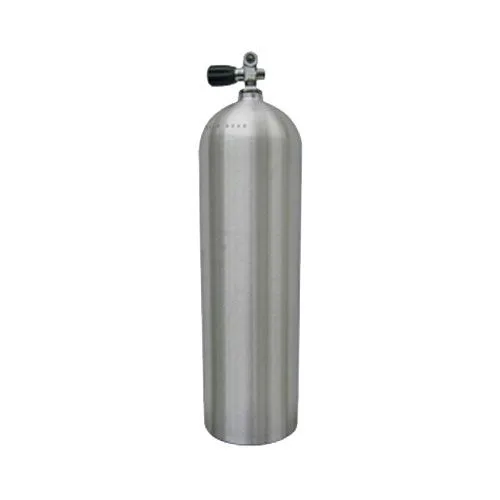
Image source: Web (Bing) / pinterest.com (Web image (fair-use with source credit))

Today's Exclusive Deals
Limited-time Exclusive Deals. Check current discount on Amazon.
Check Price on Amazon As an Amazon Associate I earn from qualifying purchases.Aluminum vs. Steel Scuba Tanks: What's the Real Difference?
So, you're trying to figure out what's what when it comes to aluminum and steel scuba tanks, right? It’s a question many divers grapple with, and the choice really impacts how you feel and perform underwater. Think of it like picking the right tool for a job; one might be lighter and easier to handle, while the other offers more power or capacity.
Our research confirms that understanding these differences is key to a better diving experience. For instance, manufacturer specifications show steel tanks often operate at higher pressures, sometimes up to 3,500 psi, giving you more air compared to many aluminum options. Let's dive into what makes them distinct.
Quick Answer
Steel scuba tanks are heavier and hold more air at higher pressures. Aluminum scuba tanks are lighter and more resistant to rust, but offer less air capacity. The choice depends on your diving needs for buoyancy, weight, and dive duration.
Aluminum Tanks: The Lightweight Lifeline
When you're gearing up, every pound counts, and that’s where aluminum scuba tanks often shine. They're constructed from aluminum alloys, making them significantly lighter than their steel counterparts, especially when they're empty. This can be a real advantage when you’re hauling your gear to the boat, climbing back on deck, or navigating airport baggage claims if you're a traveling diver.
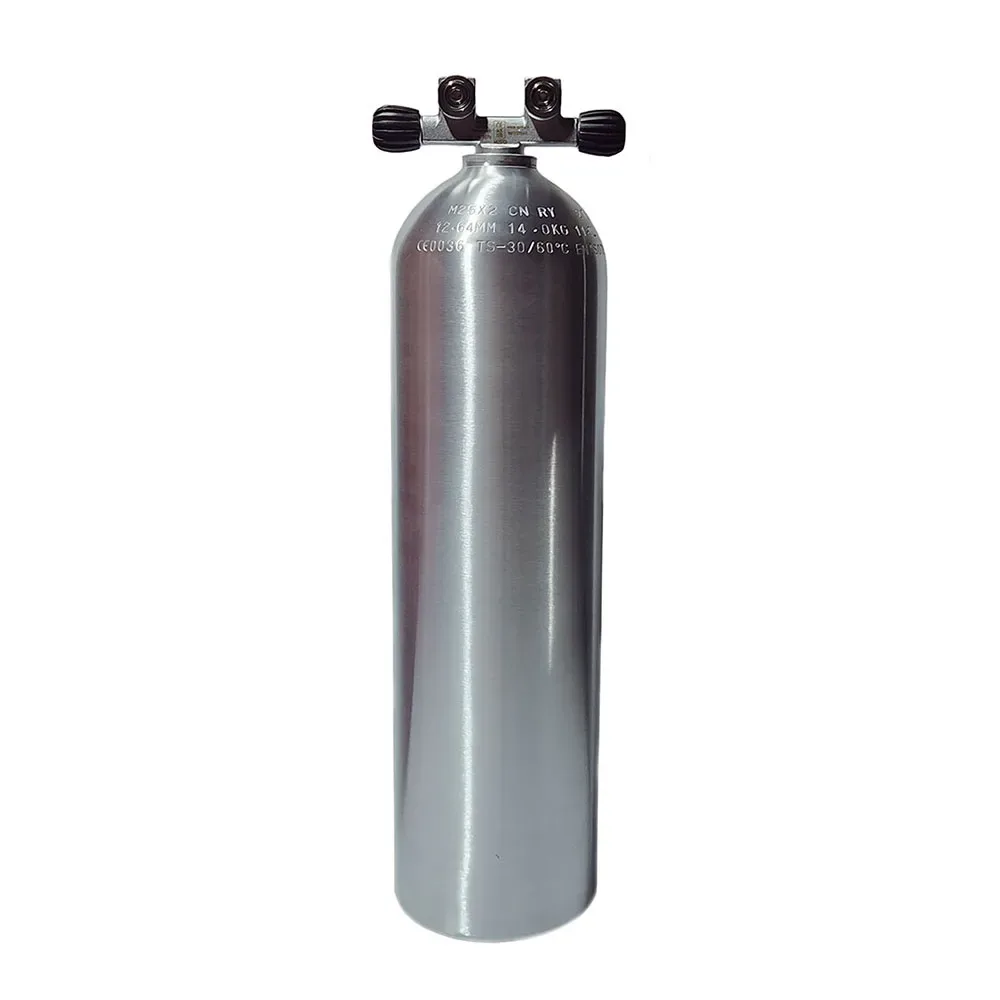
Image source: Web (Bing) / tradeinn.com (Web image (fair-use with source credit))
However, this lightness comes with some trade-offs. Because aluminum is less dense and doesn't have the same structural rigidity as steel, aluminum tanks are typically rated for lower service pressures. Most aluminum tanks you'll find are designed for a service pressure of around 3,000 psi.
This means that for the same physical size tank, you'll get less breathable air compared to a steel tank. Additionally, aluminum tanks tend to become more positively buoyant as they empty. This means as you consume your air supply, the tank starts to feel lighter and more buoyant, which can affect your overall buoyancy control and might require you to adjust your weighting during the dive.
For divers focused on minimizing weight and simplifying handling on land, aluminum tanks remain a popular choice.
Steel Tanks: The Air-Holding Powerhouse
Steel scuba tanks, as the name suggests, are forged from steel alloys. These tanks are inherently denser and stronger than aluminum. This inherent strength allows them to be manufactured to withstand much higher service pressures.
You'll commonly find steel tanks rated for 3,300 psi or even 3,500 psi.
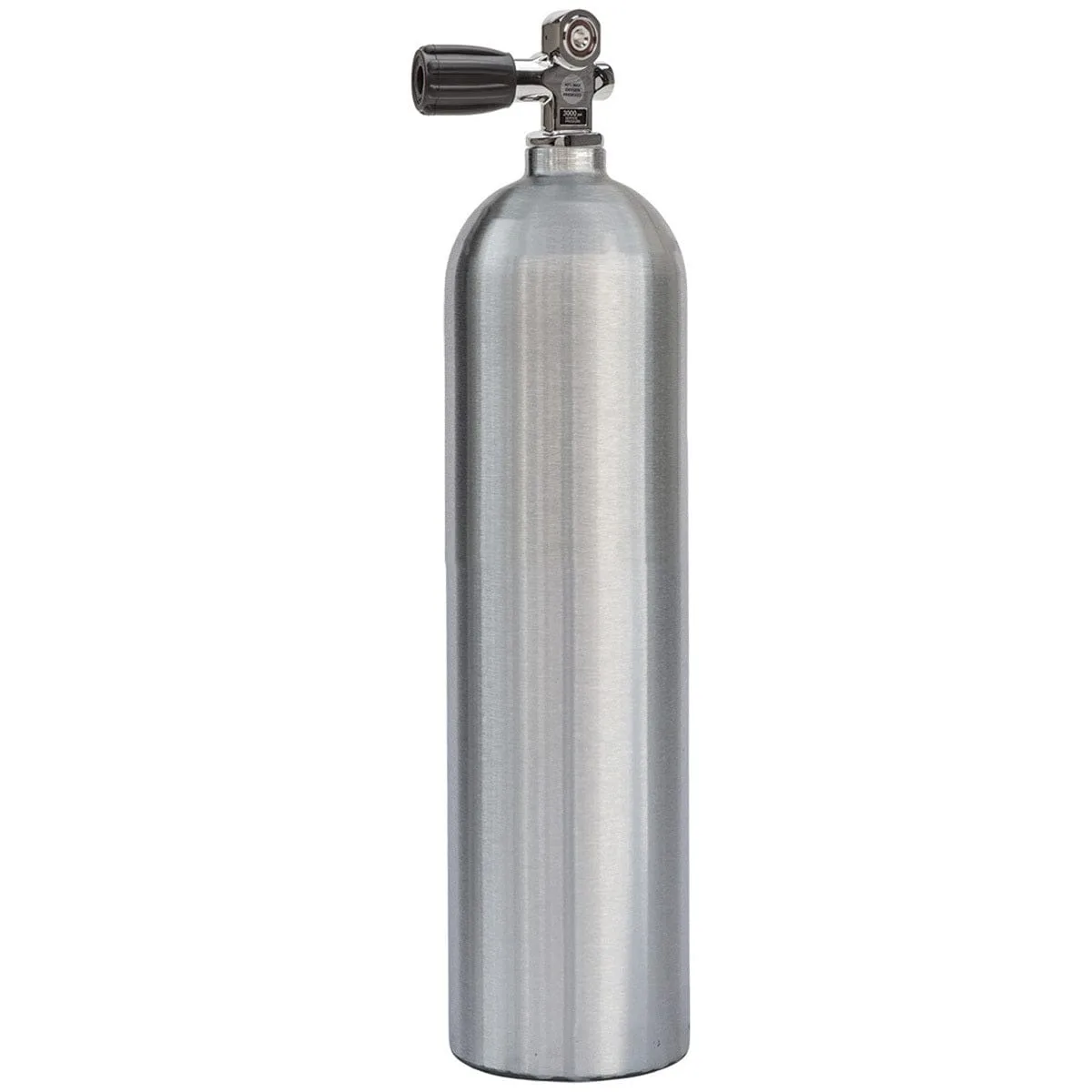
Image source: Web (Bing) / saltandseascuba.com (Web image (fair-use with source credit))
This higher pressure rating is a major draw for many divers because it translates directly to more air in a tank of comparable size. More air means longer bottom times or the ability to perform more complex dives without running short. For instance, if you enjoy exploring wrecks or taking your time on reefs, a steel tank can provide the breathing gas capacity you need.
Beyond air capacity, steel tanks offer a more neutral buoyancy profile as they empty. Unlike aluminum tanks that become increasingly buoyant, steel tanks tend to become closer to neutrally buoyant, or even slightly negative, as the air is used up. This provides a more stable and predictable feel underwater, simplifying buoyancy adjustments for many divers.
However, this increased density and strength mean steel tanks are significantly heavier, both when full and especially when empty, which can be a consideration for divers concerned about gear weight. Proper maintenance is also more critical with steel due to its susceptibility to rust.
Key Differences at a Glance: Weight, Buoyancy, and Pressure
The most immediate and noticeable differences between aluminum and steel scuba tanks boil down to three core factors: weight, buoyancy characteristics, and pressure ratings. Understanding these distinctions is fundamental to choosing the right tank for your diving needs.
Here's a quick breakdown:
Weight:
- Aluminum: Generally lighter, particularly when empty. Easier to manage out of the water.
- Steel: Significantly heavier, both when full and when empty. Can be cumbersome to handle on land.
Buoyancy:
- Aluminum: Becomes more positively buoyant (floats) as air is consumed. Requires buoyancy compensation adjustments during the dive.
- Steel: Becomes more neutral or slightly negatively buoyant as air is consumed. Offers a more stable feel throughout the dive.
Pressure Rating:
- Aluminum: Typically rated for lower service pressures, commonly around 3,000 psi.
- Steel: Typically rated for higher service pressures, often 3,300 psi or 3,500 psi.
This means that for a tank of similar volume, a steel tank will hold more air. This higher air capacity can translate to longer dive times or the ability to perform more challenging dives. As of 2026, these fundamental differences remain consistent across most tank models.
For those prioritizing ease of handling and travel, aluminum presents a clear advantage. Conversely, divers seeking maximum air supply and stable buoyancy often opt for steel. If you're looking to compare specific models or need to assess tank performance data, checking out Best Scuba Diving Tank Reviews and Buying Guide 2026 can offer further insights into various tank types and their specifications.
Dive Deeper: How Material Affects Your Underwater Experience
Beyond the basic specs, the material of your scuba tank subtly influences your entire underwater experience. It’s not just about how heavy it is or how much air it holds; it’s about how that translates to your comfort, efficiency, and even safety below the surface. For example, the buoyancy change in an aluminum tank as it empties can demand more attention to your dive gear setup, particularly your Best Scuba Diving Weight Belt 2026: Top Picks for Every Diver and 8 Best Scuba Diving BCD 2027: Top Picks for Every Diver.
Consider the diver who wants to make the most of their air. A steel tank’s higher pressure means more gas for extended exploration, which is crucial for photographers trying to capture that perfect shot with a Best Scuba Diving Camera 2026: Top Picks for Underwater Photography. The stable buoyancy of steel also means fewer surprises as your dive progresses.
You might find yourself making fewer micro-adjustments to your buoyancy control device (BCD) or weighting system, allowing for a more relaxed and focused dive. On the other hand, an aluminum tank’s lightness is a boon for divers who are already managing a lot of gear, like those using specialized equipment or carrying a Best Scuba Diving Gear Bag 2027: Top Picks for Easy Travel. A lighter tank means less overall strain during entry and exit, and it can make a noticeable difference when traveling.
Both materials are rigorously tested and must meet standards set by organizations like the Department of Transportation (DOT) in the United States to ensure safety and reliability.
Who Should Choose Aluminum?
Aluminum scuba tanks are often the go-to for a specific group of divers who prioritize certain aspects of their underwater adventures. If you’re the type of diver who travels frequently, for example, the lighter weight of aluminum is a significant advantage. Packing for a dive trip can be challenging, and reducing the heft of essential gear like your tank can make a world of difference, especially when adhering to airline baggage restrictions.
Aluminum tanks are generally more resistant to corrosion, particularly rust, due to the nature of the material. This makes them a more forgiving option for divers who might not always have the opportunity for meticulous post-dive rinsing and drying, or who frequently dive in saltwater environments where corrosion can be a more aggressive concern.
If you’re newer to diving or find yourself managing a considerable amount of gear, the ease of handling an aluminum tank on land can contribute to a more comfortable experience. While they do become more positively buoyant as they empty, many divers adapt to this by adjusting their weighting or BCD trim. This characteristic isn't necessarily a dealbreaker, but it does require a slightly different approach to buoyancy management compared to steel tanks.
For divers focused on recreational diving, warm water environments, and minimizing the physical exertion associated with transporting heavy equipment, aluminum tanks present a practical and cost-effective solution. They offer a reliable supply of breathable air for typical dive profiles without the substantial weight penalty of steel.

