

Image source: Web (Bing) / scubadiverlife.com (Web image (fair-use with source credit))

Today's Exclusive Deals
Limited-time Exclusive Deals. Check current discount on Amazon.
Check Price on Amazon As an Amazon Associate I earn from qualifying purchases.When you're gearing up for your first scuba dives, figuring out the equipment can feel like learning a new language. One of the most crucial pieces is the Buoyancy Control Device, or BCD. Understanding what type of BCD is best for beginners is key to a comfortable and safe start in the underwater world.
The core purpose of a BCD is to manage your buoyancy, helping you descend, ascend, and hover effortlessly. For new divers, ease of use and stability are paramount. According to industry standards, a well-fitting BCD should allow a diver to achieve neutral buoyancy with minimal effort, a skill refined through introductory dive courses.
Jacket-Style vs. Back-Inflation BCDs: Which is Best for Beginners?
This is the million-dollar question for anyone stepping onto the dive boat for the first time. You've got two main styles of BCDs out there: the jacket-style and the back-inflation. They both do the same job, controlling your buoyancy, but they go about it in ways that feel pretty different, especially when you're still getting your sea legs.
Knowing the differences isn't just about specs; it's about making your early dives more enjoyable and less about wrestling with gear.
Why This Comparison Matters for New Divers
Getting your first BCD right sets the stage for your entire diving journey. If it's uncomfortable, difficult to manage, or just not suited to how you learn, it can make diving feel like a chore. For beginners, the goal is to focus on mastering dive skills, not on fiddling with their equipment.
That's why understanding the fundamental differences between jacket-style and back-inflation BCDs is so important. It's about finding the tool that helps you learn and grow confidently underwater.
Jacket-Style BCDs: The Beginner-Friendly Choice?
When most people picture a BCD, they're usually thinking of a jacket-style. Think of it like a life vest you wear over your wetsuit. It wraps around your torso and has an inflatable bladder that surrounds you.
Manufacturer specifications often highlight their ease of use for new divers, and aggregate reviews report high satisfaction among those starting out.

What is a Jacket-Style BCD?
A jacket-style BCD is designed to be worn like a vest, with the inflatable bladder integrated into the cummerbund and side panels. This design cradles you, providing a secure and stable feel in the water. It’s the most common type found in dive shops for rental gear and introductory courses for good reason.
Key Features of Jacket-Style BCDs
These BCDs typically feature integrated weight pockets, making it easier to manage your ballast. They also have adjustable straps at the shoulders and waist for a customizable fit. You’ll find multiple D-rings for clipping on accessories like your dive computer or a signaling device.
The oral inflator and low-pressure inflator hose are standard, alongside multiple dump valves for deflating.
Pros and Cons of Jacket-Style BCDs
- Pros:
- Stability: They offer a more upright, stable position in the water, which is comforting for beginners.
- Ease of Use: Simple to put on and take off, and buoyancy control feels intuitive.
- Weight Integration: Integrated weight systems are common and easy to manage.
- Versatility: Good for a wide range of diving conditions and temperatures.
- Cons:
- Buoyancy: Can sometimes give you a slight "hugging" sensation when fully inflated.
- Bulk: Can feel a bit bulkier compared to other styles.
Back-Inflation BCDs: A Different Approach
Now, let's talk about back-inflation BCDs. Instead of wrapping around you like a jacket, the bladder is located solely on your back. This means you have a more streamlined feel across your chest and abdomen.
Dive professionals often prefer these for their trim and reduced drag, but how do they stack up for newcomers?
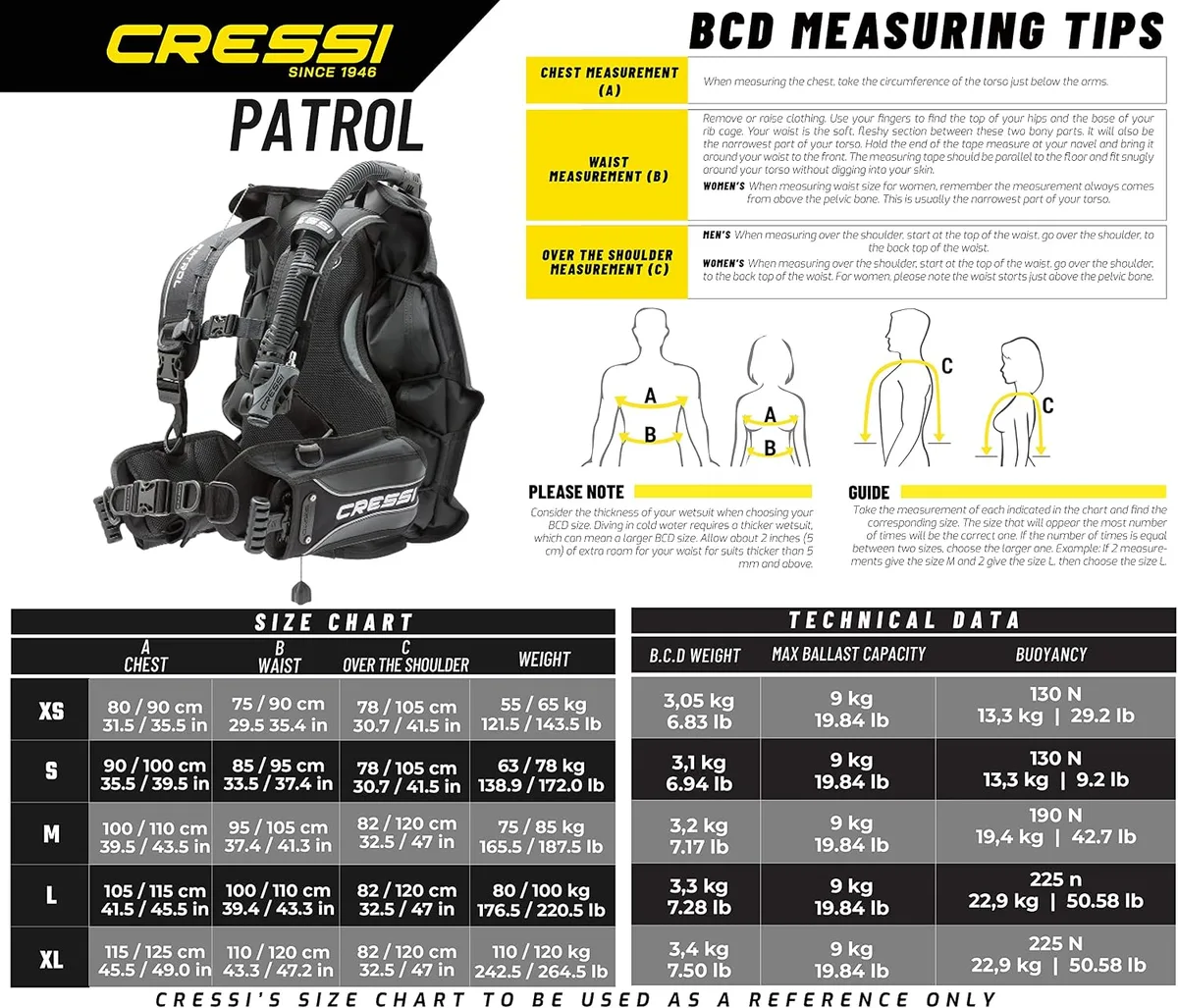
What is a Back-Inflation BCD?
In a back-inflation BCD, the entire buoyancy bladder sits behind you. This design allows for a more "streamlined" feel in the water, as there's less material around your torso. The harness system is crucial here for keeping the BCD secure and distributing weight comfortably.
Key Features of Back-Inflation BCDs
These BCDs often come with more advanced harness systems, sometimes resembling a backpack. Weight integration is also common, though the pockets might be positioned differently. They generally offer excellent trim in the water, meaning a more horizontal body position, which is a goal for experienced divers.
Pros and Cons of Back-Inflation BCDs
- Pros:
- Streamlined Fit: Less bulk around the chest and stomach.
- Trim: Promotes a better horizontal body position underwater.
- Comfort: Can feel less restrictive for some divers.
- Cons:
- Buoyancy Position: Can sometimes cause beginners to float a bit head-up when on the surface.
- Learning Curve: May take a little more practice to master buoyancy control and trim.
- Weight Systems: Integrated weights can sometimes be less intuitive for first-time users.
Side-by-Side: Jacket-Style vs. Back-Inflation for New Divers
When we line up the jacket-style and back-inflation BCDs, the differences become clear for someone just starting out. It's not just about how they look; it's about how they feel and how they help you learn. For beginners, the emphasis is on comfort, stability, and simply not having to worry about your gear while you’re trying to enjoy the underwater scenery.
Buoyancy Control & Stability
- Jacket-Style: These BCDs wrap around you, offering a consistent and stable buoyancy experience. When you inflate the bladder, it surrounds your torso, providing a snug, secure feeling. This helps maintain an upright position on the surface and promotes a feeling of security, which is a big plus for those new to the water.
- Back-Inflation: With the bladder behind you, buoyancy is distributed differently. While it promotes better horizontal trim for experienced divers, beginners might find they float a bit more "feet down" on the surface. Mastering surface buoyancy can require a little more practice with this style.
Comfort & Fit
- Jacket-Style: Designed for immediate comfort, these BCDs feel like a vest. Adjustable straps at the shoulders, waist, and sometimes the sternum allow for a personalized fit that accommodates different body shapes. They distribute weight evenly, making them comfortable for extended wear.
- Back-Inflation: These often feature more robust harnesses that can feel more like a backpack. While they offer a streamlined fit, some beginners might find the initial fit adjustment slightly less intuitive. The focus is more on secure attachment to your back rather than a full torso embrace.
Weight Integration
- Jacket-Style: Most jacket-style BCDs come with built-in, quick-release weight pockets. These are usually located on the front sides of the BCD and are easily accessible for loading and ditching. This integrated system is very user-friendly and straightforward for beginners.
- Back-Inflation: Weight integration is also common, but the systems can vary. Some have pockets on the back, others might use a weight harness. While effective, these can sometimes be a bit less obvious or accessible for a brand-new diver compared to the familiar front pockets.
Ease of Use & Learning Curve
- Jacket-Style: This style is widely considered the easiest to learn. Inflating and deflating feel natural, and the stable positioning on the surface and underwater makes buoyancy control less of a challenge. It's designed to let you focus on your dive skills without being preoccupied with your gear.
- Back-Inflation: While not inherently difficult, back-inflation BCDs might present a slightly steeper learning curve for buoyancy management, especially on the surface. Mastering the perfect horizontal trim takes practice, and beginners might need a bit more guidance from their instructor.
Who Should Choose Which BCD?
Deciding between a jacket-style and a back-inflation BCD really comes down to your personal comfort and how you learn best. For absolute beginners, the ease and stability of a jacket-style BCD are usually the biggest draw. They’re designed to feel familiar, like wearing a vest, and they make managing buoyancy feel more intuitive right from your first dive.
This can significantly boost confidence.
While back-inflation BCDs have their place, especially for more experienced divers seeking advanced trim, they generally present a steeper learning curve for beginners. The enhanced stability and straightforward operation of a jacket-style BCD offer a much more confidence-building introduction to scuba diving. This type of BCD is designed to support your learning process every step of the way.
Best BCDs for Absolute Beginners
For someone who has never even put on a BCD before, the jacket-style is almost always the recommendation. Think of it as the default choice because it's inherently forgiving. Its design provides positive buoyancy on the surface, helping you stay afloat and relaxed while you get your bearings.
Plus, the integrated weight systems are typically very easy to load and release, which is a critical safety feature for new divers.
It offers a consistent feel, whether you’re in shallow training water or out on your first open water dive. This predictability helps build muscle memory for buoyancy control without adding extra complexity. Many manufacturers focus on comfort and ease of adjustment in their beginner-oriented jacket-style models, ensuring a snug fit without being restrictive.
When Back-Inflation Might Still Be an Option
While not the go-to for most first-time divers, a back-inflation BCD could be considered if you have a specific reason. Perhaps you've tried one during a resort dive and felt unusually comfortable with its streamlined feel. Or maybe you have a diving instructor who strongly prefers them and is willing to provide extra guidance on mastering their nuances.
However, understand that this might mean a slightly steeper learning curve. You might spend a bit more time during your initial dives focusing on how to achieve neutral buoyancy and proper trim. If you're planning on extensive travel diving where equipment weight is a major factor, a back-inflation model might offer a slight advantage as they can sometimes be lighter, making them easier to pack in a best scuba diving gear bag.
Common Beginner BCD Mistakes to Avoid
Even with the best intentions, new divers can make a few common mistakes with their BCDs. One of the biggest is not adjusting the straps properly. A BCD that's too loose can shift around, making buoyancy control harder and potentially causing discomfort or chafing.
Conversely, overtightening can restrict breathing.
Another mistake is neglecting the pre-dive checks. Always ensure your BCD inflates and deflates correctly using both the oral inflator and the low-pressure inflator hose. You also want to confirm that your weight system is securely in place and that you know how to ditch the weights in an emergency.
Properly securing your BCD to your tank is also vital; a loose tank is a significant safety hazard.
Essential Features to Look For in a Beginner BCD
When you're shopping for your first BCD, focus on a few key features that will make your diving experience smoother. First, look for a jacket-style model with an integrated weight system; this simplifies managing your ballast and keeps things tidy. Ensure it has multiple D-rings, usually four are standard, for attaching accessories.
Consider the materials; most beginner BCDs use durable nylon, often with a polyurethane coating for water resistance. Look for adjustable shoulder, sternum, and waist straps to get that perfect, secure fit. Finally, check the lift capacity.
Manufacturer specifications will list this, and for recreational diving, you generally want a BCD that can provide adequate lift for your size and typical equipment configuration, often in the range of 20-40 lbs of lift for smaller to medium sizes.
Frequently Asked Questions About Beginner BCDs
Which BCD style is easiest to learn with?
Jacket-style BCDs are generally the easiest for beginners to learn with. They provide a stable, upright position on the surface and make buoyancy control feel very intuitive, allowing new divers to focus on mastering dive skills.
Do I need an integrated weight system?
An integrated weight system is highly recommended for beginners. It makes managing your ballast much simpler and more secure than a separate weight belt, reducing the risk of losing weights and improving overall ease of use.
How do I know if a BCD fits correctly?
A properly fitting BCD should feel snug but not restrictive. You should be able to adjust the shoulder, sternum, and waist straps so it doesn't shift significantly while you move. Ensure there are no major pressure points, and that you can easily reach and operate all the controls.
Can I use a back-inflation BCD as a beginner?
While possible, back-inflation BCDs might present a slightly steeper learning curve for buoyancy and surface stability compared to jacket-style models. They are often preferred by more experienced divers for their trim and streamlined feel.
What's the average price for a beginner BCD?
As of 2026, you can expect to find solid, entry-level jacket-style BCDs ranging from approximately $300 to $600 USD. Prices can vary based on brand, features, and materials. You can find more details on best scuba diving BCDs to get an idea of the market.
Our Verdict: The Best BCD Type for Starting Out
After looking at the options, it’s clear that for the vast majority of new divers, a jacket-style Buoyancy Control Device is the best choice. Its inherent stability, ease of use, and intuitive buoyancy control make it ideal for learning the ropes underwater. You get a secure fit and integrated weight systems that simplify managing your ballast, allowing you to focus on the dive itself rather than wrestling with your gear.
While back-inflation BCDs have their place, especially for more experienced divers seeking advanced trim, they generally present a steeper learning curve for beginners. The enhanced stability and straightforward operation of a jacket-style BCD offer a much more confidence-building introduction to scuba diving. This type of BCD is designed to support your learning process every step of the way.

