
Understanding the fundamental difference between building raw power and training for long-term stamina is essential for your fitness journey. Knowing what is muscular endurance vs strength helps you choose the right exercises to reach your goals faster.
When you train for strength, you are teaching your nervous system to move heavy loads with maximum force. Conversely, muscular endurance allows you to sustain repeated efforts without succumbing to fatigue. As of 2026, experts at the National Strength and Conditioning Association emphasize that tailoring your intensity to your specific objective is the most reliable way to optimize your results.

Today's Exclusive Deals
Limited-time Exclusive Deals. Check current discount on Amazon.
Check Price on Amazon As an Amazon Associate I earn from qualifying purchases.Quick Answer
Muscular strength is your ability to exert force once. Muscular endurance is your ability to repeat effort over time. You build strength using heavy weights and low repetitions.
You build endurance using lighter weights and higher repetitions. These training styles prioritize different energy systems in your body.
Why the Strength vs. Endurance Distinction Matters for Your Training
If you walk into a gym without a plan, you might end up performing exercises that do not align with your physical objectives. Training for strength requires a different approach than training for stamina. If you aim to improve your foundational power, your routine must focus on high-load, low-rep movements.

Image source: Web (Bing) / craiyon.com (Web image (fair-use with source credit))
Ignoring this distinction often leads to frustration when progress stalls. If you use high-repetition sets to chase maximum weight, you likely will not hit your target. Conversely, using massive weights for long-duration sets can lead to poor form and injury.
Understanding how to organize your training sessions ensures you get the most out of every minute spent lifting.
Defining the Mechanics: How Your Body Handles Force vs. Fatigue
Strength is defined as the maximum force a muscle can produce in a single voluntary contraction. When you attempt a one-rep max, your central nervous system recruits as many muscle fibers as possible simultaneously. This process is efficient for short, explosive movements like lifting a heavy box or performing a barbell squat.
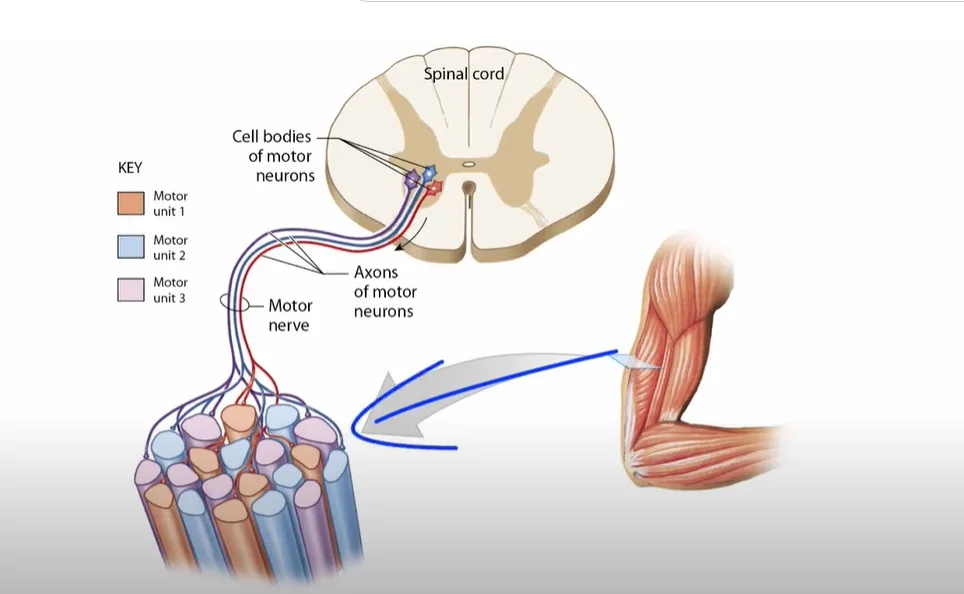
Image source: Web (Bing) / fitforgolf.blog (Web image (fair-use with source credit))
Muscular endurance operates on a different frequency. It is the ability of your muscles to sustain tension over an extended period. During these bouts, your body relies on aerobic and anaerobic energy systems to keep the muscle fibers firing.
You do not need maximal recruitment, but you do need superior efficiency and waste management within the muscle cells.
The Physiological Trade-offs: Comparing Strength and Endurance Training
Training for strength shifts your muscle fiber adaptation toward size and force production. You will notice that strength-focused routines involve significant rest periods to allow for full ATP recovery. This preparation helps you manage the high intensity required for maximal output.

Image source: Web (Bing) / hortonbarbell.com (Web image (fair-use with source credit))
Endurance training demands that your muscles become resilient to the accumulation of metabolic byproducts. You are not just moving weight; you are training your body to tolerate discomfort. If you want a versatile kit for total-body work, you can adapt your volume to toggle between these two physiological states.
| Metric | Strength Focus | Endurance Focus |
|---|---|---|
| Load | 85% to 100% of 1RM | 40% to 60% of 1RM |
| Repetitions | 1 to 6 | 15+ |
| Rest Interval | 3 to 5 minutes | 30 to 60 seconds |
| Primary Goal | Peak force output | Fatigue resistance |
Choosing Your Focus: Matching Your Routine to Your Goals
Deciding on a focus depends entirely on what you want your body to do. If you have limited floor space and need a compact training setup, choose movements that allow for progressive overload. Strength training is ideal for those wanting to increase bone density and improve overall structural integrity.
If your interests lean toward sports that require prolonged activity, endurance work is your priority. This is helpful for rowers, hikers, or anyone who needs to maintain performance when the heart rate is elevated. Even if you are just starting out with entry-level equipment, defining your primary objective early prevents wasted effort.
Always evaluate your current fitness level before pushing toward high-intensity limits.
The Pitfalls of "Hybrid" Training: Common Mistakes to Avoid
Trying to build max strength and peak endurance simultaneously often leads to the interference effect. This phenomenon occurs when the body struggles to adapt to the conflicting signals sent by high-intensity strength work and high-volume endurance training. If you force both in a single session, your results in both categories may diminish.
One common mistake is chasing personal bests on the same day you perform high-repetition endurance circuits. Your central nervous system requires significant recovery time after heavy lifts. When you jump straight into endurance work, your form often breaks down.
This increases your risk of injury while providing a suboptimal stimulus for growth.
Another error involves inconsistent intensity. Many people fall into a moderate zone where they never lift heavy enough to trigger strength gains, but they do not perform enough volume to tax their endurance systems. Ensure your training sessions are intentional.
If you are doing a strength block, prioritize lifting heavy with adequate rest. If you are training for endurance, keep the load manageable and focus on movement quality throughout the higher rep ranges.
Scaling Your Progress: Applying Progressive Overload and Periodization
Progressive overload is the most important concept for improving either strength or endurance. This principle states that you must gradually increase the difficulty of your training to keep seeing results. For strength, you increase the resistance or the weight used.
For endurance, you increase the number of repetitions, the total sets, or you decrease the rest intervals between your efforts.
Periodization is the strategy of splitting your training into distinct, organized cycles. Instead of doing the same thing year-round, you might spend four weeks focusing on hypertrophy, followed by four weeks of max-strength training. This variation prevents plateaus and allows your muscles to recover from specific types of stress.
Research from the American College of Sports Medicine confirms that structured periodization outperforms static training over the long term. You do not need a complex system, but you do need a plan that changes over time. By tracking your sets and reps, you ensure that you are actually doing more work today than you were last month.
This consistency is exactly how you move from a beginner to an advanced lifter.
Troubleshooting Common Plateaus in Your Routine
When you stop seeing progress, check your recovery and nutrition first. Most plateaus are not caused by a lack of effort but by a mismatch between your volume and your body’s ability to repair itself. If you have been training for strength for three months, your nervous system might be overtaxed.
Switching to a lower-intensity deload week can help you break through. Reduce your weight by half for a full week to give your joints and tendons a break. If you are stuck on endurance, look at your rest intervals.
Sometimes, cutting your rest time by just fifteen seconds is enough to trigger a new adaptation.
Tracking your total volume load is also a pro move. Multiply your sets, reps, and weight to get a single number that reflects your total work for the week. If that number is not going up over time, you are not overloading the muscle.
Always check your technique before adding more weight. Bad form hides a lack of true strength and creates a high risk of injury.
Safety and Long-Term Joint Health
Heavy resistance training is generally safe when you prioritize proper execution over ego. Always perform a general warm-up before you touch a barbell. Five to ten minutes of light movement increases blood flow to your muscles and lubricates your joints.
This step is non-negotiable if you want to stay in the game for decades.
Know when to use a spotter. If you are attempting a personal best in a lift like the bench press, having someone nearby provides both a physical safety net and peace of mind. This allows you to push toward your limit without the subconscious fear of getting stuck under the weight.
Do not ignore joint pain. While muscle soreness is a normal sign of growth, sharp or persistent pain in your elbows, knees, or shoulders is a warning sign. Adjust your grip or stance if an exercise feels unnatural.
If you feel structural discomfort that does not subside after a rest day, seek advice from a physical therapist or a certified professional.
Maintaining Performance Through Annual Optimization
You should revisit your primary objectives every few months to ensure your training remains aligned with your lifestyle. It is normal to change focus as the seasons pass or as your personal goals shift. Many athletes find success by planning three distinct training phases throughout the year.
The first phase might focus on building raw strength. The second phase maintains that strength while introducing more endurance work to improve your work capacity. The final phase, or maintenance phase, focuses on moving enough weight to keep your current gains while you prioritize other life activities.
Keep your training gear in good condition. Inspect your plates, bars, and collars regularly for rust or loose parts. A well-maintained home gym keeps your sessions safe and efficient.
This routine maintenance is a key part of your long-term success. It ensures you have a reliable setup whenever you need to get a high-quality session done.
Frequently Asked Questions
How long does it take to see strength gains?
Most individuals begin noticing significant strength improvements within eight to twelve weeks of consistent resistance training. You must apply progressive overload and follow a structured plan to see these results. Neurological adaptations usually happen first, followed by actual muscle fiber growth.
Can I build endurance and strength at the same time?
You can train both in the same week, but keep them in separate sessions for best results. Trying to do both in one workout makes it harder for your body to adapt. Space your heavy lifting days at least forty-eight hours away from your high-repetition endurance work.
Does high-repetition training burn more fat?
High-repetition training is excellent for metabolic conditioning and heart health. However, fat loss primarily depends on your total caloric balance throughout the day. Both strength and endurance training contribute to your daily energy expenditure, so choose the method you enjoy enough to do consistently.
Should I lift to failure every time?
Lifting to total failure is generally unnecessary and can hinder your recovery. Aim to stop each set one or two reps before you can no longer maintain perfect form. This ensures you get a strong training stimulus without putting too much strain on your central nervous system.
How much rest do I need between sets?
For strength, take three to five minutes to ensure your energy stores are replenished. For endurance, keep rest periods short, typically between thirty to sixty seconds. This shorter rest time forces your body to adapt to the metabolic stress of ongoing movement.
The Verdict: Building a Balanced Approach to Performance
Achieving your ideal physique and performance level requires a strategic focus on either strength or endurance. You cannot optimize for both at the exact same moment. Choose one primary goal for your current training block and align your volume, load, and rest periods to match that objective.
If your life requires you to move heavy objects occasionally, spend time in the strength zone. If you need to stay active on your feet for long hours, prioritize your muscular endurance. Use data to track your progress and adjust your workload as you grow.
By following these clear, evidence-based methods, you create a stronger, more capable version of yourself.