
If you’ve spent any time in a gym, you know the pressure to always push for a personal best. However, understanding what is LISS cardio can actually change how you approach your fitness routine for the better. This low-intensity approach avoids the constant strain of high-effort training while building a foundation that lasts.
Most fitness experts recommend aerobic activity that keeps your heart rate stable for extended periods. As of 2026, research from the National Institutes of Health confirms that consistent, moderate movement is essential for long-term metabolic health. We’ll look at how to fit this into your weekly schedule without adding unnecessary fatigue.

Today's Exclusive Deals
Limited-time Exclusive Deals. Check current discount on Amazon.
Check Price on Amazon As an Amazon Associate I earn from qualifying purchases.
Image source: Bing (Web (fair-use with source credit))
Quick Answer
LISS cardio is low-intensity steady state exercise. It keeps your heart rate in a low zone. You perform the activity for thirty minutes or more.
It builds aerobic capacity without high fatigue. This method supports recovery and metabolic health.
Why Going Hard Isn't Always the Answer
Many people assume that if you aren't drenched in sweat or gasping for air, the workout doesn't count. This belief often leads to overtraining, where your body never gets the chance to fully recover between sessions. High-intensity training creates a significant debt on your central nervous system, and repeating that daily can eventually stall your progress.
When you rely exclusively on high-effort training, you may miss out on the benefits of an aerobic base. A strong aerobic foundation helps you recover faster after tough workouts. It also improves your ability to clear waste products from your muscles.
You might find that durable machines for home exercise offer the perfect platform for steady sessions that don't fry your system.
If you are currently looking for a reliable machine for your home, focus on models that feel stable during longer periods of walking. LISS doesn't require high-end features, but it does require comfort. You want gear that supports your joints during these longer sessions.
The Science Behind LISS and Aerobic Efficiency
LISS training targets your aerobic energy system by keeping you within a specific heart rate range. This is typically referred to as Zone 2. In this zone, your body primarily uses fat as its main fuel source rather than relying solely on glycogen.
By maintaining this steady state, you encourage your heart to pump more blood per beat, which increases your overall stroke volume.
This physiological adaptation is linked to mitochondrial biogenesis. Your cells produce more mitochondria, which are the power plants that generate energy in your muscles. Over time, this makes you much more efficient at using oxygen to sustain movement.
When you choose a quiet piece of equipment, you can perform these sessions while working or watching a show, making consistency much easier to achieve.
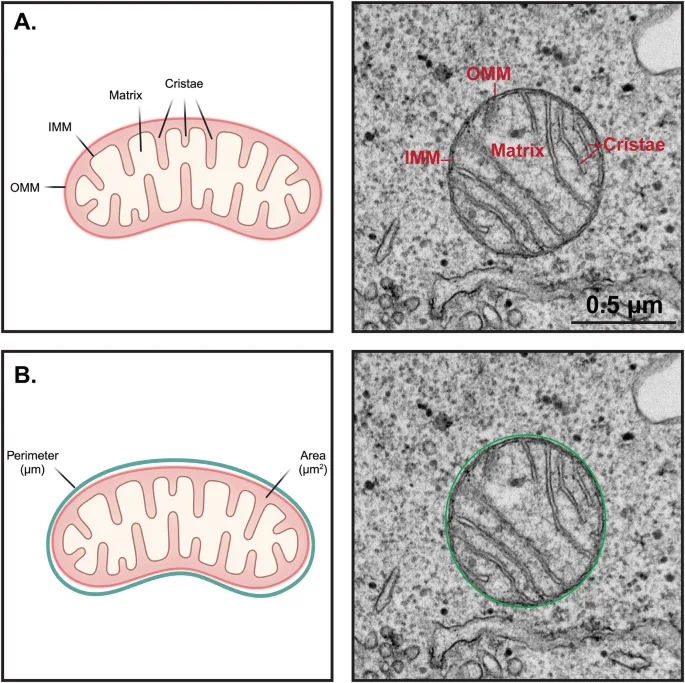
Image source: Web (Bing) / link.springer.com (Web image (fair-use with source credit))
Consistency is the real secret here. You aren't training for a burst of speed but for durability. As your aerobic efficiency improves, you’ll notice that you don't tire as quickly during daily life or other training sessions.
That’s the true sign that your base is growing.
Weighing the Benefits Against the Time Commitment
The biggest drawback to LISS is the duration. Since you are moving at a lower intensity, you need to put in more time to get a meaningful stimulus. A 15-minute high-intensity session might feel effective in the moment, but 45 minutes of LISS is often superior for building endurance.
If you have limited space, finding compact equipment can help you fit these longer sessions into a busy week.
Key Benefits of Steady State Training
- Improved Recovery: It increases circulation without adding stress.
- Lower Injury Risk: The impact on joints is significantly reduced compared to sprinting.
- Metabolic Flexibility: Your body becomes better at switching between fuel sources.
- Mental Focus: Long, steady sessions provide a space for meditation or listening to audiobooks.
Balancing this time requires a bit of planning. You don't have to do it all in one go, but 30 to 60 minutes is the standard range for real results. If you are a taller athlete struggling with stride length, look for machines with a longer deck so you can maintain that steady pace comfortably.
It’s better to commit to three 40-minute sessions a week than to cram in one hour and skip the rest.
How to Structure Your LISS Routine Safely
To do LISS correctly, you must stay in the conversational intensity zone. If you find yourself unable to speak a full sentence while moving, you are pushing too hard. You should be able to breathe through your nose comfortably throughout the entire workout.
Using a chest strap or a watch can provide the data you need to ensure you aren't drifting into a higher heart rate.
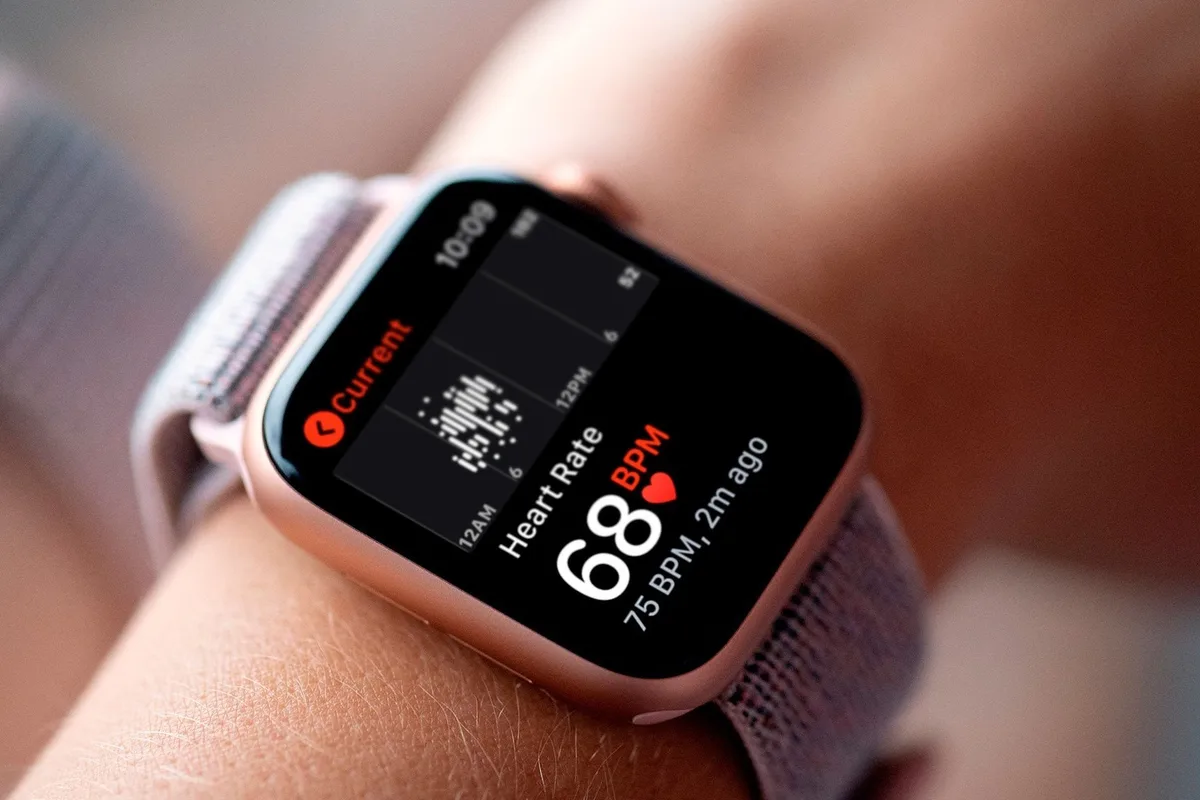
Image source: Web (Bing) / storage.googleapis.com (Web image (fair-use with source credit))
Practical Ways to Start Your Routine
- Select Your Method: Walking, light cycling, or using an elliptical machine are all great options.
- Establish the Pace: Set your device to a speed where you feel slightly warm but not strained.
- Use Technology: If you have a unit that needs calibration, ensure it is set correctly so your heart rate data remains accurate.
- Track Your Time: Aim for at least 30 minutes to start, and increase by 5 minutes each week.
Don't let the simplicity fool you. You might prefer an incline option to make walking harder without needing to run. This is a common strategy to increase the caloric burn without sacrificing the steady, aerobic nature of the exercise.
Just be careful that the incline doesn't push your heart rate above the aerobic zone.
Common Mistakes That Kill Your Aerobic Gains
The most frequent error people make with LISS is intensity drift. This happens when you start your workout at a comfortable, conversational pace but naturally speed up as you get into the rhythm. Before you know it, you’ve moved from a restorative aerobic session into an anaerobic one.
This ruins the recovery aspect of your training and defeats the purpose of keeping your heart rate low.
Another common mistake is neglecting variety. Even if you love your current machine, performing the exact same movement pattern for hours every week can lead to repetitive strain. If you are using a folding unit in a tight area, consider alternating your workouts between walking, light cycling, or even outdoor hiking to distribute the load across different muscle groups.
Finally, do not underestimate the importance of footwear. Because LISS sessions are duration-focused, your feet take a lot of cumulative impact. A worn-out pair of shoes can lead to shin splints or foot fatigue long before your lungs feel tired.
Always ensure your gear is in good condition, and if you are using a specific foldable model, check that the cushioning still provides the support you need for longer efforts.
How to Stay in the Right Zone
- Monitor Your Breath: Use the talk test regularly; you should be able to finish a sentence without taking an extra breath.
- Watch the Speed: Don’t race against the timer or yourself; focus on keeping a strictly consistent speed for the duration.
- Check Your Posture: Fatigue often leads to slouching, which restricts your breathing and makes the heart work harder than necessary.
Integrating LISS with Strength and HIIT Training
You shouldn't view LISS as a replacement for your other workouts. Instead, think of it as a bridge that connects your strength sessions and your HIIT intervals. If you lift heavy weights on Mondays and Thursdays, consider adding 45 minutes of LISS on Tuesdays and Fridays.
This helps flush out metabolic waste and keeps your joints moving without requiring significant recovery time.
Many athletes find that LISS is perfect for active recovery days. On these days, your goal isn't to burn a massive amount of calories; it is to get your blood moving to facilitate repair. If you have been troubleshooting a noisy or stiff belt on your home machine, prioritize getting that fixed so your recovery days don't become frustrating mechanical chores.
When it comes to HIIT, try to schedule your LISS sessions at least 24 hours away from high-intensity efforts. This separation ensures that your nervous system is fresh enough to hit those high-intensity targets when the time comes. By balancing these different modalities, you create a more complete and resilient training schedule.
As noted by the American College of Sports Medicine, a balanced approach that combines various intensities is the gold standard for maintaining cardiovascular health and physical performance over time.
Costs and Data Benchmarks
You don't need a massive budget to incorporate this training into your life. The primary investment is simply your time, but if you prefer the convenience of home equipment, the costs vary based on your specific needs. A simple walking pad treadmill can be a cost-effective way to get your steps in without taking up floor space.
If you are looking at more durable options, keep in mind that mid-range models often provide better motor longevity for longer sessions. A reliable machine usually falls within a specific price band that balances build quality with essential features like incline control and deck cushioning. Our editorial analysis suggests that you should prioritize frame stability over advanced digital software.
| Equipment Type | Cost Range | Best Performance Metric |
|---|---|---|
| Basic Walking Pad | Low | Noise level / Foldability |
| Folding Treadmill | Mid | Motor durability / Deck size |
| Commercial Treadmill | High | Long-term reliability / Cushioning |
For many, the most important data point isn't the price tag but the time spent in the target heart rate zone. If you have been using an Acezoe unit to monitor progress, keep an eye on how your heart rate stabilizes over time. Efficiency is a clear metric of progress.
As you get fitter, you will notice that you need either more speed or a higher incline to reach the same heart rate as when you started.
Frequently Asked Questions About Low-Intensity Work
How often should I do LISS cardio?
Most people see the best results by performing two to three sessions per week. This frequency is enough to build a solid aerobic base while still leaving plenty of time for strength training or higher intensity work. You can always add more as your endurance improves, provided you aren't feeling run down.
Is walking on a treadmill the same as walking outside?
Physiologically, the heart rate benefits are identical. A treadmill provides a more controlled environment where you can lock in your pace and incline. Walking outside offers more variety in terrain, which can be better for stabilization, but treadmills are excellent for ensuring you maintain the target heart rate zone.
Does LISS help with weight management?
Yes, LISS is very effective for managing body composition over the long term. Because it relies heavily on fat oxidation, it can help improve your metabolic flexibility. It also allows you to perform more work overall during the week because it doesn't cause the same level of systemic exhaustion as heavy training.
Can I do LISS if I have joint pain?
LISS is often the best cardio option for those with joint discomfort because it avoids the high impact of sprinting or jumping. Using a walking pad or a treadmill with good cushioning can significantly lower the stress on your knees and ankles. Always consult with a healthcare provider if you have pre-existing conditions before starting a new routine.
What heart rate should I target?
A general rule of thumb for Zone 2 training is to keep your heart rate between 60% and 70% of your estimated maximum heart rate. You can calculate this by subtracting your age from 220 and then multiplying by 0.6 and 0.7. However, the talk test is usually more reliable than a generic formula.
Final Recommendation and Decision Guide
Deciding to include this training method is a straightforward choice if you value long-term health and consistent performance. If you have been reading about Nordictrack commercial models, you might be tempted by high-intensity features, but remember that the most effective tool is the one that allows you to perform steady work consistently. The best way to begin is to assess your current weekly schedule and carve out two slots of at least 30 minutes.
Use the following decision flow to see if you are ready to prioritize this approach:
- Do you have at least 60 minutes of total time available per week? If yes, start here.
- Do you feel exhausted after your current workouts? If yes, add a session to promote recovery.
- Are you training for endurance? If yes, this should become the foundation of your routine.
- Do you struggle with high-impact joint pain? If yes, choose walking or cycling to keep your joints healthy.
Remember that this isn't an all or nothing change. You don't need to abandon your current training to reap these rewards. Simply swap out one high-intensity day for a steady-state session and monitor how you feel over the next four weeks.
Your recovery, your resting heart rate, and your energy levels are the true judges of whether this is working for you. Keep the pace conversational, stay consistent, and let the aerobic foundation build itself.

