

Image source: Bing (Web (fair-use with source credit))

Today's Exclusive Deals
Limited-time Exclusive Deals. Check current discount on Amazon.
Check Price on Amazon As an Amazon Associate I earn from qualifying purchases.When you're about to plunge beneath the waves, the most critical piece of equipment you carry isn't your fins or your mask. It’s your dive buddy. Understanding what is a dive buddy in scuba diving is fundamental to your safety and enjoyment underwater.
This partnership forms the backbone of responsible diving, ensuring help is always within reach.
As of 2026, certifications from organizations like PADI and SSI emphasize this partnership as a non-negotiable aspect of every dive. Failing to maintain proper buddy contact or perform checks could lead to serious incidents. Let's dive into what makes this relationship so vital.
Quick Answer
A dive buddy is another certified diver with whom you partner for mutual safety and support during scuba diving. This partnership involves pre-dive checks, communication, and staying aware of each other's air supply and well-being. The buddy system enhances safety by providing a backup in emergencies and shared situational awareness.
It’s a core tenet of all scuba training, from beginner courses to advanced certifications.
Why Your Dive Buddy is Your Most Important Piece of Gear
Think of your dive buddy as your most crucial piece of equipment, even more so than your best scuba diving regulator. While your gear keeps you alive, your buddy is your eyes, ears, and helping hand when things go sideways. They’re there to spot a problem you might miss, share air if yours runs low, or simply provide reassurance in a vast, alien environment.
Without a buddy, you're essentially diving solo, which is a risk few certified divers would ever take.
The buddy system isn't just a suggestion; it's a core safety protocol drilled into every diver. Organizations like the National Association of Underwater Instructors (NAUI) stress that a dive buddy is an integral part of dive planning and execution. This partnership relies on trust and clear communication.
It ensures that if an issue arises, like a minor equipment malfunction or a moment of disorientation, there’s another person present to help resolve it quickly and safely.
The Core Idea: What Exactly Is a Dive Buddy?
At its heart, a dive buddy is another certified diver who agrees to team up with you for a specific dive or series of dives. It’s a reciprocal relationship built on mutual responsibility. You’re not just diving with someone; you’re diving for each other.
This means agreeing on a plan before you even get in the water, understanding each other's limits, and maintaining contact throughout the dive.
This partnership covers a range of essential safety functions. For instance, it means keeping an eye on your buddy's air pressure gauge and dive computer. It also involves being aware of your surroundings together, spotting potential hazards or interesting marine life you might otherwise miss.
A well-matched buddy pair can significantly enhance the safety and enjoyment of any underwater excursion.
Shared Responsibility: What Your Buddy Does For You (And You For Them)
The responsibilities within a dive buddy partnership are clearly defined by training standards. You’re each accountable for checking your buddy’s gear and their readiness to dive, and they do the same for you. This shared duty means no one person is solely responsible for safety; it’s a joint effort.
This system significantly reduces the risk of critical errors being overlooked.
Pre-Dive Checks: The Crucial "Buddy Check"
The buddy check, often remembered by the acronym BWRAF (or variations like RDPDP in some regions), is non-negotiable. This systematic check happens before every single dive and ensures all equipment is functioning correctly for both you and your partner. It’s not just a formality; it’s a critical safety step that can prevent serious issues.

Image source: Web (Bing) / balidivecove.com (Web image (fair-use with source credit))
Here’s what that typically involves:
- B, BCD: Checking that your buddy's Buoyancy Control Device (BCD) inflates and deflates properly, and that the oral inflator and power inflator are working.
- W, Weights: Confirming your buddy's weight system is properly secured and accessible for emergency ditching.
- R, Releases: Ensuring all your buddy’s tank straps, BCD straps, and any other critical releases are properly fastened and easy to operate.
- A, Air: Verifying your buddy's air source is turned on, checking their air pressure gauge, and doing a quick puff of air from their alternate air source (octopus) to confirm it's functioning.
- F, Final Check: A final once-over, looking at straps, masks, fins, and anything else that seems out of place before heading to the water.
This routine ensures that both divers are entering the water with fully functional gear and a clear understanding of their setup. It’s also a great time to quickly review the dive plan.
Why You Can't Afford to Skip the Buddy System: Real Risks
Skipping the buddy system, or treating it lightly, is one of the most dangerous mistakes a diver can make. In an underwater environment where communication is limited and immediate assistance isn't always possible, having a partner is crucial for survival. The inherent risks of scuba diving, from equipment failures to physiological issues, are amplified when you’re alone.
Consider scenarios where a diver might run low on air unexpectedly, experience a sudden cramp, or even become disoriented. Without a buddy to help manage the situation, these incidents can quickly escalate into emergencies. For instance, a diver experiencing narcosis due to nitrogen buildup at depth might not recognize their own impairment without a buddy’s observation, as noted in materials from organizations like Divers Alert Network (DAN).
This impaired judgment could lead to critical errors in managing air supply or ascent rates.
Common Buddy Blunders and How to Avoid Them
Many issues arise not from malice, but from simple oversights or a lack of clear communication. One of the most frequent problems is buddy separation. This can happen if divers drift apart while distracted by marine life or if currents pull them in different directions.
To prevent this, always agree on a plan for what to do if you lose sight of each other, often, this means staying put for a minute, then ascending slowly while looking for your partner.
Another common error is inadequate pre-dive planning. Not discussing your dive plan, including your intended depth, bottom time, and potential exit points, leaves both divers uncertain. This can lead to one diver pushing limits the other is uncomfortable with.
Always communicate clearly about your objectives and boundaries before entering the water.
Diving Safety: Essential Rules for Buddy Pairs
Safe diving hinges on a few core principles that every buddy pair must adhere to. These rules are designed to maximize safety and minimize risk, ensuring that both divers have a positive and secure experience. Following them transforms the buddy system from a formality into a robust safety net.
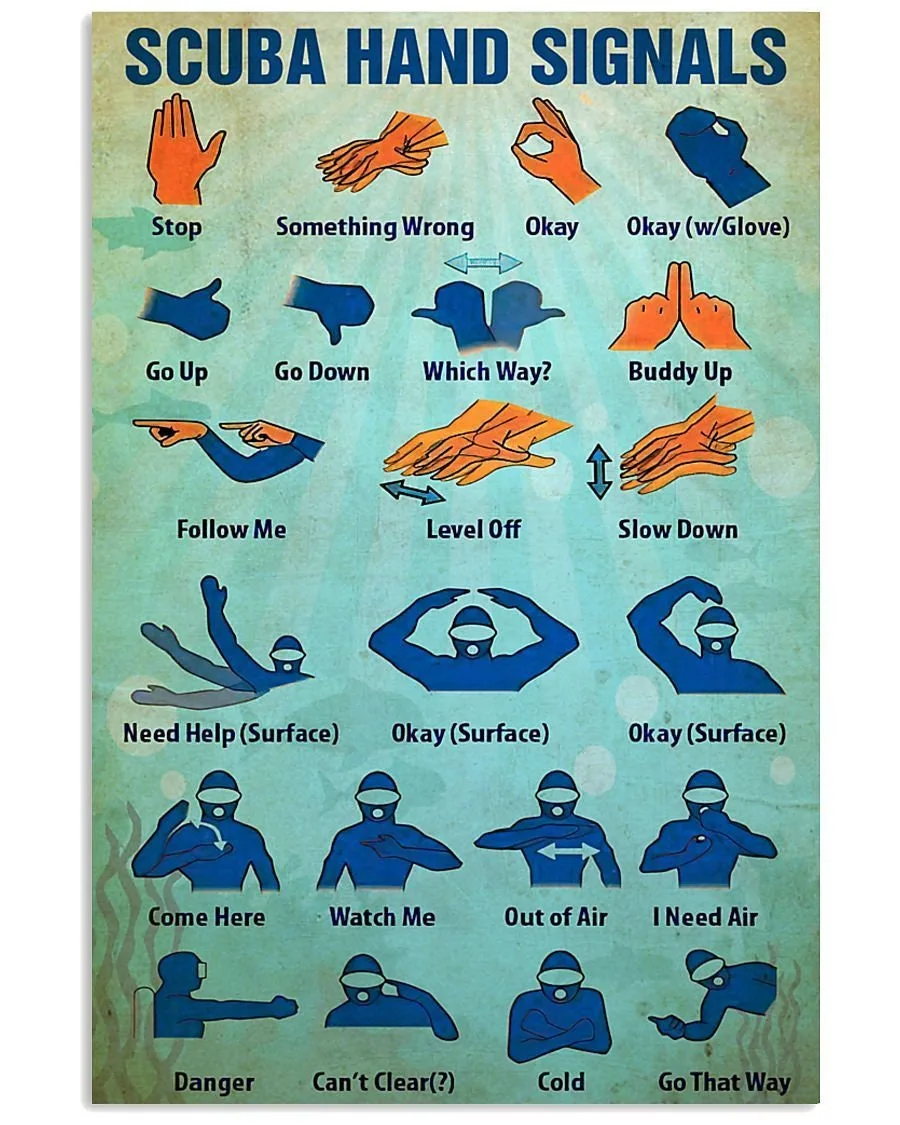
Image source: Web (Bing) / storage.googleapis.com (Web image (fair-use with source credit))
Here are the essential rules for any diving partnership:
- Stay Together: Always maintain visual or physical contact with your buddy. Agree on how close you'll stay and what signals you'll use to check in. If you’re looking at something fascinating, briefly signal your buddy so they can see it too, or let them know you’re pausing.
- Monitor Air Supply: Regularly check your buddy's air pressure gauge. A quick glance at their submersible pressure gauge (SPG) tells you how much air they have left. Agreed-upon standards, like the "rule of thirds" for air consumption, suggest using one-third of your air to go out, one-third to come back, and leaving one-third in reserve.
- Communicate: Use your hand signals, dive slate, or even just body language to check in with your buddy. Ask them if they’re okay, how their air is, or if they’re cold. Prompt communication can prevent small issues from becoming big problems.
- Assist in Emergencies: Be prepared to assist your buddy if they have an issue. This could range from helping with a minor equipment snag to performing an emergency ascent together if necessary. Your training covers these scenarios, and your buddy is your first line of support.
- Plan Your Dive, Dive Your Plan: Stick to the agreed-upon dive plan as much as possible. If circumstances change, discuss it with your buddy and agree on any modifications before proceeding. Unexpected changes without communication can lead to hazardous situations.
- Ascend Together: Always ascend with your buddy. If you become separated during the ascent, the general procedure is to hover at the agreed-upon depth for one minute, scanning the surface, before ascending alone. However, the goal is always to ascend together.
The Buddy System in Action: Real Scenarios Underwater
When you’re underwater with your dive buddy, the principles of shared responsibility come alive. Imagine you’re exploring a vibrant coral reef. Your buddy points out a small octopus tucked into a crevice that you might have otherwise missed.
Later, you notice your buddy’s air gauge is lower than you expected for the time you’ve been down. You signal them, and they acknowledge, perhaps indicating they just saw something interesting that drew their attention.
This constant, low-level communication and observation is the essence of the buddy system. It's not about micromanaging each other, but about being present and aware. For example, if one diver encounters mild nitrogen narcosis at depth, their buddy can recognize the signs of impaired judgment and suggest an immediate, safe ascent.
This partnership turns a potentially risky situation into a manageable event, reinforcing why diver training emphasizes continuous interaction.
How Do You Choose the Right Dive Buddy?
Selecting a suitable dive buddy involves more than just picking the first person you see. While many divers are happy to pair up, certain considerations can lead to a more enjoyable and safer dive. Ideally, a buddy should have a similar level of experience and comfort in the water.
A novice diver paired with a highly experienced diver can lead to issues; the experienced diver might get bored, or the novice might feel pressured.
Conversely, two divers with comparable skills and similar diving goals often make the best partners. For instance, if you’re interested in underwater photography, finding a buddy who shares that passion and understands the need for slow, deliberate movements can make a huge difference. Their equipment choices, like a stable best scuba diving camera, might also complement your own interests.
Considerations for choosing a buddy:
- Experience Level: Match experience to avoid pressure or boredom.
- Comfort Zone: Ensure both divers are comfortable with the planned depth and conditions.
- Physical Fitness: Both divers should be reasonably fit for the dive’s demands.
- Shared Interests: Diving with someone who enjoys similar aspects (e.g., photography, wreck exploration) enhances the experience.
- Equipment Compatibility: While not strictly necessary, understanding each other's gear, like best scuba diving computer setups, can be helpful.
How to Prepare for a Dive with Your Buddy
Effective preparation is key to a successful dive. Before you even get to the water, you and your buddy should have a thorough pre-dive briefing. This isn't just about the BWRAF check; it's about discussing the entire dive.
What are the expected conditions? What is the planned depth and maximum bottom time? Are there any specific hazards to be aware of, like strong currents or a rocky entry point?
For example, if you're diving from shore and expecting a potentially challenging entry, you and your buddy should discuss how you'll manage your gear and yourselves in the surf. Knowing how to use your best scuba diving fins for strong currents effectively in these conditions is also part of the plan. Confirming your understanding of emergency procedures, like what to do if you become separated, is equally vital.
This conversation sets the stage for a safe and coordinated dive.
What to Do if You Get Separated From Your Dive Buddy
Buddy separation is a concern for all divers, but with proper training and a clear plan, it’s manageable. The general protocol recommended by certification agencies is straightforward: if you lose sight of your buddy, stay in place for a short period, typically one minute, while looking up and around. During this time, signal for your buddy periodically.
If your buddy doesn't reappear within that minute, you should then perform a controlled, slow ascent to the surface, continuing to look for them. Once on the surface, stay near your entry/exit point and continue looking. If your buddy surfaces nearby, great, reunite and discuss what happened.
If they don't surface within a reasonable time, alert the dive operator or boat crew immediately. This systematic approach ensures you don't panic and follow procedures designed to reunite you safely.
How to Communicate Effectively Underwater
Clear communication is the glue that holds the buddy system together. Since talking is impossible, divers rely on a set of standardized hand signals. These signals cover everything from "Are you okay?" and "I'm okay" to more complex instructions like "low on air" or "problem." Our research indicates that consistent use and understanding of these signals reduce misunderstandings significantly.
Beyond basic signals, a dive slate can be invaluable for more detailed conversations or complex instructions. You can write down specific information, like air levels or a description of something seen, to ensure clarity. Even simple gestures, like pointing to your air gauge or your buddy's, convey critical information.
Mastering these communication tools ensures that both divers are always on the same page, even in challenging underwater conditions.
Frequently Asked Questions About Dive Buddies
What is the minimum certification required to dive with a buddy?
Typically, entry-level certifications like PADI Open Water Diver or SSI Open Water Diver are sufficient. However, your certification agency and instructor will outline specific guidelines regarding diving with a buddy and any limitations based on your training.
Can I dive with a non-diver as my buddy?
No, scuba diving requires a buddy who is also a certified diver. The buddy system is built on mutual safety protocols that only a certified diver can understand and implement.
What should I do if my buddy is uncomfortable or wants to end the dive?
Always respect your buddy's decision. If your buddy signals they want to end the dive or ascend early for any reason, you should agree and proceed with them. Safety and comfort always come first.
How important is it to practice emergency skills with my buddy?
Practicing emergency skills, such as air sharing or simulated buddy separation, is highly recommended and often part of advanced training. These drills build confidence and ensure you can respond effectively if a real emergency occurs.
Can I dive with two buddies?
Yes, diving with a group of three or four divers is common, often referred to as a "buddy team." In such cases, the responsibility for monitoring is shared among all members, but the principle of staying together and looking out for each other remains critical.
Your Dive Buddy: The Foundation of Safe Diving
The dive buddy system is more than just a rule; it's a philosophy that underpins safe and enjoyable scuba diving. By committing to a partnership based on trust, communication, and mutual responsibility, you significantly enhance your safety underwater. From the initial gear checks to the shared experience of exploring the underwater world, your dive buddy is your indispensable ally.
Always remember to plan your dive, dive your plan, and most importantly, stay with your buddy.