Packrafting has exploded in popularity among outdoor lovers. The idea of carrying a lightweight boat into remote rivers or mountain lakes is exciting. But with many packrafts on the market, choosing the right one matters. The Kokopelli Recon Self-Bailing Packraft often gets attention for its unique features and rugged design. Still, is it really worth your hard-earned money? Let’s take a deep dive into its performance, durability, cost, and real-world value to help you decide.
What Is The Kokopelli Recon Self-bailing Packraft?
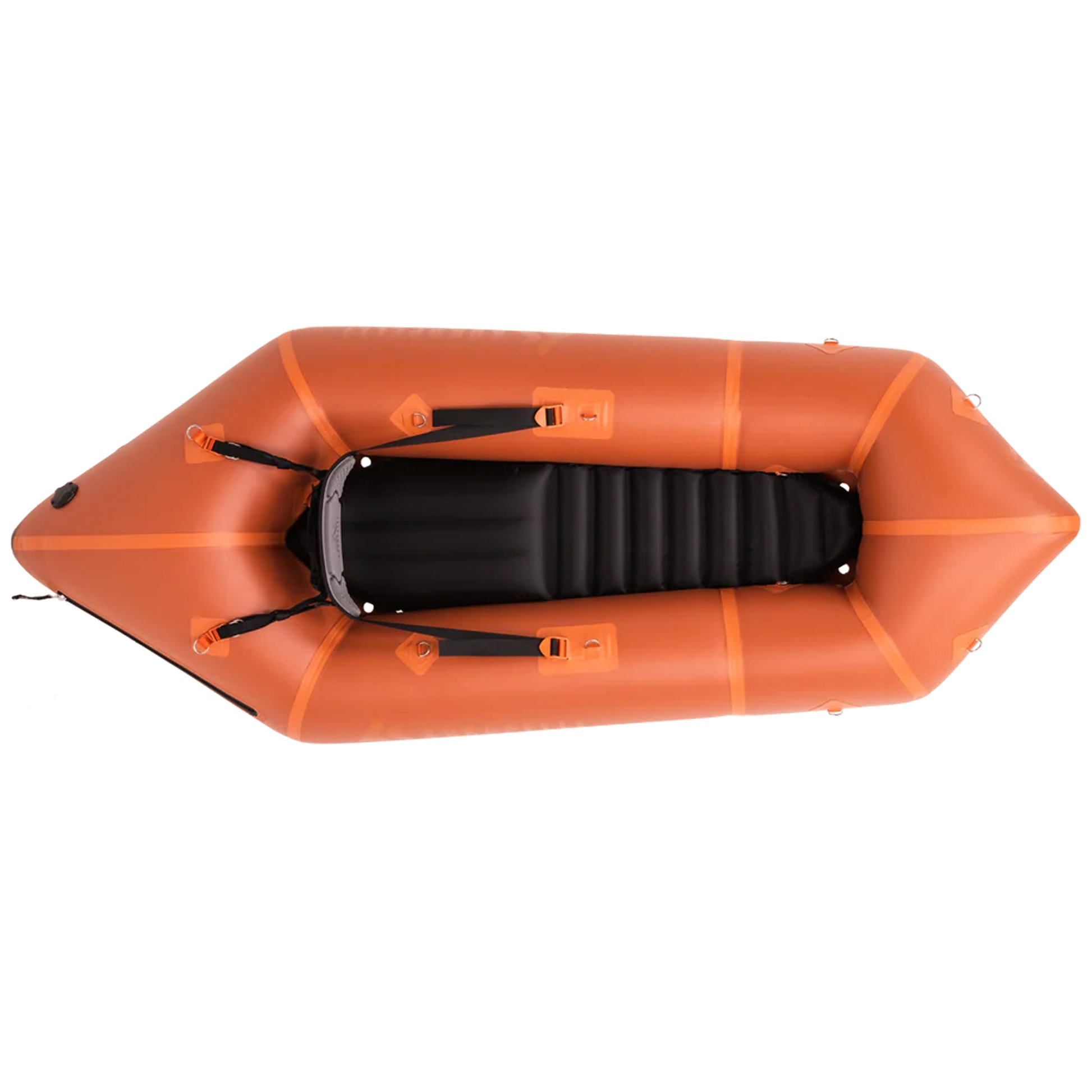
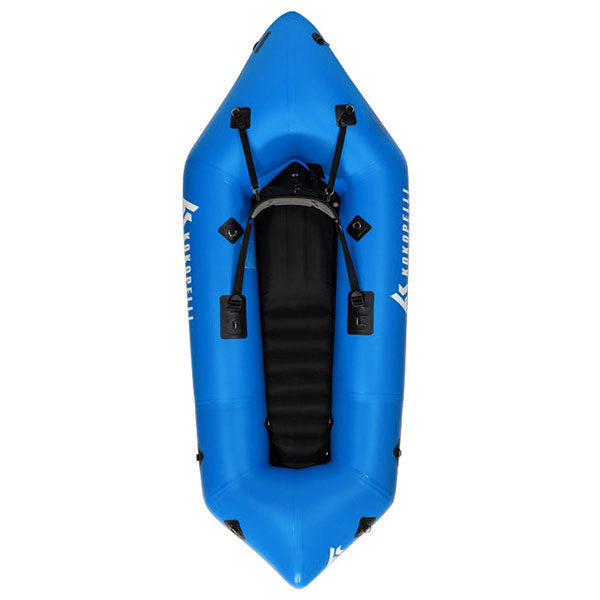
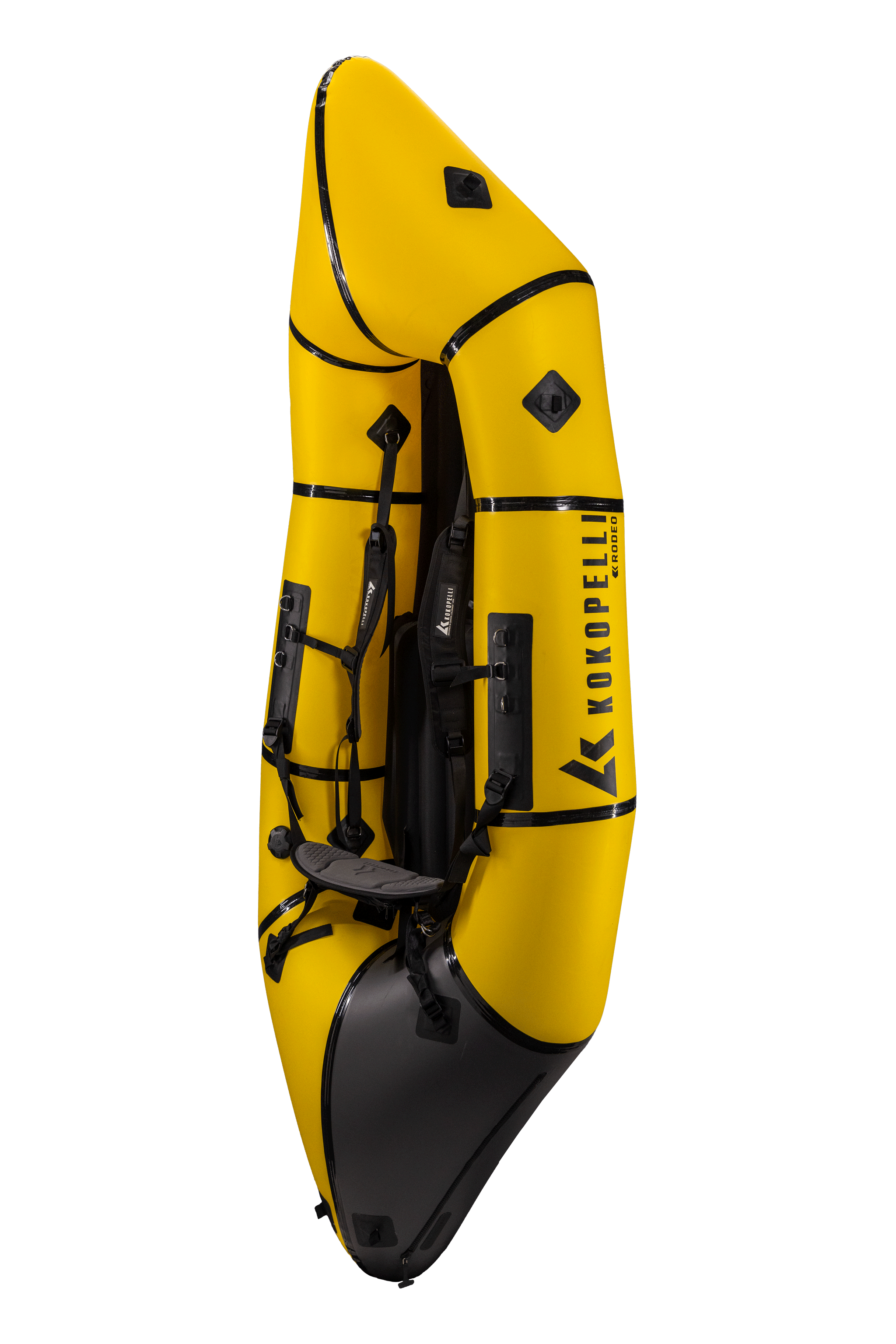
The Kokopelli Recon Self-Bailing Packraft is designed for paddlers who want a tough, reliable boat. Unlike most packrafts made from lightweight materials, the Recon uses PVC—the same type used in commercial rafts. It’s built for whitewater, with a self-bailing floor that lets water drain out as you paddle. This means you can take on bigger rapids without worrying about swamping.
Today's Exclusive Deals
Limited-time Exclusive Deals. Check current discount on Amazon.
Check Price on Amazon As an Amazon Associate I earn from qualifying purchases.The Recon is not the lightest packraft. At around 18 lbs (8.2 kg), it’s heavier than ultralight boats, but that weight brings extra toughness. Many people choose it for day trips on challenging rivers, rescue work, or situations where durability is more important than shaving off a few pounds.
Key Features And Specifications
Understanding what sets the Recon apart starts with a closer look at its main features.
| Feature | Kokopelli Recon Self-Bailing |
|---|---|
| Material | 210d TPU + 1000d reinforced PVC |
| Weight | 18 lbs (8.2 kg) |
| Length | 90 in (229 cm) |
| Width | 37 in (94 cm) |
| Packed Size | 27 x 10 in (69 x 25 cm) |
| Max Capacity | 300 lbs (136 kg) |
| Self-Bailing | Yes |
| Removable Seat | Yes |
| Inflation Time | ~5 mins (with pump) |
Some highlights include:
- Self-bailing floor: Quickly drains water, ideal for whitewater paddling.
- Commercial-grade PVC: Strong, abrasion-resistant, and reliable.
- Wide hull: Stable in rough water.
- Removable seat: Customizable for comfort or more cargo space.
Who Should Consider The Recon?
The Recon is not for every paddler. It’s designed for specific people and uses:
- Whitewater enthusiasts: If you want to run Class II-IV rivers and need a boat that can take hits, the Recon is built for you.
- Rescue professionals: Its durability and self-bailing design are perfect for swiftwater rescue teams or outdoor guides.
- Adventure racers: Some racers choose the Recon for events with tough rivers, though the weight can be a trade-off.
- Day trippers: If you often paddle close to your car, the heavier weight is less of an issue.
- People who are rough on gear: If you value bomb-proof construction over lightweight materials, the Recon is a top choice.
On the other hand, if you want a boat for long-distance trekking or crossing lakes, a lighter packraft may fit better.
How Does The Recon Perform On Water?
Performance is where the Recon stands out—or falls short, depending on your goals.
Whitewater Handling
Thanks to its wide hull and stiff PVC, the Recon is very stable in fast-moving water. The self-bailing floor means water drains out quickly, so you don’t have to stop and empty the boat after every rapid. This is a big advantage over “spray deck” packrafts, which trap water inside.
The Recon’s shape is not as nimble as smaller boats. It turns a bit slower, but most paddlers find the extra stability worth it in rough water. It’s forgiving for beginners and offers confidence when you hit rocks or branches.
Flatwater Paddling
On calm lakes or slow rivers, the Recon is less efficient. Its wide shape creates more drag, and the self-bailing holes can let a little water in, making you wet. For short crossings, it’s fine, but for long distances, you’ll feel the difference compared to narrower, lighter packrafts.
Carrying Gear
With a 300 lb capacity, the Recon can easily carry a paddler plus day gear or even overnight gear if you pack smart. The removable seat lets you adjust space for dry bags or camera equipment. But keep in mind, the heavier the load, the slower the boat.
Comfort
The seat is simple but comfortable for day trips. Some users add extra padding for longer outings. The wide cockpit makes it easy to get in and out, and there’s enough room to stretch your legs.
Durability: How Tough Is It Really?
Durability is the Recon’s greatest selling point. Most packrafts use lightweight nylon or TPU-coated fabrics. The Recon uses 1000d reinforced PVC, which is what you see in big commercial whitewater rafts. This means:
- It resists punctures from sharp rocks or sticks.
- It can handle dragging over gravel or rough ground.
- It’s less likely to be damaged by UV rays or chemicals.
Some owners have used their Recon for hundreds of river miles with only minor scuffs. This is where the Recon shines compared to lighter models, which may need patching after hard use.
Non-obvious insight: Even though the Recon is tough, always bring a repair kit. PVC is strong, but accidents happen—especially on rivers with hidden rebar, glass, or metal. Quick repairs keep your trip safe and fun.
Another tip: PVC boats can be stored inflated for short periods, but for long-term storage, let out the air to avoid stretching seams.
Portability: How Easy Is It To Carry?
Packrafts are famous for their light weight, but the Recon is an exception. At 18 lbs, it’s about 2–3 times heavier than the lightest ultralight packrafts. The packed size is also larger. Here’s how the Recon compares to two popular models:
| Model | Weight | Packed Size | Material |
|---|---|---|---|
| Kokopelli Recon | 18 lbs (8.2 kg) | 27 x 10 in | PVC |
| Kokopelli Nirvana | 9 lbs (4.1 kg) | 19 x 11 in | TPU-coated nylon |
| Alpacka Classic | 5.5 lbs (2.5 kg) | 16 x 8 in | Ripstop nylon |
Carrying the Recon on a short hike to the river is not a problem. But if you plan to hike 10+ miles, every pound counts. For bikepacking, it’s possible but not ideal unless your route is mostly flat or you have support.
Pro tip: Use the Recon for trips where the river is the main event, not the hike. If you need to hike far, look for lighter options.
Setup And Inflation
The Recon inflates quickly with a pump (not included) or by mouth using the included inflation bag. Most people take 5–10 minutes to fully set it up. The valves are standard and easy to use. The self-bailing floor means you don’t need to install a spray deck.
Rolling and packing the Recon is a bit harder than smaller packrafts. The thick PVC doesn’t compress as much, and you need a bigger backpack or duffel to carry it.
Value For Money: Is It Worth The Price?
The Recon is not cheap, but it’s also not the most expensive packraft. As of 2026, the price is around $899 USD. Here’s what you get for your money:
- Extreme durability: Lasts for years with normal care.
- Whitewater performance: Handles tough rivers well.
- No spray deck needed: Simpler setup for most rivers.
- Good for rescue or guiding: Trusted by professionals.
Compared to lighter packrafts, you pay a weight penalty for that toughness. If you only paddle easy rivers or lakes, you may not need a boat this strong.
What beginners miss: The true cost is not just the boat. You’ll also need a paddle ($80–$200), PFD (personal flotation device, $50–$150), helmet for whitewater, dry bags, and possibly a pump. Budget for the full kit, not just the packraft.
Pros And Cons
Summing up the Recon’s advantages and drawbacks helps you see if it matches your needs.
Pros
- Super tough: Handles abuse, rocks, and rough landings.
- Self-bailing: Great for big waves and easy to empty water.
- High capacity: Carries big paddlers plus gear.
- Stable: Forgiving in choppy or technical water.
- Trusted brand: Kokopelli has a good reputation for quality.
Cons
- Heavy: Not for long hikes or backpacking.
- Bulky: Needs a big pack or extra hands to carry.
- Slower on flatwater: More drag, less efficient.
- No spray deck option: You’ll get wet in cold water.
- Price: Not the cheapest, especially with gear extras.
Alternatives: How Does It Compare?
The Recon has a few main competitors. Here’s how it stacks up in the most important areas:
| Feature | Kokopelli Recon | Kokopelli Nirvana | Alpacka Classic |
|---|---|---|---|
| Best for | Whitewater, durability | Whitewater, lighter trips | All-around use, ultralight |
| Weight | 18 lbs | 9 lbs | 5.5 lbs |
| Material | PVC | TPU-coated nylon | Ripstop nylon |
| Self-bailing | Yes | No (spray deck option) | No (spray deck option) |
| Capacity | 300 lbs | 300 lbs | 300 lbs |
| Price (approx) | $899 | $1,099 | $1,250 |
- If you need lightweight for long hikes, the Alpacka Classic is better.
- If you want whitewater ability but less weight, the Kokopelli Nirvana is a good choice.
- If you want maximum durability for rough rivers and don’t mind the weight, the Recon is best.
Real-world User Experiences
Outdoor forums and reviews show that Recon owners are often very happy with their boats—if they choose the right tool for the job.
Example 1: A rescue worker in Colorado uses the Recon for safety training and rescue missions. He notes that it survives constant dragging over rocks and fast launches, while lighter boats get tears.
Example 2: A weekend paddler uses the Recon for local rivers with sharp rocks. She likes the self-bailing floor but admits it’s too heavy for backpacking trips. She keeps a lighter packraft for hiking adventures.
Example 3: Adventure racers report that the Recon is a bit slow, but in races where durability is more important than speed, it’s a solid choice.
Pro insight: Some users mention that in cold water, self-bailing packrafts like the Recon can get your feet wet. For cold rivers, consider adding neoprene socks or draining plugs.
Maintenance And Care Tips
Taking care of your Recon is simple, but a few habits can make it last even longer:
- Rinse after use: Especially if you paddle in saltwater. Salt can damage PVC over time.
- Dry before storing: Prevents mold and keeps the boat fresh.
- Store in a cool, shaded place: UV rays can weaken PVC if left in the sun for weeks.
- Check for leaks: Inflate the boat fully and listen for hissing. Repair small holes right away.
- Use proper cleaning products: Avoid harsh chemicals—mild soap and water are best.
A well-cared-for Recon can last for many seasons, making it a good investment for frequent paddlers.
Who Should Avoid The Recon?
While the Recon is a great boat for some, it’s not perfect for everyone.
- Long-distance hikers: The weight will slow you down and take up valuable pack space.
- Flatwater explorers: You’ll stay drier and paddle faster in a non-bailing, lighter packraft.
- Travelers with limited space: The packed size is big for airline travel or bikepacking.
If your main goal is to cross gentle lakes, fish on calm water, or cover lots of miles on foot, there are better packrafts for your needs.
Buying Tips And Common Mistakes
When shopping for the Kokopelli Recon Self-Bailing, keep these points in mind:
- Try before you buy: Demo days or rentals let you test the weight and feel.
- Don’t skip safety gear: Always budget for a good paddle, PFD, and helmet.
- Check for sales or bundles: Sometimes Kokopelli offers package deals with paddles or pumps.
- Read the warranty: Kokopelli has a limited warranty—know what’s covered before you buy.
- Be honest about your trips: If you rarely paddle whitewater, you might be happier with a lighter model.
Common beginner mistake: Focusing only on price or weight. The Recon is about toughness and safety in rough water. If that’s not your main need, you may regret the extra pounds.
Environmental Considerations
PVC is durable but not the most eco-friendly material. If sustainability is important to you, look for packrafts made from TPU or recycled materials. That said, the Recon’s long life means fewer boats end up in landfills, which is a small environmental plus.
Disposing of PVC is tricky—never burn it, and check for local recycling options if you ever need to retire your boat.
Where To Buy And Further Resources
The Kokopelli Recon is available from:
- Kokopelli’s official website
- Outdoor retailers like REI
- Specialty paddling shops
Always buy from an authorized dealer to get full warranty coverage. For more technical details, see the official Kokopelli Recon page.
Frequently Asked Questions
How Does The Recon Handle In Cold Water?
The Recon’s self-bailing floor means your feet and legs will get wet, even in cold water. Many paddlers wear neoprene socks or dry pants for warmth. If you paddle in icy rivers, consider a drysuit or choose a packraft with a spray deck.
Is The Recon Suitable For Fishing?
It can work for fishing, especially on rivers. The stable, wide hull gives you room to cast and move. Just remember, the self-bailing floor lets water in, so you’ll get wet—bring dry bags for gear. For calm lakes, a non-bailing packraft may be more comfortable.
Can I Use The Recon For Overnight Trips?
Yes, but pack carefully. The 300 lb capacity means you can carry camping gear. The boat’s bulk and weight make long hikes hard, but for river trips with short portages, it’s a solid choice. Use dry bags and secure gear so it doesn’t shift while paddling.
How Long Does The Recon Last?
With good care, the Recon can last 5–10 years or more. The strong PVC is less likely to tear, but always check seams and valves before each trip. Avoid dragging it on concrete or storing it wet.
What Accessories Do I Need With The Recon?
Plan to buy:
- 4-piece paddle (for easier packing)
- PFD (personal flotation device)
- Helmet (for whitewater)
- Inflation bag or pump
- Dry bags (for gear)
- Repair kit
These extras add cost but are essential for safe and fun paddling.
Final Thoughts
The Kokopelli Recon Self-Bailing Packraft is a strong, stable boat built for rough water and heavy use. Its commercial-grade PVC gives you confidence in rocky rivers, and the self-bailing floor means you’ll spend more time paddling and less time bailing.
However, the extra weight and bulk limit its use for long hikes or flatwater touring.
If your adventures focus on whitewater or you need a bomb-proof packraft for rescue or guiding, the Recon is worth the investment. For lightweight, multi-day trips with long hikes, consider other models. As always, match the boat to your real needs—not just the latest trend. With the right choice, your next river journey will be safer and more enjoyable.