
Is Dji Power 1000 Portable Power Station Worth It?
People depend more and more on portable power stations for camping, traveling, and emergencies. The Dji Power 1000 is a new option that promises strong performance and smart features. But is it really worth the price? Let’s look closely at what it offers, how it compares to other models, and if it fits your needs.
What Is Dji Power 1000?
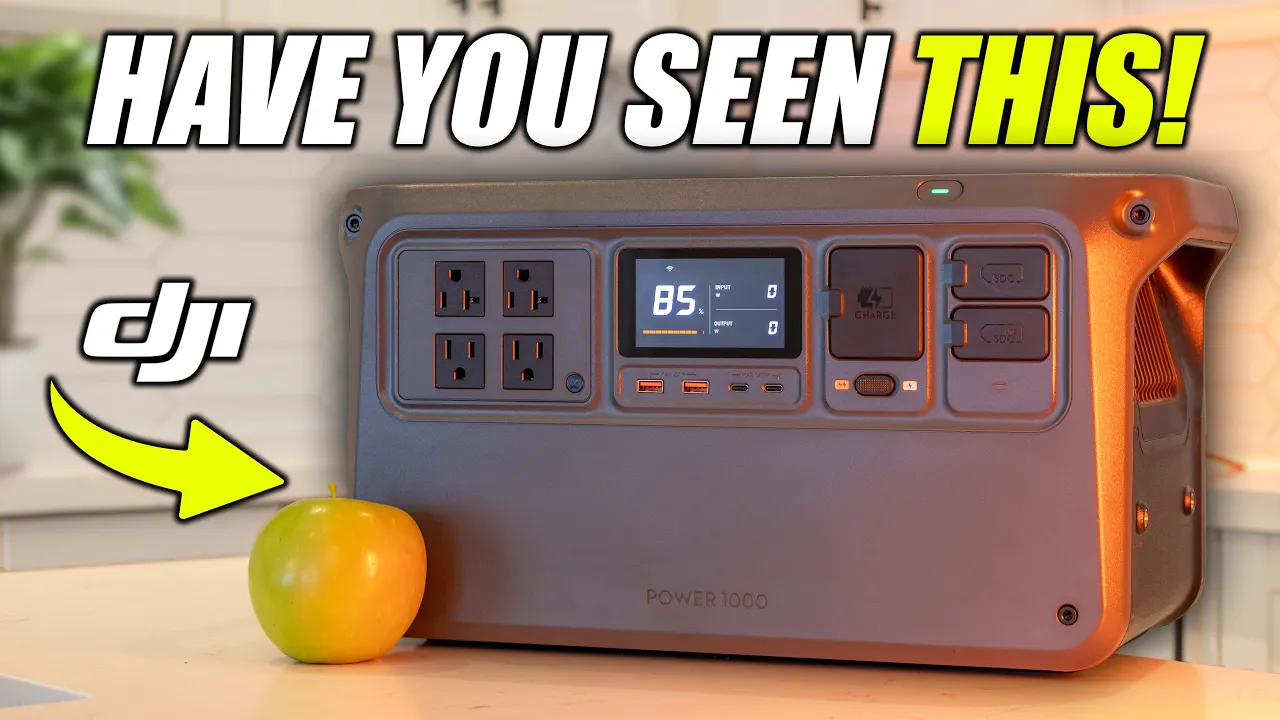
The Dji Power 1000 is a portable power station designed to deliver energy when you are off the grid. It is made by DJI, a brand famous for drones, but now entering the portable power market. This device can charge laptops, phones, small appliances, and even some power tools.

Today's Exclusive Deals
Limited-time Exclusive Deals. Check current discount on Amazon.
Check Price on Amazon As an Amazon Associate I earn from qualifying purchases.- Capacity: 1024Wh (watt-hours)
- Maximum output: 2200W
- Weight: Around 13kg (28.7 lbs)
- Ports: AC, USB-A, USB-C, car output, DC input
The station is built for reliability and safety, using lithium iron phosphate batteries, which last longer and are safer than common lithium-ion cells. This makes it suitable not just for the outdoors, but also for home use around sensitive electronics.
The large 1024Wh capacity puts it in the “mid-range” class—enough for most weekend trips, longer outages, and many work applications, but still portable for one person to carry.
If you’re new to portable power stations, think of the Dji Power 1000 as a quiet, high-tech generator. But instead of using gas, it stores electricity you can use anywhere.
Features And Design
Battery Technology
Unlike many competitors, Dji Power 1000 uses LiFePO4 batteries. These batteries survive more charge cycles (about 3000 cycles to 80% capacity). They also resist overheating and fire, which is important for safety.
LiFePO4 technology is sometimes called “lithium iron phosphate. ” It’s heavier than standard lithium-ion, but safer for indoor and outdoor use. If you plan to use your power station often, this battery type will save you money over time because it lasts longer.
For example, after 6 years of regular weekend use, you might notice only a small drop in capacity, while cheaper batteries could already be failing.
Port Selection
You get a mix of ports for different devices:
- 2x AC outlets (pure sine wave, 2200W max)
- 2x USB-A ports (18W)
- 2x USB-C ports (100W)
- 1x car outlet (12V/10A)
- 2x DC ports (12V/3A)
This means you can charge laptops, phones, cameras, camping fridges, and even some medical equipment. The pure sine wave AC output is important for sensitive electronics like CPAP machines, projectors, or audio gear, as it prevents buzzing or potential damage.
The high 100W USB-C output is also great for new laptops or fast-charging tablets—many stations at this price only offer 60W or less.
A detail beginners sometimes miss: the car outlet and DC ports are helpful for powering things like air pumps, small fans, or certain lights. These can run much longer than AC devices because they’re more efficient.
Fast Charging
One standout feature is the fast recharge. The Dji Power 1000 can charge from 0 to 100% in under 1 hour using wall power. Solar charging is also supported, though it is slower.
Most portable power stations this size take 6–8 hours to recharge with AC, which can be a problem if you need to hit the road or recover quickly after a blackout. Here, you can top up the battery while packing your car, or between storms.
If you’re using solar panels, the 400W input limit means you can take advantage of sunny days and get a full recharge in 3–8 hours, depending on sunlight and panel size.
Build Quality
The station has a solid, modern design. It uses a metal shell for durability and has a sturdy handle for easy carrying. The display shows real-time battery status and usage, which is easy to read.
DJI’s design feels premium, with smooth edges and a tough construction. The handle is thick and comfortable for single-handed carry, and the controls are well-placed. The screen is bright, clear, and shows not just battery percentage, but also real-time input/output and estimated runtime.
Compared to some plastic competitors, the Dji Power 1000 feels built to survive being moved, stacked, or even dropped from a small height.
Smart Features
The Dji Power 1000 includes Bluetooth and app control. You can monitor the battery and turn ports on/off using your phone. This is useful if you want to check usage remotely.
The app is simple but powerful. For example, you can see exactly which devices are drawing power, set auto-off timers, or get alerts when the battery is low. You can even turn off individual ports if you want to save energy or prevent unauthorized use—a feature handy for group camping or shared workspaces.

Real-world Performance
Outdoor Use
When you’re camping, you need reliable power. The Dji Power 1000 can run a mini-fridge for about 15 hours, charge a phone dozens of times, and power LED lights for days. Its quiet operation means you won’t disturb your surroundings.
For example, if you’re camping with a group and bring a portable projector, you can run movie nights in the woods. Need to run a water pump or inflate mattresses? The 2200W output is enough for most small appliances. Unlike gas generators, there’s no smell or noise, so you can use it inside a tent or camper.
Many users also bring small electric stoves or kettles for quick cooking, which the Dji Power 1000 can handle in moderation.
Emergency Backup
If your power goes out at home, the Dji Power 1000 can keep important devices running. For example, it can power a CPAP machine for up to 2 nights, run a modem/router for over a day, or keep a laptop charged for a week.
During longer blackouts, you could run an LED TV for 10 hours, or a few LED lamps for several days. People with medical needs (like oxygen concentrators or insulin coolers) can use the Dji Power 1000 for peace of mind, knowing their devices will run through the night.
If you live in an area with frequent storms or unreliable power, this backup can be a real lifesaver.
Travel
Its weight makes it portable, but not lightweight. It’s best for car trips or RV use rather than hiking. The handle and compact shape help with moving it around.
If you’re a photographer or filmmaker, you can use it to charge camera batteries, drones, and lights at remote locations. Mobile repair technicians, musicians, or teachers running outdoor classes can all benefit from its reliable power. For RV owners, it can serve as a quiet alternative to built-in generators, or as an extra boost for high-demand days.
Comparison With Alternatives
Here’s how Dji Power 1000 stacks up against other popular models:
| Model | Capacity (Wh) | AC Output (W) | Weight (lbs) | Battery Type | Price (USD) |
|---|---|---|---|---|---|
| Dji Power 1000 | 1024 | 2200 | 28.7 | LiFePO4 | ~$999 |
| Jackery Explorer 1000 | 1002 | 1000 | 22 | Lithium-ion | ~$999 |
| EcoFlow Delta 2 | 1024 | 1800 | 27 | LiFePO4 | ~$999 |
| Goal Zero Yeti 1000X | 983 | 1500 | 31.7 | Lithium-ion | ~$1299 |
As you can see, Dji Power 1000 offers competitive capacity and output. Its battery technology and fast charging are standout features. The price is similar to rivals, but you get more safety and longer battery life.
A not-so-obvious detail is that while Jackery is lighter, it uses a less durable battery chemistry, which may need replacement sooner. EcoFlow Delta 2 matches the Dji Power 1000 on battery tech, but has slightly less output power. Goal Zero is heavier and more expensive, making the Dji Power 1000 a balanced choice for both price and performance.
Charging Methods
You can recharge the Dji Power 1000 in several ways:
- AC Wall Outlet: Fastest, takes less than 1 hour.
- Solar Panels: Slower, takes 3–8 hours depending on sunlight and panel size.
- Car Charger: Takes 8–10 hours.
This flexibility is good for outdoor use and emergencies. Not all stations offer such fast AC charging.
For solar charging, you can use a variety of panels—either those sold by DJI or third-party options. Just make sure to match the voltage and connectors. If you use the car charging option, it’s ideal for road trips, letting you recharge while driving between campsites or job sites.
One more tip: if you want the fastest solar charging, angle your panels toward the sun and keep them clean for best efficiency.
User Experience
Setup
Getting started is simple. Plug in your device, turn on the power station, and the display shows how much energy is left. The app helps you monitor usage and set limits.
There’s no need for complex setup or technical knowledge—just charge, power on, and use. The manual is clear and includes examples for beginners, like how to estimate runtimes for different devices. In case you’re unsure, the app even gives you suggestions on what you can power with the remaining battery.
Noise
The Dji Power 1000 is very quiet. Fans only run when charging or powering heavy devices, but the sound is softer than most competitors.
You can place it in a bedroom or tent without being disturbed. For comparison, some cheaper stations have constant fan noise, which can be annoying, especially at night. If you’re using it during a meeting or class, the quiet operation is a big plus.
Durability
The metal shell protects against bumps and drops. The battery is rated for thousands of cycles, so it should last years even with regular use.
Rubber feet prevent sliding, and the ports are reinforced for repeated plugging in and out. People who travel often or work outdoors will appreciate the robust build. Even after years of camping or worksite use, it should still look and function well.
App Control
The smartphone app is intuitive. You can check battery status, see which ports are active, and turn ports on/off. It connects via Bluetooth, so you do not need Wi-Fi.
If you’re in a remote area with no network, you can still control and monitor your power station. The app is updated regularly and includes safety tips and usage logs, helping you optimize your power usage over time.
Who Should Buy Dji Power 1000?
Camping Enthusiasts
If you camp often, this power station is a great fit. It can run fridges, lights, and cameras for days. The fast charging means you spend less time waiting.
Even for group trips, the large capacity and high output keep everyone’s devices charged. You can even power portable air conditioners or fans for extra comfort on hot nights.
Emergency Preparedness
For people who want backup power at home, Dji Power 1000 can support key devices during outages. Its safe battery type is important for indoor use.
If you live in a storm-prone area or somewhere with an unreliable grid, this is a practical investment. You can keep your home office running, ensure your phone is charged for emergencies, and even power small kitchen appliances.
Small Businesses
If you run a food truck, pop-up shop, or mobile office, this device can power printers, laptops, and small appliances.
Vendors at fairs, markets, or festivals can run cash registers, card readers, lighting, and fans all day. The fast recharge means you can get back to business quickly if you run low.
Rv Owners
RV users need reliable power for fridges, TVs, and other devices. Dji Power 1000’s capacity and port selection make it a strong choice.
It’s also a good backup for built-in generators, especially when you want quiet nights or don’t want to disturb your neighbors. The app control lets you monitor power use from inside your RV.
Pros And Cons
Let’s break down the key advantages and disadvantages:
Pros:
- Long-lasting LiFePO4 battery
- Fast wall charging
- High output for AC devices
- App control for convenience
- Durable build
Cons:
- Heavier than some rivals
- Price is on the higher side
- Limited solar charging speed
- Not ideal for backpacking
A hidden advantage: the ability to charge and discharge at the same time with pass-through power. For families or teams, app control can help prevent accidental shutdowns or overuse.
Example Use Cases
- Camping trip: Run a portable fridge, charge phones, and power lights for 2–3 days.
- Home blackout: Keep modem, laptop, and a lamp running for over 24 hours.
- Mobile business: Power a credit card reader, laptop, and LED sign all day.
- Medical equipment: Support CPAP or other devices safely overnight.
Some users even bring it to construction sites to run drills, saws, or other tools where generators are not allowed due to noise or fumes.
Not-so-obvious Insights
- Battery aging: LiFePO4 batteries lose capacity slower than lithium-ion. After 5 years, you will still have about 80% capacity if you use it regularly.
- App privacy: The Bluetooth app does not send data to DJI servers. Your usage stays private.
- Charging while using: You can charge the station and use it at the same time, but charging speed slows if heavy devices are plugged in.
- Pass-through power: Not all stations allow this; Dji Power 1000 does.
Another insight: because the Dji Power 1000 is so quiet and has a safe battery, you can leave it running overnight indoors with less worry about heat or noise compared to some rivals.
Comparing Solar Charging
How does Dji Power 1000 perform with solar panels compared to rivals?
| Model | Max Solar Input (W) | Solar Charge Time (hrs) | Solar Panel Compatibility |
|---|---|---|---|
| Dji Power 1000 | 400 | 3–8 | Universal |
| EcoFlow Delta 2 | 500 | 2–6 | EcoFlow & universal |
| Jackery Explorer 1000 | 200 | 8–10 | Jackery & universal |
Dji Power 1000 supports universal panels and offers decent charge speed, but EcoFlow Delta 2 is a bit faster.
If solar charging is your main priority, you might prefer EcoFlow, but for most users, Dji’s solar input is enough for daily recharging on sunny trips.
What Really Matters When Choosing
When picking a portable power station, consider:
- Battery type: LiFePO4 lasts longer and is safer.
- Output power: Check if it can run your devices.
- Charging speed: Fast charging saves time.
- Port selection: Make sure it has the right ports.
- Size and weight: Can you carry it easily?
- Price: Is it within your budget?
A common mistake is buying a station with too little power. Always estimate your needs and pick a model with extra capacity.
Also, watch out for models with limited AC output—even if they have high capacity, they may not run large appliances. Consider how you’ll recharge it in the field—if you need fast turnaround, fast AC charging is very helpful.
Price And Value
Dji Power 1000 costs around $999 in the US. This is similar to rivals, but you get:
- Longer battery life
- Higher safety
- Fast charging
- App control
For people who value safety, durability, and convenience, the price is justified.
If you only need basic power for phones or lights, you could choose a smaller, cheaper station. But for running appliances, medical gear, or work devices, the Dji Power 1000’s features and lifespan make it a smart investment.
Warranty And Support
Dji offers a 2-year warranty for the Power 1000. Customer support is available online and through their app. This is standard, but some brands offer 5 years.
If you have a problem, DJI’s support is known for quick replies, thanks to their experience with drones and electronics. For extra peace of mind, you can buy an extended warranty or service plan, though most users find the basic coverage is enough.
Environmental Impact
LiFePO4 batteries are safer for the environment. They contain fewer harmful chemicals and are easier to recycle. The metal shell also lasts longer and reduces waste.
By choosing a durable, long-lasting power station, you reduce the need for frequent replacements, lowering your overall environmental footprint. If you use solar panels, you can further cut your reliance on fossil fuels.
Is It Worth It?
If you need a reliable, safe, and powerful portable station, Dji Power 1000 is a strong choice. Its battery lasts for years, and fast charging saves time. The app control is convenient, and build quality is excellent. The price is not cheap, but the features justify it for most users.
If you need something lighter, or mainly want solar charging, you may want to compare other models. But for camping, emergencies, and mobile businesses, Dji Power 1000 offers top performance and value.

Frequently Asked Questions
How Long Does The Dji Power 1000 Last On A Full Charge?
The Dji Power 1000 can run a mini-fridge for about 15 hours, a laptop for 65 hours, or charge a smartphone over 60 times, depending on the device and usage. For high-powered appliances, the runtime will be shorter, but for small electronics, it can last several days.
Is Dji Power 1000 Safe For Indoor Use?
Yes, the LiFePO4 battery is safer than regular lithium-ion and resists overheating and fire. The metal shell and built-in protections make it suitable for indoor use, even in bedrooms or offices.
Can I Use Dji Power 1000 While Charging It?
Yes, you can charge the station and use it at the same time. However, charging speed slows if you are powering heavy devices. This is called “pass-through charging,” and it’s a useful feature for emergencies.
Is The Dji Power 1000 Compatible With All Solar Panels?
It supports most universal solar panels up to 400W. For best results, use panels with the right voltage and connectors. If you’re unsure, check the specs or contact support.
Where Can I Find Official Information About The Dji Power 1000?
You can find detailed specifications and support at the official DJI website: DJI Official.
The Dji Power 1000 stands out for its safety, fast charging, and smart features. If you need reliable power for outdoor adventures or emergencies, it’s definitely worth considering.

