Knowing how to recover after strength training is the difference between making consistent progress and hitting a frustrating plateau. If you don't allow your body to rebuild the tissue you’ve broken down in the gym, you’re simply spinning your wheels.
Effective recovery relies on balancing your energy output with adequate biological repair. As of 2026, exercise physiology research emphasizes that muscle growth occurs during rest periods rather than during the actual lifting session. We’ll look at the essential systems you need to manage for optimal results.

Today's Exclusive Deals
Limited-time Exclusive Deals. Check current discount on Amazon.
Check Price on Amazon As an Amazon Associate I earn from qualifying purchases.
Image source: Bing (Web (fair-use with source credit))
Quick Answer
Recovery requires three main pillars: sleep, nutrition, and light movement. Aim for eight hours of sleep to support hormonal repair cycles. Consume adequate protein throughout the day to drive muscle protein synthesis.
Perform light activity on rest days to improve blood flow. Avoid constant high-intensity training to prevent central nervous system fatigue.
The Physiology of Recovery: Why Your Muscles Grow Outside the Gym
Strength training works by placing mechanical stress on your muscles, which creates microscopic tears in the fibers. This process, known as microtrauma, is the trigger for adaptation. Your body responds by repairing these fibers to be thicker and stronger than they were before.
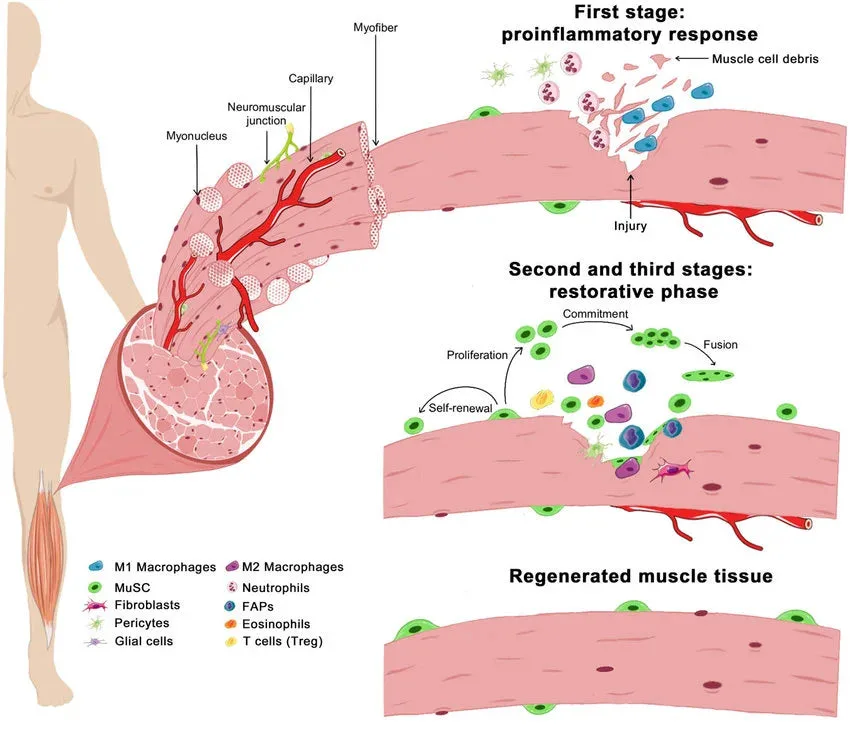
Image source: Bing (Web (fair-use with source credit))
Muscle protein synthesis is the specific metabolic process that facilitates this repair. Without downtime, your body cannot complete this phase, leading to stalled growth or injury. If you’re using reliable equipment for building size, you must respect this biological timeline.
| Phase | Recovery Requirement | Physiological Goal |
|---|---|---|
| Immediate | Glucose and amino acids | Replenish glycogen and initiate repair |
| Intermediate | Sleep and light movement | Hormonal regulation and inflammation control |
| Long-term | Deload weeks | Total systemic and CNS recovery |
The Hierarchy of Recovery: Sleep, Nutrition, and Training Load
Sleep stands at the top of the recovery hierarchy because it’s when your body releases growth hormones. A consistent sleep schedule is non-negotiable for anyone serious about their performance. You’ll notice better focus and power output when you prioritize your rest architecture.
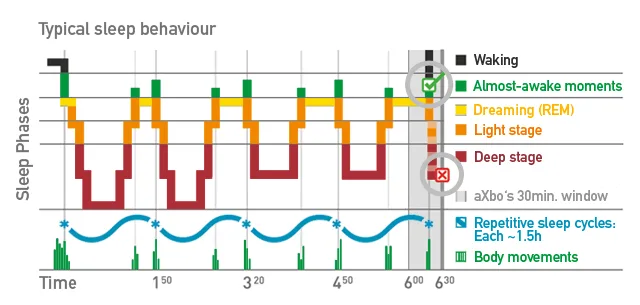
Image source: Web (Bing) / pinterest.ca (Web image (fair-use with source credit))
Nutrition provides the literal building blocks for repair. According to the National Institutes of Health, maintaining a consistent protein intake is essential for repairing damaged tissue. Whether you’re working with a versatile iron kit or a dedicated setup, your body needs specific fuel to adapt to the load.
Training load must be managed to ensure you don’t exceed your capacity to recover. If you feel like your progress has stopped, you might need a compact piece of gear that allows for better form control. Recovery isn't just about doing nothing, it's about doing the right things to support your fundamental strength building.
Managing Systemic Fatigue and Central Nervous System (CNS) Health
Systemic fatigue occurs when your entire body, not just a specific muscle group, feels exhausted. This often stems from high-intensity work that stresses your central nervous system beyond its current threshold. When your CNS is fried, your reaction time slows and your strength numbers drop.
If you’ve been focusing on a challenging powerlifting routine, you need to recognize the signs of CNS burnout. This includes irritability, poor sleep quality, and a higher resting heart rate. You can’t train through this; you have to train around it.
Deloading is the most effective tool to manage systemic fatigue. By reducing your total volume for one week, you allow your nervous system to catch up. Many athletes find that using high-quality starter equipment helps them keep their training manageable without causing excessive CNS strain.
Practical Strategies for Post-Workout Recovery and Tissue Repair
Active recovery is one of the most underrated strategies for flushing metabolic waste from your system. A twenty-minute walk or a light cycle session increases blood flow to muscles without adding significant stress. This movement helps keep your joints lubricated and improves overall mobility.
Strategic nutrient timing helps, but don't obsess over the minute-by-minute windows. Focus on getting a balanced meal containing protein and carbohydrates within two hours of finishing your session. This ensures your muscles have the glycogen and amino acids they need for immediate recovery.
Hydration is just as vital as food for transporting these nutrients throughout your body. Aim to drink water consistently throughout the day rather than chugging a gallon right before bed. If you’re utilizing a dependable home weight set for your sessions, keep a water bottle nearby to stay topped off.
Recognizing the Red Flags: When to Rest and When to Seek Help
Your body will give you signals when it’s struggling to recover. Persistent joint pain is a major red flag that indicates either poor form or too much frequency. You should never try to lift through sharp, shooting pain in the tendons or joints.
If you notice that your strength has declined for two consecutive weeks, you’re likely overtraining. This is the time to take a full break or significantly reduce your training volume. Ignoring these signs can lead to severe injury, which will keep you away from the gym for months.
Extreme soreness that lasts more than three or four days is another warning sign. While some discomfort is normal, significant pain that prevents normal movement requires immediate rest. Listen to your body, as it’s the best indicator of your true recovery status.
Common Mistakes That Sabotage Your Training Gains
The most frequent mistake lifters make is neglecting the rest part of their routine. Many people treat their rest days as optional, filling them with high-intensity cardio or extra chores that prevent systemic recovery. Your muscles cannot repair themselves if you are constantly burning through your available energy reserves.
Another trap is failing to eat enough protein to support the repair process. Research indicates that muscle protein synthesis requires a steady supply of amino acids throughout the day. Skipping breakfast or relying on refined snacks instead of high-protein meals forces your body to break down existing muscle tissue for fuel.
Overtraining is often mistaken for a lack of discipline. If you find yourself adding extra sets or intensity because you feel your progress is too slow, you’re likely doing the opposite of what you need. A structured approach using a high-quality set of plates should always include built-in rest periods.
Finally, relying on supplements to mask poor sleep or low calorie intake is a losing strategy. Supplements like whey protein or creatine are only effective when your fundamental recovery habits are already in place. Focus on your real-world plate and your pillow before spending money on powders or pills.
Frequently Asked Questions About Strength Training Recovery
How long should I rest between workouts for the same muscle group?
You should aim for at least 48 hours before training the same muscle group again. This period allows the initial inflammatory response to subside and gives your body time to initiate muscle protein synthesis. Training too frequently often results in diminishing returns because you aren’t allowing enough time for tissue remodeling.
Does cold therapy or icing help with recovery?
Cold therapy, such as ice baths, is debated in exercise physiology because it can dampen the inflammatory signals that trigger muscle growth. While it might help with temporary pain management after an exceptionally grueling session, chronic use may interfere with long-term adaptation. Use ice only when you need to manage acute pain rather than as a standard post-workout routine.
Is it normal to feel sore every single time I train?
Feeling sore occasionally is common, but you shouldn't be debilitated by pain every time you exercise. Significant, lingering muscle soreness often indicates that your training volume is higher than your current recovery capacity. Try reducing your total set count or lowering the weight slightly until your body adapts to the current stimulus.
Can I drink alcohol after a workout?
Alcohol negatively impacts your recovery by inhibiting muscle protein synthesis and disrupting sleep quality. It acts as a diuretic, which hinders hydration, and interferes with your body's ability to restore glycogen stores. If you want to maximize your training outcomes, avoid alcohol in the immediate window following a heavy session.
How do I know if my deload week is working?
A successful deload week should leave you feeling refreshed and eager to get back to your regular training intensity. You’ll notice your lifts feel smoother, your heart rate remains lower, and your nagging aches or joint discomfort begin to fade. If you still feel exhausted after five to seven days of reduced volume, you may need a longer period of complete physical rest.