If you are hitting the weights hard and wondering how much rest do muscles need after training, you aren't alone. Balancing intensity with recovery is the secret to seeing real progress instead of just feeling drained every day.
Most experts suggest a window of 48 to 72 hours for heavy, high-intensity compound movements. As of 2026, research from the National Strength and Conditioning Association confirms that individual recovery rates depend heavily on your training volume and overall health.
Today's Exclusive Deals
Limited-time Exclusive Deals. Check current discount on Amazon.
Check Price on Amazon As an Amazon Associate I earn from qualifying purchases.Quick Answer
Muscles typically need 48 to 72 hours of recovery after heavy training. Small isolation movements may only require 24 hours of rest. You should prioritize sleep to maximize muscle protein synthesis rates.
Proper nutrition also speeds up the total recovery process. Avoid training the same muscle group until soreness subsides significantly.
Why Your Recovery Strategy Determines Your Gains
Training is merely the stimulus for growth, but the actual tissue remodeling happens while you rest. If you constantly interrupt this phase, you are effectively breaking down muscle without giving it a chance to rebuild. This is why a solid recovery plan is just as important as the workout itself.

Image source: Web (Bing) / sleepiverse.com (Web image (fair-use with source credit))
Many people choose a reliable home setup to manage their own recovery schedules more effectively. By controlling your environment, you can better monitor your fatigue levels. When you ignore your body's need for downtime, you risk stagnation.
You might even find that top-rated brewers aren't the only tool needed for a quick morning pick-me-up when your body is truly exhausted.
The Physiology of Muscle Repair: Understanding MPS and CNS Fatigue
Muscle protein synthesis is the process where your body repairs damaged fibers after exercise. When you train, you create micro-tears in the muscle tissue. Your body responds by fusing these fibers back together, which increases muscle mass and strength.
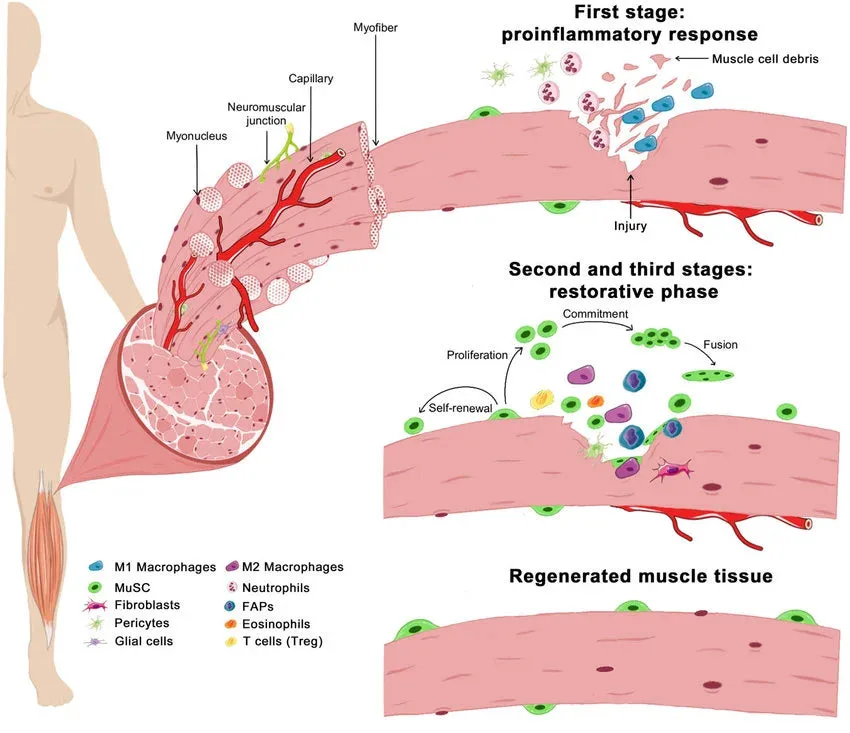
Image source: Web (Bing) / 3x4genetics.com (Web image (fair-use with source credit))
Beyond the muscles, your Central Nervous System (CNS) takes a beating during high-intensity lifting. Unlike local muscle soreness, CNS fatigue feels like general lethargy and a drop in coordination. You can easily track your progress with equipment for full body workouts, but always listen to that heavy feeling in your nerves.
If you feel mentally foggy or weak, your CNS needs extra time.
How Intensity and Training Volume Dictate Your Rest Windows
The amount of work you perform in a single session changes your recovery clock. High-intensity sets that reach failure demand a longer recovery period than moderate, sub-maximal training. You must adjust your routine upkeep based on how much stress you applied to the specific muscle group.
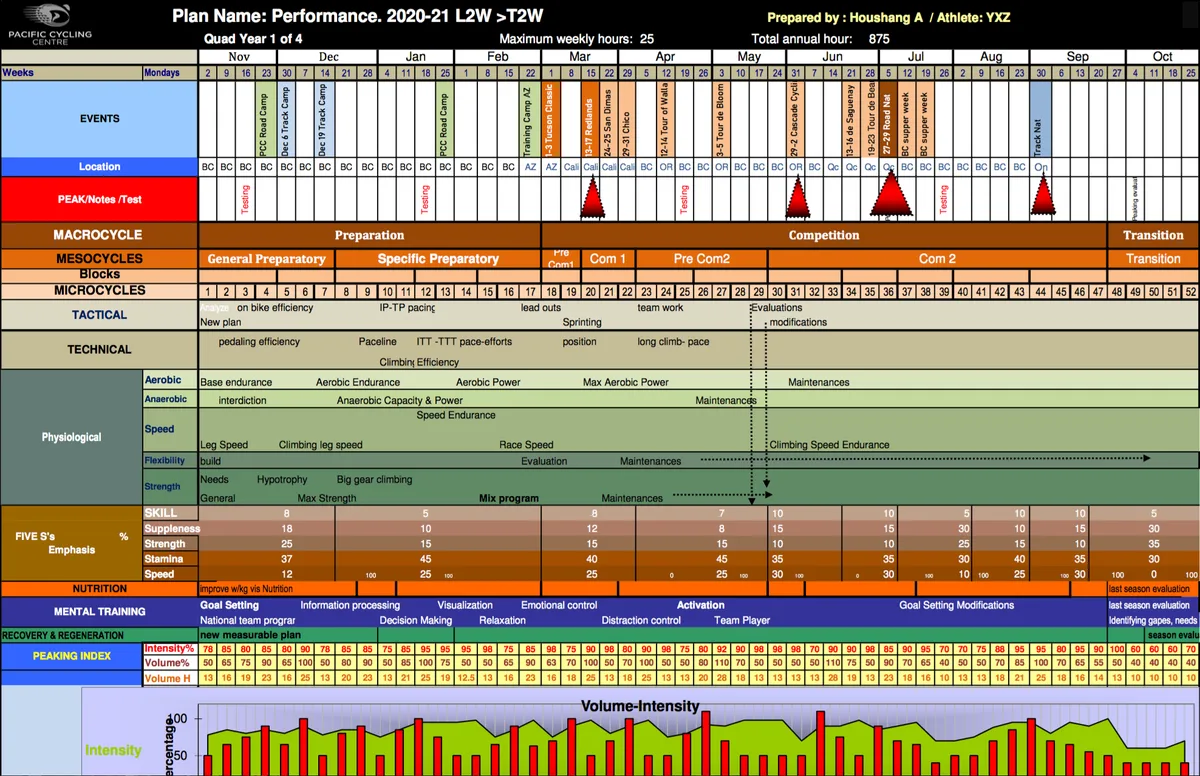
Image source: Web (Bing) / awbrz.cibseashrae.org (Web image (fair-use with source credit))
Consider the specific load you are handling during your strength training sessions. If you are pushing your limits, a full rest day is vital for your joints. However, lighter sessions using compact gear allow for more frequent training.
| Training Intensity | Muscle Groups | Suggested Rest Window |
|---|---|---|
| High (Failure) | Compound | 72 Hours |
| Moderate | Compound | 48 Hours |
| Light | Isolation | 24 Hours |
Practical Signs Your Muscles Are Actually Recovered
You don't need a lab test to know when you are ready to lift again. Pay attention to how your body performs during your daily activities. If you are struggling with basic mobility, your recovery cycle is still in progress.
Check your strength levels as a primary benchmark. If you hit a personal best on olympic lifting gear one day and feel drastically weaker the next, you are not recovered. Proper rest should lead to a feeling of readiness.
When your energy levels are high, your muscles are typically primed for another round of growth.
Smart Strategies for Active Recovery and Nutrient Timing
Active recovery is a form of light movement that keeps blood flowing to the working muscles. It does not mean going for a run or hitting a heavy bag. Instead, try a brisk walk or some light mobility drills to clear out metabolic waste.
Nutrition also plays a huge role in how quickly you bounce back. Professional guidance emphasizes the importance of protein intake and hydration to support tissue repair. You should prioritize high-quality protein sources throughout the day to keep your internal systems functioning at their peak.
Consistency here is just as important as the actual training sessions themselves.
Common Overtraining Mistakes That Stall Your Progress
The most common error is failing to schedule deload weeks, which are periods of reduced intensity designed to let your body fully recover. Many athletes view skipping a session as a failure, but consistent overtraining leads to a plateau that is hard to break. If you notice your performance dropping week after week, you are likely missing your recovery target.
Another mistake is neglecting the difference between local muscle fatigue and systemic nervous system exhaustion. You might feel ready to train your legs, but your entire system is still drained from a massive heavy lifting session two days prior. Using top-quality gear for powerlifting requires you to track your RPE (Rate of Perceived Exertion) honestly.
If your RPE remains high for several sessions in a row, lower the volume immediately.
Ignoring minor aches is a dangerous practice that often turns into a chronic injury. A nagging pain in your shoulder or knee is a signal to modify your movement patterns, not to push through with more weight. Check your setup with reliable barbell equipment to ensure your form isn't compensating for underlying fatigue.
Consistency is the goal, and missing a few days is better than being sidelined for months.
Frequently Asked Questions About Muscle Recovery
Is it okay to train if I am still feeling sore?
Training through mild soreness is usually acceptable, but it requires caution. Avoid high-intensity work on the specifically sore area until the pain subsides to a manageable level. You should focus on light movement or target a different muscle group to allow the damaged tissue time to finalize its repair process.
Does stretching help muscles recover faster?
Light static stretching can improve blood flow and reduce stiffness, but it does not necessarily speed up the biological repair of micro-tears. You should use stretching to improve your range of motion rather than as a primary tool for recovery. Keep the intensity low to avoid creating additional stress on the fibers.
Why do some muscles recover faster than others?
Smaller muscles like your forearms or calves have a different fiber composition and recovery demand than large compound groups like your back or legs. Larger muscles involve more mass and systemic effort, so they take more time to recover. Always scale your rest windows according to the size of the muscle group trained.
How does age affect my recovery needs?
As you get older, your body naturally takes more time to process inflammatory responses and rebuild muscle tissue. You may find that you need to extend your rest periods by 24 hours compared to your younger self. Prioritize high-quality sleep and consistent protein intake to bridge the gap and keep your performance levels steady.
What should I do if I feel burnt out?
If you feel drained, unmotivated, and physically weak, take a full week of complete rest or very light activity. Burnout indicates that your body is in a catabolic state and needs a reset to return to growth. Once you feel refreshed, resume your training at a slightly lower volume to ensure you don't repeat the cycle.