Improve volleyball passing by building strong fundamentals, practicing consistent footwork, controlling your platform, reading the ball early, and repeating quality drills.
Deal
Today's Exclusive Deals
Limited-time Exclusive Deals. Check current discount on Amazon.
Across youth leagues, high school programs, college teams, and recreational volleyball courts in the United States, passing is one of the first skills players must master. A strong pass gives the setter more options and helps a team control the pace of a rally. A weak pass often forces rushed plays and reduces attacking choices.
To improve volleyball passing, players need more than simply keeping the ball in the air. Effective passing combines body position, movement, timing, communication, and repetition. The goal is to create a predictable platform that sends the ball toward the target with control.
This guide explains the mechanics behind a better pass, practical drills for different skill levels, common mistakes, and ways to measure progress without relying on guesswork.
Source: fity.club
Understand What Makes A Good Volleyball Pass
A good volleyball pass sends the ball to a predictable location, usually near the setter’s target area. The passer does not need to hit the ball hard. The main goal is controlled direction and height.
Passing uses the forearms to create a stable platform. The arms guide the ball, while the legs provide most of the power. Many beginners make the mistake of swinging their arms instead of using their lower body.
A successful passer combines balance, awareness, and technique. These skills allow a player to handle serves, attacks, and unexpected balls during a match.
Source: artofit.org
Stable platform
Keep the forearms together and create a flat surface that directs the ball.
Controlled movement
Move your feet first instead of reaching with your arms whenever possible.
Early decision making
Read the ball path quickly so you arrive in a balanced position before contact.
Passing is not only an individual technique. It connects the serve receive group with the setter and attackers. A consistent passer gives the entire team more time and better options.
Players who communicate clearly and understand court responsibility usually make fewer passing mistakes because they avoid hesitation.
Communication
Calling the ball early helps teammates know who will make the pass.
Build The Correct Volleyball Passing Position
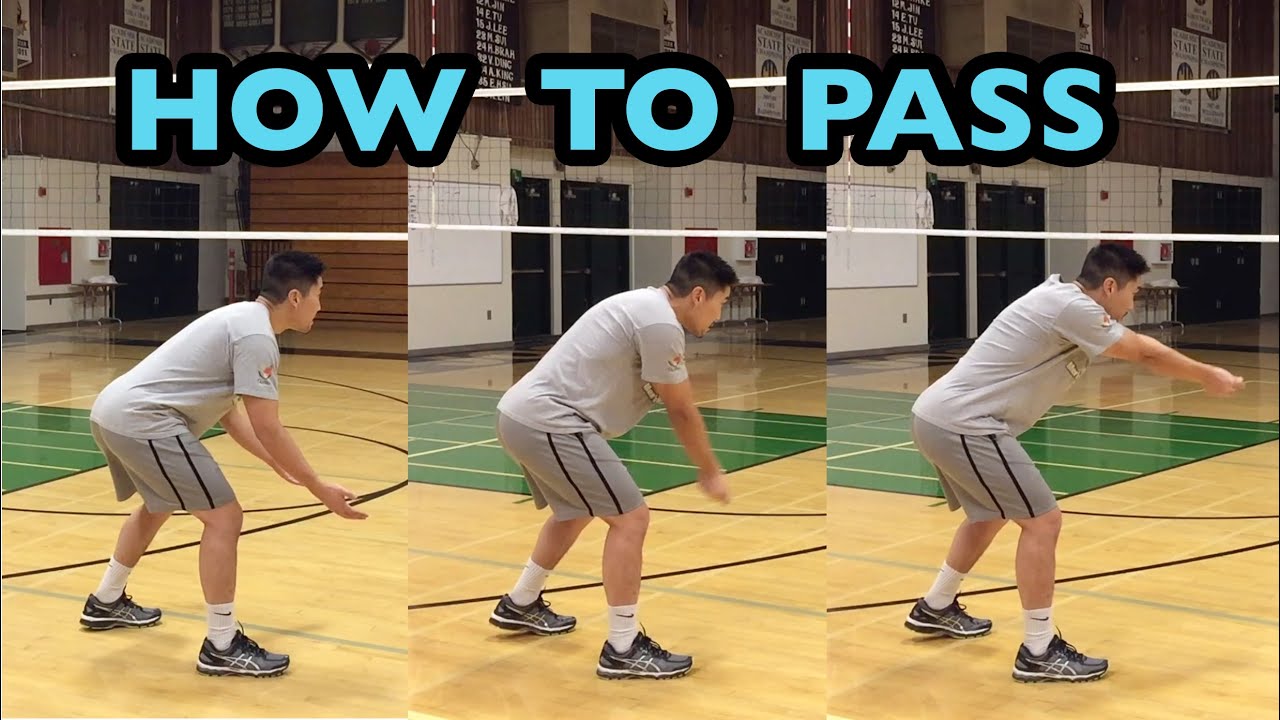
The passing stance is the foundation of every successful contact. Start with your feet slightly wider than shoulder width, knees bent, and weight balanced on the front part of your feet.
Your body should remain relaxed but ready to move. A stiff stance makes it harder to react to fast serves or changing ball directions.
Keep your shoulders forward and your eyes focused on the ball. Good posture allows faster movement and cleaner contact.
Source: fity.club
Feet
Keep your feet active so you can move in any direction quickly.
Knees
Bend your knees to create a lower center of balance.
Arms
Create a firm platform before the ball reaches you.
How To Create A Better Passing Platform
Bring your hands together using a comfortable grip and keep your thumbs aligned. The exact hand style can vary, but the forearms should form a consistent surface.
Avoid large arm swings. Small adjustments with the platform angle are usually enough to control direction.
Angle control
Change the angle of your platform to direct the ball rather than forcing it with a swing.
Improve Passing Footwork And Ball Reading
Many passing errors happen before the ball reaches the arms. Poor movement causes players to contact the ball while off balance.
Better passers watch the server or hitter, recognize the ball direction early, and move their feet into position. This creates more time to prepare a controlled pass.
Practice moving without crossing your feet too early. Short, quick steps help maintain balance and allow adjustments before contact.
Source: sportssliders.com
Read the server
Watch body position and contact point to predict the ball path.
Move before reaching
Use your legs to get behind the ball instead of stretching your arms.
Stay balanced
A balanced body position improves passing accuracy.
Simple Footwork Practice
A useful drill is to practice movement without a ball. Start in your defensive stance, move left or right, stop under control, and return to your ready position.
Once movement feels natural, add passing with a partner or coach feeding different types of balls.
Progress slowly
Increase speed only after maintaining proper technique.
Practice Volleyball Passing Drills That Build Consistency
The fastest way to improve passing is through focused repetition. Good drills isolate one skill at a time and provide feedback after each contact.
Players should practice with a clear purpose. Random passing can help match preparation, but controlled drills are useful for fixing specific weaknesses.
Source: wonderofvolleyball.com
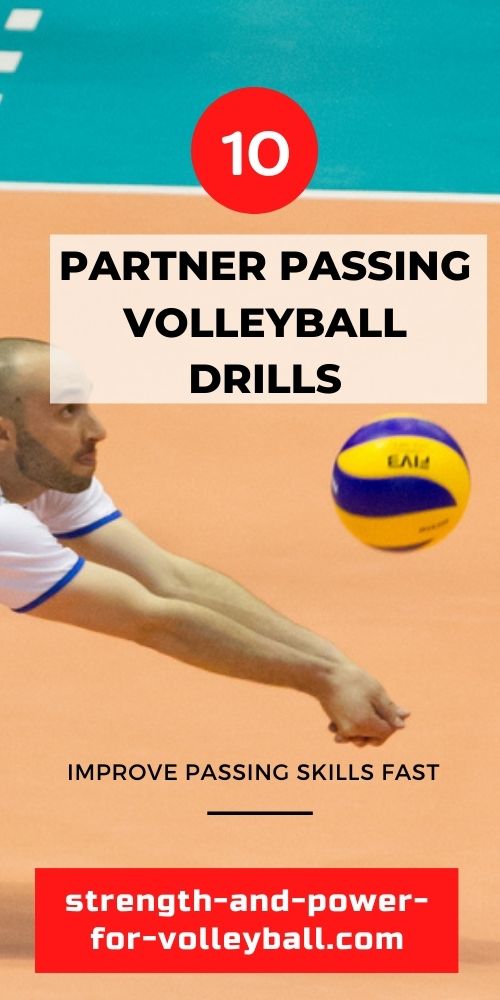
Partner passing drill
Two players pass back and forth while focusing on height, direction, and control.
Wall passing drill
A player uses a wall to practice repeated forearm contacts and consistency.
Serve receive drill
Players practice handling realistic serves and moving into proper position.
How To Know If Your Passing Is Improving
Progress appears through more controlled passes, fewer emergency movements, and better ability to send the ball toward the target area.
Players can track improvement by counting successful passes during practice and noting whether errors come from technique, movement, or decision making.
Better consistency
The ball reaches similar locations more often.
Fix Common Volleyball Passing Mistakes
Most passing problems come from a small number of repeated habits. Identifying the cause makes correction easier.
Players should avoid changing too many things at once. Focus on one adjustment, practice it consistently, and then add the next improvement.
Source: artofit.org
Swinging the arms
Use the legs and platform angle instead of a large arm motion.
Standing too tall
A lower stance improves reaction time and balance.
Watching the target too early
Track the ball until contact before looking toward the setter.
If passes continue missing the target, slow the drill down and check the basics. Confirm that your feet, platform, and contact point are consistent.
A coach or teammate can provide useful feedback because players often cannot see their own movement errors during fast actions.
Reset fundamentals
Return to simple passing drills before increasing difficulty.
Frequently Asked Questions
Q
How long does it take to improve volleyball passing?
Improvement depends on practice quality, experience level, and consistency. Players who practice correct technique regularly often notice better control before they develop advanced match skills.
Q
Why do my volleyball passes go too far?
Passes often travel too far when the platform angle sends the ball upward too strongly or when the player adds too much arm movement. Adjusting the platform and reducing unnecessary motion can help.
Q
Should I use my arms or legs when passing?
Both are involved, but the legs create much of the movement and power. The arms mainly provide a stable platform and direction.
Q
What is the best drill for beginner volleyball passing?
Simple partner passing and controlled wall passing drills are useful because beginners can focus on repeated contact and technique.
Q
How can I pass better under pressure?
Practice realistic game situations, improve communication, and focus on staying balanced instead of trying to make perfect passes every time.
✦ Wrapping Up
Conclusion
Improving volleyball passing requires strong fundamentals, smart movement, and regular practice. A reliable pass starts before contact with proper positioning and preparation.
Players who focus on quality repetitions, correct mistakes, and build confidence through drills can develop better control in both practice and competition.
💡 Key Takeaway
Start with your passing stance, practice controlled contacts every day, and measure progress by consistency rather than perfection.