The best way to improve volleyball spiking is to build strong approach footwork, improve jump timing, create efficient arm movement, contact the ball high, and practice controlled attacks regularly.
Deal
Today's Exclusive Deals
Limited-time Exclusive Deals. Check current discount on Amazon.
In the United States, volleyball players at schools, clubs, colleges, and recreational leagues often look for ways to hit harder and score more points at the net. A powerful spike is not only about strength. It depends on timing, body control, technique, and the ability to read the play before attacking the ball.
Improving a volleyball spike requires a step-by-step approach. Players need to learn the full movement pattern, from the approach and jump to arm swing, contact, and landing. A player who develops consistent mechanics can usually attack with more accuracy while reducing unnecessary strain on the body.
Source: i.ytimg.com
Understand The Mechanics Of A Volleyball Spike
A volleyball spike is an attacking hit where a player jumps and drives the ball downward into the opponent’s court. The movement combines several actions: approach steps, jump, arm preparation, contact, follow-through, and landing. Each part affects the next part, so a mistake early in the motion can reduce power later.
Many players try to improve their spike by swinging their arm harder. This often creates inconsistent results because the spike depends on the entire kinetic chain. The legs create upward force, the core transfers energy, and the shoulder and arm guide the final speed and direction of the ball.
Source: jessjandellief.wordpress.com
Approach
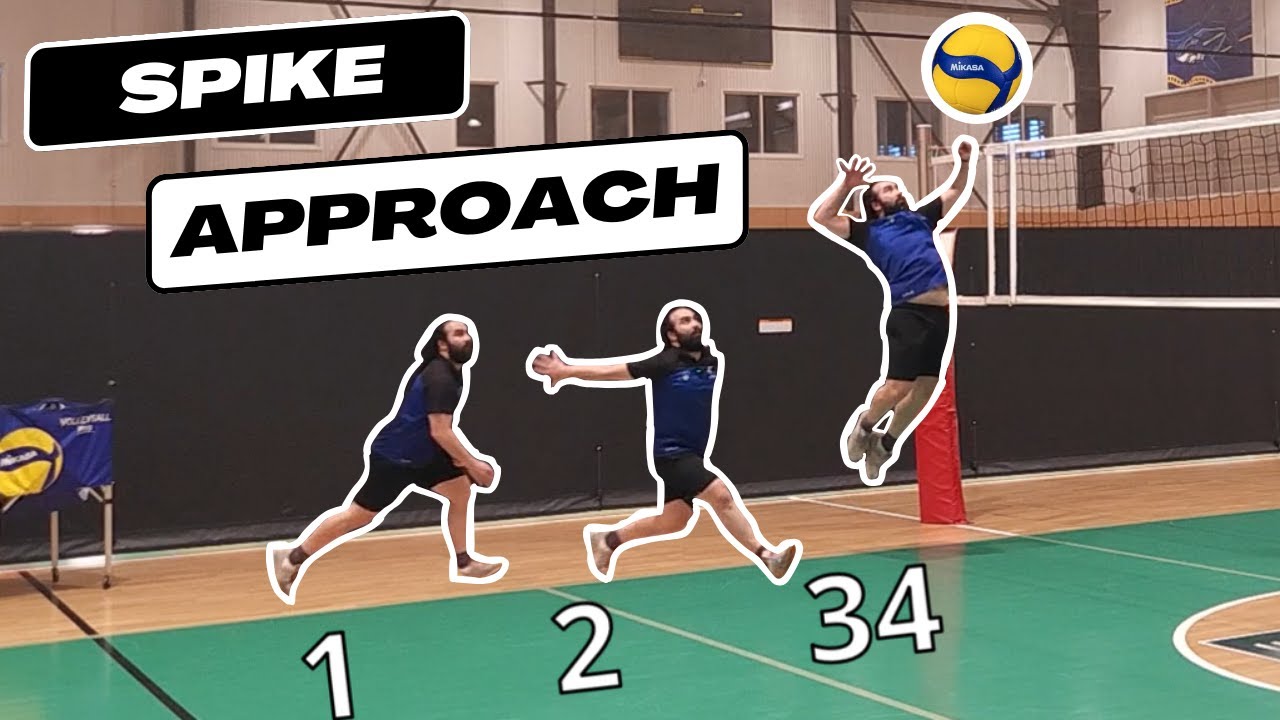
The approach creates momentum before the jump. A controlled three-step or four-step approach helps the player reach a higher and more balanced hitting position.
Jump
A good jump uses the legs and arms together. Bending the knees and driving upward helps produce force without relying only on the upper body.
Contact
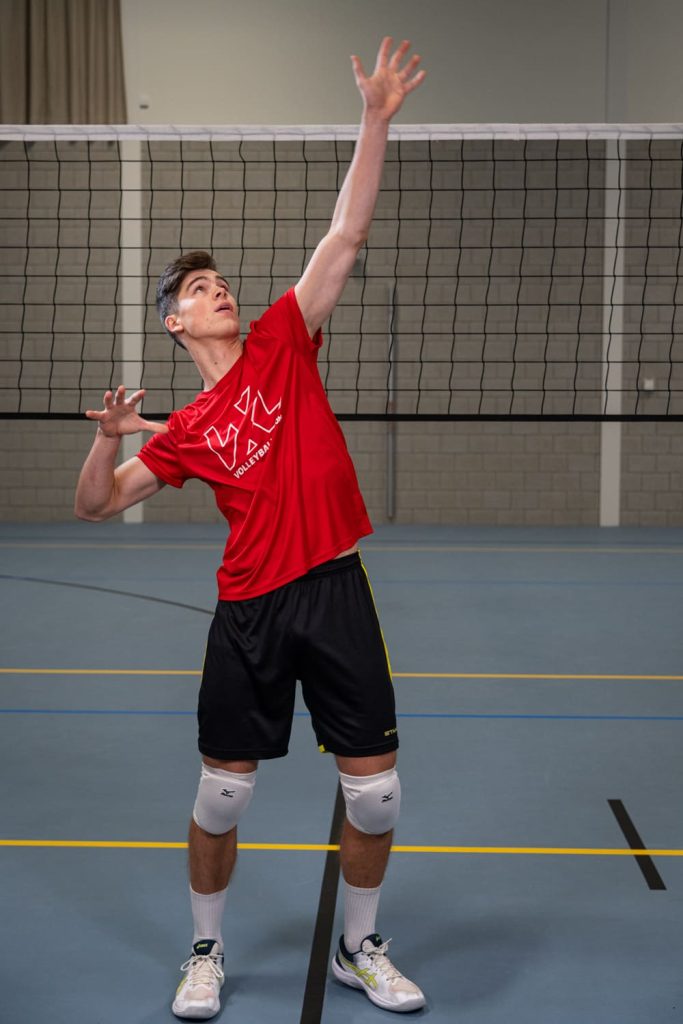
The ideal contact point is high and slightly in front of the hitting shoulder. This position gives players more control over direction and power.
Why Timing Matters More Than Raw Power
Timing separates effective hitters from players who only hit hard during practice. A player who jumps too early may contact the ball while falling. A player who jumps too late may reach the ball below the best hitting point.
Good timing means matching the approach and jump with the setter’s ball location. Players should watch the ball’s path and adjust their final steps instead of committing to the same timing every time.
Success sign
The player consistently contacts the ball at the top of the jump and can aim attacks instead of simply sending the ball over the net.
Better footwork is one of the fastest ways to improve volleyball spiking. The approach should create speed while keeping the player under control. Most hitters use a three-step or four-step approach, depending on position and personal style.
For right-handed hitters, a common pattern is left-right-left before takeoff. Left-handed hitters often use the opposite pattern. The final steps should be quick and strong because they prepare the body for the vertical jump.
Source: i.pinimg.com
Start with rhythm
Practice the approach without a ball first. The goal is to make the steps automatic before adding the pressure of a live set.
Use the arms
Swinging the arms backward and then upward during the jump can help create momentum and improve body coordination.
Stay balanced
Avoid drifting too far forward or backward during takeoff because balance affects contact quality and landing safety.
Approach Drill For Better Spikes
A simple drill is to repeat approach jumps from different positions near the net. Focus on the last two steps, explosive takeoff, and a controlled landing. This drill builds movement habits before adding full attacks.
When the approach becomes consistent, add a tossed ball or setter feed. Increase speed only after the player can maintain correct body position.
Practice goal
Create a repeatable movement pattern that allows the hitter to focus on the ball instead of thinking about every step.
Develop A Faster And More Controlled Arm Swing
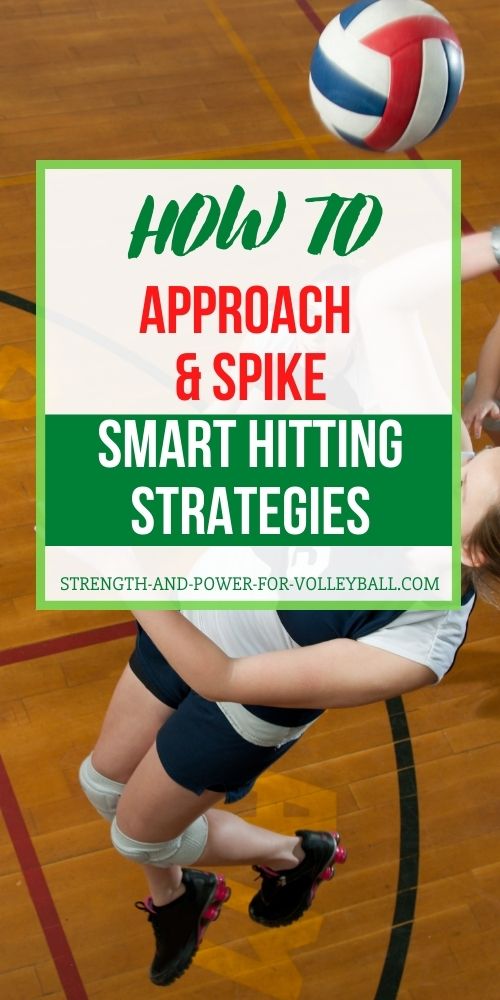
A powerful arm swing comes from proper sequence, not from forcing the shoulder forward. The hitter should prepare the arm during the jump, rotate the body, and snap through the ball with a quick motion.
The hitting arm usually moves from a loaded position behind the body into a fast forward swing. The wrist action at contact can help create downward movement and control, but players should avoid excessive wrist movement that reduces consistency.
Source: strength-and-power-for-volleyball.com
Relax the arm
A tense arm often moves slower. Staying loose before contact allows a faster and smoother swing.
Use the whole body
The shoulder, torso, hips, and legs should work together to transfer energy into the attack.
Finish the motion
A complete follow-through helps control the direction of the hit and keeps the movement natural.
Common Arm Swing Problems
Many developing players drop their elbow, contact the ball too low, or swing only with the arm. These habits can limit power and make attacks easier for defenders to read.
Video review can help players identify mechanical issues. Recording practice from the side can show whether the hitter reaches high enough and maintains proper body alignment.
Correction method
Fix one movement issue at a time instead of changing the entire technique during one practice session.
Consistent practice is necessary because volleyball spiking combines many skills at once. The best drills isolate specific parts of the movement and then combine them into game situations.
Players should practice both power and placement. A successful hitter does not only hit hard. They also learn to attack open areas, change direction, and adjust when the block or defense changes.
Source: i.ytimg.com
Toss and hit drill
A partner tosses the ball high while the hitter focuses on approach, jump, and contact mechanics.
Players aim at specific court areas to improve accuracy and attacking decisions.
Block awareness drill
Hitters practice seeing the block and choosing shots instead of attacking blindly.
How Often Should You Practice Spiking
Practice frequency depends on age, training schedule, and physical condition. Short, focused sessions are often more useful than occasional long sessions because volleyball skills improve through repeated quality movements.
Players should include rest and recovery because jumping repeatedly places stress on the legs, ankles, and shoulders.
Signs of improvement
Better timing, more consistent contact, improved accuracy, and fewer unforced hitting errors show that training is working.
Avoid Common Volleyball Spiking Mistakes
Many players struggle with spiking because they repeat small technical errors. Fixing these errors can improve performance without requiring more strength training.
Players should also understand that jumping and hitting technique develops gradually. Trying to copy advanced hitters without building basic movement skills can create poor habits.
Source: volleyballhubpro.com
Jumping too early
Early jumps cause poor contact because the hitter reaches the ball before the ideal point.
Watching only the ball
Good hitters watch the play develop and prepare their movement before the ball arrives.
Ignoring landing technique
Landing with control helps protect the knees and ankles during repeated jumping.
What To Do If Your Spike Is Not Improving
If progress stops, review the basics. Check approach timing, contact height, and whether the ball is being attacked in front of the body. Small technical changes often create bigger improvements than simply increasing practice volume.
Players may also benefit from feedback from a coach or experienced teammate who can observe movement patterns that are difficult to notice alone.
Next step
Return to simple drills, correct one issue, and slowly add game speed again.
Build Athletic Ability To Support Better Spiking
Volleyball spiking improves when technical practice is supported by general athletic development. Strong legs, stable core muscles, mobility, and coordination can help players perform repeated jumps and maintain control.
Strength training should match the player’s age and experience. Younger athletes should focus on movement quality and safe technique rather than lifting heavy loads without proper guidance.
Lower-body strength and explosive movement can support higher jumps when combined with proper volleyball technique.
Mobility
Good mobility helps players move through a full range of motion during approach, jump, and arm swing.
Recovery
Rest, sleep, hydration, and proper warm-ups help athletes train consistently.
Safety Considerations For Frequent Spiking Practice
Repeated jumping and hitting can create overuse stress if players increase training too quickly. Pain that continues, affects movement, or worsens with practice should be evaluated by a qualified health professional.
A proper warm-up, gradual workload increases, and attention to technique are practical ways to reduce unnecessary risk.
Warning sign
Persistent joint pain, swelling, or reduced ability to move normally requires attention rather than pushing through the problem.
Frequently Asked Questions
Q
How long does it take to improve volleyball spiking?
Improvement time depends on current skill level, practice quality, athletic ability, and coaching feedback. Beginners may notice better control after regular practice, while advanced players often focus on small timing and technique improvements over longer periods.
Q
How can I spike harder in volleyball?
Hitting harder comes from better timing, stronger approach mechanics, higher contact, and efficient energy transfer. Swinging harder with only the arm is usually less effective than improving the full movement pattern.
Q
Why do my volleyball spikes go into the net?
Spikes often go into the net when contact happens too low, the approach timing is incorrect, or the player does not create enough upward movement before attacking. Practicing high contact points can help.
Q
Should beginners practice power or accuracy first?
Beginners should usually build accuracy and consistent mechanics first. A controlled spike with good placement is more useful than an unpredictable powerful hit.
Q
Can strength training improve volleyball spiking?
Strength training can support jumping ability and body control, but it works best when combined with volleyball-specific skill practice. Technique remains a major factor in effective spiking.
✦ Wrapping Up
Conclusion
Improving volleyball spiking requires a combination of technique, timing, practice, and physical preparation. The strongest hitters are not always the players who swing the hardest. They are often the players who move efficiently, contact the ball well, and make smart attacking choices.
A consistent approach, high contact point, controlled arm swing, and focused drills create the foundation for better spikes. Players who practice these skills patiently can develop more confidence and effectiveness at the net.
💡 Key Takeaway
Start with your approach and timing, practice quality repetitions, record your technique when possible, and improve one spiking skill at a time.