Golfers across the United States, from public courses in Florida to championship layouts in California and local clubs throughout the country, often look for the same improvement: hitting more shots toward the intended target. Accuracy does not come from swinging harder. It comes from controlling the parts of the swing that decide where the ball starts and how it curves.
Improving golf accuracy requires attention to setup, grip, ball position, swing path, clubface control, and decision-making on the course. A golfer who understands these factors can reduce missed shots, manage common mistakes, and practice more effectively instead of simply hitting more balls without a plan.
Source: golfnio.com
Understand What Golf Accuracy Really Means
Golf accuracy is the ability to consistently send the ball toward a chosen target with predictable distance and direction. It does not mean every shot must land beside the hole. Even skilled players miss targets, but they control where their misses go.
Two main factors influence accuracy: starting direction and ball flight. The clubface position at impact strongly affects the starting direction, while the relationship between the clubface and swing path influences the curve of the shot.
A golfer who understands these factors can diagnose problems more clearly. Instead of saying a shot was simply bad, they can identify whether the issue came from alignment, contact, swing path, or clubface control.
Source: thefrisky.com
Starting Direction
The initial direction of the ball is largely influenced by the clubface angle at impact.
Ball Curve
The difference between the clubface direction and swing path affects whether the ball fades, draws, slices, or hooks.
Distance Control
Choosing the correct club and controlling swing speed helps prevent long and short misses.
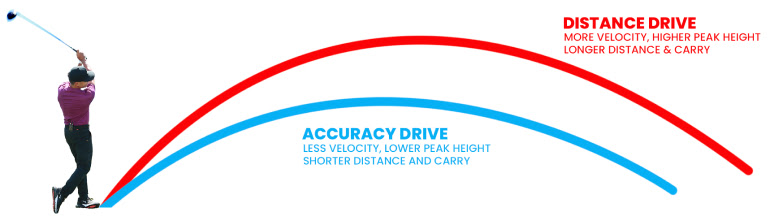
Many golfers try to improve by adding more power, but extra speed can increase mistakes when control is lost. A shorter shot that stays in play often creates a better scoring opportunity than a longer shot that finishes in trouble.
Accuracy helps golfers avoid hazards, reduce penalty strokes, and create easier approach shots. Distance can be valuable, but reliable direction usually creates more consistent results.
Better Position
Keeping the ball in playable areas gives golfers more options for the next shot.
Improve Your Golf Setup Before Changing Your Swing
A consistent setup gives the swing a reliable starting point. Many accuracy problems begin before the club moves because the golfer is aimed incorrectly or positioned differently from one shot to another.
Before making technical swing changes, check your grip, stance, posture, alignment, and ball position. These basics influence the entire motion and are often easier to correct.
Source: performancegolf.com
Check Alignment
Pick a target, choose an intermediate spot a few feet in front of the ball, and align the clubface before setting your feet.
Maintain Consistent Ball Position
Moving the ball too far forward or backward can change contact quality and launch direction.
Create Balanced Posture
Athletic posture helps golfers make repeatable swings with better control.
Use Aiming Practice To Build Better Habits
Aiming is a skill that improves with repetition. Many golfers look at the target but do not build a consistent routine for getting aligned.
Practice by placing alignment aids on the ground during training sessions. The goal is not to depend on them forever but to develop awareness of correct body and club positioning.
Pre-Shot Routine
Use the same steps before each shot to reduce inconsistency caused by rushing.
Build A More Consistent Golf Swing
A repeatable swing is one of the strongest foundations for better accuracy. Consistency does not require a perfect professional swing. It requires movements that you can repeat under normal playing conditions.
Focus on solid contact and balanced movement before trying to create maximum speed. A controlled swing often produces more predictable results because the clubface returns to impact more consistently.
A smooth rhythm helps prevent rushed movements that can change the swing path.
Finish In Balance
A balanced finish is a useful sign that your weight transfer and body movement were controlled.
Practice Contact Quality
Center strikes usually create more predictable ball flights than mishits.
Practice Swing Path And Clubface Control
The clubface and swing path work together to determine the ball flight. Golfers who understand this relationship can make better adjustments instead of guessing.
If shots consistently curve in one direction, review the clubface position and swing path rather than immediately changing everything in the swing.
Use Feedback
Video, launch monitors, or instruction from a qualified golf professional can help identify patterns.
Practice Golf Accuracy With A Purpose
Effective practice focuses on specific goals. Hitting dozens of balls without a target may improve comfort, but it does not always improve decision-making or accuracy.
Good practice sessions include a target, a routine, and a way to measure progress. This makes practice closer to the conditions golfers face on the course.
Source: elitegolfofaz.com
Target Practice
Choose specific landing areas instead of simply trying to hit the ball straight.
Random Practice
Change clubs, targets, and shot types to develop skills that transfer to real rounds.
Pressure Practice
Create situations where each shot has a clear goal to improve focus.
Simple Accuracy Drill
Choose a target area on the range and hit a series of shots while following your normal routine. Track where the balls finish rather than only judging the best shot.
The goal is to create a predictable pattern. Knowing your common miss allows you to make smarter decisions during a round.
Measure Patterns
Look for repeated tendencies instead of focusing on one perfect or poor shot.
Use Course Management To Improve Accuracy Scores
Golf accuracy is not only a swing skill. The choices made before each shot can reduce unnecessary mistakes. Good course management means selecting targets and clubs based on the situation.
A smart strategy considers hazards, personal shot patterns, weather conditions, and confidence level. Playing toward safe areas can often lead to better scores than always attacking difficult targets.
Source: bestgolftutorial.com
Choose Realistic Targets
Aim for areas that provide a good next shot, not only the most aggressive location.
Know Your Miss
Understanding your common mistake helps you avoid dangerous areas.
Select The Right Club
The longest club is not always the best option when accuracy is the priority.
Many golfers lose accuracy because they make changes without identifying the real cause. Frequent adjustments can prevent the development of a reliable swing pattern.
Improvement usually comes from small, consistent changes rather than constantly searching for a new technique.
Avoid Over-Swinging
Trying to hit harder can reduce control and change impact conditions.
Avoid Ignoring Alignment
A good swing aimed incorrectly will still produce an inaccurate result.
Frequently Asked Questions
Q
How long does it take to improve golf accuracy?
The timeline depends on current skill level, practice quality, and consistency. Some golfers notice improvement quickly after fixing alignment or setup issues, while swing changes may require longer practice.
Q
Does hitting more golf balls improve accuracy?
More practice can help, but only when the practice has a clear purpose. Repeating poor habits can make mistakes more consistent, so focus on quality feedback and specific goals.
Q
Why do my golf shots go left or right?
Shots often miss because of clubface angle, swing path, alignment, or inconsistent contact. Finding the repeated pattern is the first step toward correction.
Q
Should I focus on distance or accuracy first?
Most golfers benefit from building control first. A consistent swing creates a better foundation for adding speed without losing direction.
Q
Can golf equipment improve accuracy?
Equipment that properly matches a golfer’s ability and swing can help, but it cannot replace good fundamentals. Technique and decision-making remain major factors.
✦ Wrapping Up
Conclusion
Improving golf accuracy starts with control. A reliable setup, repeatable swing, smart practice, and better course decisions work together to help golfers hit more predictable shots.
The most effective improvement plan is usually simple: identify your common miss, practice with a clear target, and make one useful adjustment at a time. Accuracy grows through consistency, not through chasing perfect shots.
💡 Key Takeaway
Start your next practice session by choosing a target, using your normal routine, and tracking your shot pattern so you can improve the part of your game that needs the most attention.