
Learning how to create a strength training program is the single most effective way to build muscle, improve bone density, and enhance your daily movement. Many people fall into the trap of doing random exercises they see on social media, but real progress requires a structured, repeatable plan.
The most successful programs are built on consistency rather than extreme intensity. As of 2026, the American College of Sports Medicine recommends that adults engage in resistance training at least two days per week to support long-term physiological health. By prioritizing simple, repeatable movements, you can create a routine that lasts a lifetime.

Today's Exclusive Deals
Limited-time Exclusive Deals. Check current discount on Amazon.
Check Price on Amazon As an Amazon Associate I earn from qualifying purchases.
Image source: Bing (Web (fair-use with source credit))
Quick Answer
You create a strength training program by selecting compound exercises. Perform three sets of eight to twelve repetitions per movement. Train each muscle group two to three times weekly.
Increase the weight or reps slightly every training session. Consistency over several months produces the best results for muscle growth.
Why Your Approach to Strength Training Determines Your Longevity
Strength training acts as a foundational pillar for your physical health. Beyond just aesthetic changes, it increases bone mineral density and stabilizes your joints against the stresses of aging. When you approach training with a long-term mindset, you avoid the common burnout associated with intense, short-term fads.
A well-structured program allows for steady, predictable progress. If you are starting out, durable gear for new lifters can provide the stability you need to learn proper form safely. Research published by the National Strength and Conditioning Association emphasizes that long-term adaptation occurs only when you consistently challenge your muscles through planned, incremental stress.
Focusing on longevity means your routine must be sustainable. If you cannot see yourself performing your current workout for the next three years, it is likely too complicated. Keep your sessions efficient to ensure you hit your goals without sacrificing your recovery time.
The Pillars of a Sustainable Strength Program
A sustainable program rests on three main pillars: movement patterns, progressive load, and adequate recovery. Most people struggle because they focus on isolation movements, like bicep curls, instead of foundational patterns that engage the entire body. By organizing your full body equipment options around these patterns, you maximize the efficiency of every minute you spend in the gym.
| Pillar | Focus | Goal |
|---|---|---|
| Movement | Patterns | Quality over quantity |
| Loading | Progressive | Consistent small gains |
| Recovery | Rest | Tissue repair and growth |
Your program should prioritize movements that mimic human function. Think about how you sit, stand, push, and pull items in real life. When you align your training with these basic biomechanical actions, you build strength that transfers directly to your everyday life.
Establishing Your Foundational Movement Patterns
Foundational movement patterns are the specific types of motion your body is designed to execute. Instead of thinking about "chest day" or "leg day," think about patterns like the squat, hinge, push, pull, and carry. You should aim to include one exercise from each of these categories in your weekly routine.
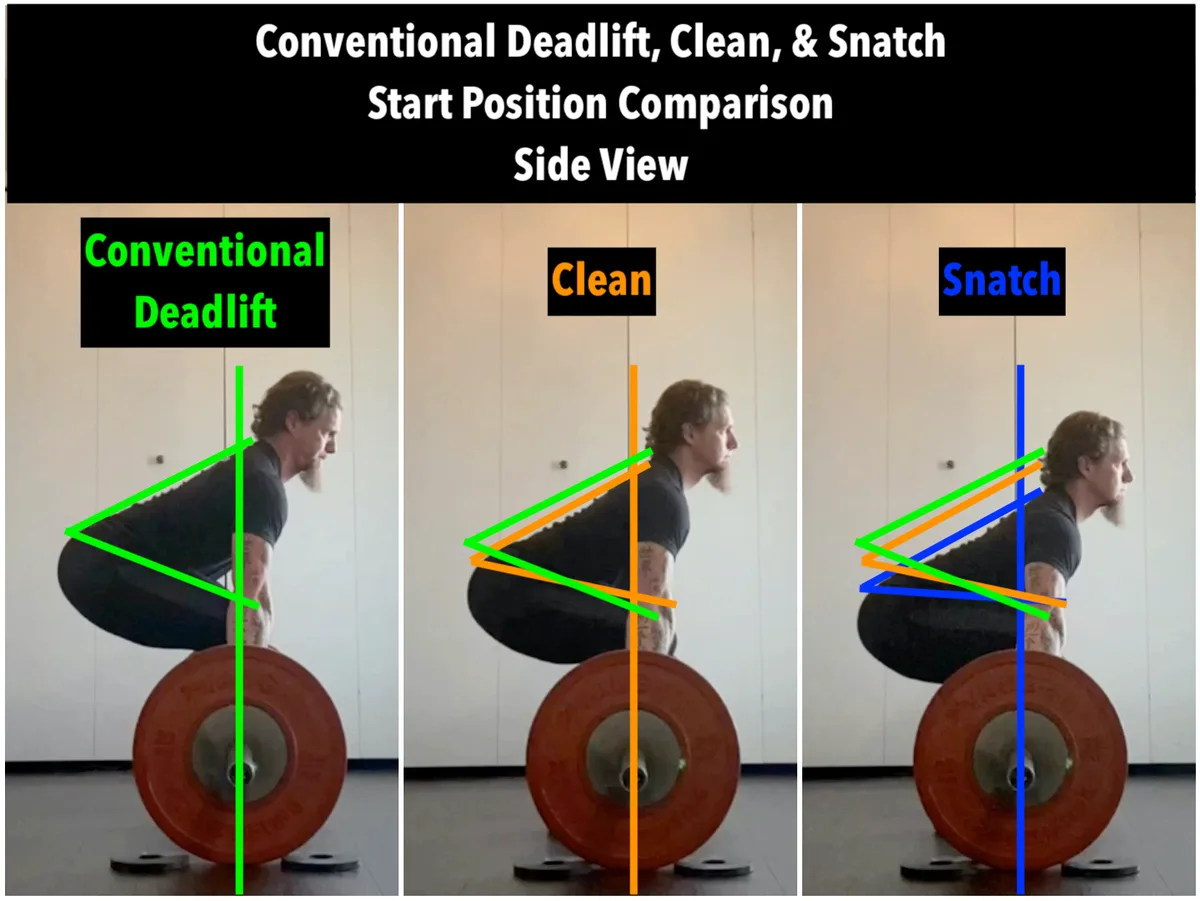
Image source: Web (Bing) / pinterest.com (Web image (fair-use with source credit))
- Squatting: Any movement where your knees bend while your hips drop.
- Hinging: Movements involving hip extension, such as deadlifts, which build posterior strength.
- Pushing: Horizontal or vertical movements like bench presses or overhead presses.
- Pulling: Horizontal rows or vertical pulls that strengthen your upper back.
- Carrying: Moving while holding a load, which builds stability and core strength.
If you are setting up a space at home, versatile sets for tight areas often work best to cover these patterns without cluttering your floor. These compound movements allow you to lift more weight, which sends a clearer signal to your body to get stronger. When you master these five patterns, you have built the base for a complete program.
Executing Progressive Overload Without Increasing Injury Risk
Progressive overload is the systematic increase of stress on your muscles over time. Without this, your body has no reason to adapt, and you will quickly hit a plateau. The key is to increase your output in small, measurable increments rather than jumping to heavy weights too quickly.
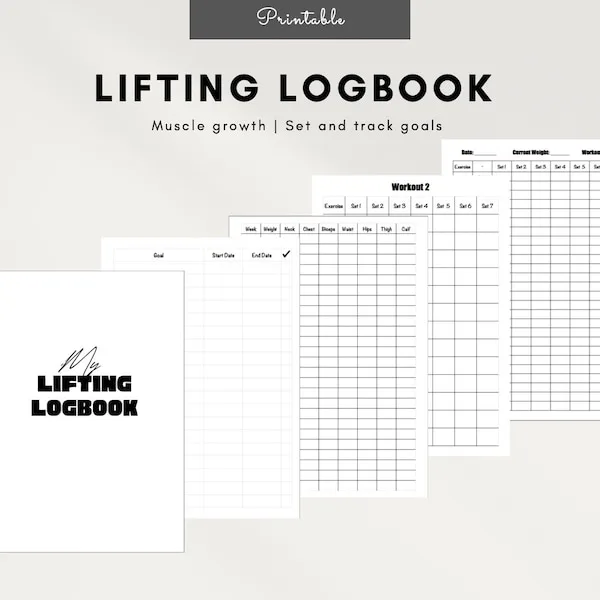
Image source: Bing (Web (fair-use with source credit))
- Weight: Add the smallest possible amount of weight to the bar.
- Repetitions: Aim for one extra repetition compared to your previous session.
- Rest: Slightly reduce your rest intervals while keeping the same weight.
- Form: Refine your technique to make the movement more demanding.
When seeking expert gear for building muscle, remember that the equipment is only a tool for this process. You must track your lifts in a logbook or app to ensure you are actually improving. If you are not logging your sets, you are merely guessing, which is the most common reason for stalled progress.
Scaling Volume and Intensity for Long-Term Adaptation
Volume is the total amount of work you do, typically calculated as sets multiplied by repetitions. As you move from a beginner to an intermediate lifter, you will need to scale this volume to continue seeing results. Start with three sets of eight to twelve repetitions for each movement, as this range is highly effective for building both strength and muscle.
If you are outfitting a dedicated gym space, consider how your equipment allows for these variations. You don't need to change your routine every week. In fact, performing the same core exercises for eight to twelve weeks is often superior for tracking your progress.
Once you have established your base, you can adjust your training intensity. This means working closer to your "reps in reserve," which is a measure of how many more reps you could have physically performed. As you become more advanced, keeping one or two reps in the tank on most sets helps you maintain perfect form while avoiding systemic fatigue.
Navigating Recovery, Deloading, and When to Seek Professional Guidance
Recovery is just as important as the actual training sessions. Your muscles grow during rest, not while you are under the bar. If you ignore signs of fatigue, you risk overtraining syndrome, which can set your progress back by weeks or even months.
A deload week is a planned period of reduced intensity. Every six to eight weeks, drop your weight by 30 percent or reduce your total volume by half. This gives your tendons and central nervous system time to catch up.
If you experience persistent joint pain, sharp sensations, or prolonged lethargy, seek professional guidance. A qualified physical therapist or certified strength coach can identify form issues you might be missing. When you address these red flags early, you prevent long-term injury.
Common Pitfalls That Stall Progress
The most common mistake is skipping the basics in favor of complex isolation movements. You might feel a "pump" in your arms, but if your squat and deadlift are not improving, you are not maximizing your potential. Consistency is hard, but it is the only way to move the needle.
- Ego lifting: Adding weight before you have mastered the technique leads to poor range of motion and increased injury risk.
- Inconsistent tracking: If you do not record your weights and reps, you have no way to ensure you are actually applying progressive overload.
- Ignoring rest days: Your body requires time to synthesize protein and repair muscle tissue after a taxing session.
- Program hopping: Changing your routine every few weeks keeps you from reaching the point of adaptation for any specific movement.
If you struggle with specialized training gear requirements or feel unsure about your technique, do not be afraid to dial the intensity back. It is better to move a lighter weight perfectly than to struggle with a heavy load using dangerous form.
Frequently Asked Questions About Building Strength
How long does a typical strength session last?
An efficient session usually lasts between 45 and 75 minutes. This time includes your warm-up and the necessary rest periods between sets. If you find your workouts stretching beyond 90 minutes, you are likely resting too long or doing too many exercises.
Can I train for strength at home?
Yes, you can build a highly effective program in a small space. Many people use compact gear for strength to perform all the essential movement patterns. You only need a barbell, plates, and a stable surface to make significant progress.
What should I do if I miss a workout?
Do not try to make up for missed sessions by doing double the volume. Simply resume your program during your next scheduled day as if nothing happened. The "two-day rule" is a great guideline: never miss two workouts in a row.
How do I know if I am lifting enough weight?
You should reach a point in every set where the final two repetitions feel challenging but maintainable with good form. If you can easily complete all your sets without any struggle, it is time to increase the resistance. Use equipment for heavy lifting to ensure your gear supports your growth as you get stronger.
Is cardio necessary when training for strength?
Cardio is excellent for heart health and recovery, but keep it separate from your lifting. If you perform intense cardio before your strength work, you will reduce your ability to move heavy weight safely. Aim to do your lifting and cardio on different days, or schedule them several hours apart.

