Clean sports equipment by removing loose dirt, washing sweat-covered surfaces with suitable cleaners, drying every item fully, and following the care instructions for each material.
Deal
Today's Exclusive Deals
Limited-time Exclusive Deals. Check current discount on Amazon.
In the United States, sports equipment is used everywhere from school fields and community gyms to professional training facilities. Whether you play youth baseball, high school football, recreational hockey, or work out at a local fitness center, your gear collects sweat, dirt, skin oils, and moisture during regular use. Cleaning it correctly helps maintain the equipment and keeps odors from building up.
The best way to clean sports equipment depends on the material and purpose of the item. Fabric items such as jerseys and pads often need washing and complete drying, while hard items such as helmets, bats, balls, and gym tools require surface cleaning without damaging protective materials. A safe cleaning routine focuses on removing buildup while preserving the strength and function of the gear.
This guide explains how to clean sports equipment using practical steps, common mistakes to avoid, and care methods for different types of athletic gear. It focuses on general maintenance and does not replace manufacturer instructions, which should always be followed for specialized protective equipment.
Source: blog.dynamofitness.com.au
Why Cleaning Sports Equipment Matters
Sports equipment collects more than visible dirt. Sweat, oils from skin, dust, grass, and moisture can build up after every practice or game. If equipment stays damp or dirty, it may develop strong odors and become harder to maintain.
Regular cleaning also gives athletes a chance to inspect their gear. Small problems such as loose straps, damaged padding, cracks, or worn surfaces are easier to notice when equipment is cleaned carefully.
Source: cleanandscentsible.com
Protect equipment lifespan
Removing dirt and moisture can help reduce unnecessary wear on materials such as fabric, foam, plastic, and synthetic leather.
Reduce odor buildup
Sweat residue can remain inside fabrics and padding. Cleaning and drying help control unpleasant smells.
Support good hygiene habits
Shared sports environments can expose equipment to many users, making routine cleaning a useful maintenance practice.
The cleaning schedule depends on how often equipment is used, the sport, and the material. Items that touch skin directly or become heavily sweaty usually need more frequent cleaning than items used outdoors for short periods.
A simple approach is to wipe down equipment after each use and perform a deeper cleaning when dirt, odor, or visible buildup appears.
After every use
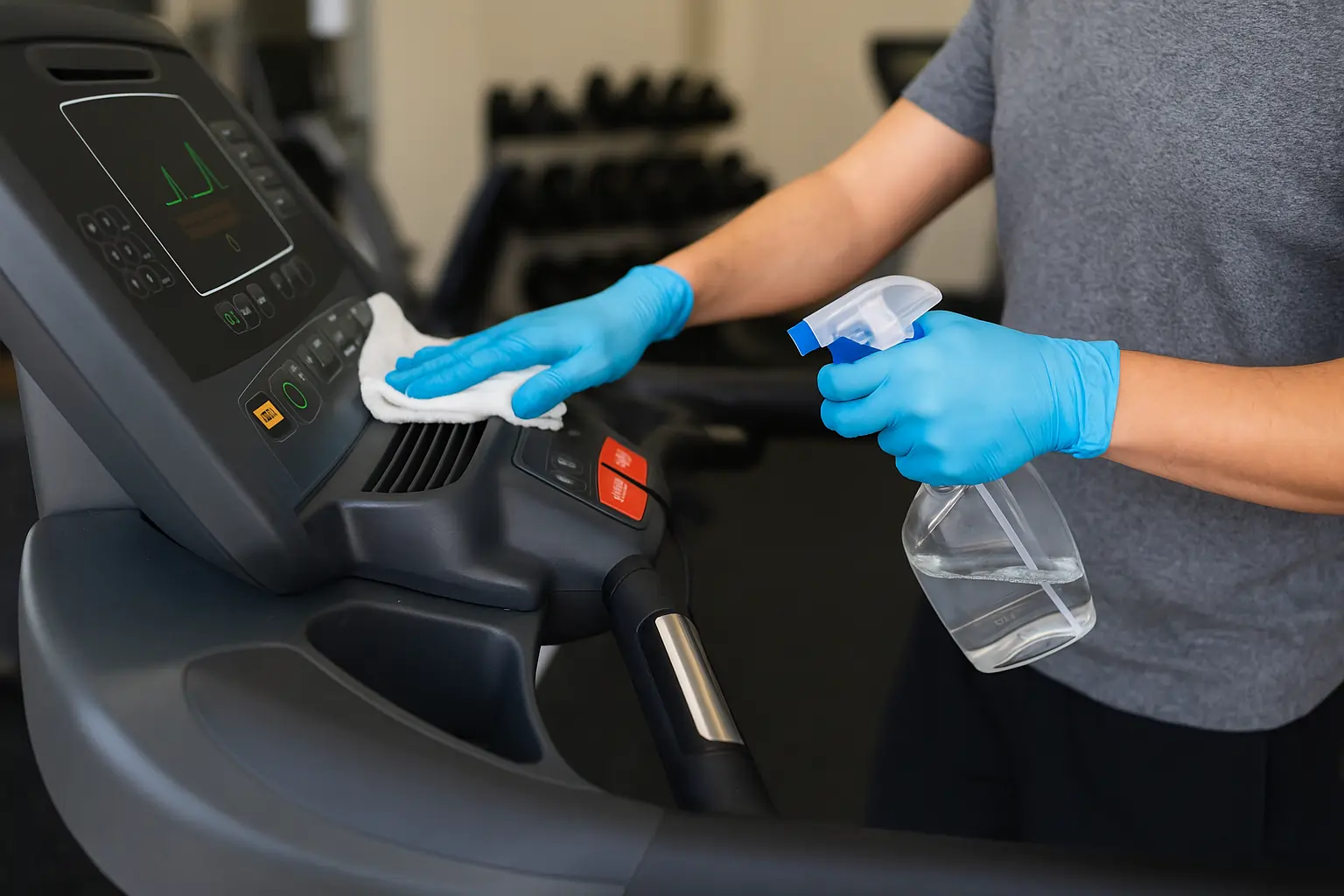
Wipe sweat and dirt from frequently touched surfaces such as helmets, handles, weights, and protective gear.
Weekly or regular deep cleaning
Wash removable fabrics and clean equipment that receives repeated heavy use.
What You Need Before Cleaning Sports Equipment
Most sports equipment can be cleaned with basic household supplies. The goal is to remove dirt and sweat without using products that harm the equipment surface.
Before cleaning, check the manufacturer’s care instructions. Protective equipment such as helmets, pads, and specialty footwear may have limits on water exposure, detergents, or heat.
Source: cleanandscentsible.com
Cleaning cloths
Use soft microfiber or similar cloths to remove dirt without scratching surfaces.
Mild cleaner
A gentle soap or cleaner designed for the material is usually safer than strong chemicals.
Soft brush
A soft brush helps remove dirt from textured surfaces, seams, and hard-to-reach areas.
Clean water and drying space
Proper rinsing and airflow are important because leftover moisture can create odor problems.
Avoid Harmful Cleaning Products
Strong solvents, abrasive cleaners, and excessive heat may damage certain sports materials. For example, some plastics, foam padding, adhesives, and coatings can weaken when exposed to unsuitable chemicals.
When unsure, test a cleaner on a small hidden area first or follow the equipment manufacturer’s instructions.
Do not overuse disinfectants
Frequent use of harsh disinfectants may affect some materials and finishes.
Step-by-Step Guide: How to Clean Sports Equipment
The cleaning process starts with removing loose debris, then treating the surface based on the material. Taking a few extra minutes after each use can prevent bigger cleaning problems later.
Always separate equipment into categories before cleaning. Clothing, protective gear, footwear, and hard equipment often need different methods.
Source: loveyourgear.ca
Step 1: Remove loose dirt
Shake off mud, grass, dust, and other debris before applying water or cleaner.
Step 2: Clean the surface
Use an appropriate cleaner and cloth or brush to remove sweat, stains, and buildup.
Step 3: Rinse when needed
Remove cleaner residue according to the material’s care instructions.
Step 4: Dry completely
Allow equipment to air dry fully before placing it in a bag or storage area.
Step 5: Inspect condition
Look for cracks, tears, loose parts, or worn areas while the equipment is clean.
Jerseys, socks, compression clothing, and washable fabric items should usually be cleaned according to their care labels. Sweat-soaked clothing should not remain inside a closed sports bag because moisture can encourage odor buildup.
Use the recommended washing settings and allow items to dry completely before storage.
Remove stains early
Fresh stains are often easier to treat than stains that have dried into fabric.
Cleaning Protective Equipment
Helmets, pads, gloves, and similar protective equipment often contain multiple materials. Clean the outside surfaces gently and avoid soaking components unless the manufacturer allows it.
Pay attention to areas that contact skin because sweat commonly collects around straps, liners, and padding.
Dry padding carefully
Allow airflow around padding instead of sealing damp equipment inside a bag.
How to Clean Different Types of Sports Equipment
Different sports create different cleaning challenges. Outdoor equipment may collect mud and grass, while indoor equipment often collects sweat and skin oils.
The table below shows general approaches. Always check the instructions for your specific equipment before using a cleaning method.
Source: img.freepik.com
Football and soccer gear
Clean uniforms, gloves, pads, and balls regularly because they often collect sweat, dirt, and field debris.
Gym equipment
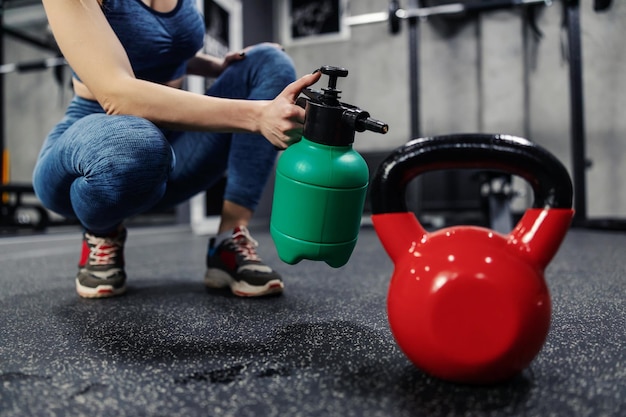
Wipe benches, handles, mats, and frequently touched surfaces after use, especially in shared facilities.
Hockey equipment
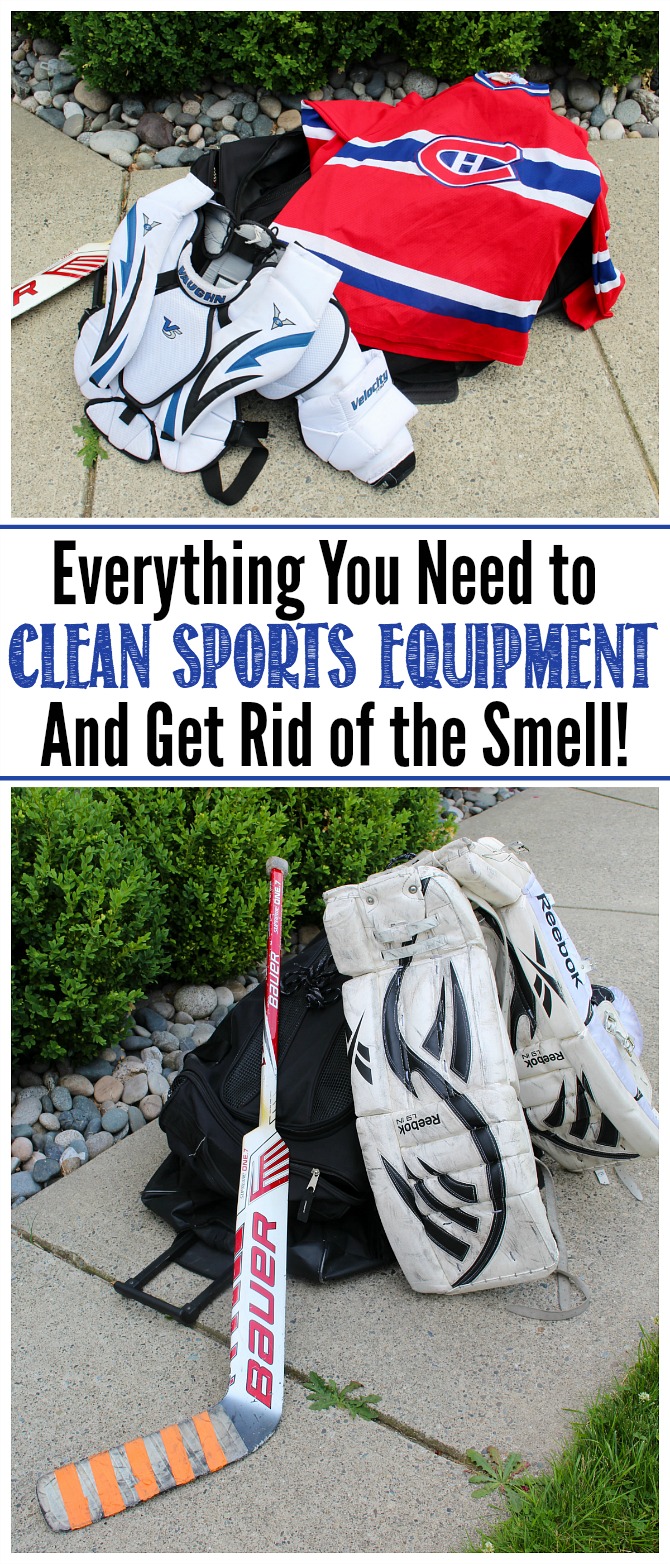
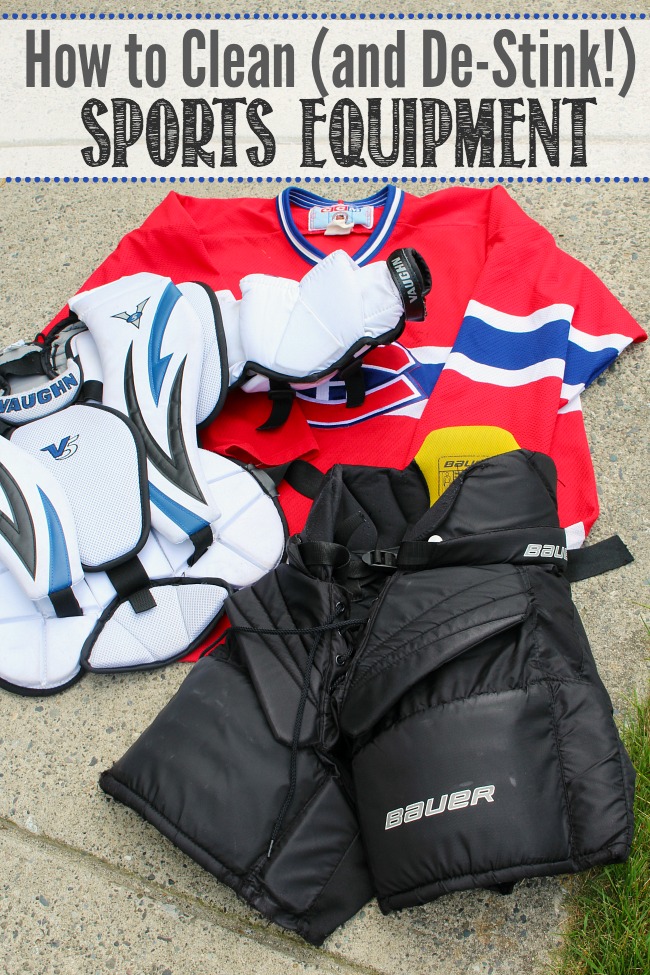
Dry and clean gloves, pads, and protective gear because enclosed equipment can trap moisture and odor.
Signs Your Equipment Needs Cleaning
Visible dirt is only one sign. Equipment may need cleaning when it develops odor, feels sticky, shows sweat marks, or stays damp after use.
Cleaning should also happen after exposure to mud, rain, shared use, or long storage periods.
Strong smell
Persistent odor often indicates sweat and moisture buildup.
Visible residue
Dirt, stains, or salt marks from dried sweat show that cleaning is needed.
Common Sports Equipment Cleaning Mistakes
Many cleaning problems happen because equipment is cleaned too aggressively or stored before it is dry. Good maintenance is about using the correct method, not simply using more cleaner or more force.
Avoid these common mistakes to protect both the equipment and the athlete using it.
Source: premiercontractcleaning.ie
Storing wet equipment
Damp gear inside bags or lockers can develop stronger odors and may degrade some materials.
Using harsh chemicals
Strong cleaners may damage surfaces, coatings, adhesives, or protective materials.
Ignoring care instructions
Manufacturer guidance exists because materials and designs vary.
What To Do If Sports Equipment Still Smells After Cleaning
If odor remains after cleaning, check whether the equipment is drying completely. Moisture trapped inside padding or fabric is a common reason smells return.
Repeat the cleaning process using a suitable method and improve airflow during drying. Replace equipment when damage or permanent deterioration affects function.
Improve drying
Place equipment in a ventilated area instead of leaving it inside a closed sports bag.
Frequently Asked Questions
Q
How often should I clean sports equipment?
Cleaning frequency depends on the sport, usage, and material. Equipment that becomes sweaty or touches skin directly usually needs more frequent cleaning than items used occasionally.
Q
Can I put sports equipment in a washing machine?
Some fabric items can be machine washed, but protective gear may not be suitable for machine washing. Check the care instructions before using a washer.
Q
How do I remove bad smells from sports gear?
Remove odors by cleaning the equipment properly, allowing full drying, and avoiding storage while damp. Persistent smells may require deeper cleaning or replacement if materials are worn.
Q
Can I use household disinfectant on sports equipment?
Some disinfectants may be suitable for certain surfaces, but compatibility depends on the material. Follow product and equipment instructions to avoid damage.
Q
When should sports equipment be replaced instead of cleaned?
Equipment should be replaced when cracks, broken parts, damaged protective materials, or wear affect its intended function.
✦ Wrapping Up
Conclusion
Learning how to clean sports equipment is a simple maintenance habit that helps protect gear, control odors, and keep equipment ready for use. The safest approach is to match the cleaning method to the material and avoid unnecessary harsh treatments.
Regular cleaning also creates an opportunity to inspect equipment before problems become serious. A clean piece of gear is easier to maintain, easier to store, and easier to trust during sports activities.
💡 Key Takeaway
Start with a basic routine: remove dirt after use, clean sweat-covered areas, dry everything completely, and check equipment condition regularly.