Build a sports workout routine by defining your goal, choosing exercises that match your sport, scheduling strength and conditioning sessions, adding recovery days, and adjusting the plan based on progress.
Deal
Today's Exclusive Deals
Limited-time Exclusive Deals. Check current discount on Amazon.
For athletes and active people in the United States, a good workout routine should support the demands of the sport while fitting real life. A high school athlete in Texas, a recreational runner in California, and a weekend basketball player in New York may need different plans, but the foundation is similar: train the right abilities, recover well, and increase difficulty gradually.
A sports workout routine is more than a list of exercises. It is a structured plan that combines strength, endurance, mobility, speed, skill practice, and recovery. The best routine depends on the sport, training experience, available time, injury history, and personal goals. A safe plan improves performance without creating unnecessary fatigue.
Source: ar.inspiredpencil.com
What A Sports Workout Routine Includes
A sports workout routine is a planned schedule of physical training designed to improve performance in a specific activity. Unlike a general fitness program, a sports routine focuses on abilities that matter most for competition or participation. For example, a soccer player may need repeated sprint ability and lower-body strength, while a swimmer may focus more on power, endurance, and shoulder mobility.
Most effective routines combine several training areas instead of focusing on only one. Building muscle alone does not guarantee better athletic performance. Athletes need a balance between physical qualities so the body can produce force, move efficiently, and handle repeated effort.
Source: storage.googleapis.com
Strength training
Exercises that improve the ability to produce force, support joints, and handle physical demands.
Conditioning
Training that develops aerobic and anaerobic fitness needed for sustained activity and repeated efforts.
Mobility and flexibility
Movement training that helps maintain useful ranges of motion and efficient technique.
Why Sport Specific Training Matters
Sport specific training means selecting exercises that support the actions, positions, and energy systems used during the sport. It does not mean copying every movement from a game. Instead, it means understanding what physical skills contribute most to performance.
A runner may benefit from stronger legs and better endurance, while a tennis player may need rotational power, quick changes of direction, and shoulder control. The routine should serve the sport rather than simply make workouts harder.
Match training demands
Choose exercises based on the speed, strength, endurance, and movement patterns required.
How To Create A Sports Workout Routine Step By Step
Creating a workout routine starts with a clear goal. Before choosing exercises, decide what you want to improve. A vague goal such as getting better at sports is difficult to measure. A specific goal such as improving sprint speed, increasing endurance, or becoming stronger creates a better training direction.
After setting a goal, build the routine around the most important physical needs. Start with basic movements and gradually add more challenge. Beginners often improve with simple plans because consistency matters more than complexity.
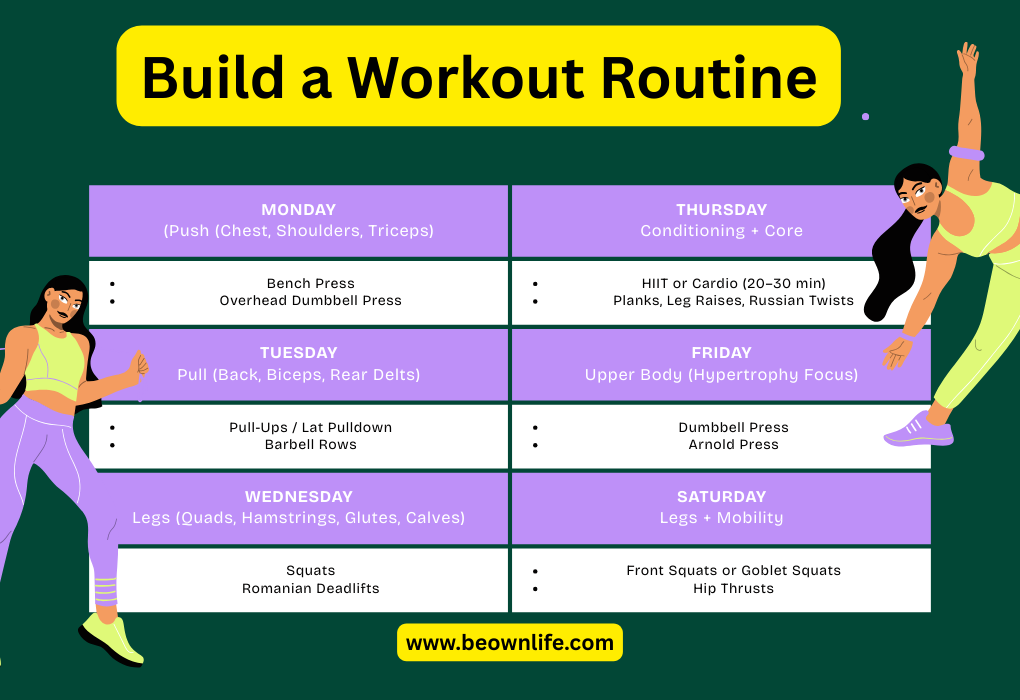
Source: beownlife.com
Step 1: Identify your sport demands
List the key actions in your sport, such as jumping, running, throwing, pushing, pulling, or changing direction.
Step 2: Set realistic goals
Choose measurable goals that can be reviewed after several weeks of training.
Step 3: Select training methods
Combine resistance training, conditioning, mobility work, and sport practice.
Step 4: Schedule recovery
Include rest or lighter sessions so the body can adapt to training.
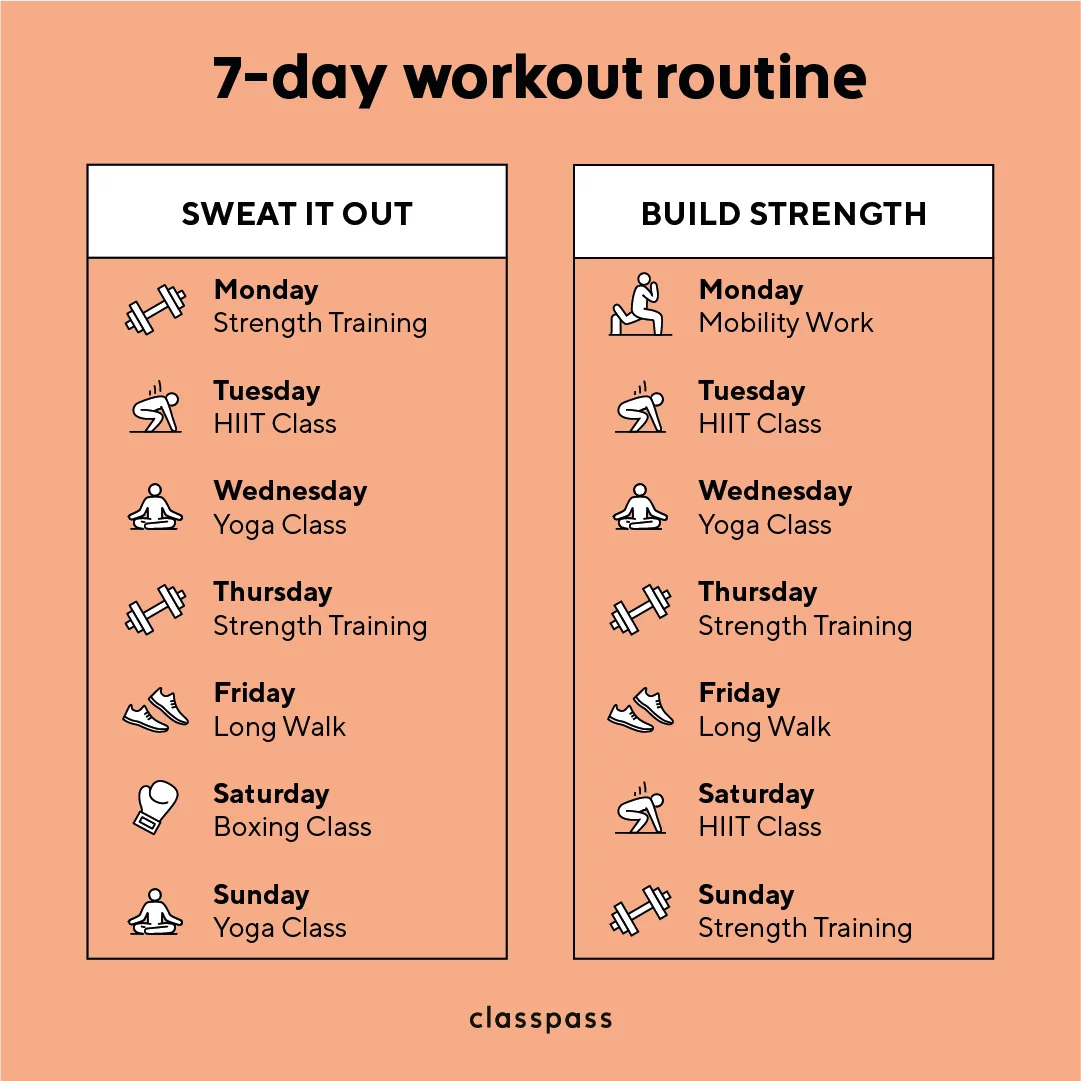
Example Weekly Sports Workout Schedule
A weekly plan should distribute hard sessions instead of placing all demanding workouts together. The exact schedule depends on the sport season, competition calendar, and training level. The example below is a general structure, not a personal prescription.
Monday
Strength training focused on major movement patterns.
Tuesday
Skill practice and moderate conditioning.
Wednesday
Mobility work, recovery activity, or rest.
Thursday
Power training and sport-specific drills.
Friday
Strength or endurance session based on goals.
Weekend
Competition, practice, recovery, or light movement.
How To Choose The Right Exercises For Athletic Goals
Exercise selection should follow the goal of the athlete. Compound movements that train multiple muscles often provide a strong foundation because sports usually require coordinated movement rather than isolated muscle actions.
The right exercise is also the one that can be performed safely with proper technique. A difficult exercise is not automatically better. Quality movement and steady progress are more valuable than adding complexity too quickly.
Use resistance exercises such as squats, presses, pulls, and loaded carries when appropriate.
For speed
Include short high-quality efforts, acceleration drills, and proper recovery between intense attempts.
For endurance
Use conditioning sessions that match the duration and intensity patterns of the sport.
For mobility
Practice controlled movements that improve useful joint motion.
How Much Training Is Enough
The correct amount of training depends on age, experience, current fitness, sport schedule, and recovery ability. More workouts are not always better. Excessive training can reduce performance and increase injury risk.
A beginner may need fewer sessions with more focus on learning technique. An experienced athlete may handle more volume because their body has adapted over time.
Begin gradually
Increase workload step by step instead of making sudden large changes.
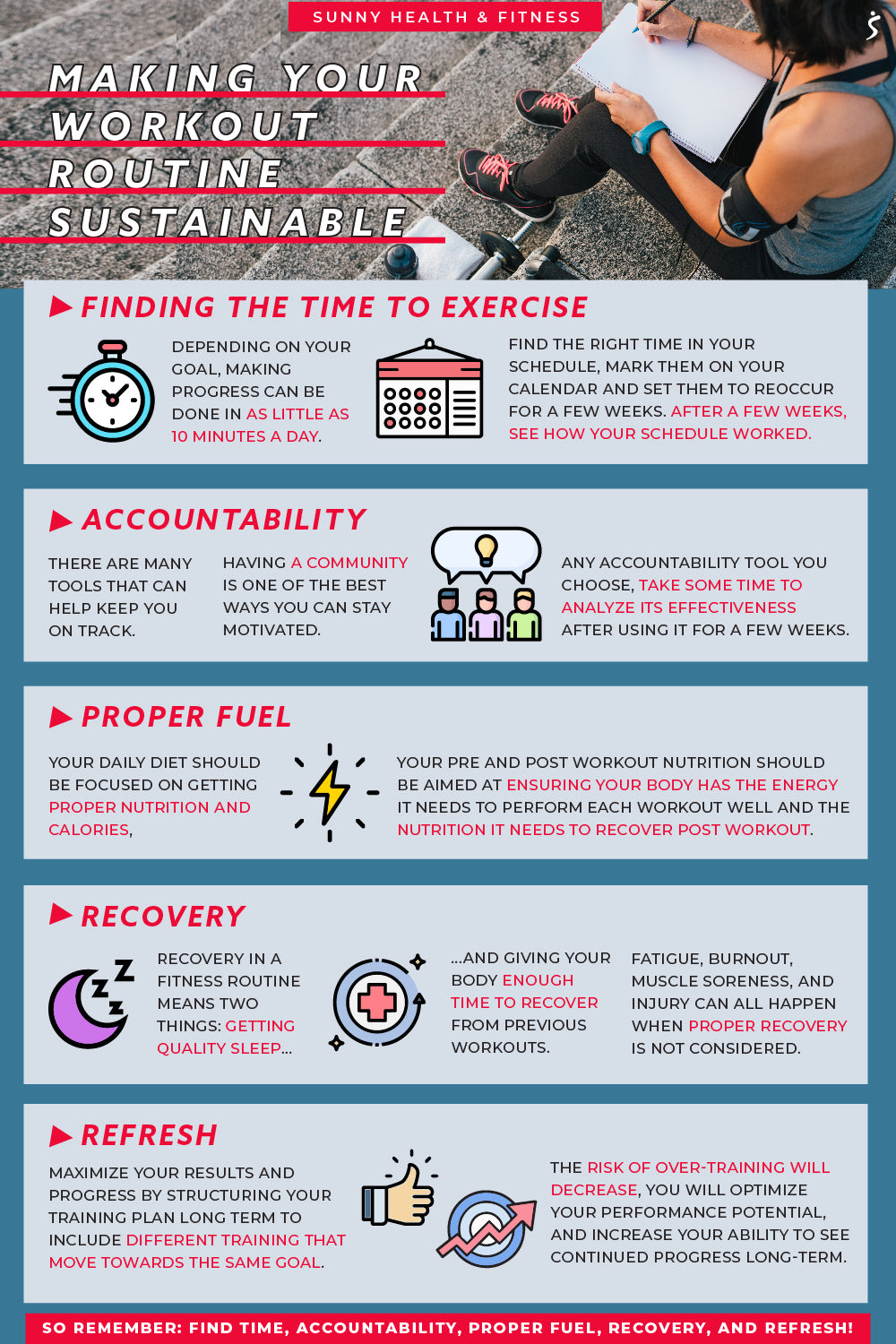
How To Track Progress And Adjust Your Routine
Tracking progress helps determine whether a sports workout routine is working. Useful measurements include performance improvements, training consistency, perceived effort, recovery quality, and changes in sport skills.
A routine should change when the body adapts or when the athlete’s goals change. Progress does not always mean lifting heavier weights. It can also mean better technique, improved endurance, faster movement, or completing training with less fatigue.
Source: campolden.org
Record workouts
Write down exercises, sets, repetitions, duration, and notes about difficulty.
Review performance
Compare results over time instead of judging progress from one session.
Adjust when needed
Modify training if progress stops, recovery declines, or demands change.
Signs Your Routine Needs A Change
A workout plan may need adjustment when improvement stops for an extended period, motivation drops, fatigue remains high, or performance declines. These signs do not always mean the program is wrong, but they indicate that the current balance may need review.
Persistent fatigue
Reduce training stress and examine sleep, nutrition, and recovery habits.
No improvement
Consider changing training variables such as volume, intensity, or exercise selection.
Common Mistakes When Building A Sports Workout Routine
Many training mistakes happen because people focus only on hard work and ignore planning. A successful routine is not built by doing the most exercise possible. It is built by applying the right amount of training at the right time.
Avoiding common mistakes can improve consistency and reduce unnecessary setbacks. A good plan should challenge the body while allowing enough recovery to adapt.
A program designed for another person may not match your sport, experience, or schedule.
Ignoring recovery
Rest, sleep, and nutrition support the changes created by training.
Changing too often
A routine needs enough time to evaluate whether it is effective.
Training through pain
Pain that affects movement or continues should be evaluated by an appropriate health professional.
Safety Boundaries To Remember
People with injuries, medical conditions, or concerns about starting intense exercise should seek guidance from a qualified healthcare professional or trained fitness professional. General workout advice cannot replace individual assessment.
Use proper technique
Learn movement patterns before increasing load or intensity.
Frequently Asked Questions
Q
How many days a week should I do a sports workout routine?
The number of training days depends on the athlete, sport, and recovery ability. Many people benefit from a balanced schedule that includes several training sessions and planned recovery periods rather than training hard every day.
Q
Can beginners build a sports workout routine?
Yes. Beginners should start with basic movements, manageable training volume, and proper technique. A simple routine followed consistently can create a strong foundation.
Q
Should I train strength or cardio first for sports?
The answer depends on the main goal of the session. If strength or power is the priority, many athletes place that work earlier when energy levels are higher. Sport goals should guide the order.
Q
How do I know if my workout routine is working?
A routine is working when it produces measurable improvement, supports sport performance, and can be maintained without excessive fatigue or repeated problems.
Q
Do athletes need rest days?
Yes. Recovery allows the body to adapt to training. Rest days or lighter sessions can help maintain long-term progress.
✦ Wrapping Up
Conclusion
Building a sports workout routine requires planning, patience, and attention to the needs of the sport. The strongest programs combine physical training, skill development, recovery, and regular review instead of relying on random workouts.
A useful routine is one you can follow consistently and adjust over time. Start with clear goals, choose appropriate exercises, monitor progress, and make changes when your body and performance provide feedback.
💡 Key Takeaway
Create your first routine by choosing one main goal, scheduling balanced training sessions, and reviewing your progress every few weeks.