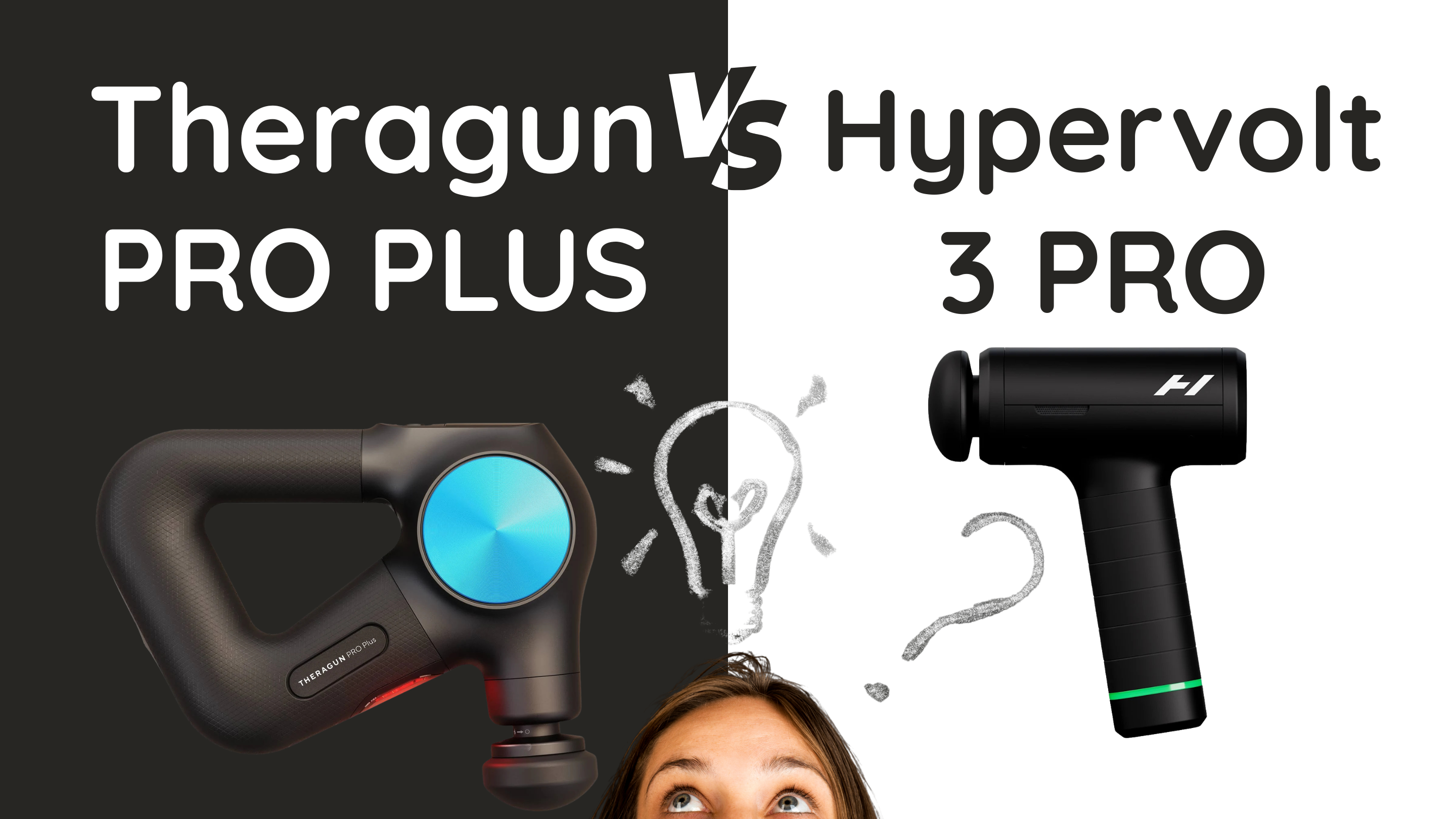
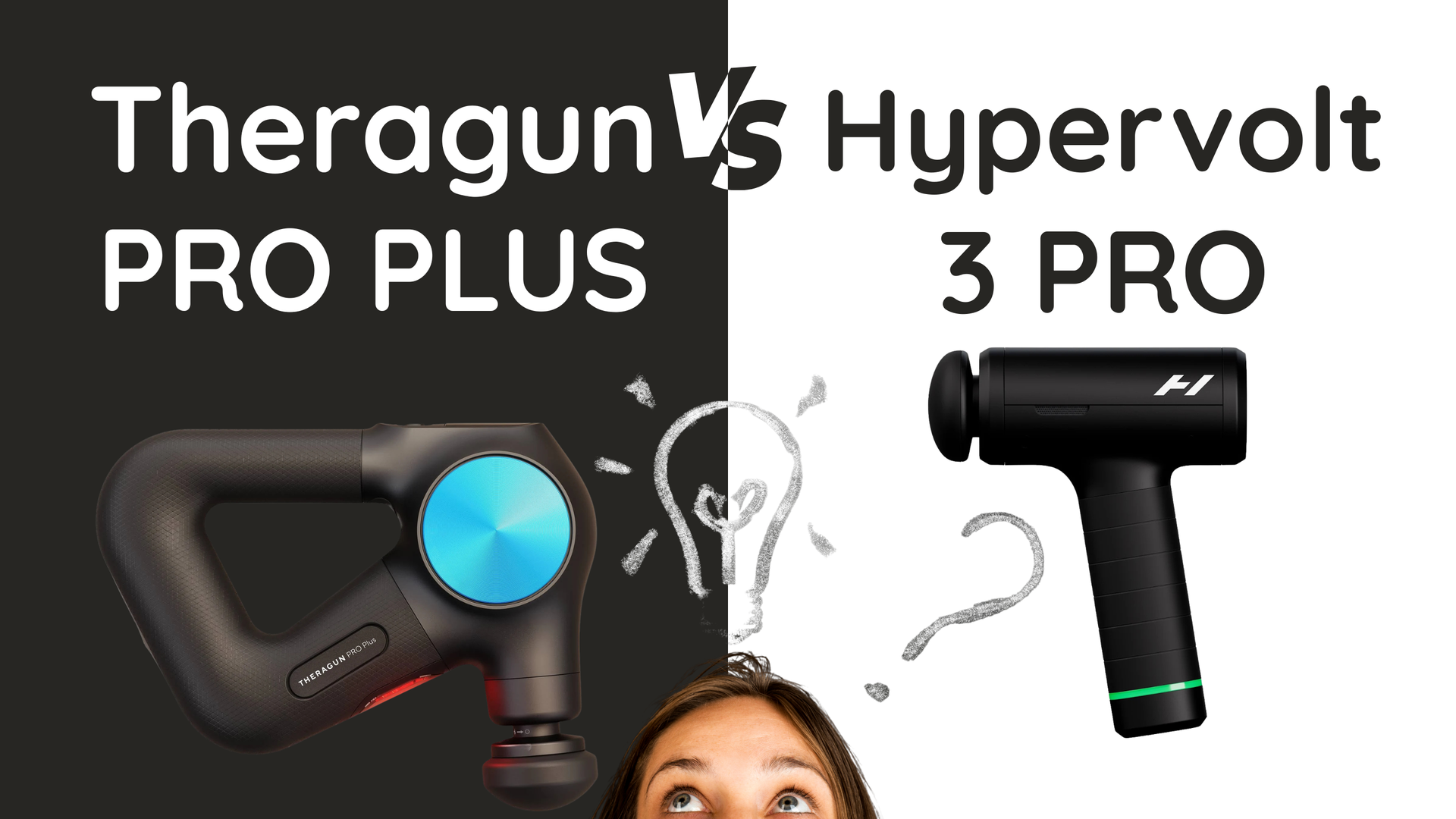
When it comes to massage guns, the debate often narrows down to two giants: Theragun and Hypervolt. Both are leaders in the percussive therapy market, promising faster recovery, pain relief, and better muscle care for everyone from athletes to office workers. But when you look closer, many physical therapists, trainers, and regular users suggest that Theragun often edges out Hypervolt in key ways. If you’ve ever wondered why Theragun is considered better than Hypervolt, you’re not alone. Let’s break down the real reasons, with clear comparisons and practical insights, so you can choose confidently.
What Makes A Great Massage Gun?
Before comparing Theragun and Hypervolt directly, it’s important to know what really matters in a massage gun. The right device should fit your goals—whether you want to ease muscle knots, recover after workouts, or just relax stiff shoulders after a long day. Key factors include:
Today's Exclusive Deals
Limited-time Exclusive Deals. Check current discount on Amazon.
Check Price on Amazon As an Amazon Associate I earn from qualifying purchases.- Amplitude (depth of massage)
- Percussion speed (strokes per minute)
- Motor power and noise
- Ergonomic design
- Battery life
- Accessory attachments
- Ease of use
- Durability and warranty
- App support and smart features
Not all users need the same features. For example, a pro athlete may want high power and deep massage, while a casual user may care more about quiet operation or easy handling.
Theragun Vs Hypervolt: Side-by-side Comparison
To make things easy, here’s a head-to-head look at the latest flagship models: Theragun PRO (5th Gen) and Hypervolt 2 Pro.
| Feature | Theragun PRO (5th Gen) | Hypervolt 2 Pro |
|---|---|---|
| Amplitude | 16 mm | 14 mm |
| Percussions per minute | 1750–2400 | 1700–2700 |
| Motor Type | Proprietary QX150 brushless | Brushless high-torque |
| Noise Level | QuietForce Technology | Quiet Glide Technology |
| Attachments | 6 | 5 |
| Battery Life | 150 min (removable) | 180 min (built-in) |
| Weight | 2.9 lbs | 2.6 lbs |
| Display | OLED, force meter | LED ring |
| App Integration | Yes (Bluetooth + guided routines) | Yes (Bluetooth + routines) |
| Warranty | 2 years | 1 year |
| Price (approx.) | $599 | $399 |
Right away, you can see both have strengths. Hypervolt is lighter and cheaper, but Theragun packs more depth, more attachments, and a longer warranty. Let’s dig into what these numbers actually mean for you.
The Power Of Amplitude: Why Depth Matters
One of the biggest differences is amplitude—the distance the massage head travels with each pulse. Theragun’s 16 mm amplitude is the highest in the industry, compared to Hypervolt’s 14 mm.
Why does this matter? A greater amplitude means the device reaches deeper into your muscle tissue, not just the surface. This is especially important if you:
- Work out hard and need to break up deep muscle tension
- Have chronic tightness that simple vibration can’t relieve
- Want faster recovery after sports or intense activity
Most cheap massage guns offer 10–12 mm amplitude, which only vibrates the skin. Hypervolt is better at 14 mm, but Theragun’s 16 mm is often called the “gold standard” for real percussive therapy.
Non-obvious insight: Many beginners think higher speed (more pulses per minute) is the most important factor. In reality, amplitude is what creates that true “deep tissue” feeling. If you want a massage gun that works like a pro therapist’s elbow, amplitude is key.
Ergonomics: The Triangle Handle Advantage
A massage gun is only helpful if you can actually use it on all your sore spots. Here, Theragun’s unique triangular multi-grip handle stands out.
Unlike Hypervolt’s simple stick shape, Theragun lets you hold the device in several ways. This means you can easily reach your lower back, shoulders, or even your feet—without straining your wrist or needing help from someone else.
Some real-life advantages:
- Use the top grip for your chest and legs
- Use the side grip for hard-to-reach spots
- Use the bottom grip for your back or shoulders
This ergonomic design isn’t just marketing. Many users with limited mobility, arthritis, or smaller hands find Theragun easier to handle for long sessions. Hypervolt’s straight handle can feel awkward or tiring, especially when reaching behind your body.
Practical tip: If you want to treat yourself without asking someone else for help, Theragun’s handle design is a game changer.

Motor Strength And Noise: Quiet, Not Weak
Early massage guns were noisy—like a power drill in your living room. Both Theragun and Hypervolt have reduced noise over the years, but their motors are quite different.
Theragun PRO uses a proprietary QX150 motor. It’s engineered to deliver high force (up to 60 lbs stall force) without stalling or overheating. At the same time, QuietForce Technology keeps it quieter than older models. Hypervolt’s motor is also brushless and uses “Quiet Glide” tech, but it maxes out at 54 lbs of force.
What Does This Mean In Practice?
- Theragun can keep pushing deep even on very tight muscles, without stopping
- Hypervolt may stall or slow down on very dense muscle groups, especially at higher speeds
Noise level is subjective, but both are quiet enough for home or gym use. Theragun is now much quieter than it was, though Hypervolt is sometimes a touch softer on lower settings.
Beginner mistake: Many people confuse “quiet” with “weak.” In reality, Theragun is both powerful and quiet, which isn’t easy to achieve in a massage gun.
Attachments And Customization: More Options With Theragun
Attachments matter because not all body parts need the same massage head. Theragun PRO comes with six attachments, each designed for a specific purpose:
- Dampener for tender areas
- Standard ball for general use
- Thumb for trigger points
- Cone for pinpoint muscle treatment
- Wedge for scraping (shoulder blades, IT bands)
- Supersoft for sensitive areas
Hypervolt 2 Pro offers five attachments, covering similar needs but without the unique wedge or supersoft heads. The variety with Theragun means you can fine-tune your session, whether you’re working on a sore calf or an injured shoulder.
Non-obvious insight: If you have sensitive areas (like bony joints or old injuries), the Supersoft attachment is a life-saver. It’s only available with Theragun.
Smart Features And App Integration
Both devices now offer Bluetooth connectivity and guided routines in their apps. However, Theragun’s app is more advanced and offers:
- Personalized wellness routines
- Integration with Apple Health, Google Fit, and Samsung Health
- Live force meter feedback on the device (PRO model)
- Step-by-step videos for different muscle groups and recovery goals
Hypervolt’s app is simpler, providing basic routines and tips, but less customization and feedback.
Real-world example: If you’re unsure how to use your massage gun for knee pain, Theragun’s app will show you exactly where and how long to treat, with video guidance.
Battery And Portability: More Than Numbers
Battery life isn’t just about the raw number of minutes. Theragun PRO offers 150 minutes per battery, but includes a removable battery—so you can swap in a spare for longer sessions. Hypervolt 2 Pro claims 180 minutes, but the battery is built-in, so you need to stop and recharge if it runs out.
For home use, both are fine. But if you’re a trainer, therapist, or traveling athlete, Theragun’s removable battery is a real advantage.
Pro tip: If you often forget to charge your devices, having a spare battery (Theragun) can save you from interruption.
Durability And Warranty
A massage gun is an investment, not a gadget you want to replace every year. Theragun PRO comes with a 2-year warranty and a solid reputation for durability. Hypervolt 2 Pro offers a 1-year warranty.
Theragun’s build quality, especially in the PRO and Elite models, is often described as “bulletproof. ” The company stands behind its products, and replacement parts (like batteries or attachments) are easy to find.
Buyer mistake: Some people buy cheaper massage guns but end up replacing them every 6–12 months. Over time, investing in a more durable device saves money and frustration.
User Experience: Feedback From Real Users
To get a complete picture, it’s important to look at what real users say. Across forums, Amazon reviews, and professional blogs, these patterns stand out:
- Theragun users often mention better muscle relief, more “professional” feeling, and easier handling for self-massage.
- Hypervolt users appreciate the quieter operation (especially older models), lighter weight, and lower price.
However, when users try both, many say Theragun’s depth and ergonomic handle make it more effective, especially for stubborn knots or deeper muscles.
Quote from a physical therapist:
“Theragun’s amplitude and handle design let me treat clients’ hips and glutes much more effectively. Hypervolt is good for surface work but stalls on bigger muscle groups. ”
Price: Is Theragun Worth The Extra Cost?
Theragun PRO is more expensive than Hypervolt 2 Pro, often by $150–$200. However, the price difference comes with more features, attachments, and warranty.
Here’s a breakdown of what you’re paying for:
| Key Feature | Theragun PRO Value | Hypervolt 2 Pro Value |
|---|---|---|
| Deeper amplitude | Yes | No |
| Better ergonomics | Yes | No |
| More attachments | Yes | No |
| Removable battery | Yes | No |
| App features | Advanced | Basic |
| Warranty | 2 years | 1 year |
If you’re an athlete, therapist, or someone with chronic muscle tightness, the extra investment in Theragun often pays off in real results.
Theragun: Non-obvious Advantages
Most reviews focus on specs, but there are subtle benefits with Theragun that new buyers may not notice:
- Less vibration in the hands: Theragun’s handle design and motor placement mean less fatigue for your wrist and fingers, even during long sessions.
- Better for large muscle groups: The combination of amplitude and stall force lets you treat hips, glutes, and quads more deeply—helpful for runners, cyclists, and gym-goers.
- Easier sharing: The PRO model’s removable battery and high build quality make it suitable for trainers or clinics where many people use the device daily.
When Might Hypervolt Be Better?
While Theragun shines in many areas, Hypervolt still has some advantages:
- Lighter weight (easier for travel or carrying in a gym bag)
- Lower price (better for casual users or those on a budget)
- Quieter at low speeds (for those sensitive to noise)
- Simple, intuitive controls (no learning curve)
For users who want gentle, surface-level muscle relief, or who don’t need the deepest massage, Hypervolt is still a solid choice.
How To Choose: Theragun Vs Hypervolt For Your Needs
If you’re still unsure, here’s a quick decision guide:
Choose Theragun if you:
- Want the deepest, most effective muscle treatment
- Have chronic knots, tightness, or athletic recovery needs
- Need multiple handle positions for self-use
- Value more attachments and advanced app features
- Don’t mind a higher price for better results
Choose Hypervolt if you:
- Prefer a lighter, quieter device
- Mostly use it for warmup or gentle relaxation
- Want to save money
- Don’t need deep tissue power
Common Mistakes When Buying A Massage Gun
- Focusing only on price: Cheaper devices often lack depth, power, or durability.
- Ignoring ergonomics: If you can’t comfortably reach your sore spots, you won’t use your device often.
- Overlooking warranty: Massage guns take a lot of mechanical stress. A good warranty is worth extra dollars.
- Believing all “percussion” is the same: Vibration is not the same as true percussive therapy. Look for amplitude and stall force, not just speed.
Real-world Example: Who Gets The Most From Theragun?
Sarah is a marathon runner who often gets knots in her calves and glutes. She tried both devices at her gym. Hypervolt felt nice on her arms, but didn’t reach her deep calf knots. Theragun, with its higher amplitude and triangle handle, let her massage her calves and hips deeply without help.
Over months, she noticed faster recovery and less soreness after long runs.
In contrast, her friend John, who mainly uses a massage gun to relax his neck after work, found Hypervolt’s lighter touch and quieter operation perfectly fine.
Research Backing: Does Amplitude Matter?
Clinical studies have shown that deeper percussive therapy (higher amplitude) leads to better myofascial release and muscle recovery compared to surface vibration. Many physical therapists recommend devices with at least 14 mm amplitude for effective results. Theragun’s 16 mm amplitude is often referenced in sports therapy literature as the ideal for athletes and active users.
For more details, check out this medical review of percussive therapy.
Final Thoughts
When you want the best massage gun for deep muscle care, Theragun stands out as the better choice for most users who need real results. It offers the deepest amplitude, best handle design, more attachment options, a longer warranty, and smarter app features. While Hypervolt is a good fit for those who want something lighter, quieter, and more affordable, Theragun is the tool trusted by professionals and serious athletes.
Choosing a massage gun is personal—think about your needs, your body, and how you plan to use it. If you want a device that goes beyond surface-level relief and helps you recover, perform, and feel your best, Theragun is hard to beat.
Frequently Asked Questions
Is Theragun Really Better Than Hypervolt For Muscle Recovery?
For most users needing deep muscle treatment, Theragun is better because of its higher amplitude (16 mm) and stronger motor. This allows it to reach deeper tissue, break up knots, and speed up recovery, especially for athletes or people with chronic tightness.
Does Theragun Hurt More Than Hypervolt?
Theragun can feel more intense due to its deeper amplitude. However, it comes with multiple attachments, including a Supersoft head for sensitive areas. You can also adjust speed and pressure to match your comfort level. Most users find the intensity helpful for stubborn knots.
Which Is Quieter, Theragun Or Hypervolt?
Hypervolt is usually a bit quieter at low speeds, but both devices have improved noise control. Theragun’s QuietForce Technology makes it much quieter than older models. For most home or gym environments, noise is not a major issue for either brand.
Can I Use Theragun Or Hypervolt Every Day?
Yes, both devices are safe for daily use, as long as you follow the guidelines in their manuals. Start with short sessions and avoid using them on bones, joints, or recent injuries. If you’re unsure, ask a physical therapist.
Where Can I Find More Information About Percussive Therapy?
You can read scientific reviews and clinical studies on percussive therapy at PubMed Central. These resources explain how devices like Theragun and Hypervolt help with muscle recovery and pain management.
Theragun and Hypervolt are both excellent massage guns, but for those who want the deepest, most effective muscle care, Theragun usually comes out on top. Choose what fits your body, your goals, and your budget—and enjoy the benefits of percussive therapy.