
When it comes to scuba diving, your regulator is your lifeline, and knowing "how often should a scuba regulator be serviced?" is critical for safety. It's the gear that allows you to breathe underwater, and any malfunction can have serious consequences. Regular maintenance ensures it performs flawlessly when you need it most.
Manufacturer specifications consistently point to a standard service interval. As of 2026, most dive gear manufacturers recommend a professional service for your scuba regulator every year or after 100 dives, whichever comes first. This guideline is a vital part of responsible dive gear ownership and helps prevent unexpected issues during a dive.

Today's Exclusive Deals
Limited-time Exclusive Deals. Check current discount on Amazon.
Check Price on Amazon As an Amazon Associate I earn from qualifying purchases.Quick Answer: The 1-Year / 100-Dive Rule
Service your scuba regulator annually. Alternatively, get it serviced after 100 dives. This ensures optimal performance.
It's a key safety measure.
Why Regulator Service Is Non-Negotiable for Divers
Your scuba regulator is arguably the most critical piece of your dive kit. It's not just about having air; it's about having reliable air at the correct pressure, no matter your depth or breathing rate. Manufacturer specifications for regulators, like those found on official product documentation for major brands, clearly outline that regular servicing is essential for maintaining this critical function.
Over time, internal components can degrade, seals can dry out, and tiny particles can accumulate, all of which can impair performance. A professional service, typically performed by a certified technician, ensures these vital parts are inspected, cleaned, lubricated, and replaced if necessary, guaranteeing that your regulator delivers air smoothly and safely. This proactive approach prevents potential issues that could arise from wear and tear.

Image source: Web (Bing) / nauticexpo.com (Web image (fair-use with source credit))
Beyond the Schedule: Factors That Influence Service Needs
While the one-year or 100-dive rule is a solid baseline, your personal diving habits and environments can mean you need to service your regulator more frequently. It's not a one-size-fits-all situation. Thinking about where and how often you dive can help you make more informed decisions about your gear's upkeep.
Saltwater's Toll vs. Freshwater's Demands
Saltwater is significantly more corrosive and abrasive than freshwater. The salt crystals left behind after a dive can dry and damage internal components, and the salt itself can accelerate corrosion. If you're a saltwater diver, especially in tropical oceans, your regulator is under more stress.
Aggregate reviews from dive professionals and dive shop owners often report that regulators used primarily in saltwater benefit from inspection and potential servicing more often than those used only in freshwater. This doesn't necessarily mean servicing every six months, but it might nudge you towards the annual service limit even if you haven't hit 100 dives.
Diving Frequency: A Key Consideration
How often you actually get into the water directly impacts how quickly your regulator accumulates dive time. For someone who dives only a few times a year, the annual service is almost always the deciding factor. However, if you're a dedicated diver, perhaps a divemaster or instructor, or just someone who loves to dive as much as possible, you might rack up 100 dives well before a year is up.
In these cases, keeping track of your dive count and scheduling service accordingly is crucial. It’s a simple metric, but one that’s directly tied to the wear and tear on your regulator’s internal mechanisms.
What Happens When Your Regulator Gets Serviced
When you take your scuba regulator in for service, it’s much more than just a quick look-over. A certified technician will perform a detailed process to ensure every part is functioning correctly and safely. This involves disassembling both the first and second stages, cleaning all components thoroughly, inspecting them for any signs of wear or damage, and then reassembling them with new, manufacturer-recommended parts and lubricants.
It’s a comprehensive overhaul designed to restore your regulator to its optimal performance.
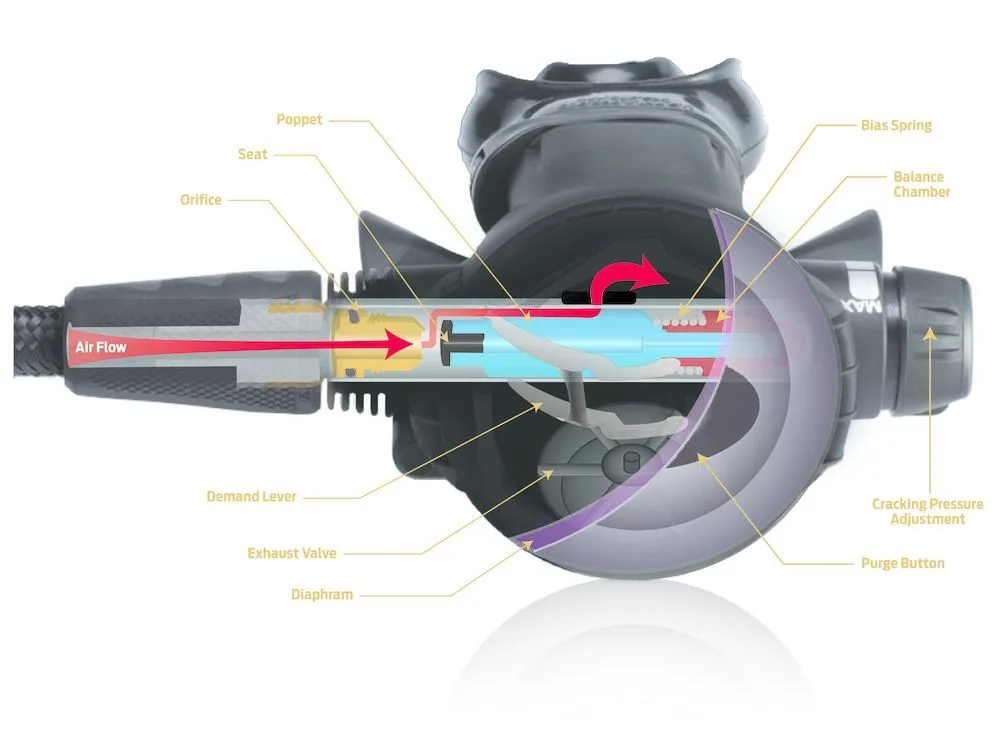
Image source: Bing (Web (fair-use with source credit))
The Technician's Checklist: What to Expect
A professional regulator service follows a meticulous checklist. This typically includes:
- Disassembly: The first and second stages are taken apart completely.
- Cleaning: All internal and external parts are cleaned to remove salt, debris, and old lubricant.
- Inspection: Every component, from diaphragms to springs and O-rings, is checked for cracks, tears, stiffness, or any sign of wear.
- Replacement: Critical wear-and-tear items, such as O-rings, diaphragms, and seat washers, are replaced using manufacturer-approved service kits.
- Lubrication: Specialized silicone grease is applied to moving parts according to manufacturer specifications.
- Reassembly: The regulator is put back together carefully.
- Testing and Adjustment: The technician tests the intermediate pressure, breathing resistance, and ensures the regulator breathes smoothly at various pressures and demand levels. This step is vital for confirming the regulator meets performance standards.
Common Regulator Problems and What They Mean
Even with regular maintenance, sometimes regulators can develop issues. Understanding these common problems can help you identify when something might be wrong and prompt you to get it checked sooner rather than later. These aren't always catastrophic failures, but they're signals that your regulator needs attention.
Signs Your Regulator Needs Immediate Attention
Pay close attention to these indicators. They’re your gear’s way of telling you it needs some help:
- Difficulty Breathing: If you feel like you’re working much harder than usual to inhale, or the air feels restricted, this is a major red flag. It means the regulator isn't delivering air efficiently.
- Continuous Free-Flow: When your second stage starts leaking air constantly, even when you’re not inhaling, it’s called a free-flow. This is often caused by a stuck downstream valve or debris. It wastes air and can be very noisy.
- Hissing or Bubbling Sounds: Any unusual noises coming from your regulator, especially when it’s not being breathed from, can indicate a leak. This is often due to a compromised O-ring or a loose connection.
- Stiff or Sticky Buttons/Levers: If the purge button feels overly stiff, or the dive/pre-dive switch on the first stage is difficult to move, it suggests internal issues or a need for lubrication.
- Visible Damage: Cracks in the hoses, deep nicks on the regulator body, or corrosion on metal parts should always be addressed immediately. These compromise the integrity of the equipment.
Safety First: The Risks of Skipping Regulator Maintenance
Skipping regulator servicing isn't just an oversight; it's a significant safety risk that can have dire consequences underwater. When a regulator is not properly maintained, its ability to deliver air reliably is compromised. Manufacturer specifications and dive safety organizations emphasize that a malfunctioning regulator can lead to rapid air depletion, an inability to breathe, or even an uncontrolled free-flow that can cause panic.
These issues can quickly escalate into an emergency situation, especially if you're at depth or in challenging conditions. Always prioritize this maintenance to ensure your breathing apparatus is dependable.
Expert Tips for Extending Regulator Life
Taking good care of your regulator between professional services can significantly extend its lifespan and ensure optimal performance. It’s about being diligent with basic care. Simple habits can prevent minor issues from becoming major problems, saving you time and money in the long run.
Post-Dive Rinsing and Drying
Always rinse your regulator thoroughly with fresh, clean water immediately after every dive, especially in saltwater. Use a gentle stream; don't blast water directly into the second-stage inlet or the first-stage yoke. After rinsing, gently shake off excess water.
For the second stage, avoid pressing the purge button while wet, as this can force water past the diaphragm and into the regulator. Let your regulator air dry completely in a cool, shaded place before storing it. Direct sunlight can degrade rubber and plastic components over time.
Proper Storage Practices
Store your regulator in a cool, dry place away from direct sunlight and extreme temperatures. Many divers use a dedicated regulator bag, which provides protection from bumps and dust. Ensure the dust cap is securely in place on the first stage to prevent debris from entering the high-pressure ports.
Avoid storing your regulator under heavy objects, which could crush hoses or damage the unit. Also, keep it away from sources of ozone, like electric motors, as ozone can degrade rubber over time.
Frequently Asked Questions About Regulator Servicing
How often should I service my regulator if I only dive once a year?
If you dive infrequently, the annual service is your primary guide. Even if you haven't hit 100 dives, it's recommended to have your regulator serviced every 12 months to ensure its internal components and seals remain in good condition and ready for use.
Can I service my own regulator?
No, scuba regulators should only be serviced by a certified technician. The internal components are complex, and special tools and lubricants are required. Improper servicing can damage the regulator and create serious safety hazards underwater.
What kind of service kits are used?
Certified technicians use specific, manufacturer-approved service kits for each regulator model. These kits contain all the necessary O-rings, diaphragms, and other small parts that are designed to fit and function correctly with your particular regulator.
Does the regulator service include the hoses?
Yes, a professional regulator service typically includes an inspection of the hoses for any signs of cracking, wear, or damage. If a hose shows significant wear or is nearing the end of its service life, the technician will recommend its replacement.

